How to Get Rid of Dark Spots From Acne: A Dermatologist’s Strategy
Learn how to get rid of dark spots from acne effectively. Discover expert-backed skincare strategies for a clear, even complexion today.
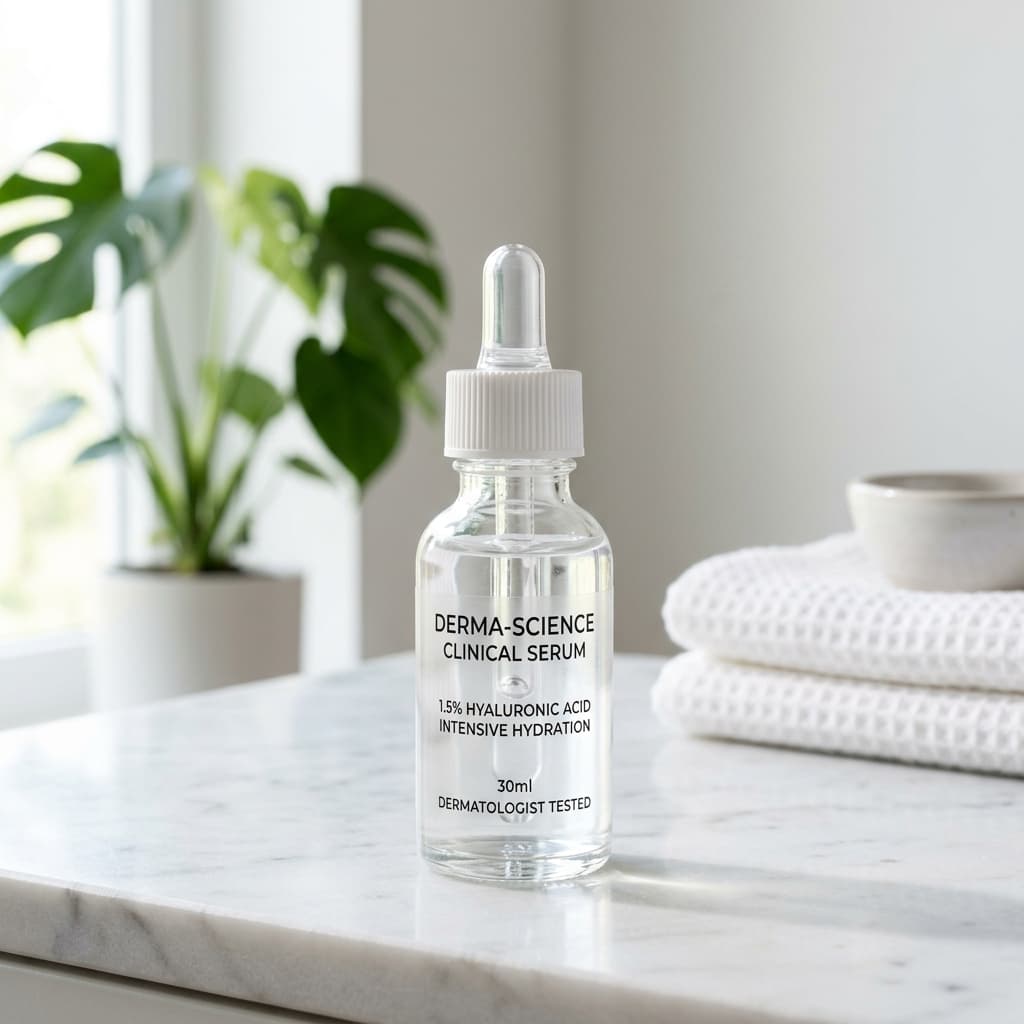
The aftermath of a breakout often lingers long after the inflammation has subsided. Post-inflammatory hyperpigmentation—those stubborn brown or red marks left behind—is one of the most common concerns I see in my clinic. These spots are not scars, but rather an overproduction of melanin triggered by the trauma of acne, which can take months to fade if left untreated.
Achieving a clear complexion requires more than just masking the discoloration; it necessitates a strategic, skin-barrier-focused approach. Because your skin is already sensitized from previous breakouts, prioritizing non-comedogenic care is non-negotiable. Using harsh products that strip the skin can actually worsen hyperpigmentation, leading to a cycle of inflammation that keeps the spots visible for longer.
Targeting Pigmentation at the Source
To understand how to get rid of dark spots from acne, we must address the process of melanogenesis. When a pore becomes inflamed, the skin’s melanocytes go into overdrive, depositing excess pigment into the surrounding tissue. Clinical-grade treatment focuses on two pillars: inhibiting new pigment formation and accelerating cellular turnover.
The Power of Topical Actives
Vitamin C remains a gold standard for brightening. By neutralizing free radicals and inhibiting tyrosinase—the enzyme responsible for melanin production—it prevents new spots from darkening while smoothing existing ones. For those struggling with texture alongside discoloration, retinoids are the preferred intervention. They facilitate rapid cell turnover, ensuring that pigmented cells are shed and replaced by newer, healthier skin cells.
Incorporating Niacinamide into your routine also provides a soothing anti-inflammatory effect. It acts as a regulator for pigment transfer, preventing the darkening of spots without the irritation often associated with stronger chemical exfoliants. Consistency is the true variable here; expect to see meaningful shifts in pigment density only after eight to twelve weeks of dedicated application.
The Non-Negotiable Role of Sun Protection
Without daily, broad-spectrum SPF, even the most effective brightening regimen will fail. UV exposure is the primary catalyst for darkening existing acne marks. When these spots are exposed to sunlight, the brain signals the skin to protect itself by producing more melanin, effectively "locking in" the discoloration. A lightweight, zinc-based physical sunscreen provides the necessary barrier without risking new pore congestion, ensuring your hard work isn't undone by environmental exposure.
Don't Let Your Products Ruin Your Progress
Even when you have identified the perfect ingredients to fade your post-acne marks, the underlying formulation of your skincare routine might be working against you. Many products marketed for "brightening" or "acne-prone skin" contain hidden comedogenic ingredients that can trigger new breakouts, effectively resetting the cycle of inflammation and creating fresh dark spots. Before you commit to a new serum or moisturizer, it is essential to audit your ingredient list to ensure you aren't inadvertently re-clogging the very pores you are trying to heal, as maintaining a clean, non-comedogenic routine is the most reliable way to prevent the formation of new hyperpigmentation.
Step 1: Upload Your Product Image
Simply snap a photo of the ingredient list on the back of any bottle, jar, or box. No typing required.

Step 2: Instant AI Ingredient Analysis
Our advanced AI scans the image, performs OCR (Optical Character Recognition), and matches every ingredient against our curated database of comedogenic substances.

Step 3: Clear Results for Clearer Skin
You get an immediate breakdown. If any red-flag ingredients are found, we highlight them and explain why they might be problematic for your pores.
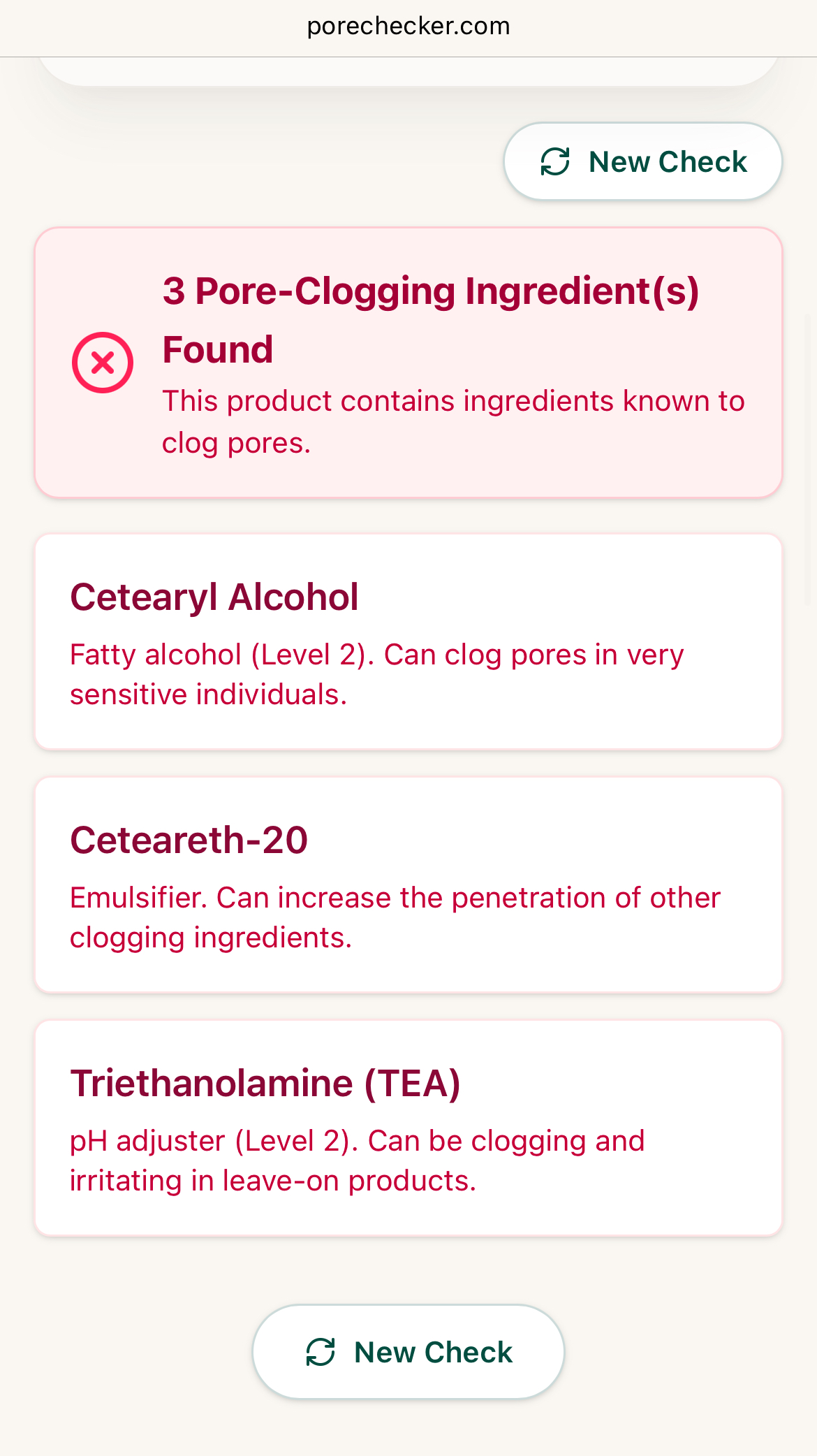
Does this product fit my skin's needs?
Check Your Products Now