How to Get Rid of Neck Acne: A Dermatologist’s Approach to Clearer Skin
Struggling with persistent breakouts? Learn how to get rid of neck acne effectively with science-backed habits and expert skincare advice.
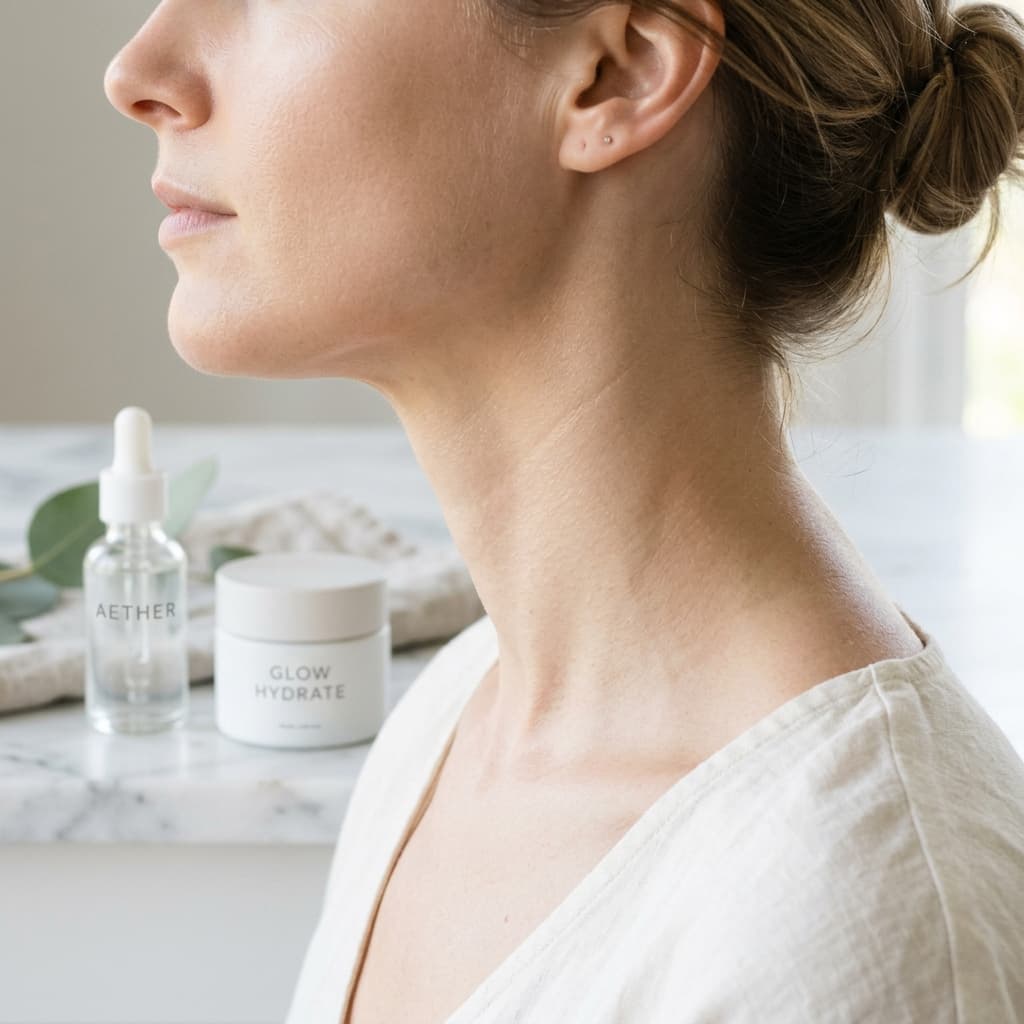
Neck acne is often more than just a surface-level annoyance; it is a complex dermatological issue that sits at the intersection of hormonal shifts, friction, and hygiene. Unlike facial acne, the skin on your neck is thinner and more prone to irritation, making it highly sensitive to the products and environmental factors it encounters daily. If you find yourself wondering how to get rid of neck acne, the first step is shifting your mindset from aggressive scrubbing to restorative, non-comedogenic care.
Treating this area requires a delicate balance. Harsh physical exfoliants or drying alcohols can compromise the skin barrier, leading to increased inflammation and a cycle of breakouts that is difficult to break. By adopting a routine that prioritizes skin health and ingredient integrity, you can calm existing blemishes while preventing the subterranean congestion that often characterizes neck-based flare-ups.
The Hidden Culprits Behind Neck Breakouts
Often, we blame diet or genetics for breakouts, but the primary triggers for neck acne are frequently found in our immediate environment. The skin on your neck is a landing zone for hair care remnants, sweat, and fabric friction. When you wash your hair, residue from shampoos and conditioners often runs down your neck, leaving behind waxy surfactants that clog pores. If you suffer from frequent acne in this area, consider washing your face and neck as the final step in your shower routine to ensure no residue remains.
Mechanical Irritation and Friction
Mechanical acne, or acne mechanica, is a frequent culprit for those who wear high collars, scarves, or tight athletic wear. Constant rubbing against the skin creates heat and friction, which traps sweat and bacteria against the follicle. If you are struggling with persistent spots, try to keep your neck area cool and dry. Opt for breathable fabrics like cotton or moisture-wicking materials during exercise, and be mindful of how your clothing interacts with your skin throughout the day.
Establishing a Targeted Treatment Routine
Once you have addressed environmental triggers, the focus should shift to active topical treatment. Incorporating a gentle chemical exfoliant, such as salicylic acid, can help keep the pores clear of dead skin cells and excess sebum. Unlike physical scrubs, salicylic acid is oil-soluble, meaning it can penetrate deep into the pore lining to dissolve the 'glue' that leads to blockages. Start by applying a low-concentration treatment once every other evening to monitor how your neck skin reacts, as this area can be prone to contact dermatitis if over-treated.
Don't Let Your Products Ruin Your Progress
The most effective treatment plan will inevitably fail if you are inadvertently applying pore-clogging ingredients to your skin. Many everyday lotions, sunscreens, and even hair serums contain heavy emollients or comedogenic oils that can undo all the progress you have made. Your neck is exceptionally efficient at absorbing products, and if those products contain ingredients that disrupt your follicle function, you will continue to see new breakouts regardless of how diligent your cleansing routine is. Before reaching for your next moisturizer or styling product, it is vital to verify that your lineup is strictly non-comedogenic, ensuring that the very items designed to protect your skin are not secretly fueling your acne.
Step 1: Upload Your Product Image
Simply snap a photo of the ingredient list on the back of any bottle, jar, or box. No typing required.

Step 2: Instant AI Ingredient Analysis
Our advanced AI scans the image, performs OCR (Optical Character Recognition), and matches every ingredient against our curated database of comedogenic substances.

Step 3: Clear Results for Clearer Skin
You get an immediate breakdown. If any red-flag ingredients are found, we highlight them and explain why they might be problematic for your pores.

Does this product fit my skin's needs?
Check Your Products Now