How to Get Rid of Pores on Nose: Your Comprehensive Clearing Guide
Struggling with visible pores on your nose? Discover effective treatments, routine adjustments, and professional tips to clear and refine your skin safely.
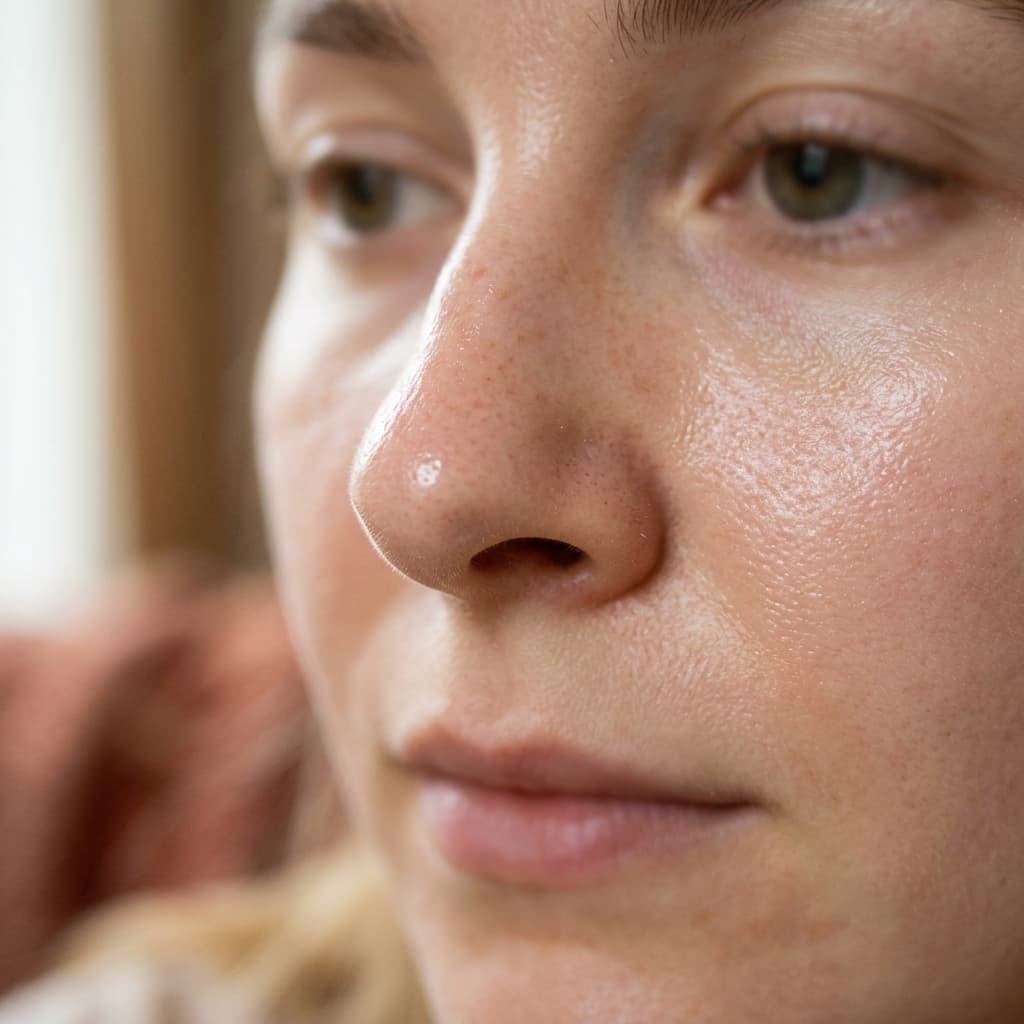
The nose is a common area for visible pores and congestion, often leading many to search for effective ways on "how to get rid of pores on nose." While you cannot entirely remove pores—as they are vital for your skin's health—you can certainly refine their appearance and keep them clear of debris. Clogged pores on the nose often appear as blackheads or sebaceous filaments, which are a buildup of sebum and dead skin cells. By implementing a targeted, non-comedogenic routine, you can achieve a smoother, clearer complexion in this troubleshooting area.
Why Pores on the Nose Are More Visible
The skin on your nose typically has larger sebaceous glands compared to other parts of your face. This means more oil is produced, increasing the likelihood of clogs. Factors such as genetics, sun damage (which weakens skin elasticity), and improper cleansing can all contribute to larger-looking pores. Understanding this is the first step toward effective management.
Effective Strategies for Clearer Nose Pores
Here are the most proven methods to refine the skin on your nose:
Double Cleansing at Night
To truly remove oil-soluble impurities like sunscreen, makeup, and excess sebum, double cleansing is essential. Start with a non-comedogenic cleansing oil or balm, followed by a gentle water-based cleanser. This ensures your nose pores are deeply cleaned without irritation.
Incorporate Salicylic Acid (BHA)
Salicylic acid is oil-soluble, meaning it can penetrate deep into the pores on your nose to dissolve the clogs. Using a BHA exfoliant 2-3 times a week can significantly reduce the appearance of blackheads and keep the pore lining clear.
Clay Masks for Occasional Use
A high-quality clay mask containing kaolin or bentonite can help draw out excess oil from the nose area. Focus the application on your T-zone and use it once a week to prevent surface congestion.
Professional Help for Persistent Pores
If at-home routines aren't providing the results you desire, several professional treatments can help:
- Professional Extractions: A licensed aesthetician can safely remove deep-seated clogs without damaging the skin.
- Chemical Peels: Salicylic or glycolic peels can provide deeper exfoliation and help shrink the appearance of enlarged pores over time.
- Laser Treatments: Some lasers target the sebaceous glands directly, reducing oil production and refining skin texture.
Common Mistakes to Avoid
When trying to clear nose pores, avoid these pitfalls:
- Using Pore Strips Too Often: While satisfying, they only remove the surface of the clog and can irritate the skin or damage capillaries if used incorrectly.
- Over-Exfoliating: Scrubbing your nose too hard can strip the skin, leading to more oil production and potentially larger-looking pores.
- Using Comedogenic Products: Always verify that your moisturizer and sunscreen are truly non-clogging. Check every ingredient carefully.
Summary
Achieving a smoother nose takes time and consistency. By focusing on deep cleansing, targeted exfoliation, and protecting your skin from the sun, you can significantly diminish the visibility of pores on your nose. Remember, healthy skin is about refinement, not perfection. Stay patient and stick to a gentle, non-comedogenic routine for the best long-term results.
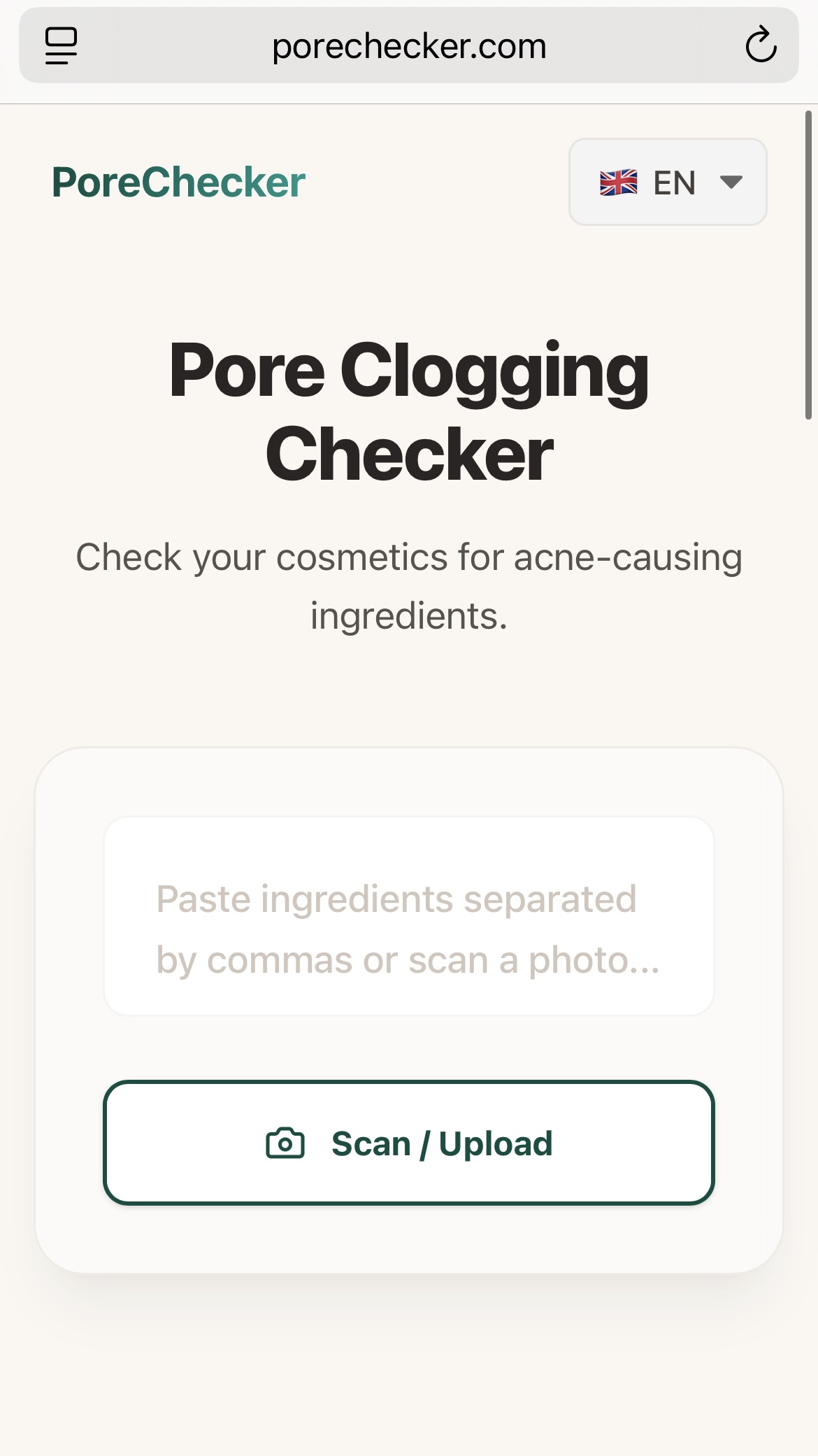
Step 1: Upload Your Product Image
Simply snap a photo of the ingredient list on the back of any bottle, jar, or box. No typing required.
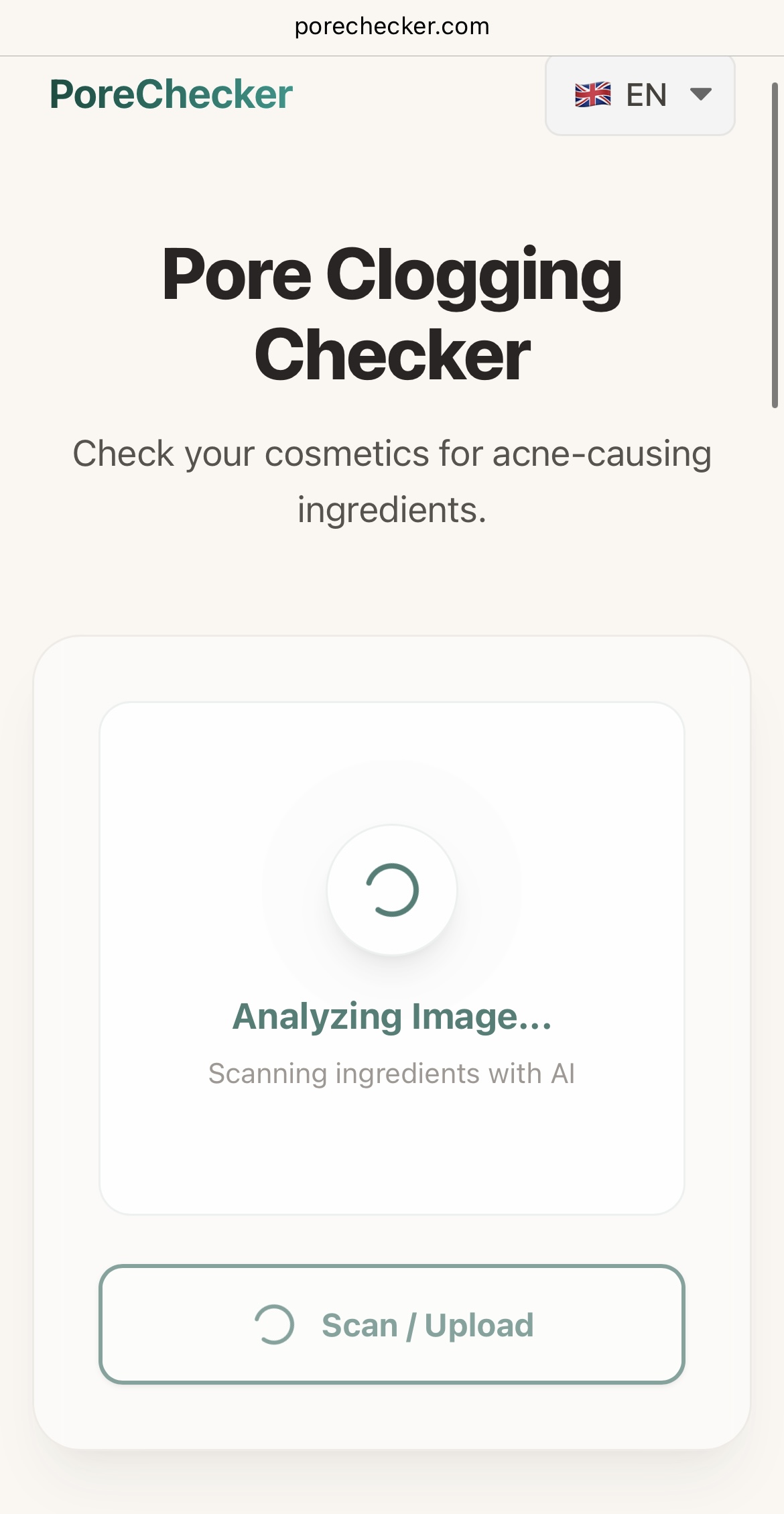
Step 2: Instant AI Ingredient Analysis
Our advanced AI scans the image, performs OCR (Optical Character Recognition), and matches every ingredient against our curated database of comedogenic substances.
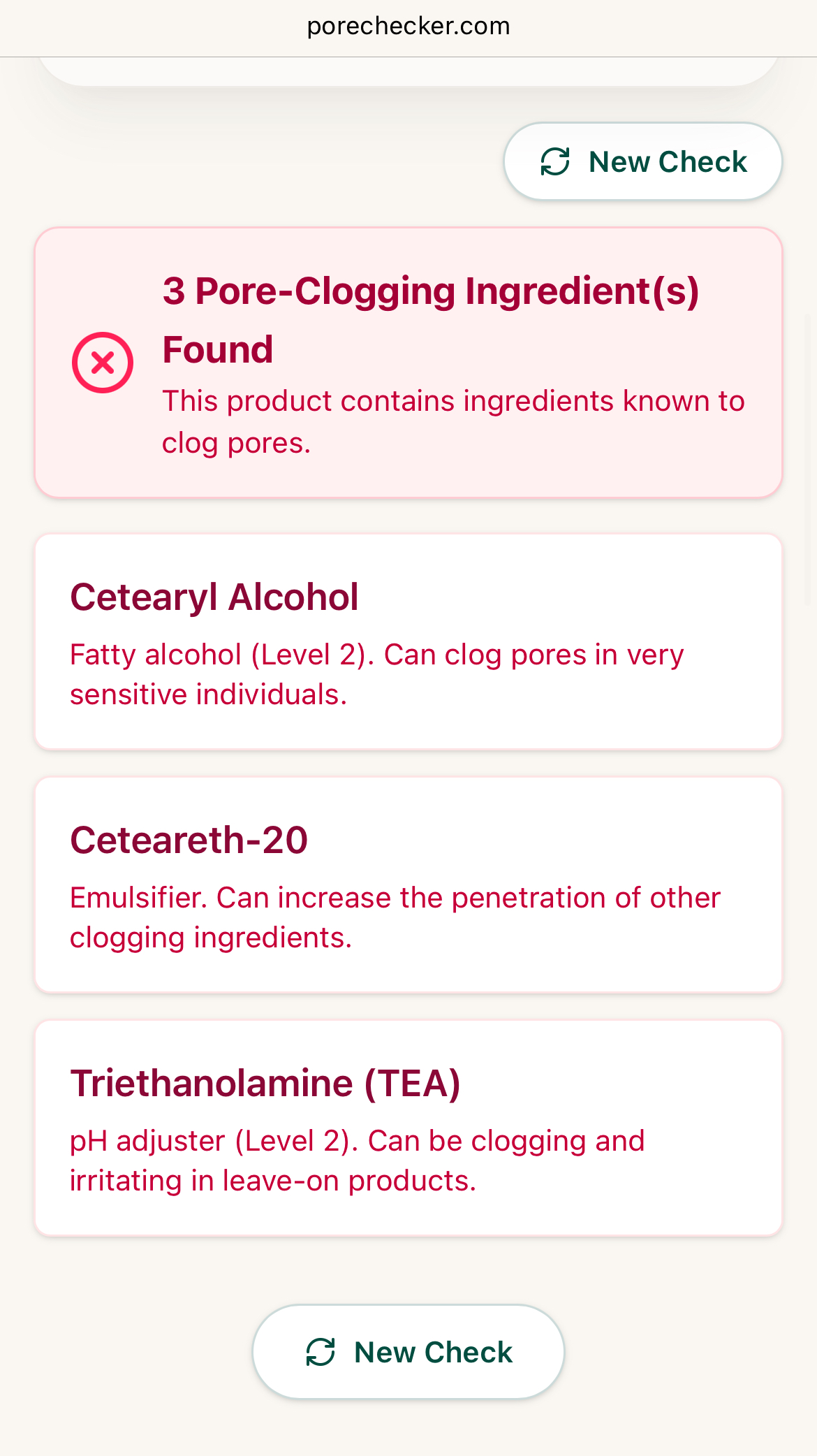
Step 3: Clear Results for Clearer Skin
You get an immediate breakdown. If any red-flag ingredients are found, we highlight them and explain why they might be problematic for your pores.
Does this product fit my skin's needs?
Check Your Products Now