How to Get Rid of Redness From Acne: A Dermatologist’s Strategy for Calm Skin
Struggling with lingering post-acne marks? Learn how to get rid of redness from acne using evidence-based skincare techniques.
The visible remnant of a resolved breakout is often more frustrating than the blemish itself. That persistent pink or purple spot, known clinically as post-inflammatory erythema (PIE), occurs when the capillaries near the skin's surface become dilated or damaged during the inflammatory phase of acne. While it can feel like your skin is permanently marked, this redness is essentially a sign of healing, though it requires specific attention to accelerate the fading process.
Effective management begins with respecting your skin barrier. When skin is inflamed, it is hyper-reactive and vulnerable to external irritants. Introducing harsh treatments or aggressive physical exfoliants often exacerbates the vascular response, leading to increased inflammation rather than relief. Prioritizing non-comedogenic, barrier-repairing ingredients is the most reliable way to neutralize redness without causing further congestion.
Targeted Ingredients for Vascular Relief
To address the underlying capillary dilation, you need ingredients that soothe the skin and reinforce the vessel walls. Niacinamide is a powerhouse in this regard; it functions as a potent anti-inflammatory agent that improves barrier function and helps to regulate sebum production. Consistent application of a 5% to 10% niacinamide serum can visibly reduce the appearance of persistent erythema over several weeks.
Sun Protection as a Healing Tool
The most overlooked step in managing acne redness is daily UV protection. Ultraviolet radiation triggers melanin production and prevents blood vessels from constricting, which effectively "locks in" the redness. Without consistent broad-spectrum SPF 30+, your post-acne marks will darken and persist significantly longer. Choose mineral-based formulas containing zinc oxide, which provides a secondary benefit by actively calming inflamed tissue.
Reducing Chronic Inflammation
Azelaic acid remains a gold-standard recommendation for post-acne marks. Beyond its ability to kill acne-causing bacteria, it acts as a mild anti-inflammatory that specifically targets redness and skin texture. It is generally well-tolerated even by sensitive skin types, making it a safer alternative to retinoids during the initial recovery phase. Use it in the evenings to quiet reactive skin while promoting healthy cell turnover.
Don't Let Your Products Ruin Your Progress
Even with a rigorous plan to treat your skin, you might accidentally perpetuate the cycle of irritation and breakouts by using products that contain hidden, pore-clogging ingredients. Many lotions and serums marketed for "sensitive" or "calm" skin still contain fatty acids or heavy oils that can trigger fresh congestion, rendering your soothing efforts ineffective. Before you finalize your new routine, it is essential to verify that every formula you apply is truly non-comedogenic, as even one offending ingredient can keep your skin in a state of chronic inflammation that prevents those red marks from ever truly fading.
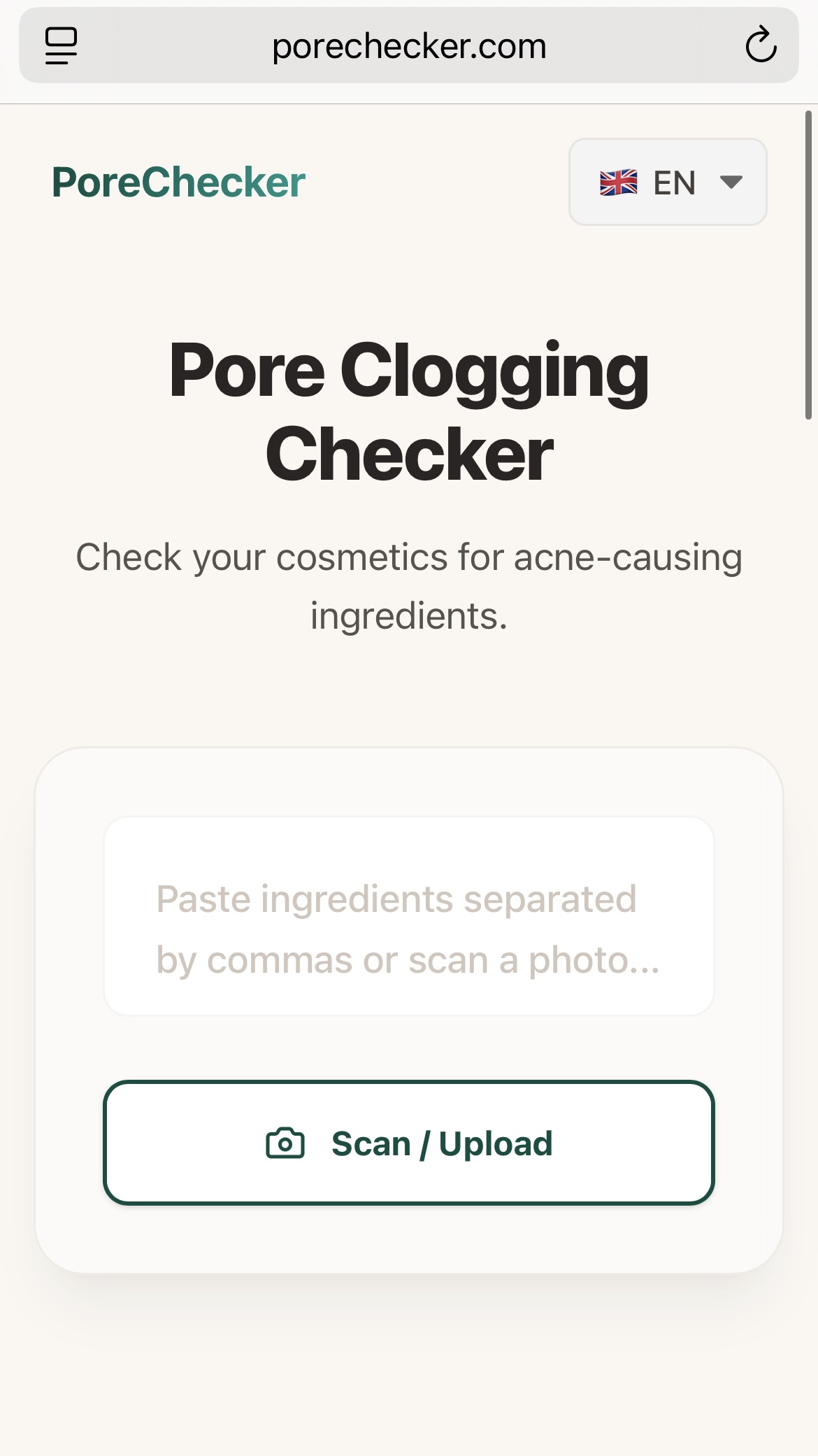
Step 1: Upload Your Product Image
Simply snap a photo of the ingredient list on the back of any bottle, jar, or box. No typing required.
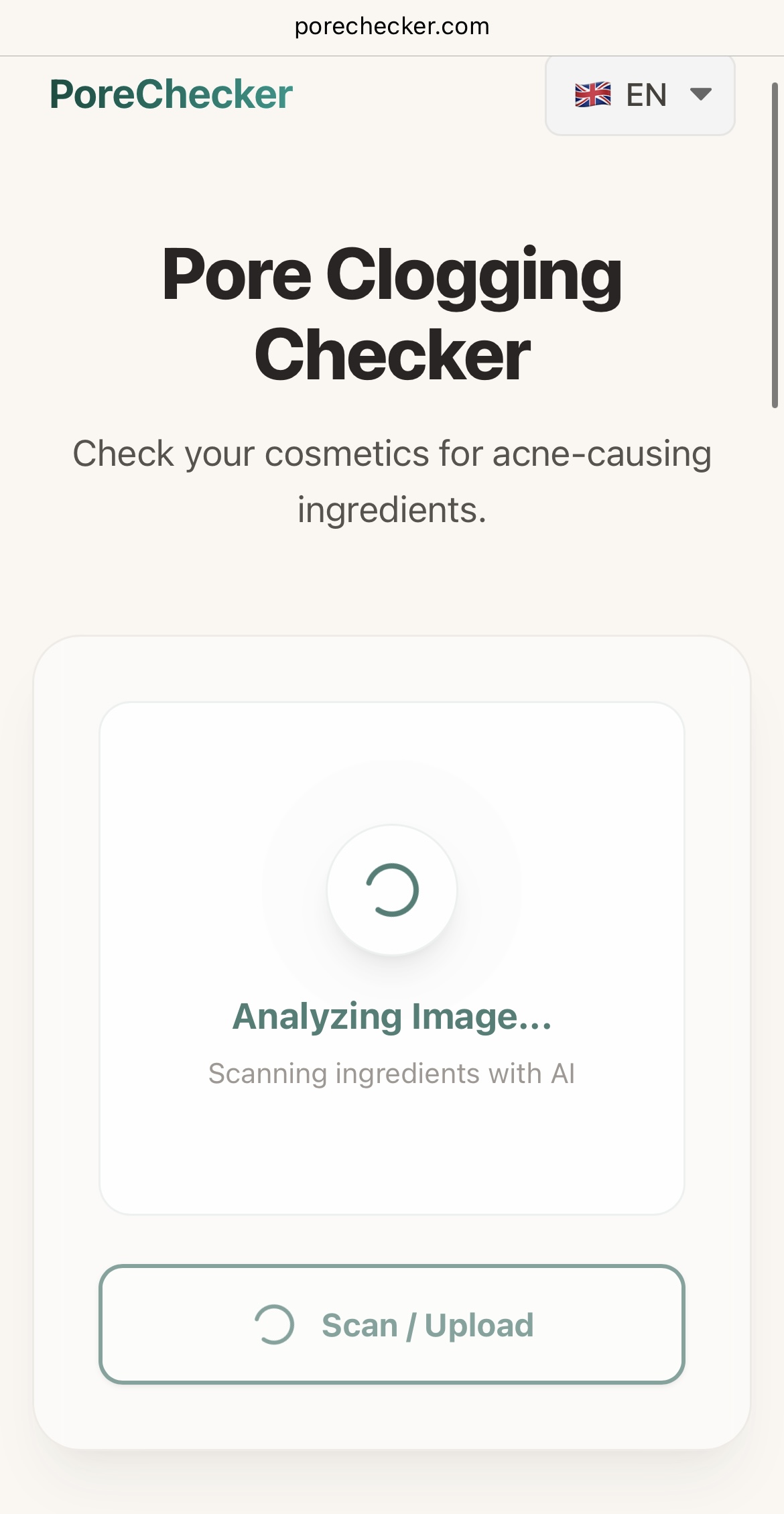
Step 2: Instant AI Ingredient Analysis
Our advanced AI scans the image, performs OCR (Optical Character Recognition), and matches every ingredient against our curated database of comedogenic substances.
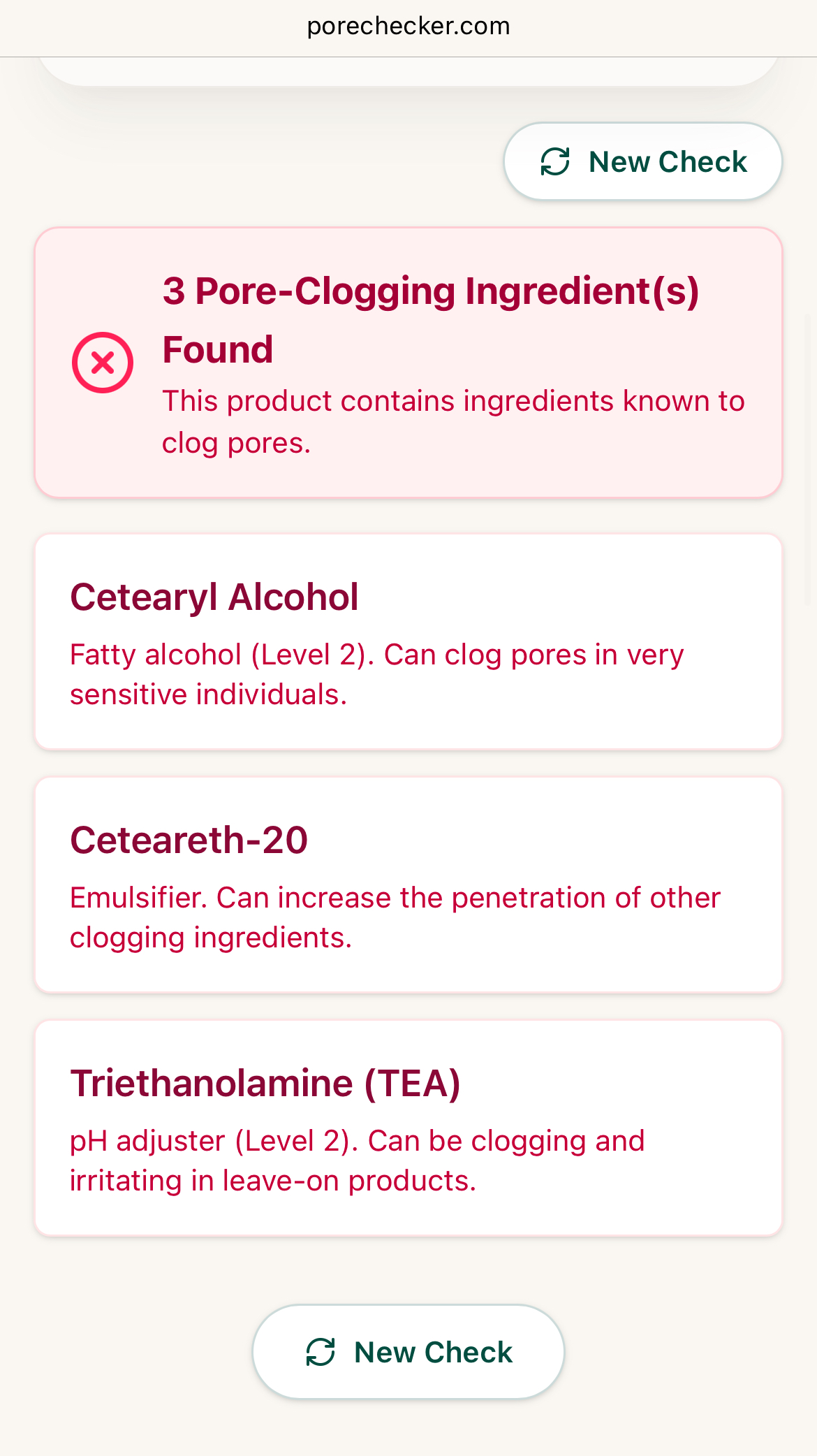
Step 3: Clear Results for Clearer Skin
You get an immediate breakdown. If any red-flag ingredients are found, we highlight them and explain why they might be problematic for your pores.
Does this product fit my skin's needs?
Check Your Products Now