How to Help Baby Acne: Gentle Care for Your Little One’s Skin
Noticed small bumps on your newborn’s face? Don’t panic! Learn how to help baby acne with safe, gentle methods and understand why it’s a normal part of development.
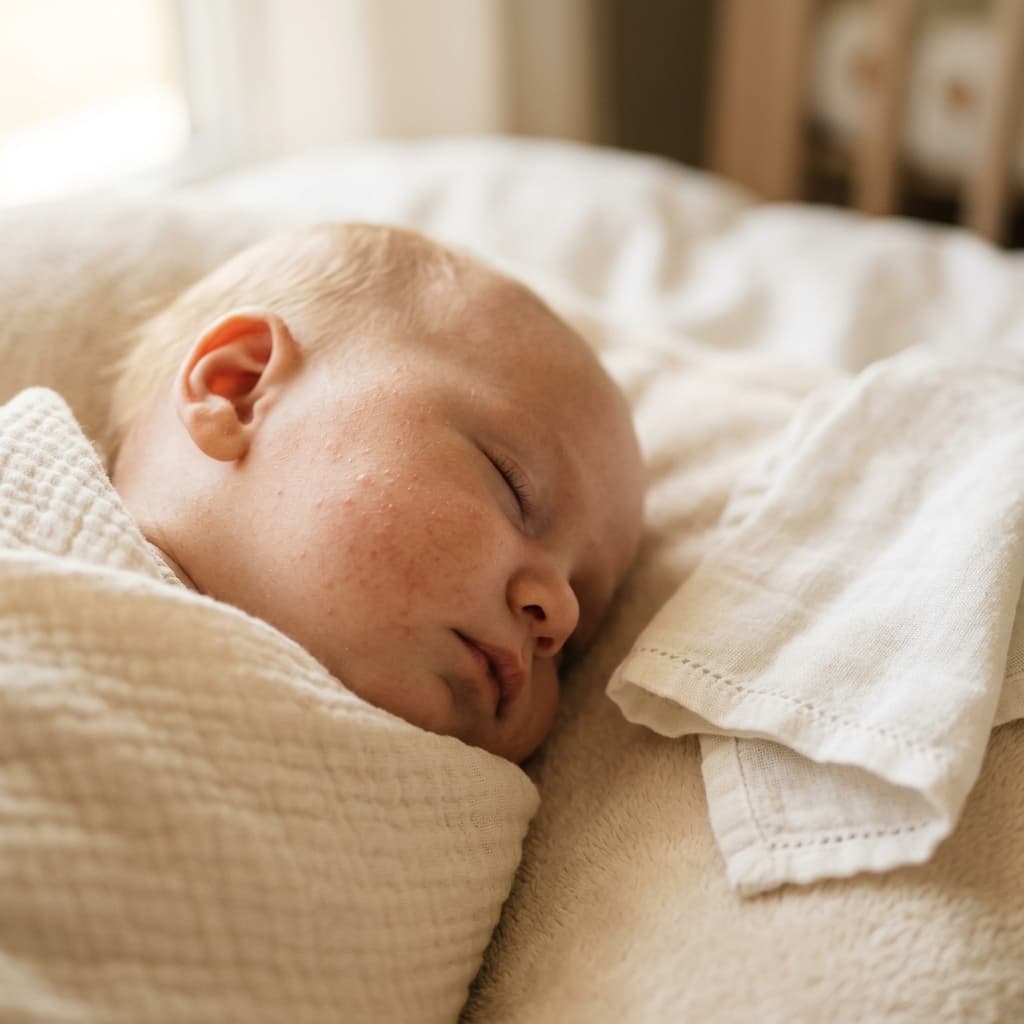
Seeing breakouts on your newborn's beautiful, soft face can be alarming for any parent. However, "baby acne" (neonatal acne) is incredibly common, affecting about 20% of newborns. It usually appears around two to four weeks of age. If you're wondering "how to help baby acne," the most important thing to know is that it is almost always a temporary, harmless condition caused by maternal hormones still circulating in the baby's system. With the right gentle approach, you can support your baby's skin while it naturally clears on its own.
Why Does Baby Acne Happen?
Unlike adult acne, baby acne isn't caused by poor hygiene or "clogged pores" in the traditional sense. Instead, it's thought to be a reaction to the hormones the baby received from the mother at the end of pregnancy. These hormones stimulate the baby's oil glands, leading to small red or white bumps on the cheeks, nose, and forehead. Since their skin is so delicate, even minor hormonal shifts can show up visibly.
How to Help Baby Acne Safely
When it comes to infant skin, less is almost always more. Follow these safe, gentle tips:
- Keep it Clean and Dry: Simply wash your baby's face once a day with warm water and a very mild, fragrance-free baby soap. Gently pat the skin dry with a soft cloth—never rub.
- Avoid "Adult" Acne Products: Never use over-the-counter acne treatments, oils, or heavy lotions on a baby. Their skin barrier is extremely thin and can be easily damaged or irritated by these products.
- Don't Squeeze or Scrub: Just like with adult acne, picking or scrubbing will only cause irritation and potentially lead to an infection.
- Be Patient: Most cases of baby acne resolve themselves within a few weeks or months without any treatment at all.
When to Consult a Pediatrician
While baby acne is usually harmless, you should talk to your doctor if:
- The bumps look yellow or crusty (which could indicate a secondary infection).
- The rash seems to be causing the baby discomfort or itching.
- The acne persists well beyond the first six months of life.
- Your baby develops a fever along with the rash.
Summary
Knowing how to help baby acne is mostly about knowing when to step back. By keeping the skin clean and avoiding harsh products, you are providing the best environment for your baby's skin to find its balance. Enjoy this time with your little one, and rest assured that those tiny bumps are just a passing phase on the road to healthy, clear skin.
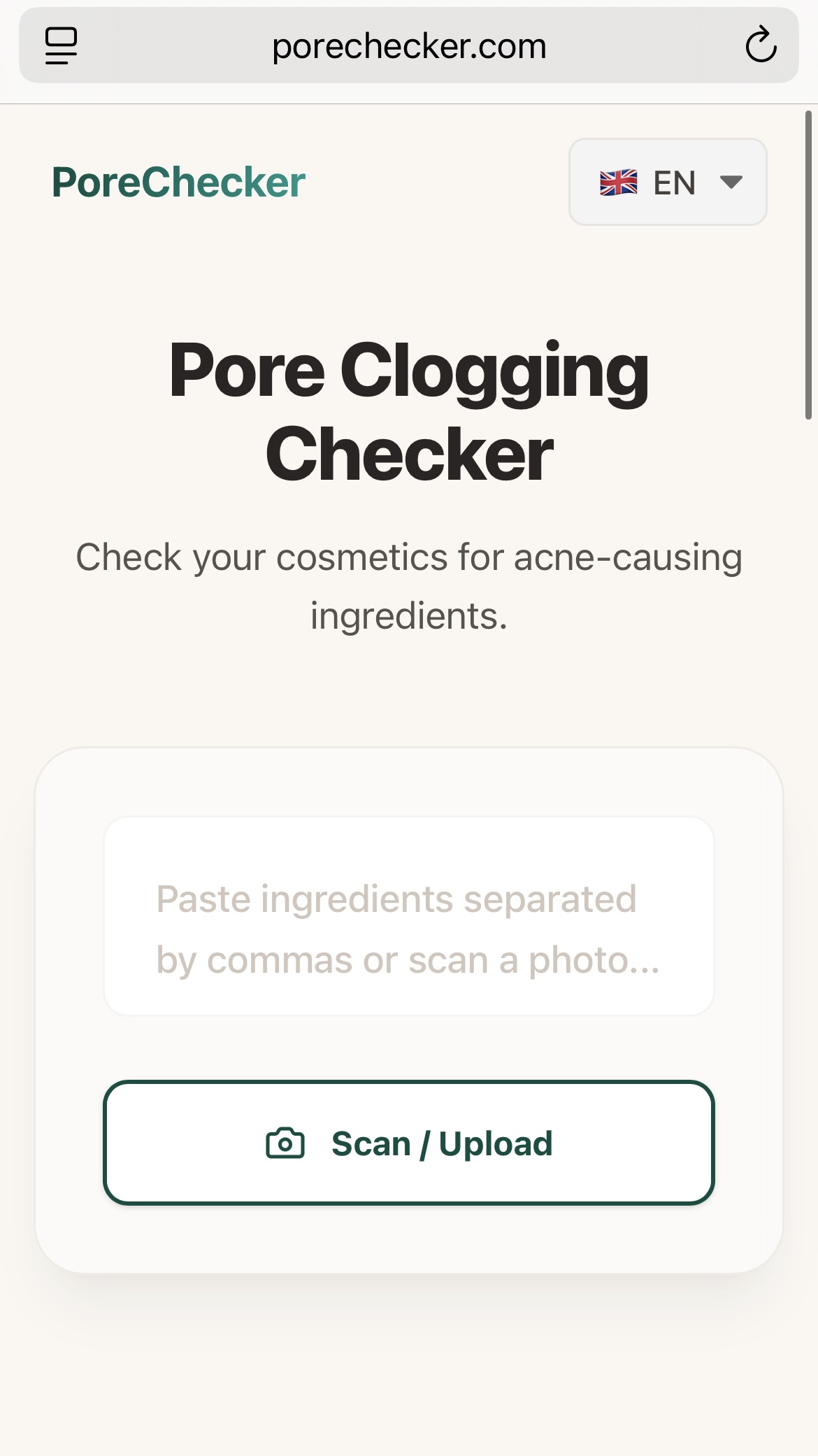
Step 1: Upload Your Product Image
Simply snap a photo of the ingredient list on the back of any bottle, jar, or box. No typing required.
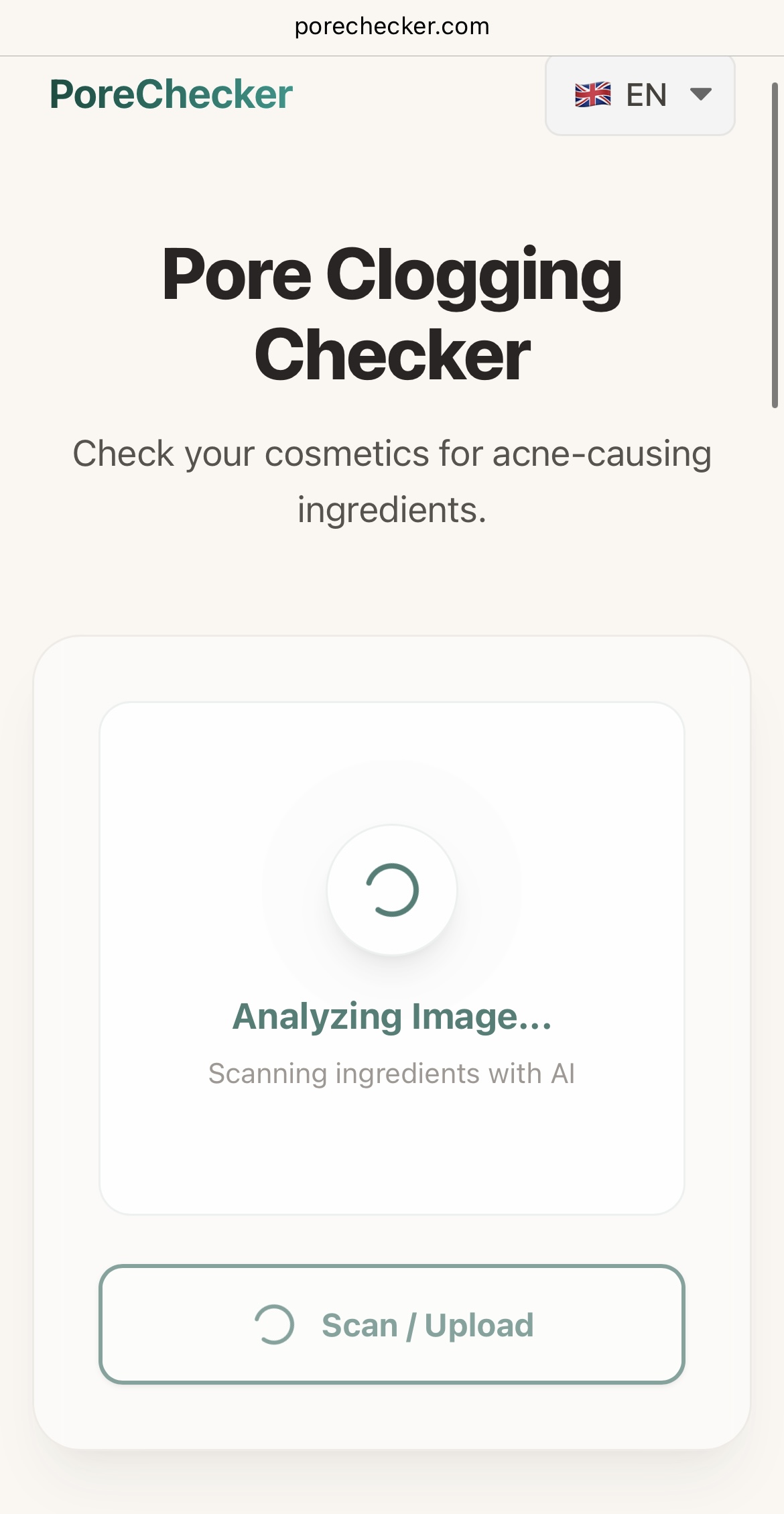
Step 2: Instant AI Ingredient Analysis
Our advanced AI scans the image, performs OCR (Optical Character Recognition), and matches every ingredient against our curated database of comedogenic substances.
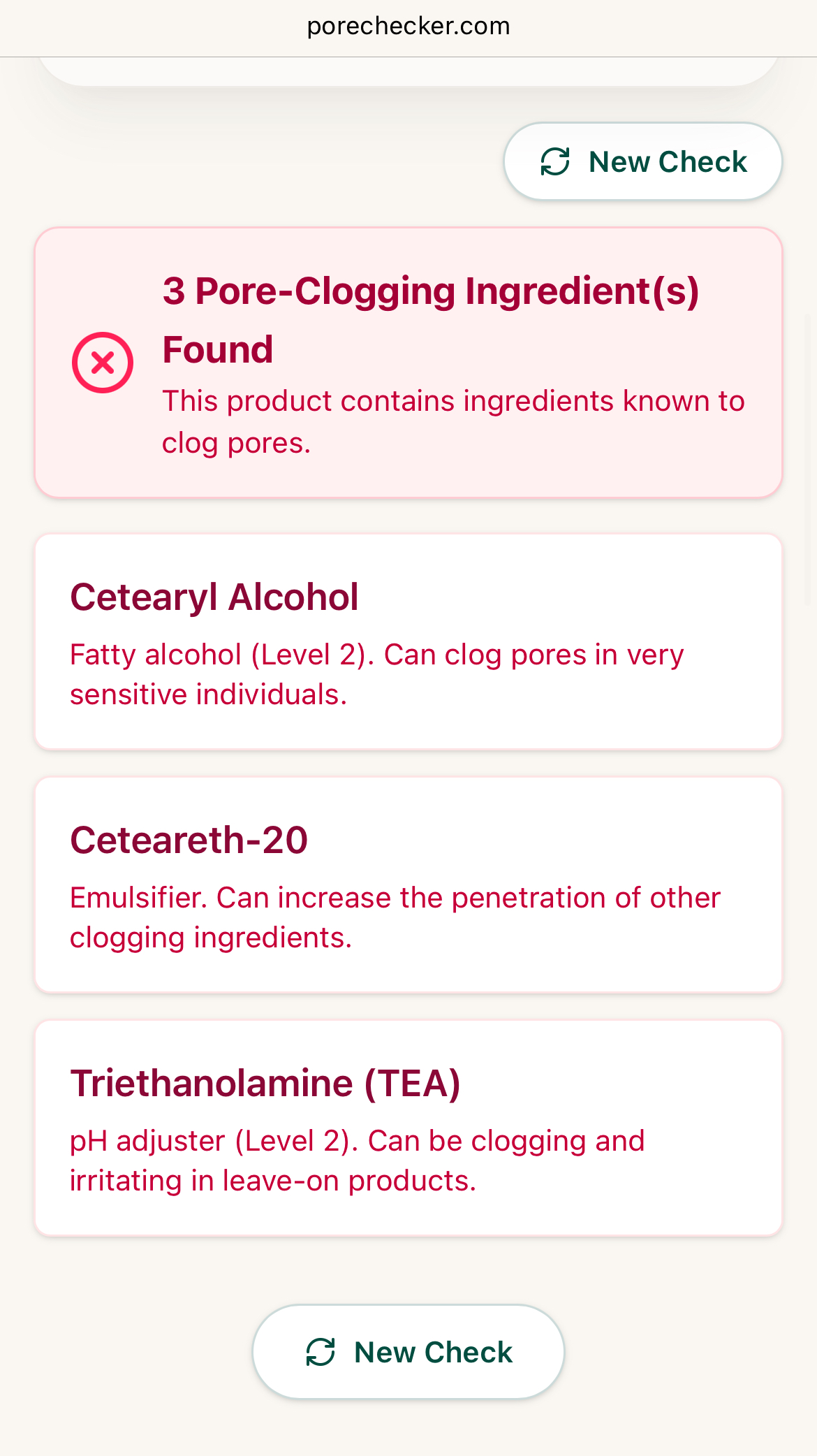
Step 3: Clear Results for Clearer Skin
You get an immediate breakdown. If any red-flag ingredients are found, we highlight them and explain why they might be problematic for your pores.
Does this product fit my skin's needs?
Check Your Products Now