How to Know if You Have Fungal Acne: Identifying Malassezia
Using every acne treatment available but still breaking out in tiny, itchy bumps? You might be treating the wrong condition. Learn how to identify fungal acne.
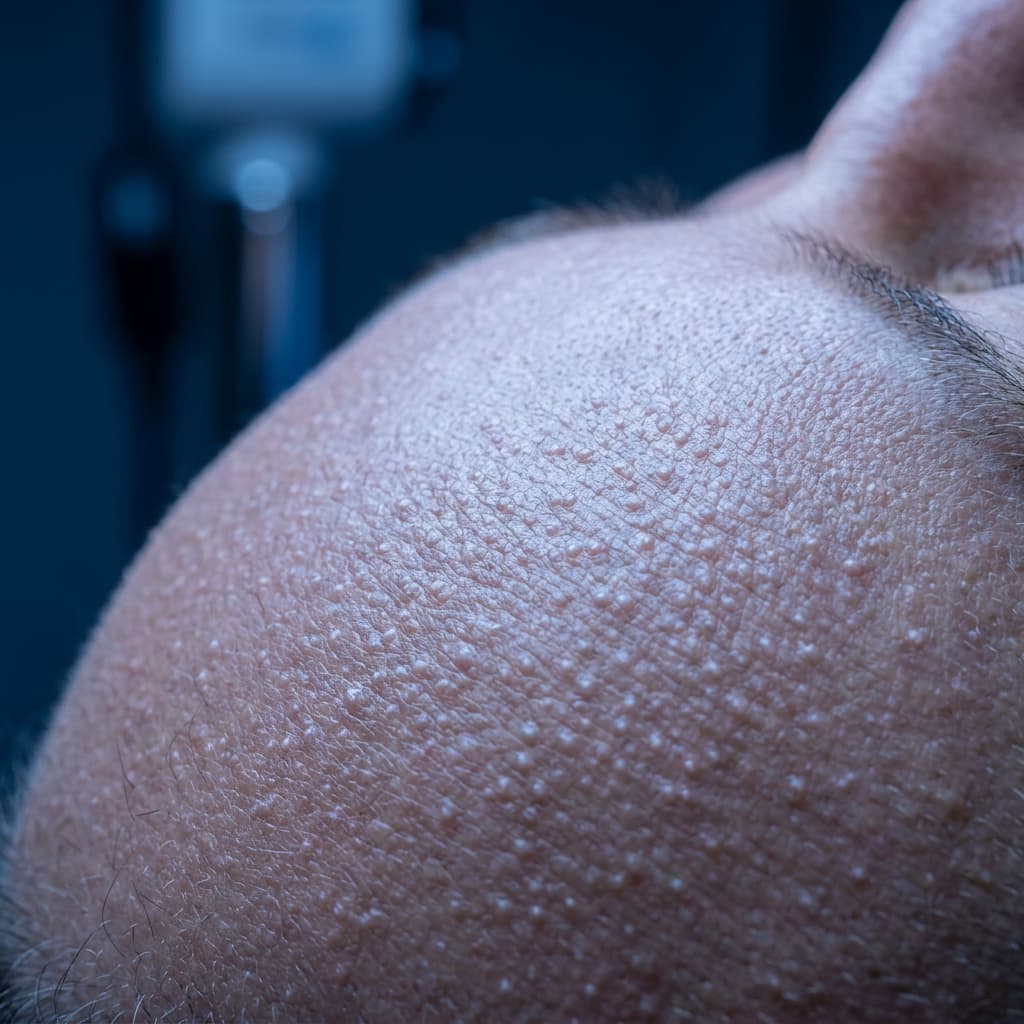
It looks like acne, it feels like acne, but standard acne treatments only seem to make it worse. If this sounds familiar, you might not be dealing with regular acne at all. "Fungal acne" is technically a misnomer; its medical name is Malassezia folliculitis. It's caused by an overgrowth of yeast (a type of fungus), not bacteria. Because the root cause is entirely different, traditional antibacterial treatments will fail. If you're wondering "how to know if you have fungal acne," there are several key identifying features.
The Telltale Signs of Fungal Acne
Malassezia behaves differently than standard *C. acnes* bacteria. Look for these specific patterns:
- Uniformity: Regular acne presents as a mix of blackheads, whiteheads, and deep cysts of varying sizes. Fungal acne typically looks like a cluster of tiny, uniform, identical red bumps or small whiteheads.
- The "Itch" Factor: This is often the biggest clue. Regular pimples might hurt or throb, but they rarely itch. Fungal acne is notoriously itchy.
- Location: While it can appear on the face (especially the forehead and hairline), it is extremely common on the chest, back, and shoulders, particularly where sweat accumulates.
- Resistance to Treatment: If you've tried Benzoyl Peroxide, Salicylic Acid, and oral antibiotics with zero improvement—or if antibiotics actually made it *worse*—fungus is a strong suspect.
Why Do Standard Treatments Make It Worse?
Your skin has a delicate microbiome consisting of both bacteria and yeast that normally keep each other in check. When you use antibiotics (either topical or oral) to treat perceived acne, you kill off the bacteria. With the bacteria gone, the yeast has no competition and rapidly overgrows, causing a massive Malassezia flare-up.
The Definitive Test
The only way to know with 100% certainty is to visit a dermatologist. They can scrape a small sample from a bump and examine it under a microscope or culture it to definitively identify the presence of Malassezia yeast.
Summary
How to know if you have fungal acne comes down to observation: are the bumps tiny, uniform, itchy, and completely resistant to typical acne washes? If so, you need to pivot your routine. You must switch to an entirely fungal-acne-safe skincare routine (avoiding oils and fatty acids that feed the yeast) and look into antifungal treatments, such as Ketoconazole shampoos or prescription creams.
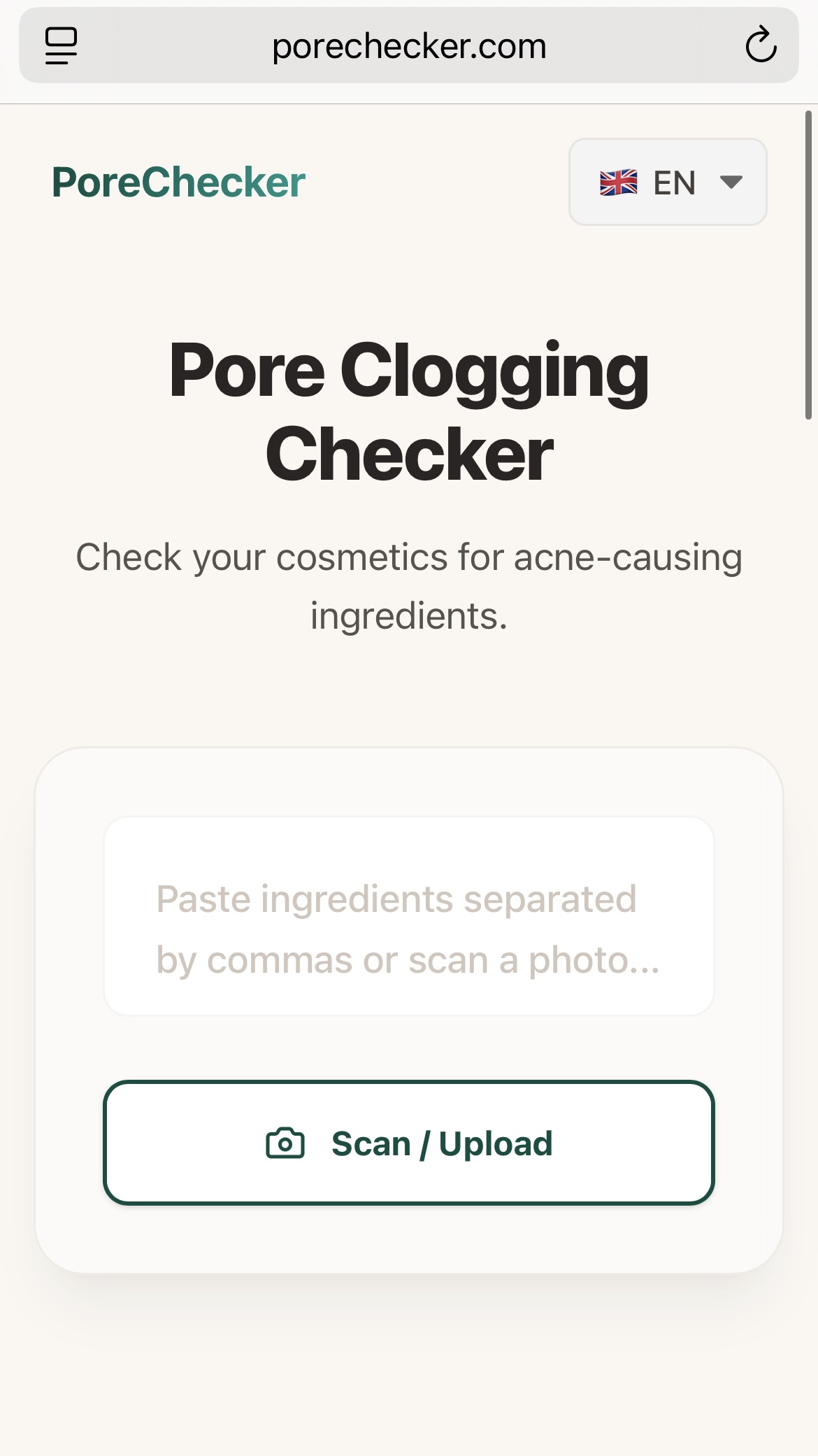
Step 1: Upload Your Product Image
Simply snap a photo of the ingredient list on the back of any bottle, jar, or box. No typing required.
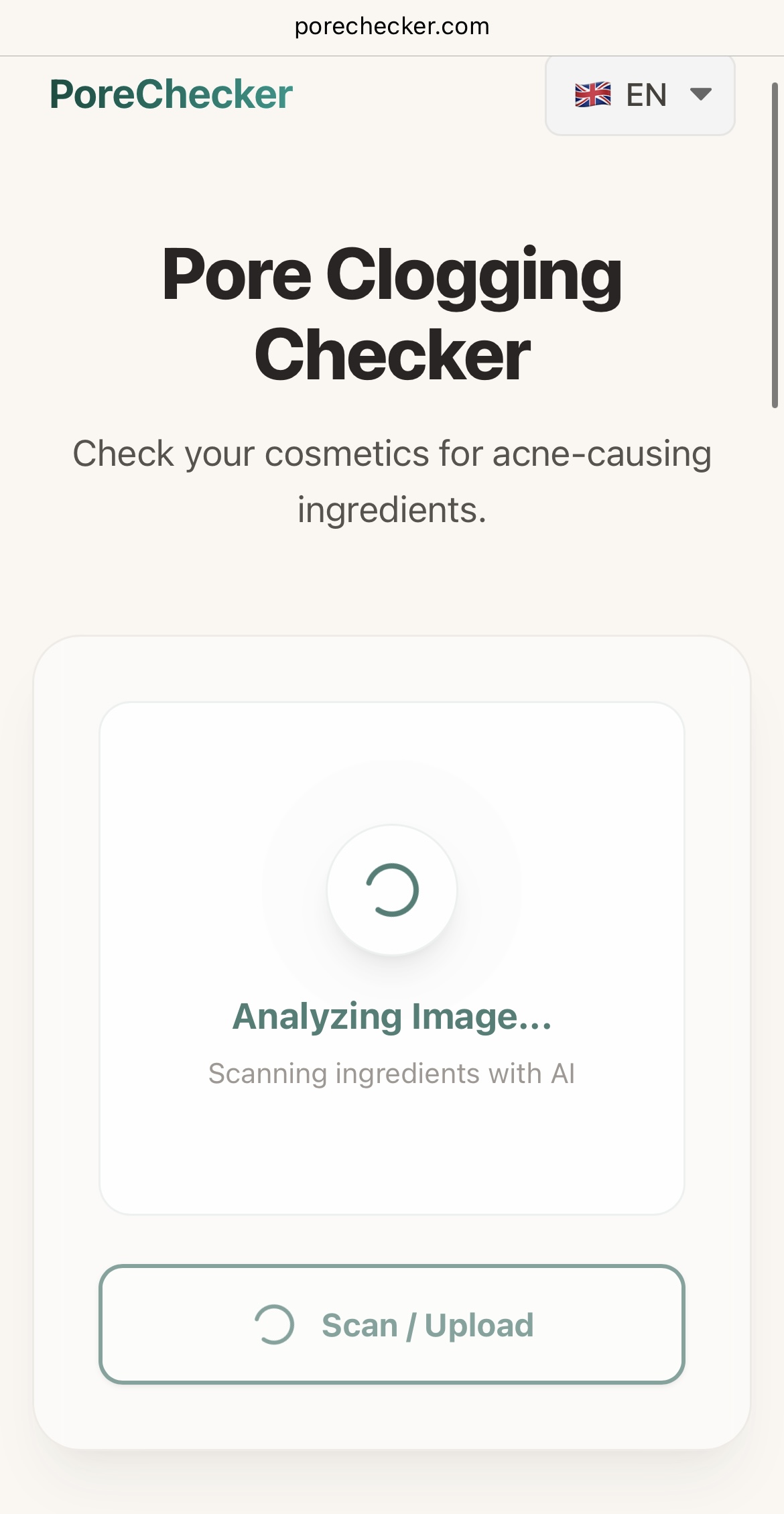
Step 2: Instant AI Ingredient Analysis
Our advanced AI scans the image, performs OCR (Optical Character Recognition), and matches every ingredient against our curated database of comedogenic substances.
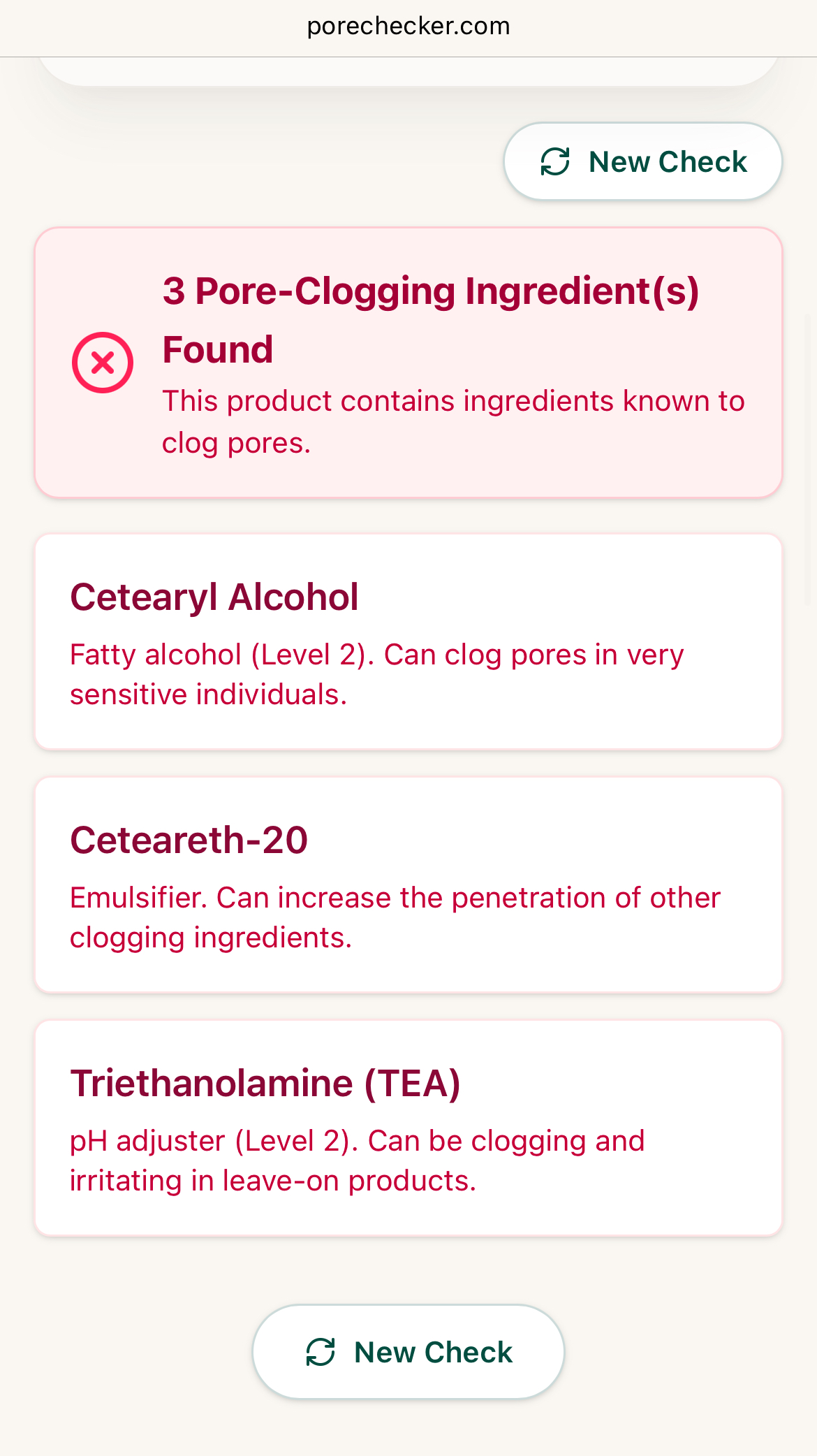
Step 3: Clear Results for Clearer Skin
You get an immediate breakdown. If any red-flag ingredients are found, we highlight them and explain why they might be problematic for your pores.
Does this product fit my skin's needs?
Check Your Products Now