How to Remove Pores From Face: A Dermatologist's Guide to Clear Skin
Learn how to remove pores from face with expert advice! Discover science-backed skincare routines to minimize pores & achieve clearer, healthier skin.

The quest for flawless skin often leads us down the rabbit hole of pore size. We see them, we scrutinize them, and sometimes, we even obsess over them. While it’s impossible to completely "remove" pores – they're a fundamental part of our skin's structure, responsible for releasing sebum (oil) and housing hair follicles – we *can* significantly minimize their appearance and maintain clear, healthy skin. This journey, however, begins with understanding that not all skincare is created equal. The key is embracing a non-comedogenic approach, meaning we actively choose products that won't clog pores.
Clogged pores often manifest as blackheads, whiteheads, and even inflamed acne. These unwelcome guests are frequently the result of excess oil, dead skin cells, and debris accumulating within the pore. By adopting a consistent skincare routine focused on gentle exfoliation, proper cleansing, and the use of non-comedogenic products, we can drastically improve the appearance of pores and achieve a smoother, more radiant complexion. This isn't about unrealistic perfection; it's about optimizing your skin's health and boosting your confidence.
Remember, patience is paramount. Skin changes don’t happen overnight, and consistency is crucial for seeing real results. The following strategies, based on scientific principles and clinical best practices, will guide you towards a clearer, more refined skin texture.
The Foundation: Effective Cleansing
Cleansing is the cornerstone of any effective skincare routine, especially when targeting pore size. The goal here is to remove impurities – excess oil, makeup, environmental pollutants – that can contribute to pore blockage. Opt for a gentle, pH-balanced cleanser designed for your skin type. Avoid harsh cleansers that can strip the skin of its natural oils, leading to overproduction of sebum, which can make the problem worse.
Double Cleansing: A Game Changer
Consider incorporating double cleansing into your evening routine. Start with an oil-based cleanser to dissolve makeup, sunscreen, and oil-based impurities. Follow with a water-based cleanser to remove any remaining residue and cleanse the skin thoroughly. Ensure your hands are clean before washing your face. Pat dry with a soft towel; avoid rubbing.
Exfoliation: Unclogging the Pipeline
Regular exfoliation is essential for removing dead skin cells that can clog pores. There are two main types of exfoliants: physical and chemical. Physical exfoliants, such as scrubs, use granules to manually remove dead skin cells. However, they can sometimes be too harsh and cause micro-tears in the skin, so they should be used sparingly, if at all. Chemical exfoliants, like AHAs (alpha-hydroxy acids, such as glycolic or lactic acid) and BHAs (beta-hydroxy acids, such as salicylic acid), are generally more effective and gentler.
Embrace the Power of BHAs
Salicylic acid, a BHA, is particularly effective at penetrating pores and dissolving sebum. It's a key ingredient in many pore-refining products. Start with a low concentration and gradually increase as tolerated. AHAs are useful for exfoliating the surface of the skin and promoting cell turnover. Using these products correctly and consistently will prevent dead skin cell buildup.
Targeted Treatments: Beyond the Basics
Once you have a solid foundation of cleansing and exfoliation, you can incorporate targeted treatments. Retinoids, derived from vitamin A, are known for their ability to promote cell turnover, unclog pores, and reduce the appearance of fine lines and wrinkles. Start slowly and use them at night, as they can increase sun sensitivity. Niacinamide, a form of vitamin B3, can help regulate oil production, minimize pore appearance, and reduce inflammation. Look for serums with a concentration of 2-5% for optimal results.
Clay Masks: A Weekly Detox
Clay masks, particularly those containing bentonite or kaolin clay, can help absorb excess oil and impurities from the pores. Use them once or twice a week to maintain a clear complexion. However, don’t overuse clay masks, as they can be drying. Always follow with a moisturizer suitable for your skin type.
Sun Protection: The Unsung Hero
Sunscreen is not just for preventing sun damage; it’s crucial for maintaining overall skin health and minimizing the appearance of pores. Sun exposure can damage collagen and elastin, leading to enlarged pores. Choose a broad-spectrum sunscreen with an SPF of 30 or higher, and apply it daily, even on cloudy days. Look for a non-comedogenic formula.
Hydration: The Balancing Act
Contrary to popular belief, oily skin still needs hydration. Dehydrated skin can produce more oil to compensate, potentially exacerbating pore problems. Choose a lightweight, oil-free moisturizer with ingredients like hyaluronic acid to hydrate the skin without clogging pores. Drink plenty of water to maintain overall hydration.
Don't Let Your Products Ruin Your Progress
Building a skincare routine that targets pore size is an ongoing process, and the products you choose play a huge role in your success. However, the wrong products can undo all of your hard work. Hidden ingredients in your cleansers, moisturizers, and even sunscreens could be contributing to those frustrating breakouts and enlarged pores. That's why carefully checking product labels and understanding ingredient lists is crucial. Luckily, there are simple tools available to help you identify pore-clogging offenders, allowing you to curate a routine that works *with* your skin, not against it.
Step 1: Upload Your Product Image
Simply snap a photo of the ingredient list on the back of any bottle, jar, or box. No typing required.
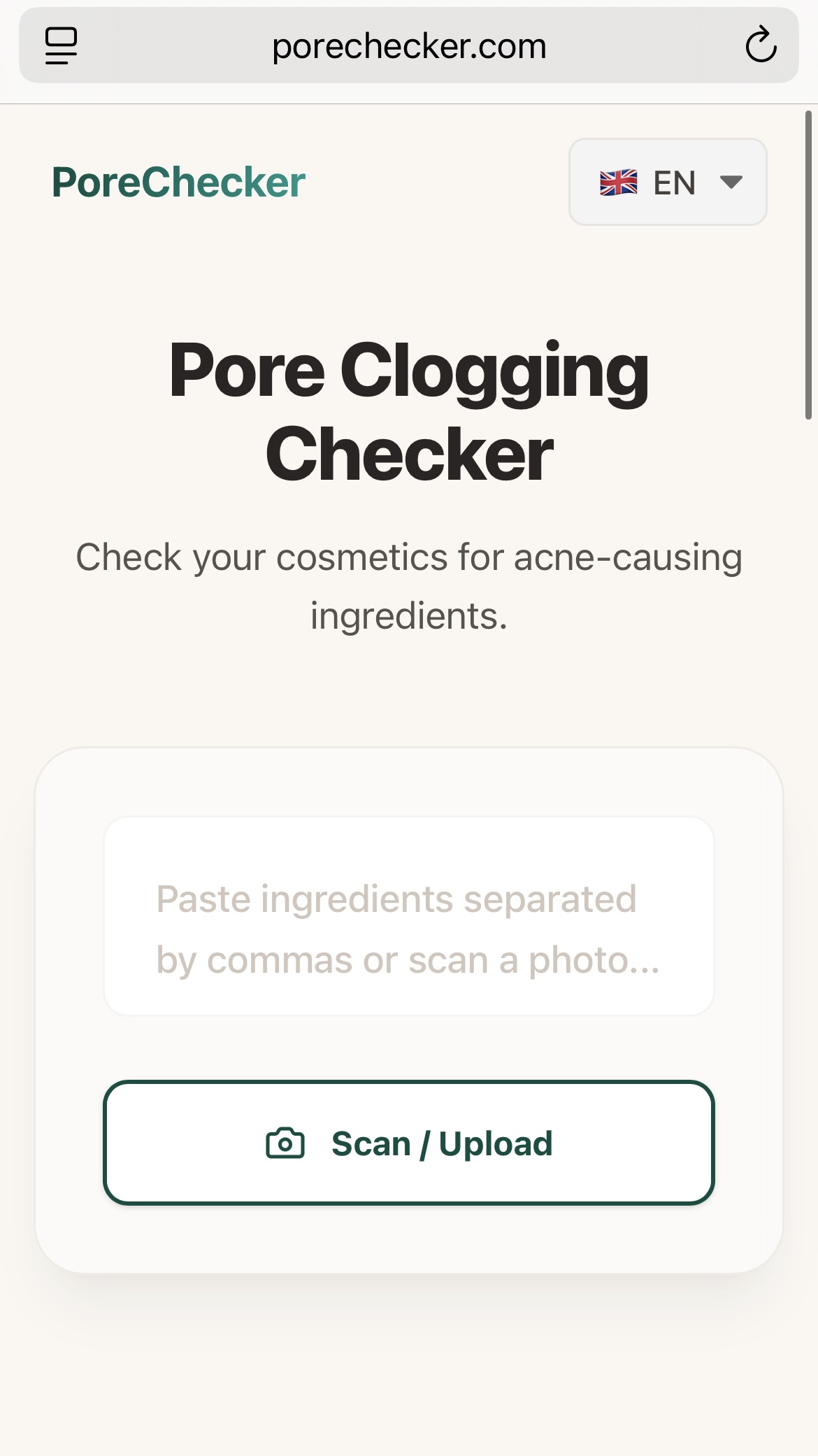
Step 2: Instant AI Ingredient Analysis
Our advanced AI scans the image, performs OCR (Optical Character Recognition), and matches every ingredient against our curated database of comedogenic substances.

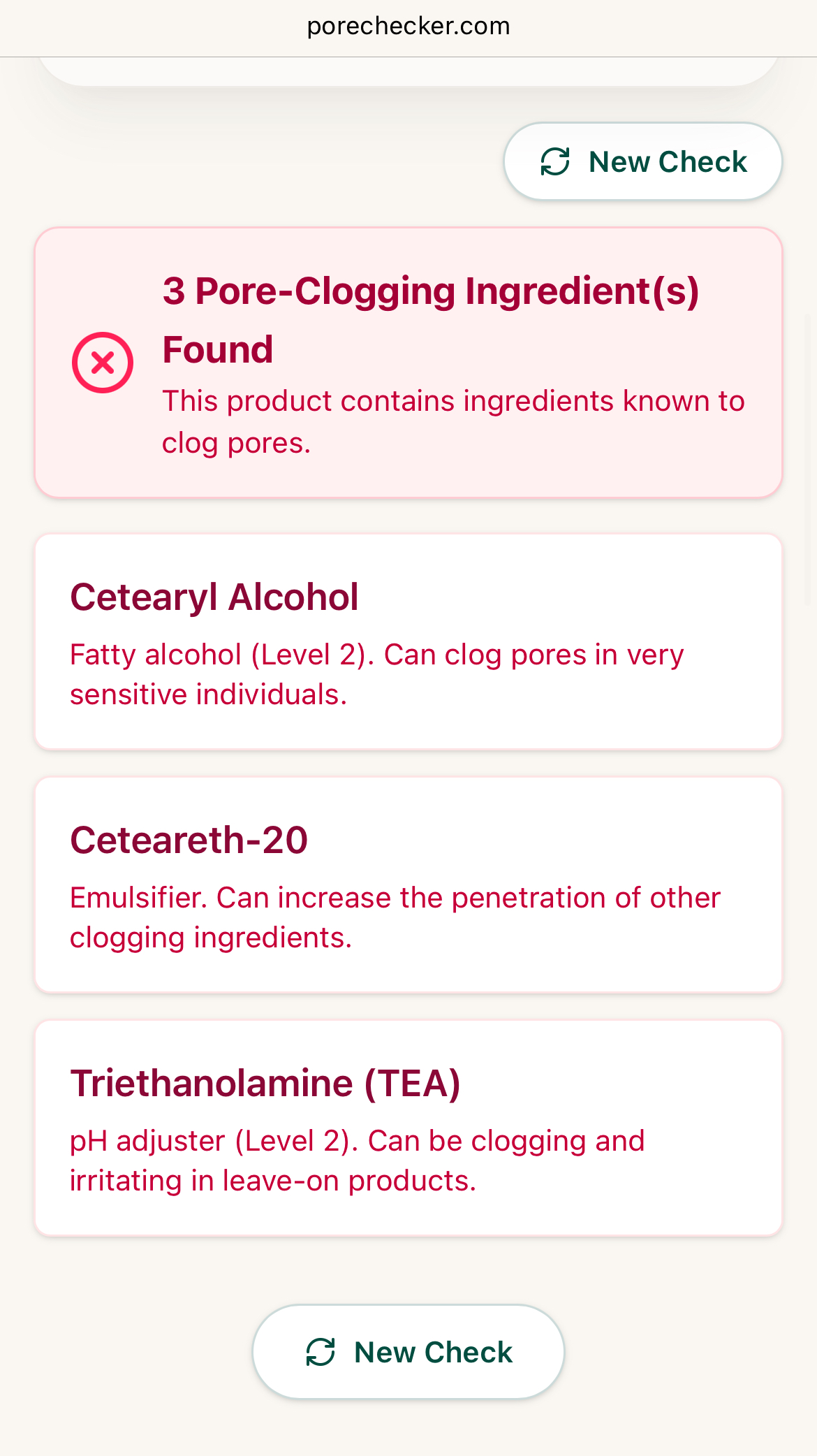
Step 3: Clear Results for Clearer Skin
You get an immediate breakdown. If any red-flag ingredients are found, we highlight them and explain why they might be problematic for your pores.
Does this product fit my skin's needs?
Check Your Products Now