How to Shrink Pores on Nose: Expert Strategies for a Refined Texture
Frustrated by visible pores? Learn how to shrink pores on the nose with expert-approved ingredients and habits for clearer skin.
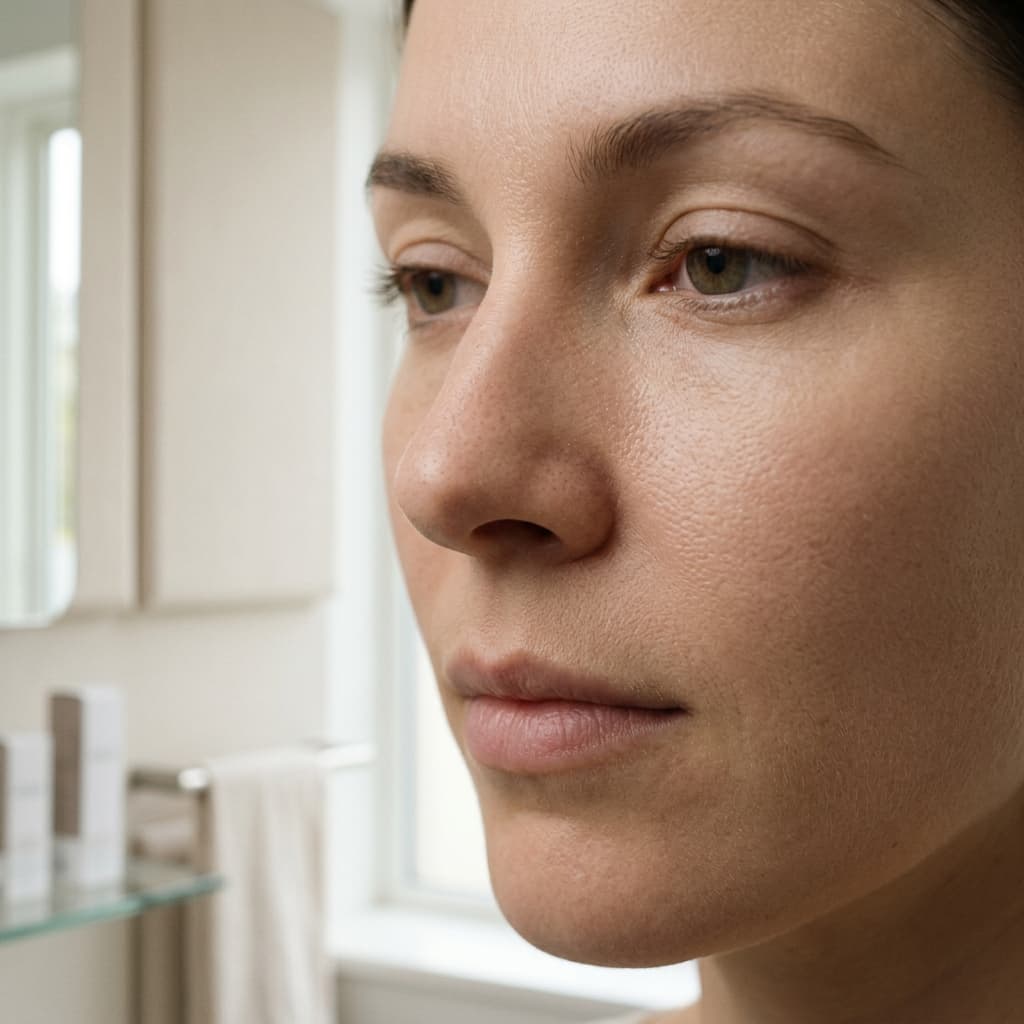
The desire for a smooth, porcelain-like nose texture is one of the most common concerns I address in my dermatology practice. It is essential to start with a fundamental truth: you cannot biologically shrink the physical size of a pore, as they are essential openings for hair follicles and sebum production. However, you can significantly improve their appearance, minimize congestion, and tighten the surrounding skin to make them look virtually invisible.
Achieving this requires a shift away from aggressive scrubs and pore strips, which often cause micro-tears and chronic irritation. Instead, the focus must be on maintaining a clear, non-comedogenic routine that balances oil production without compromising the moisture barrier. When the skin is adequately hydrated and free of oxidized debris, the pores appear smaller, tighter, and significantly more refined.
The Role of Chemical Exfoliation
Rather than physically scrubbing away at the skin, chemical exfoliation is the gold standard for refining nose pores. Beta Hydroxy Acids, specifically Salicylic Acid, are oil-soluble, meaning they can dive deep into the pore lining to dissolve hardened sebum and dead skin cells. By keeping the canal clear, you prevent the stretching that happens when oil becomes trapped and oxidizes into a dark, visible blackhead.
Targeted Ingredient Pairing
For those seeking to refine texture, incorporating a retinoid is equally vital. Retinoids increase cell turnover, ensuring that pore linings do not become clogged with cellular debris in the first place. When paired with a gentle clay mask once weekly—kaolin or bentonite are excellent choices—you create an environment where oil is managed effectively, leading to a visible reduction in the appearance of pore size.
Common Culprits in Pore Congestion
Beyond active treatment, your daily habits play a major role in how your pores behave. Heavy silicones, specific waxes, and certain emollients found in foundations or sunscreens can act as "pore-fillers" that trap heat and bacteria. If your skin is prone to congestion, look for labels explicitly stating they are non-comedogenic and oil-free. Even products marketed for "sensitive skin" can contain hidden triggers that silently encourage the enlargement of pores over time.
Don't Let Your Products Ruin Your Progress
Even with a consistent routine, the efficacy of your efforts can be undermined by the very products intended to help. Many skincare formulations contain ingredients that, while safe for the general population, are highly occlusive and comedogenic for those struggling with enlarged nose pores. Using an improper moisturizer or a heavy sunscreen can counteract the work of your salicylic acid or retinoid by re-clogging the follicles faster than you can clear them. Before committing to your next skincare purchase, verify that every ingredient in your routine is truly compatible with your skin type to ensure your progress remains uninterrupted.
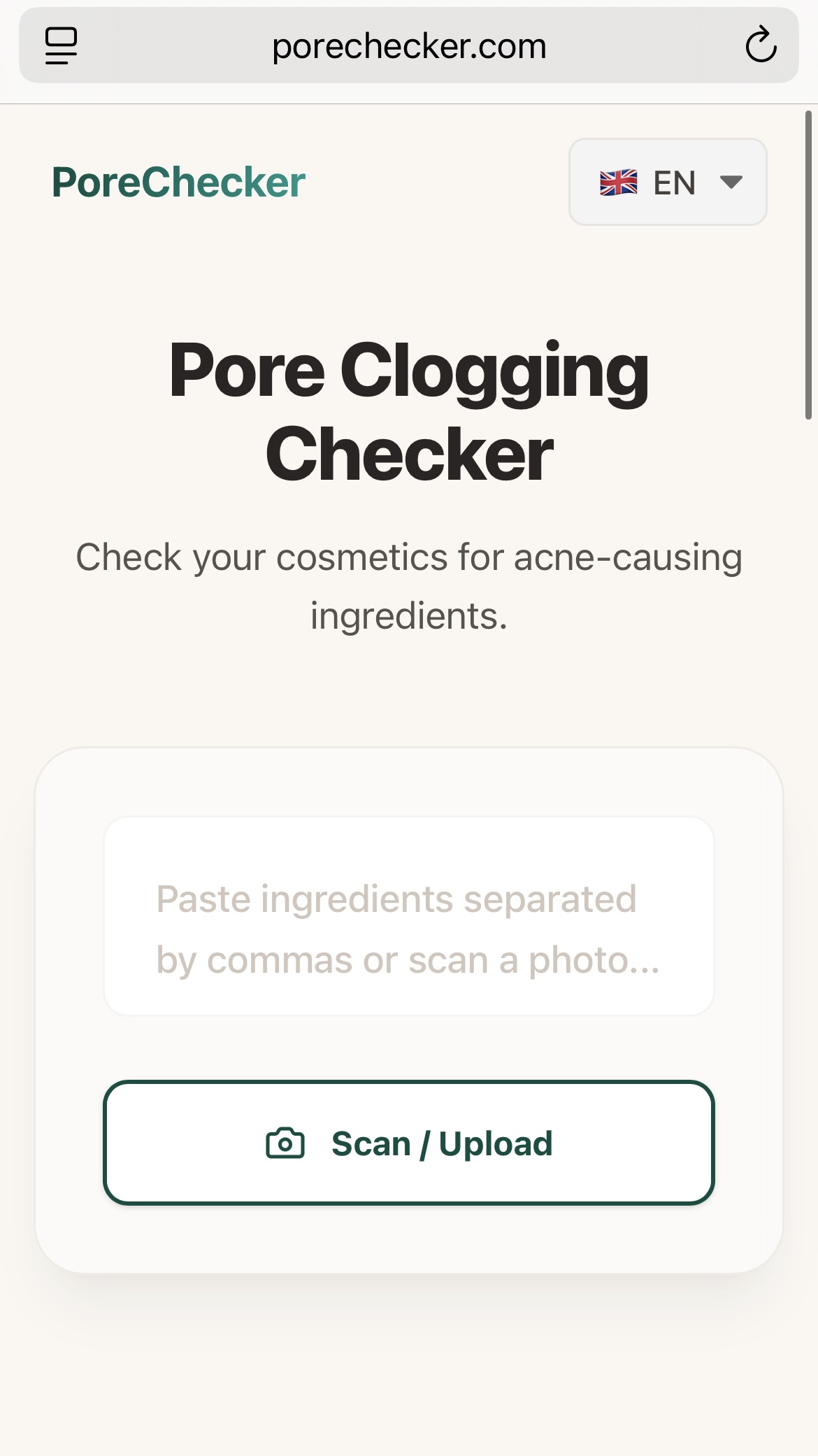
Step 1: Upload Your Product Image
Simply snap a photo of the ingredient list on the back of any bottle, jar, or box. No typing required.
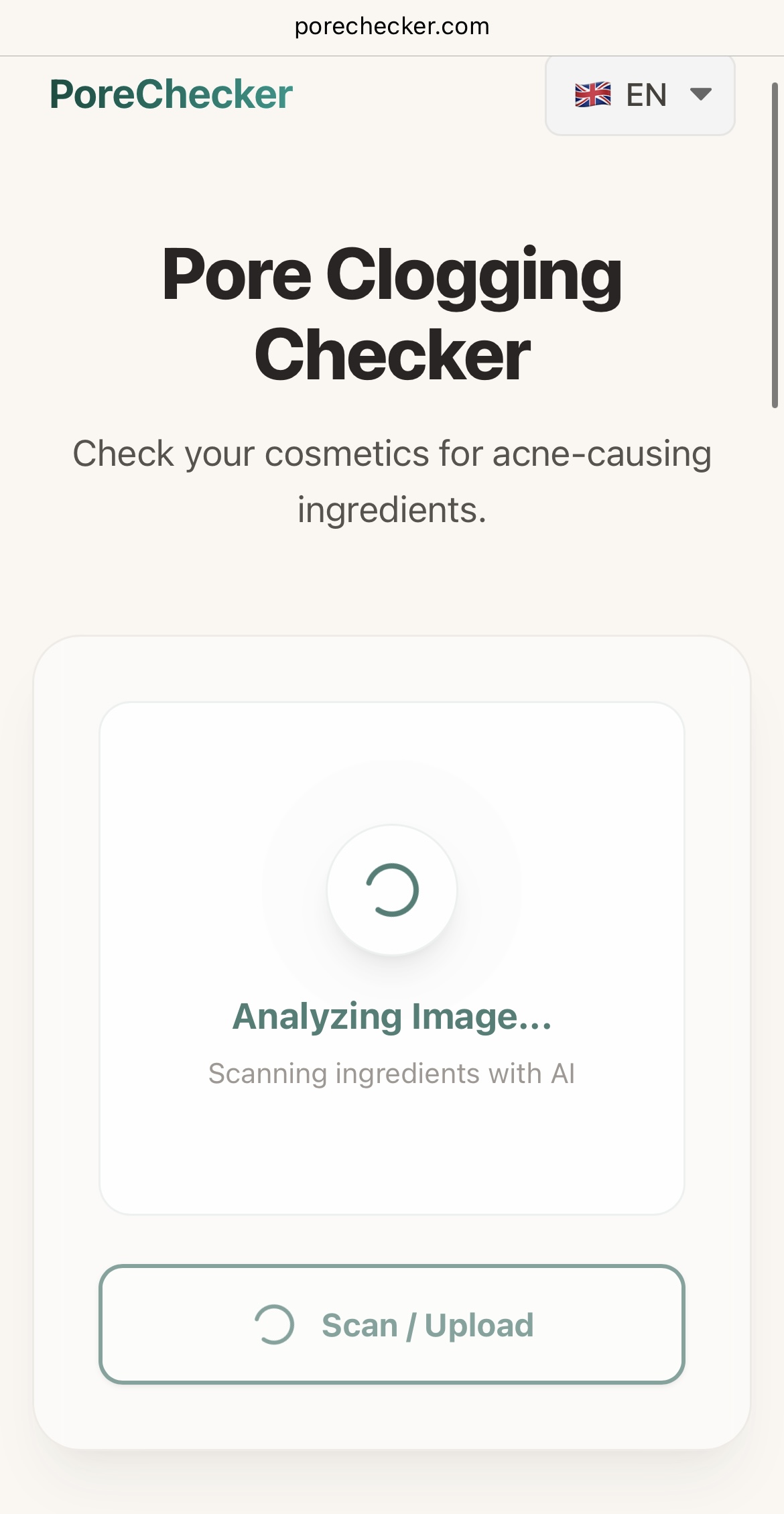
Step 2: Instant AI Ingredient Analysis
Our advanced AI scans the image, performs OCR (Optical Character Recognition), and matches every ingredient against our curated database of comedogenic substances.
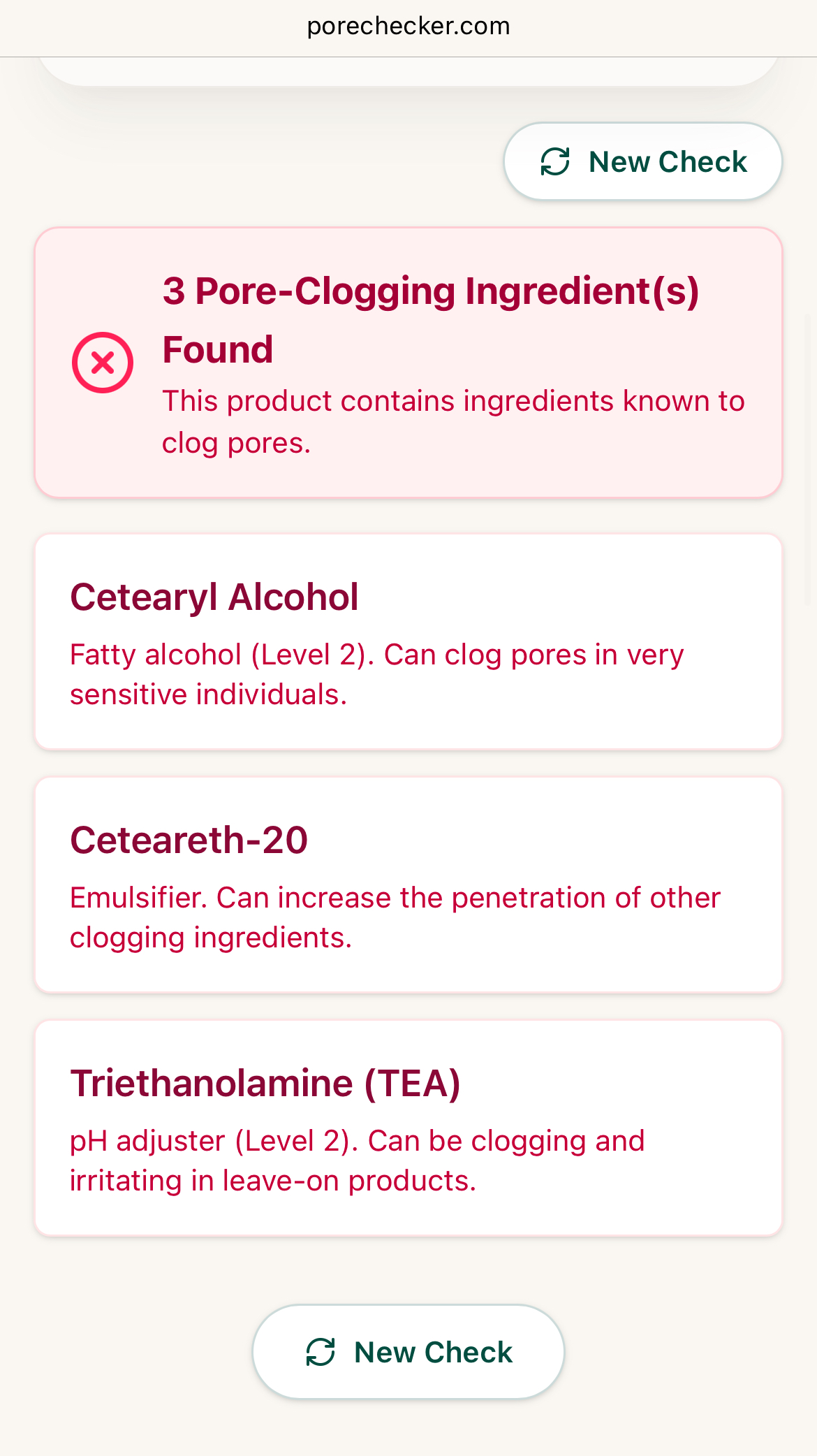
Step 3: Clear Results for Clearer Skin
You get an immediate breakdown. If any red-flag ingredients are found, we highlight them and explain why they might be problematic for your pores.
Does this product fit my skin's needs?
Check Your Products Now