How to Stop Hormonal Acne: A Dermatologist's Guide to Clearer Skin
Struggling with hormonal acne? Learn how to stop hormonal acne with expert skincare advice. Discover effective strategies and hidden pore-cloggers.

Hormonal acne can be a frustrating and often painful experience. As a dermatologist, I understand the emotional toll it takes, impacting not just your skin but also your confidence. This guide provides a science-backed, yet accessible approach to understanding and managing hormonal acne, focusing on gentle, non-comedogenic skincare practices that support your skin's natural balance. Our primary focus will be on the best strategies on how to stop hormonal acne.
The key to managing hormonal acne lies in a multi-faceted approach. We'll delve into the underlying causes, explore effective treatments, and, most importantly, equip you with the knowledge to make informed decisions about your skincare routine. This includes recognizing the impact of your menstrual cycle and lifestyle factors on your skin's health. We'll also emphasize the importance of using non-comedogenic products, which are specifically formulated to avoid clogging your pores, a crucial aspect when trying to understand how to stop hormonal acne.
It's important to understand that there isn't a single magic bullet. Consistent, informed care is the foundation for achieving and maintaining clearer skin. Let's start with the basics.
Understanding the Root Causes of Hormonal Acne
Hormonal acne, unlike other forms, is primarily triggered by fluctuations in hormone levels. These fluctuations can lead to an increase in sebum (oil) production, which, in turn, can clog pores and create an environment ripe for acne-causing bacteria (Cutibacterium acnes) to thrive. This hormonal imbalance is often linked to the menstrual cycle, pregnancy, menopause, or conditions like Polycystic Ovary Syndrome (PCOS).
The Role of Androgens
Androgens, such as testosterone, play a significant role. When these hormones are elevated, they stimulate the sebaceous glands to produce more oil. This excess oil, combined with dead skin cells, clogs pores. The resulting environment is perfect for bacteria, leading to inflammation and acne.
Menstrual Cycle & Acne
The menstrual cycle is a major player in hormonal acne. Hormonal shifts throughout the month can lead to flare-ups, typically around the time of menstruation. Understanding your cycle and how it affects your skin is essential in implementing the right skincare approach. This is crucial for anyone trying to stop hormonal acne.
Effective Strategies to Minimize Breakouts
Managing hormonal acne requires a combination of targeted skincare, lifestyle adjustments, and, sometimes, medical intervention. Consistency and patience are key. Let's delve into practical steps you can take.
Gentle Cleansing & Exfoliation
Choose a gentle, non-comedogenic cleanser to remove impurities without stripping your skin of its natural oils. Exfoliation, using chemical exfoliants like salicylic acid or benzoyl peroxide (in low concentrations), can help unclog pores and remove dead skin cells. Always introduce new products gradually and monitor your skin's reaction. Remember, over-exfoliating can cause irritation and worsen acne. This step is a cornerstone on how to stop hormonal acne.
Targeted Treatments: What Works
Topical treatments can be highly effective. Retinoids (such as tretinoin or adapalene) promote cell turnover and prevent clogged pores. Benzoyl peroxide reduces bacteria. Consider seeing a dermatologist for a personalized prescription. Azelaic acid is another option, known for its anti-inflammatory and antibacterial properties.
Lifestyle and Dietary Adjustments
While diet isn't the sole cause, certain foods, such as those with a high glycemic index (sugary foods), can potentially exacerbate acne. Prioritizing a balanced diet, staying hydrated, managing stress, and getting adequate sleep are all essential for overall skin health. Reducing stress can also reduce cortisol levels, helping control acne. These lifestyle changes are an important part on how to stop hormonal acne.
Unmasking Hidden Pore-Cloggers
Even with the best intentions, your skincare routine might be sabotaging your progress. Many products contain ingredients that can clog pores, leading to breakouts. Being aware of these hidden pore-cloggers is crucial.
Common Culprits in Skincare
Some ingredients to watch out for include certain oils (coconut oil, cocoa butter), silicones, and heavy waxes. Many ingredients are considered "comedogenic", meaning they are known to clog pores. Always check product labels, looking for terms like "non-comedogenic" or "oil-free". Be wary of products with a long list of ingredients; the more ingredients, the higher the chance of one causing an issue.
Makeup Considerations
Makeup can also contribute to breakouts. Choose non-comedogenic, oil-free makeup and always remove it thoroughly before bed. Mineral makeup is often a good choice, but even these products can contain ingredients that trigger acne in some individuals. Brushes and applicators should be cleaned regularly to prevent the spread of bacteria. This step is a great tip on how to stop hormonal acne.
Don't Let Your Products Ruin Your Progress
We've covered a lot of ground, from understanding hormonal imbalances to implementing targeted treatments and making lifestyle adjustments. But all of your hard work can be undone if your products contain hidden pore-cloggers. Carefully reviewing the ingredients in your skincare and makeup is paramount. Many ingredients, even those touted for their moisturizing or anti-aging properties, can worsen acne if they are comedogenic. To help you identify potential culprits, it is highly recommended you utilize a comprehensive ingredient checker tool. This way, you can ensure that the products you use are truly working for your skin, not against it.
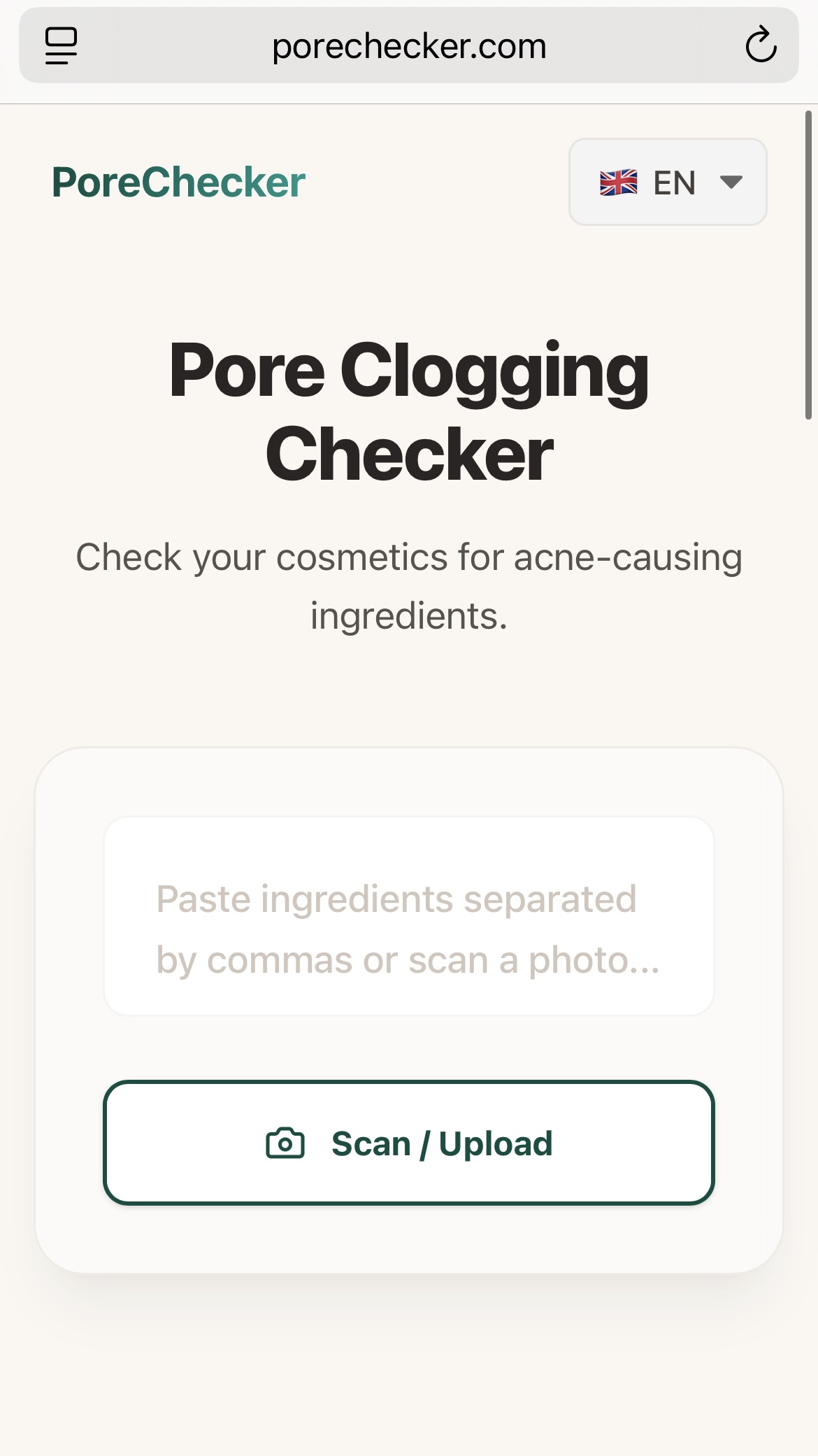
Step 1: Upload Your Product Image
Simply snap a photo of the ingredient list on the back of any bottle, jar, or box. No typing required.
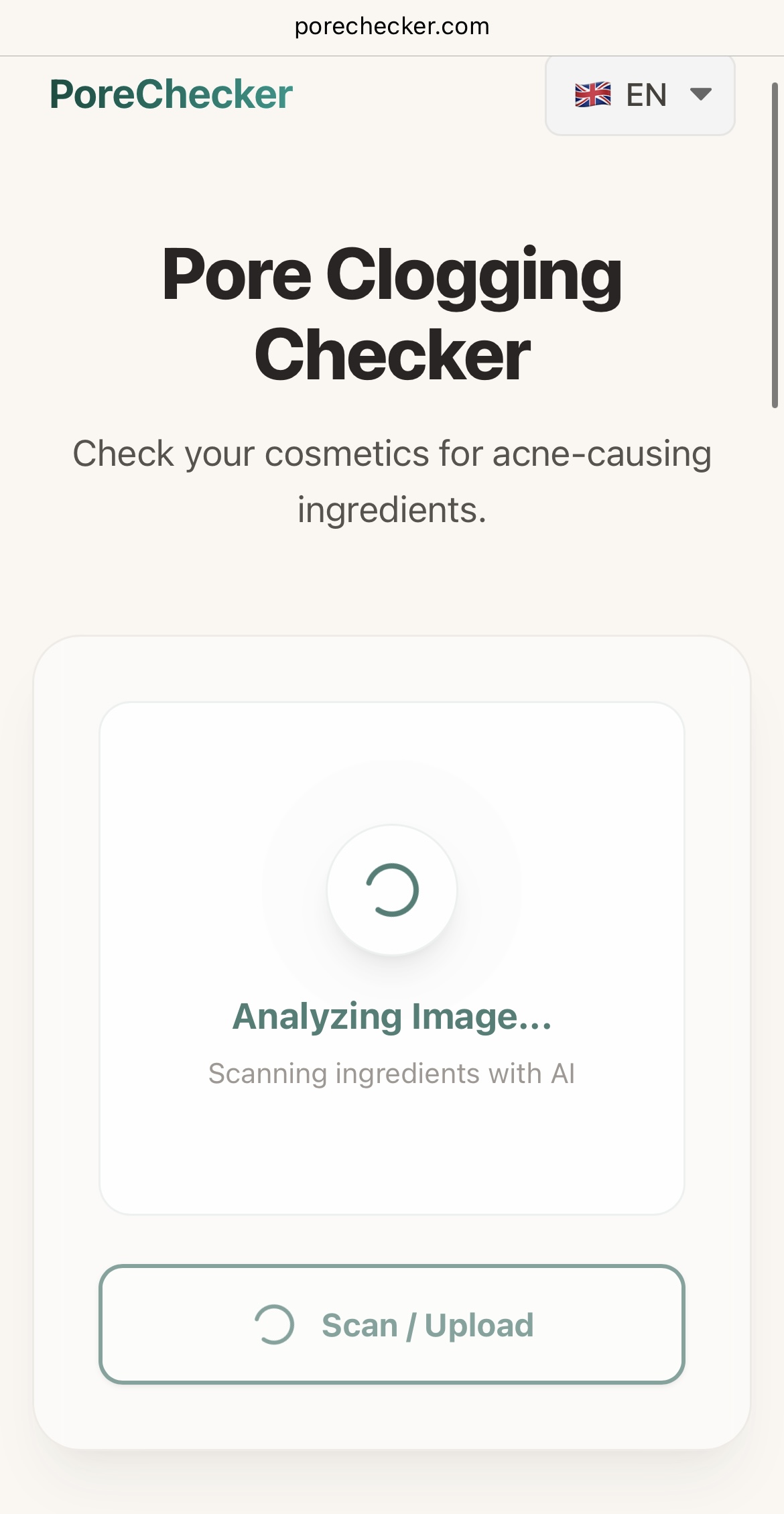
Step 2: Instant AI Ingredient Analysis
Our advanced AI scans the image, performs OCR (Optical Character Recognition), and matches every ingredient against our curated database of comedogenic substances.
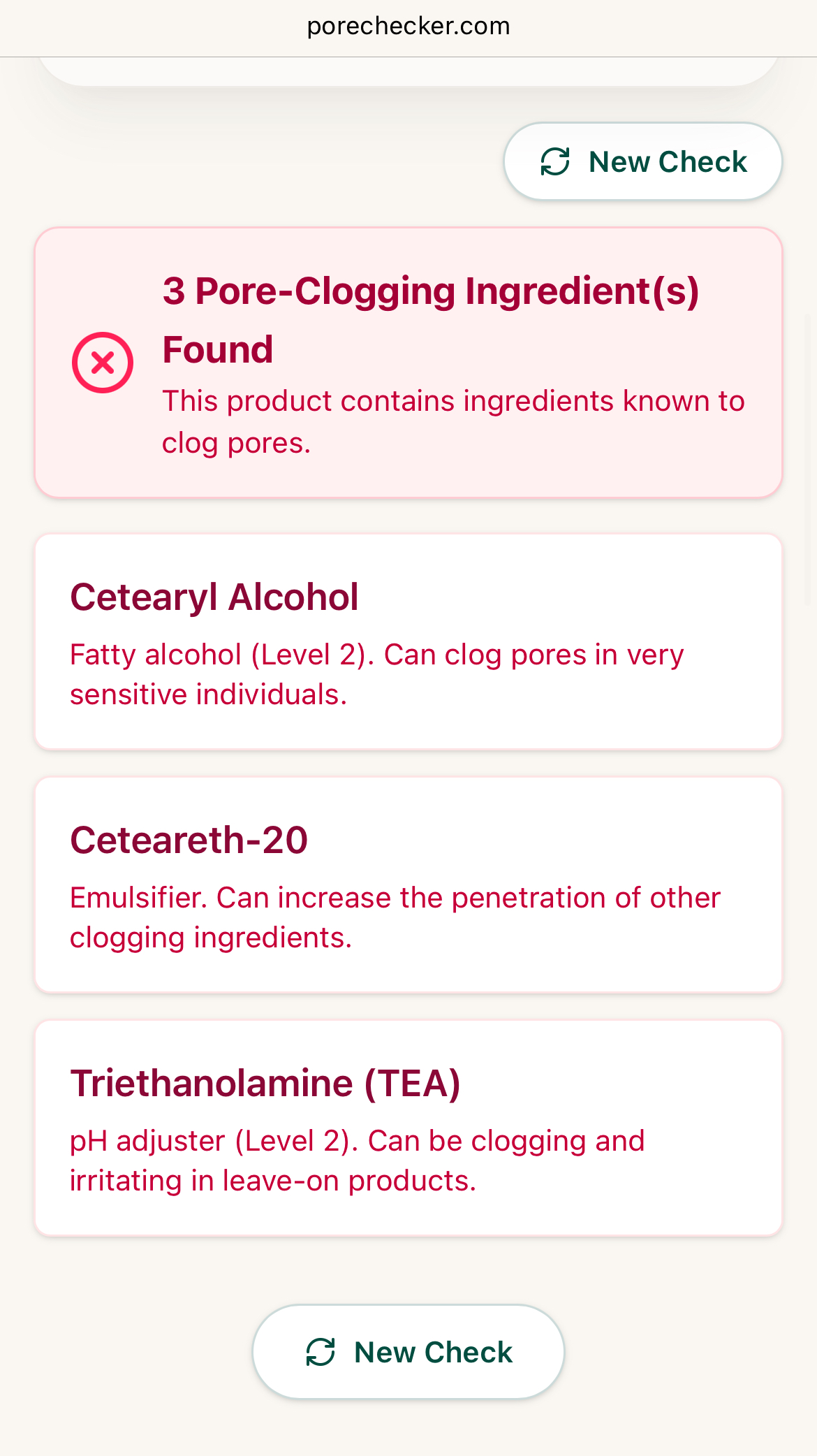
Step 3: Clear Results for Clearer Skin
You get an immediate breakdown. If any red-flag ingredients are found, we highlight them and explain why they might be problematic for your pores.
Does this product fit my skin's needs?
Check Your Products Now