How to Treat Acne: A Dermatologist's Guide to Clear Skin
Struggling with acne? This expert guide offers science-backed tips on how to treat acne, from identifying triggers to building an effective skincare routine. Get clear skin now!
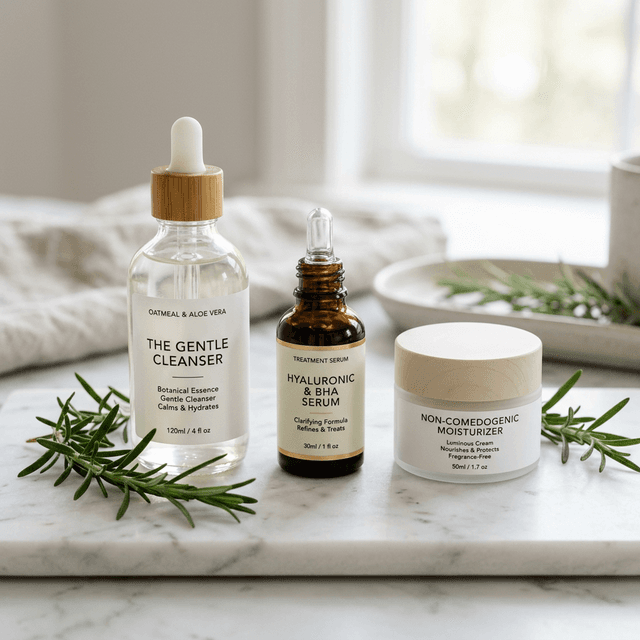
Acne can be a frustrating condition, impacting not only your physical appearance but also your self-esteem. As a dermatologist, I've seen countless patients struggling with this common issue. The good news is that effective treatments are available, and achieving clearer skin is often within reach. This guide provides a science-backed approach on how to treat acne, focusing on the fundamentals of skincare and targeted interventions.
A cornerstone of any successful acne treatment plan is adopting a non-comedogenic approach. This means choosing skincare products specifically formulated to avoid clogging your pores, which can exacerbate breakouts. We'll delve into identifying these hidden pore-cloggers and creating a routine designed to gently cleanse, treat, and protect your skin.
Understanding the Root Causes of Acne
Before we dive into how to treat acne, it's crucial to understand why it occurs. Acne is primarily caused by a combination of factors, including excess oil (sebum) production, clogged pores, inflammation, and the bacteria Cutibacterium acnes (formerly Propionibacterium acnes). Hormonal fluctuations, stress, and certain medications can also contribute to breakouts. Identifying your personal triggers is a critical first step.
The Role of Sebum and Pores
Sebum, an oily substance produced by your sebaceous glands, is essential for keeping your skin moisturized. However, an overproduction of sebum, often influenced by hormones, can mix with dead skin cells and create a plug within your pores. This plug can then become a breeding ground for bacteria, leading to inflammation and the formation of acne lesions.
Inflammation and Bacteria: The Culprits
The bacteria Cutibacterium acnes thrives in the oxygen-deprived environment of a clogged pore. As the bacteria multiply, they trigger an inflammatory response, leading to the redness, swelling, and pain associated with acne. Different types of acne lesions, such as blackheads, whiteheads, papules, pustules, nodules, and cysts, represent different stages and severities of this inflammatory process.
Building a Skincare Routine to Treat Acne
A well-structured skincare routine is essential for how to treat acne. Consistency and patience are key. This routine should include cleansing, treating, and protecting your skin. Remember to introduce new products gradually to monitor how your skin reacts.
Cleansing: Gentle Yet Effective
Choose a gentle, non-comedogenic cleanser to remove impurities and excess oil without stripping your skin of its natural moisture. Look for ingredients like salicylic acid or benzoyl peroxide, which can help to unclog pores and reduce inflammation. Avoid harsh soaps or scrubs, which can irritate the skin and worsen acne.
Treating: Targeted Solutions
Topical treatments are a cornerstone of how to treat acne. Options include retinoids (prescription or over-the-counter), which help to exfoliate the skin and prevent pore clogging; benzoyl peroxide, which kills acne-causing bacteria; and salicylic acid, which exfoliates within the pore. For more severe cases, consult a dermatologist for prescription medications.
Protecting: Sunscreen is Crucial
Many acne treatments, particularly retinoids and some benzoyl peroxide products, can make your skin more sensitive to the sun. Always apply a broad-spectrum, non-comedogenic sunscreen with an SPF of 30 or higher every morning, even on cloudy days, to protect your skin and prevent further damage.
Identifying and Avoiding Hidden Pore-Cloggers
Many products claim to be acne-fighting but contain ingredients that can actually worsen breakouts. Ingredients like mineral oil, certain silicones, and some heavy emollients can clog pores and counteract your efforts. Always read the ingredient list carefully and be mindful of what you’re putting on your skin.
Common Pore-Clogging Ingredients to Watch Out For
Be wary of products containing ingredients like coconut oil, cocoa butter, and certain forms of alcohol (e.g., isopropyl myristate) if you have acne-prone skin. These ingredients are often comedogenic, meaning they are likely to clog pores. Always check product labels and research ingredients before incorporating new products into your routine.
The Importance of Non-Comedogenic Products
Look for products labeled "non-comedogenic" or "oil-free." However, even these labels aren't always foolproof. Reading the ingredient list remains the most reliable way to assess whether a product is suitable for your skin type. Opt for lightweight formulations that won't contribute to pore clogging.
Don't Let Your Products Ruin Your Progress
You've started a new skincare routine, you're diligently applying your treatments, and you're seeing some improvement – fantastic! But progress can quickly be undone if your other products, from your makeup to your hair products, contain hidden pore-clogging ingredients. These ingredients, even in small amounts, can undo all the hard work you’re doing. To truly ensure success in your journey on how to treat acne, you need to become an ingredient detective. Luckily, there are tools available to help you quickly identify potential pore-cloggers, allowing you to make informed choices and maintain your clear-skin goals.
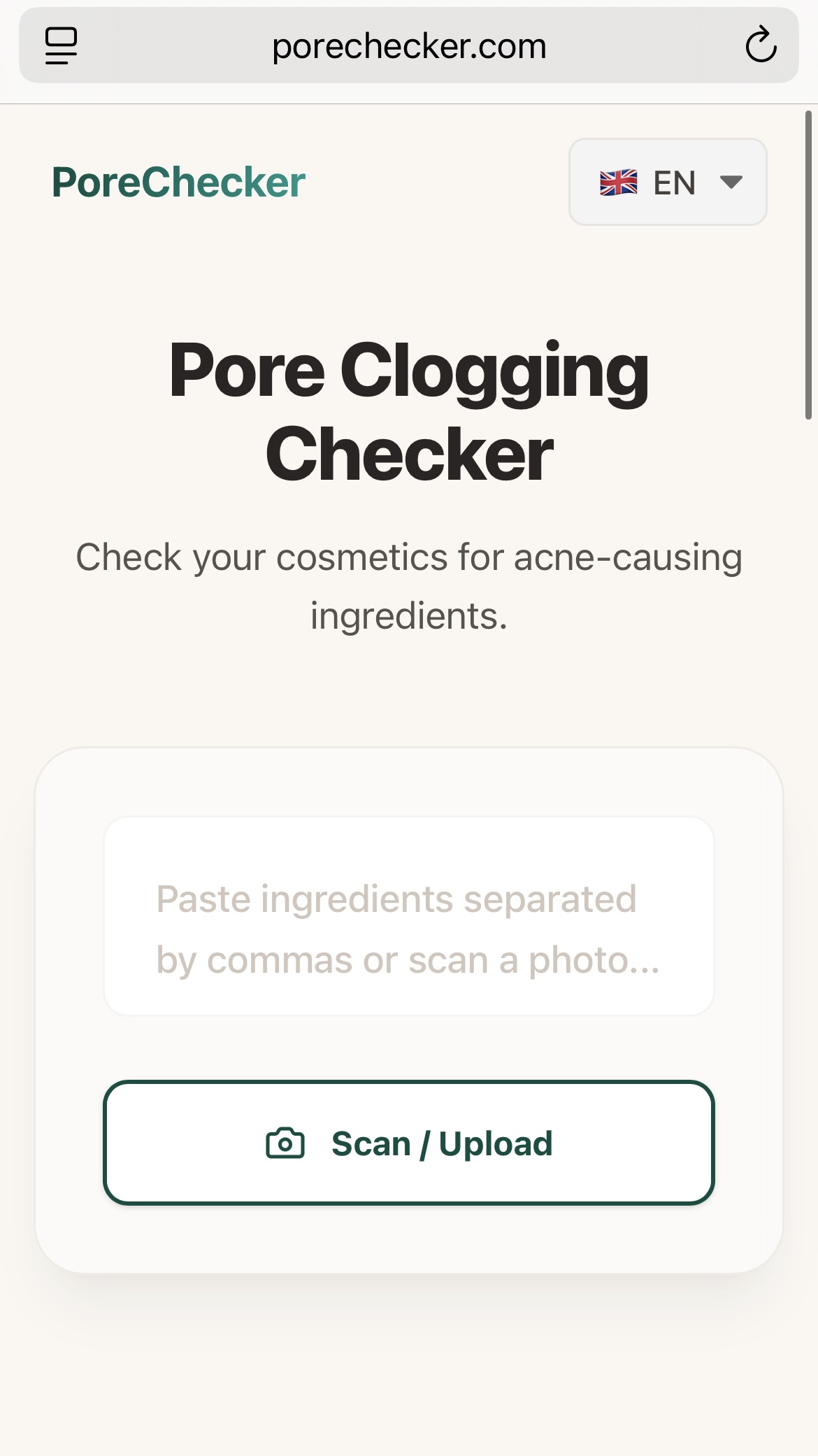
Step 1: Upload Your Product Image
Simply snap a photo of the ingredient list on the back of any bottle, jar, or box. No typing required.
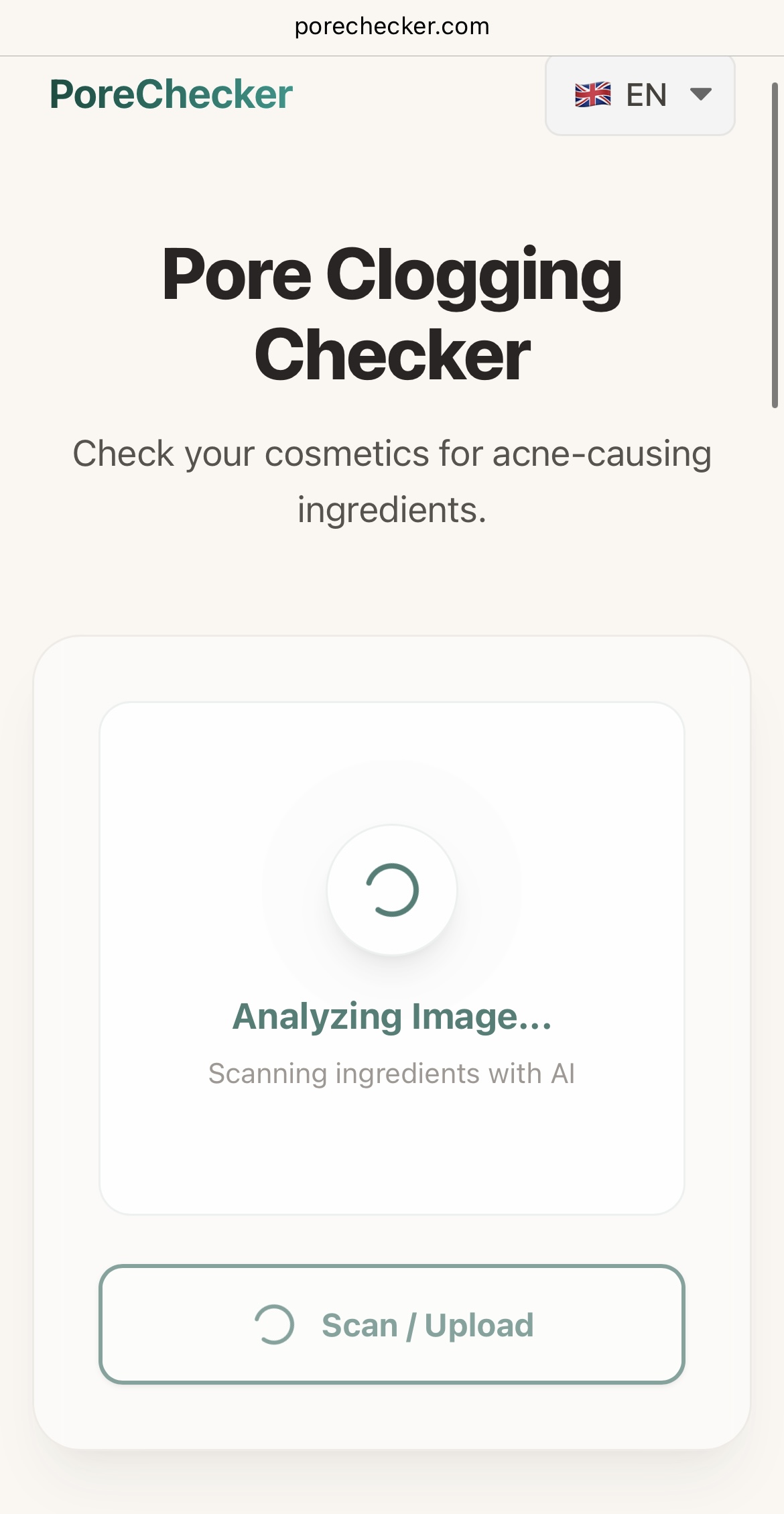
Step 2: Instant AI Ingredient Analysis
Our advanced AI scans the image, performs OCR (Optical Character Recognition), and matches every ingredient against our curated database of comedogenic substances.
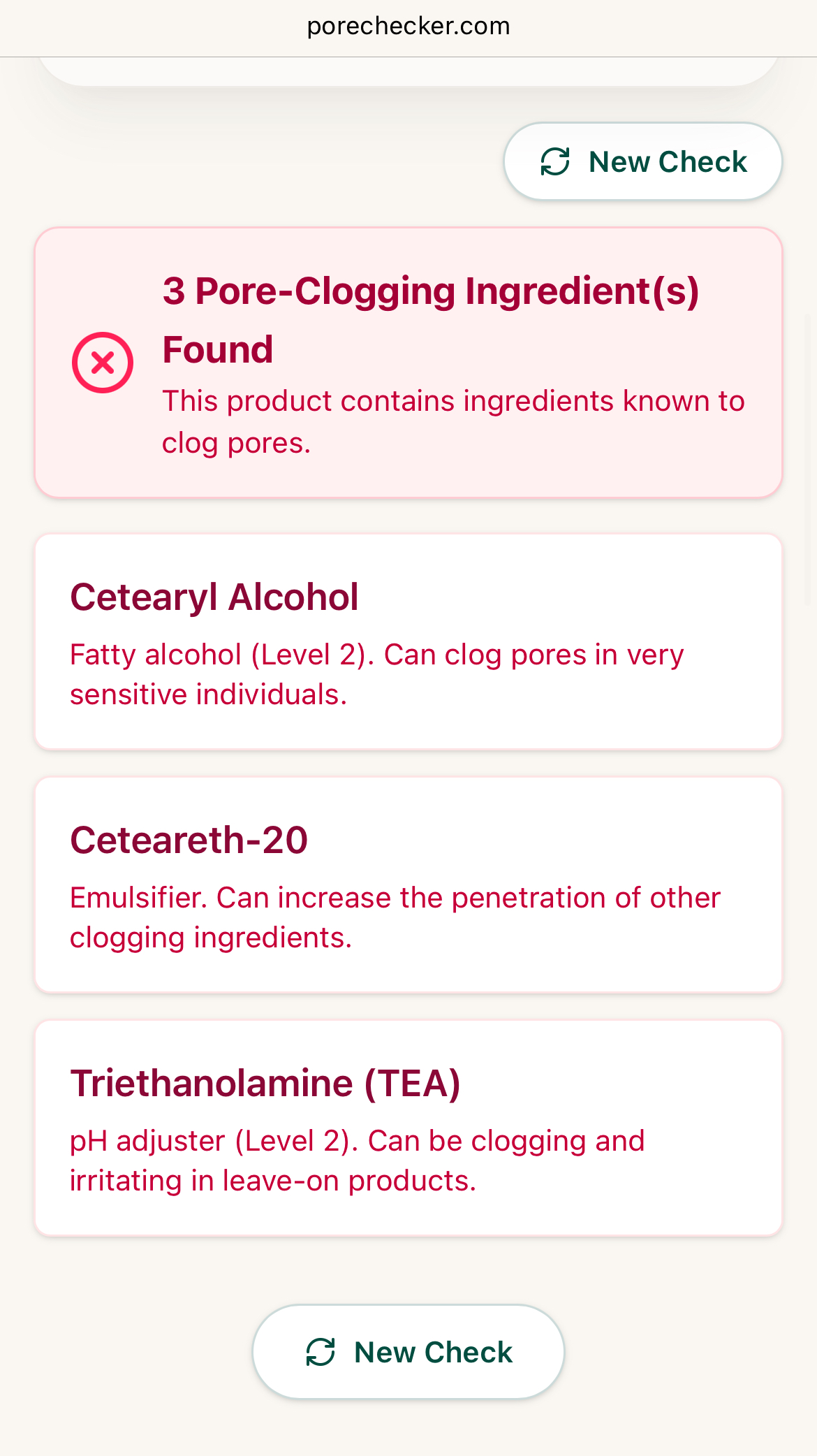
Step 3: Clear Results for Clearer Skin
You get an immediate breakdown. If any red-flag ingredients are found, we highlight them and explain why they might be problematic for your pores.
Does this product fit my skin's needs?
Check Your Products Now