How to Treat Acne Scars: Your Path to Smoother, Healthier Skin
Struggling with acne scars? This guide offers expert advice on how to treat acne scars, from professional treatments to effective skincare routines. Achieve smoother skin!
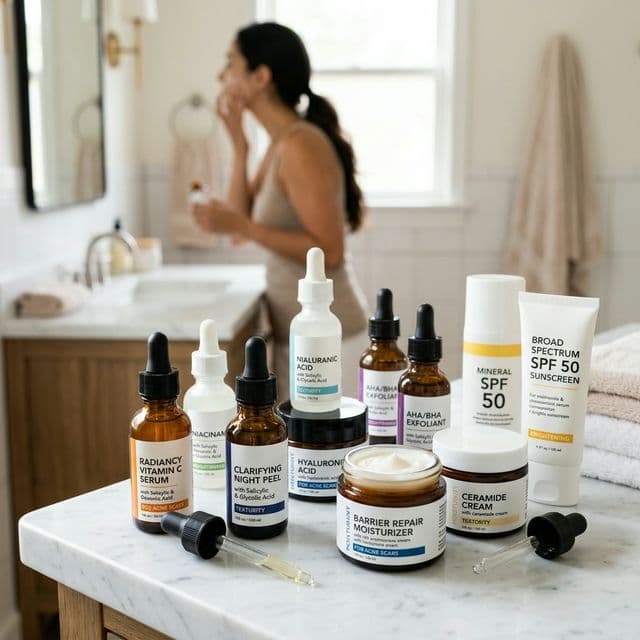
The aftermath of acne, often leaving behind reminders in the form of scars, can be disheartening. These marks, varying in type and severity, are a testament to the skin's healing process. While acne itself can be a frustrating condition, understanding how to treat acne scars is a crucial step towards achieving smoother, healthier skin. This requires a multifaceted approach, focusing not only on addressing existing scars but also on preventing new ones from forming. A consistent, non-comedogenic skincare routine is paramount.
This journey towards clearer skin is not a sprint, but a marathon. Patience and consistency are your allies. By combining professional treatments with diligent at-home care, you can significantly improve the appearance of acne scars and boost your confidence. Remember that the journey is as important as the destination, and every step you take brings you closer to your goals. The use of non-comedogenic products is of utmost importance throughout this process.
Understanding Acne Scars
Before diving into treatments, it's essential to understand the different types of acne scars. These scars fall into two main categories: atrophic (depressed) and hypertrophic (raised). Atrophic scars, the most common type, include ice pick scars (narrow, deep indentations), boxcar scars (wide, box-like depressions), and rolling scars (shallow, undulating scars). Hypertrophic scars, on the other hand, result from an overproduction of collagen during the healing process, leading to raised, thickened scars.
Identifying Your Scar Type
The type of scar you have will influence the treatment options that are most effective. A dermatologist can accurately assess your scars and recommend a personalized treatment plan. Self-assessment can be helpful, but a professional evaluation ensures the most appropriate course of action.
Treatment Options for Acne Scars
Several effective treatments are available to address acne scars, ranging from over-the-counter solutions to professional procedures. The best approach often involves a combination of methods.
Professional Treatments
Dermatologists offer various in-office treatments. These include laser resurfacing, which uses focused light to stimulate collagen production and improve skin texture. Chemical peels exfoliate the skin and promote cell turnover, gradually reducing the appearance of scars. Microneedling involves using tiny needles to create micro-injuries, triggering the body's natural healing response and collagen production. Fillers can be injected to elevate depressed scars, providing immediate improvement. Subcision, a minor surgical procedure, can also be effective for certain types of scars.
At-Home Skincare for Acne Scars
While professional treatments are often necessary for significant improvement, your at-home skincare routine plays a vital role. Exfoliating ingredients like AHAs (alpha-hydroxy acids) and BHAs (beta-hydroxy acids) can help to remove dead skin cells and improve skin texture. Retinoids, derived from vitamin A, are also incredibly helpful, stimulating collagen production and speeding up cell turnover. Furthermore, always remember to use broad-spectrum sunscreen daily to protect your skin from further damage and hyperpigmentation.
Important Considerations
Consistency is key when it comes to any skincare routine. It is important to remember that it takes time to see results, and you should be patient with the process. Always consult a dermatologist before starting any new treatment, especially if you have sensitive skin or other skin conditions. The use of sunscreen with a high SPF is also critical when using products like retinol or undergoing chemical peels.
Hidden Pore-Cloggers to Avoid
Acne is often triggered by clogged pores, and the same can be said of many acne scar treatments that can be rendered useless when pores are blocked. Many skincare and cosmetic products contain ingredients that can lead to breakouts. Common culprits include heavy oils, certain silicones, and comedogenic (pore-clogging) ingredients. Always read labels, and be aware of ingredients that may not be suitable for your skin type.
Don't Let Your Products Ruin Your Progress
Successfully treating acne scars requires not only the right treatments but also a commitment to avoiding anything that could hinder your progress. Many skincare products, while marketed as beneficial, can actually contain hidden ingredients that lead to further breakouts, inflammation, and even new scars. Thoroughly examining the ingredients list of everything you apply to your skin is crucial to ensure you're supporting, not sabotaging, your efforts. By staying vigilant and informed about potential pore-clogging ingredients, you can make informed choices to keep your skin clear and on the path to healing, using tools like ingredient checkers to help you along the way.
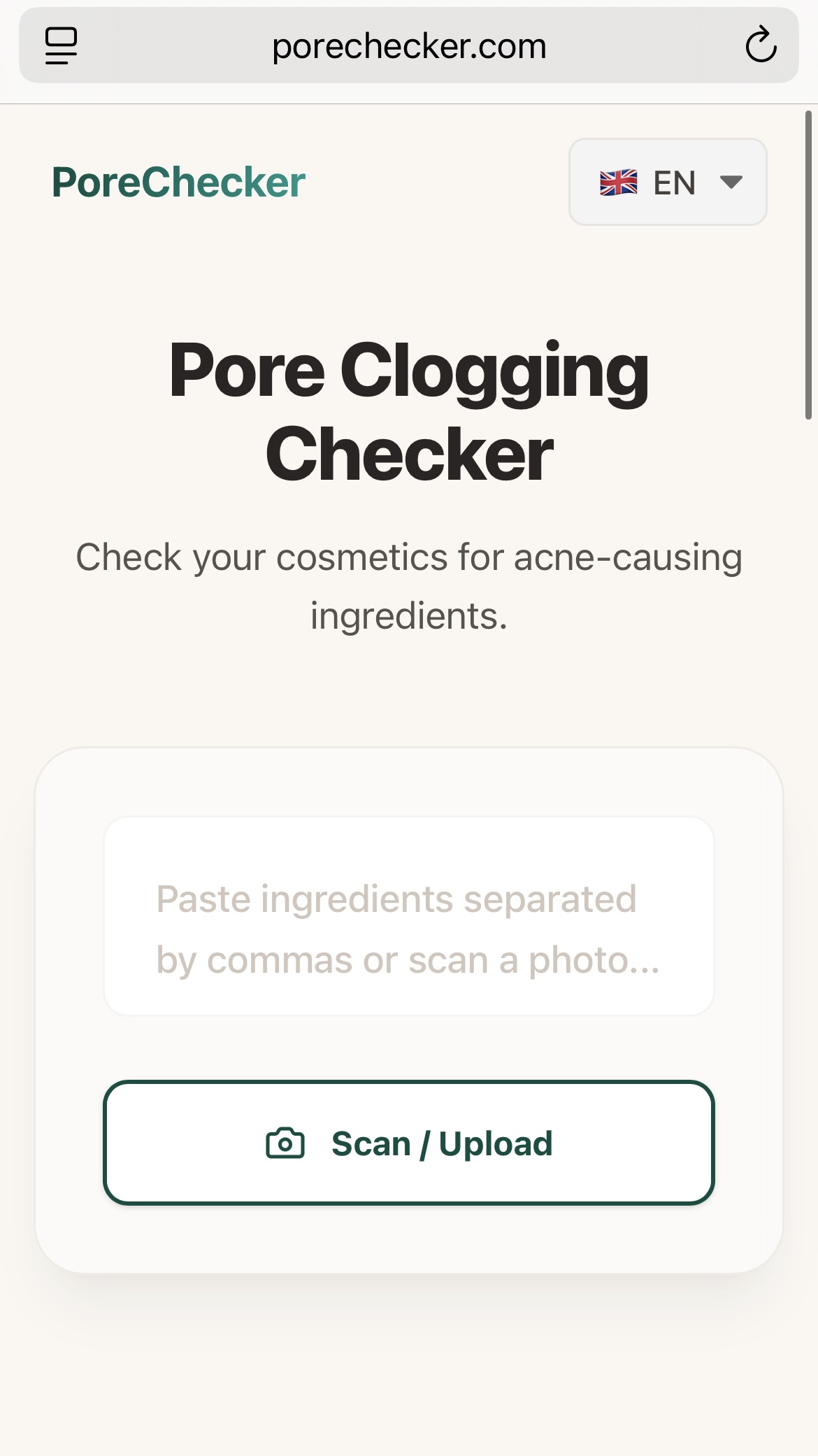
Step 1: Upload Your Product Image
Simply snap a photo of the ingredient list on the back of any bottle, jar, or box. No typing required.
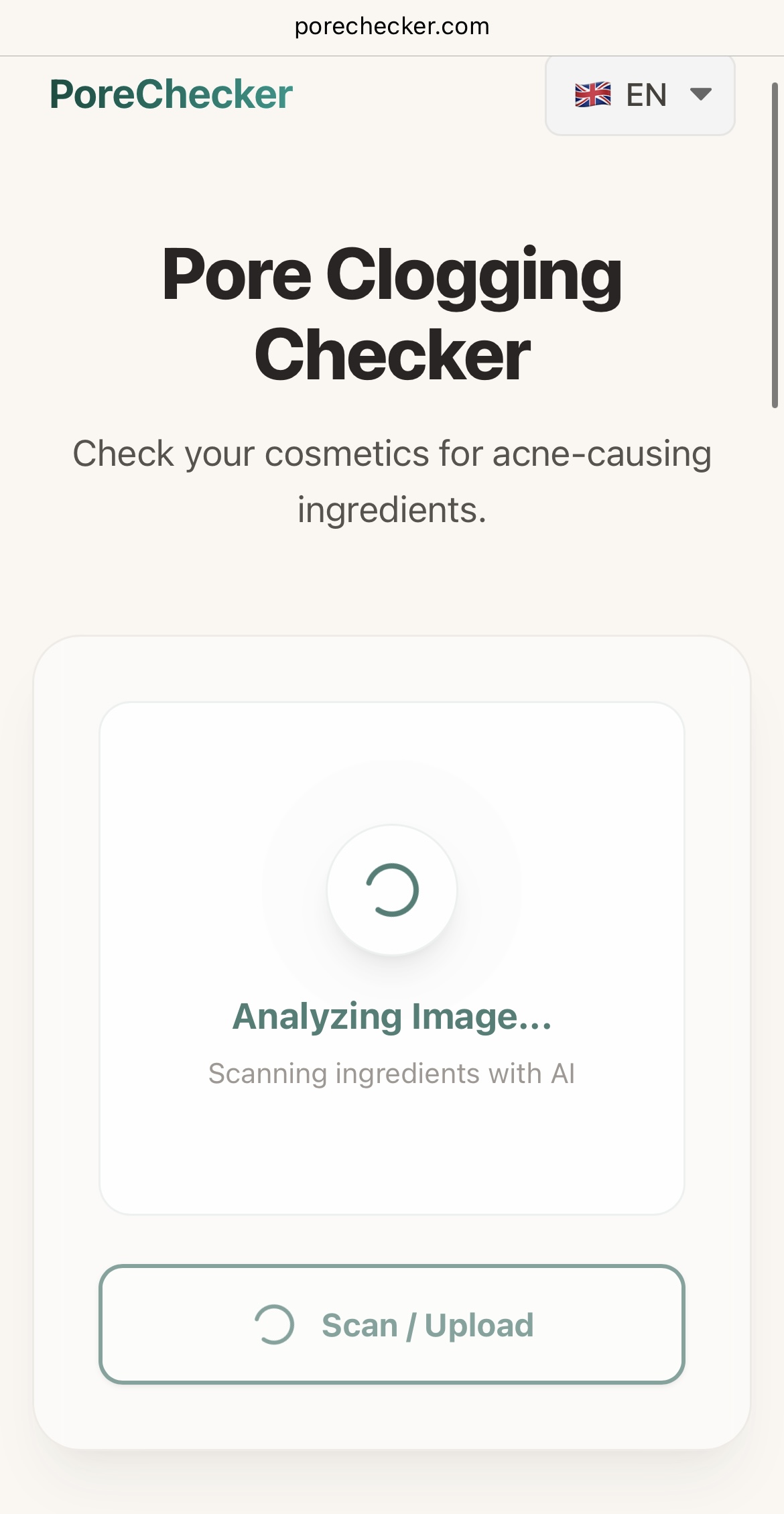
Step 2: Instant AI Ingredient Analysis
Our advanced AI scans the image, performs OCR (Optical Character Recognition), and matches every ingredient against our curated database of comedogenic substances.
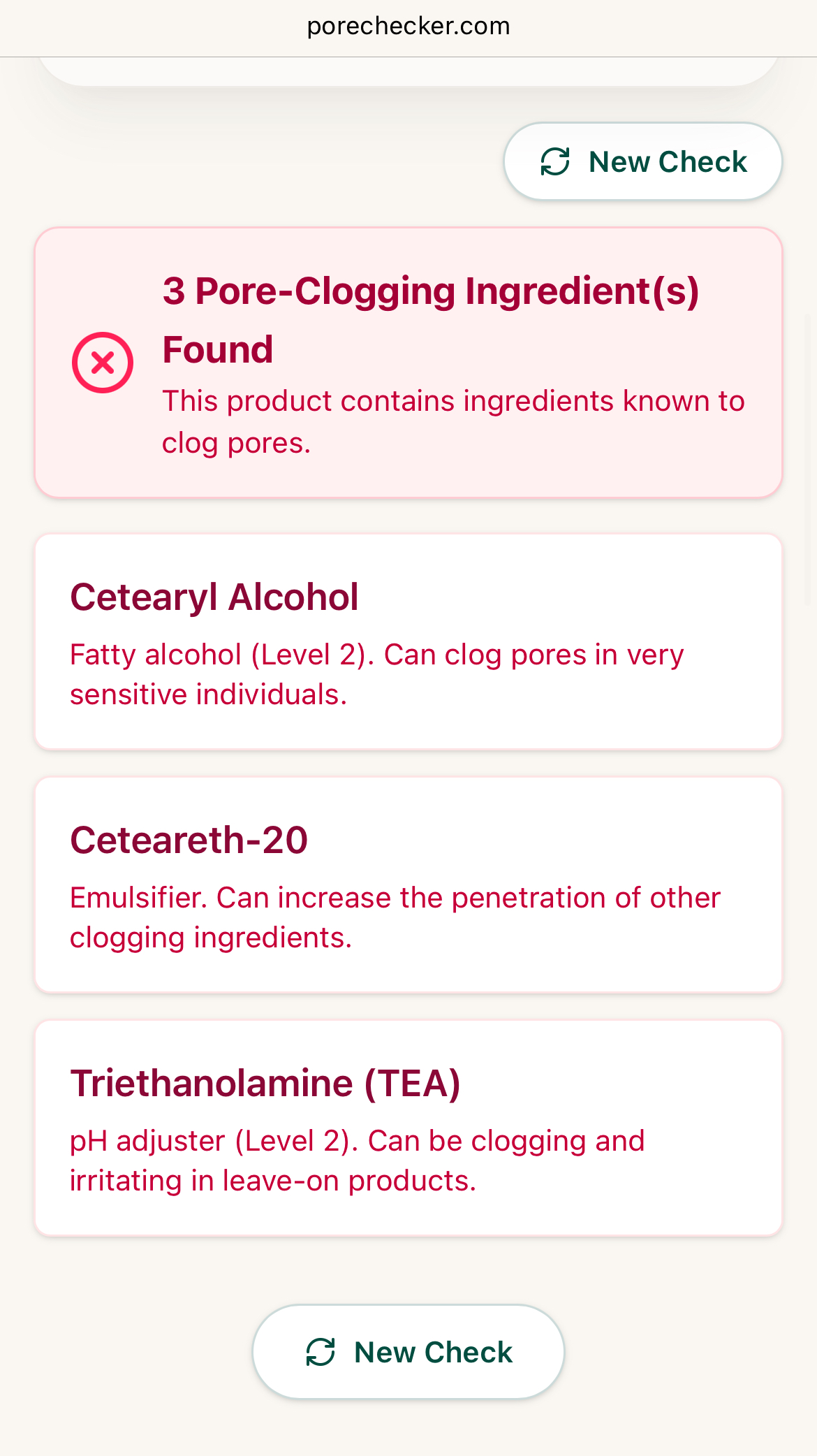
Step 3: Clear Results for Clearer Skin
You get an immediate breakdown. If any red-flag ingredients are found, we highlight them and explain why they might be problematic for your pores.
Does this product fit my skin's needs?
Check Your Products Now