How to Treat Baby Acne: Gentle Skincare for Tiny Faces
Discover how to treat baby acne effectively and safely. Learn about gentle skincare routines, avoiding pore-clogging ingredients, and caring for your baby's skin.

Baby acne, those tiny red or white bumps that often appear on a newborn's face, can be a source of worry for new parents. While it's generally harmless, understanding what causes it and, crucially, how to care for your little one's delicate skin is essential. This article will guide you through the effective and gentle approach to managing baby acne, focusing on non-comedogenic practices to ensure your baby's skin remains healthy and happy.
The primary cause of baby acne is typically due to the hormones passed from the mother during pregnancy. These hormones stimulate the baby's oil glands, leading to the development of these small blemishes. It's important to remember that baby acne is usually temporary, resolving on its own within a few weeks or months. However, proper skincare can help minimize irritation and promote faster healing.
Understanding Baby Acne
Baby acne, also known as neonatal acne, manifests differently than acne in older children or adults. It usually appears as small red or white bumps, often on the cheeks, nose, and forehead. Sometimes, it can also include blackheads or pustules. It's crucial to differentiate baby acne from other skin conditions like eczema or miliaria (heat rash). If you have any doubts about your baby's skin condition, consult your pediatrician or a dermatologist.
Causes and Timing
As mentioned, maternal hormones play a significant role. These hormones, passed to the baby through the placenta, trigger excess oil production in the sebaceous glands. Baby acne typically appears within the first few weeks of life, usually peaking around the first month. The good news is that it usually clears up on its own as the baby's hormones stabilize.
What Not to Do
Resist the urge to scrub or aggressively treat the acne. Harsh soaps, scrubs, or abrasive washes can irritate the skin and potentially worsen the condition. Avoid picking or squeezing the bumps, as this can lead to scarring or infection. It’s also important to avoid using adult acne treatments on your baby, as they are far too strong and can damage their delicate skin.
Gentle Skincare Routine for Baby Acne
The cornerstone of treating baby acne is a gentle, consistent skincare routine. The goal is to keep the skin clean and hydrated without irritating it. Less is often more when it comes to infant skincare.
Cleansing
Wash your baby’s face once or twice a day with lukewarm water and a very mild, fragrance-free cleanser specifically designed for babies. Gently pat the skin dry with a soft towel. Avoid rubbing, as this can irritate the skin. Look for cleansers that are hypoallergenic and free of harsh chemicals.
Moisturizing
After cleansing, apply a gentle, fragrance-free moisturizer formulated for babies. This helps to hydrate the skin and protect the skin barrier. Choose a moisturizer with simple ingredients, avoiding those with potential irritants like fragrances or dyes. Look for options with ingredients like ceramides to support skin barrier function.
Other Considerations
Avoid using any skincare products that are not specifically designed for babies unless recommended by a pediatrician. Make sure to choose baby laundry detergents and avoid fabric softeners, as these can contain ingredients that irritate sensitive skin. If your baby spits up, gently wipe their face immediately to prevent irritation from stomach acid.
Hidden Pore-Cloggers to Avoid
While baby products are generally formulated to be gentle, it's important to be aware of ingredients that can potentially clog pores. Even seemingly innocuous ingredients can sometimes contribute to skin issues. Reading the label of every product, from baby wash to diaper cream, is a vital part of effective skincare.
Common Culprits
Certain oils, such as mineral oil, coconut oil, and shea butter, can be pore-clogging for some babies. Fragrances and essential oils should also be avoided, as they can irritate sensitive skin. Look for products that are labeled as "non-comedogenic" or "oil-free" to minimize the risk of pore-clogging.
Reading Labels
Become familiar with common ingredient names. Parabens, phthalates, and sulfates are often best avoided. When in doubt, opt for products with a short ingredient list. If you notice a product is causing or worsening the acne, discontinue use and consult your pediatrician.
Don't Let Your Products Ruin Your Progress
You've established a gentle skincare routine, but what happens if the products you use unknowingly contain ingredients that could exacerbate your baby's acne? Even with the best intentions, some products can harbor pore-clogging agents or irritants, effectively undoing all your hard work. This is why knowing how to identify and avoid those hidden ingredients is crucial to success. With a simple tool, you can easily verify the safety of any product for your little one.
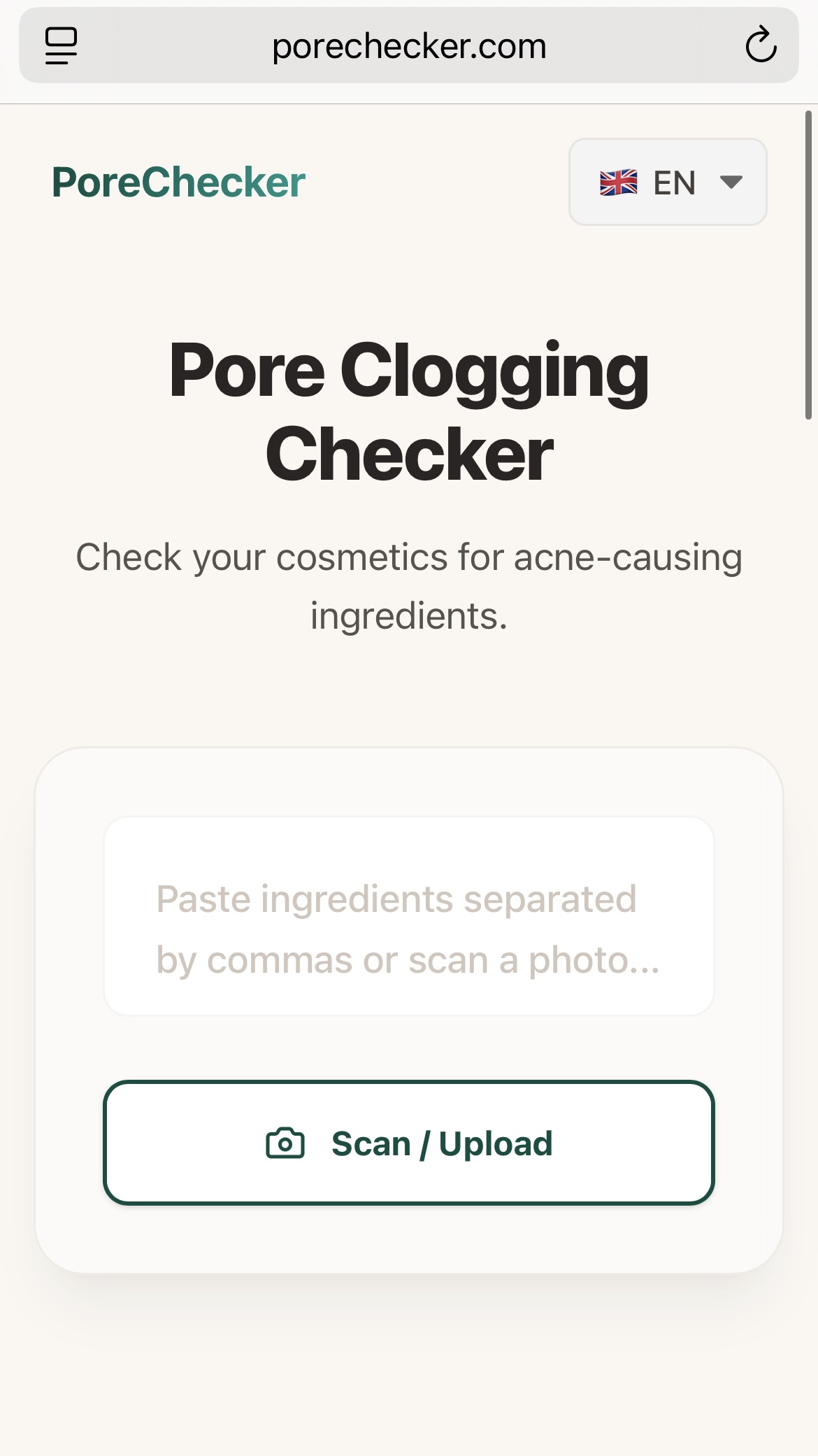
Step 1: Upload Your Product Image
Simply snap a photo of the ingredient list on the back of any bottle, jar, or box. No typing required.
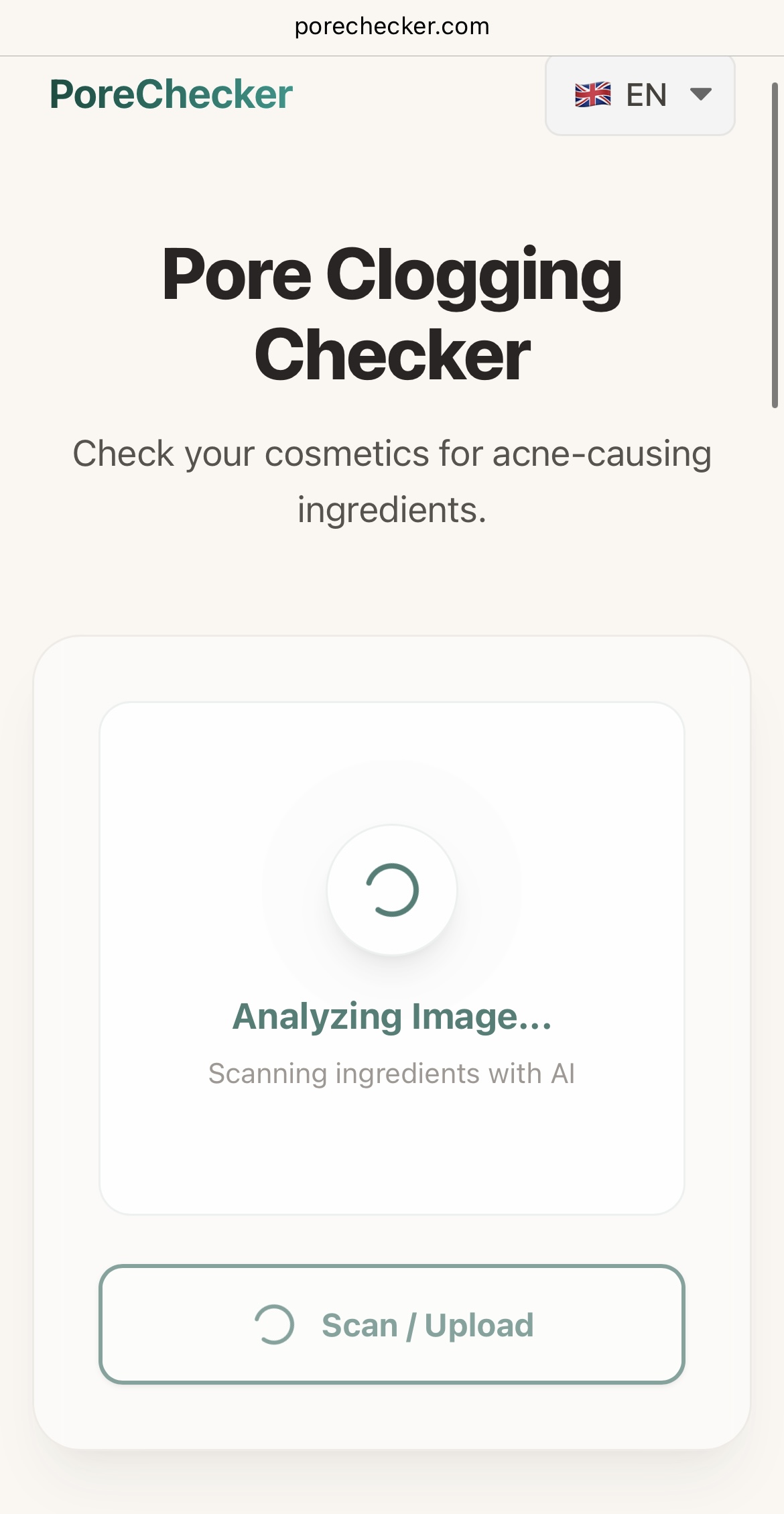
Step 2: Instant AI Ingredient Analysis
Our advanced AI scans the image, performs OCR (Optical Character Recognition), and matches every ingredient against our curated database of comedogenic substances.
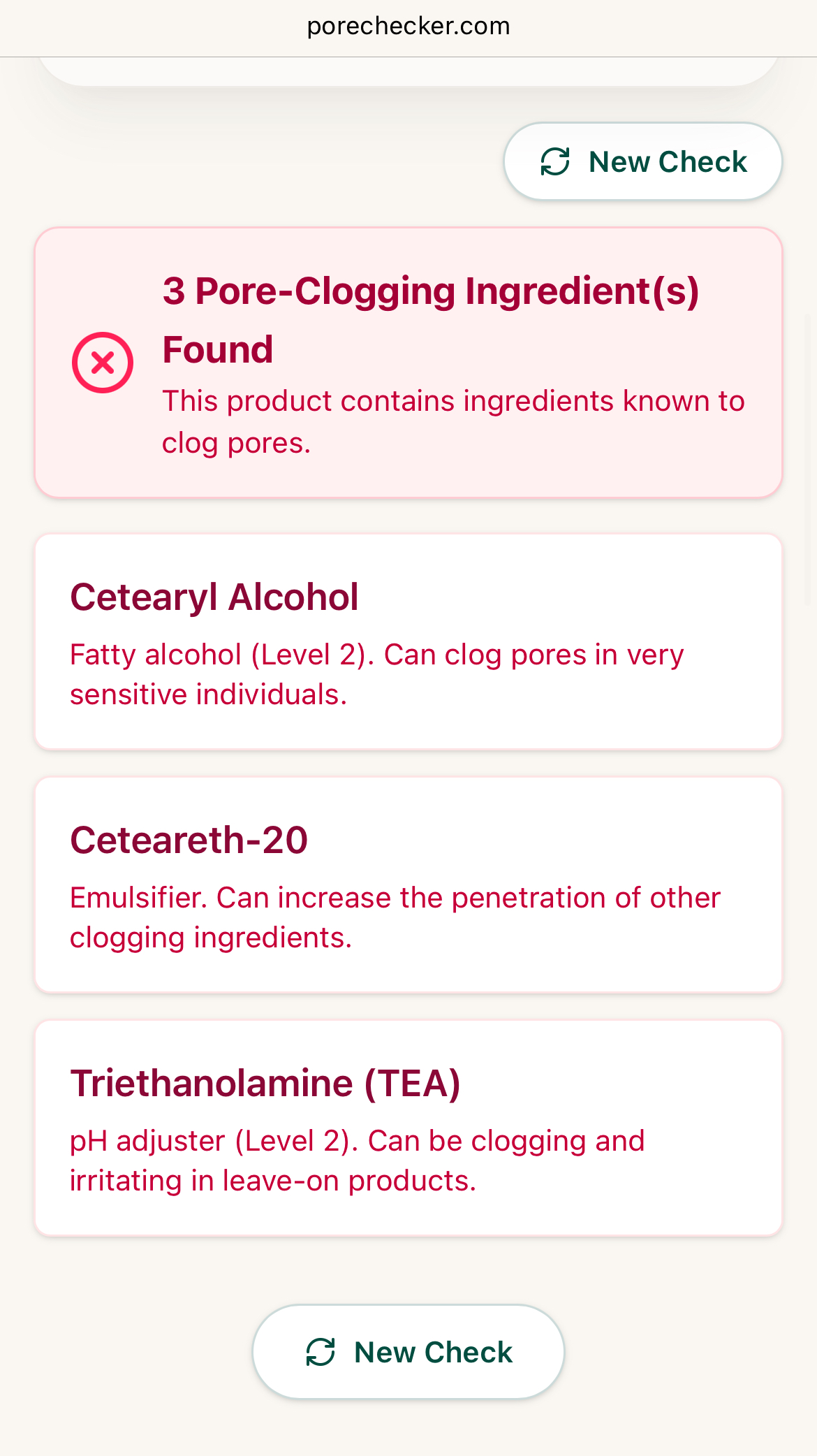
Step 3: Clear Results for Clearer Skin
You get an immediate breakdown. If any red-flag ingredients are found, we highlight them and explain why they might be problematic for your pores.
Does this product fit my skin's needs?
Check Your Products Now