How to Treat Cat Acne: Restoring Your Pet’s Skin Health
Discover how to treat cat acne effectively. Learn the science behind feline chin breakouts and how to prevent recurring infections.
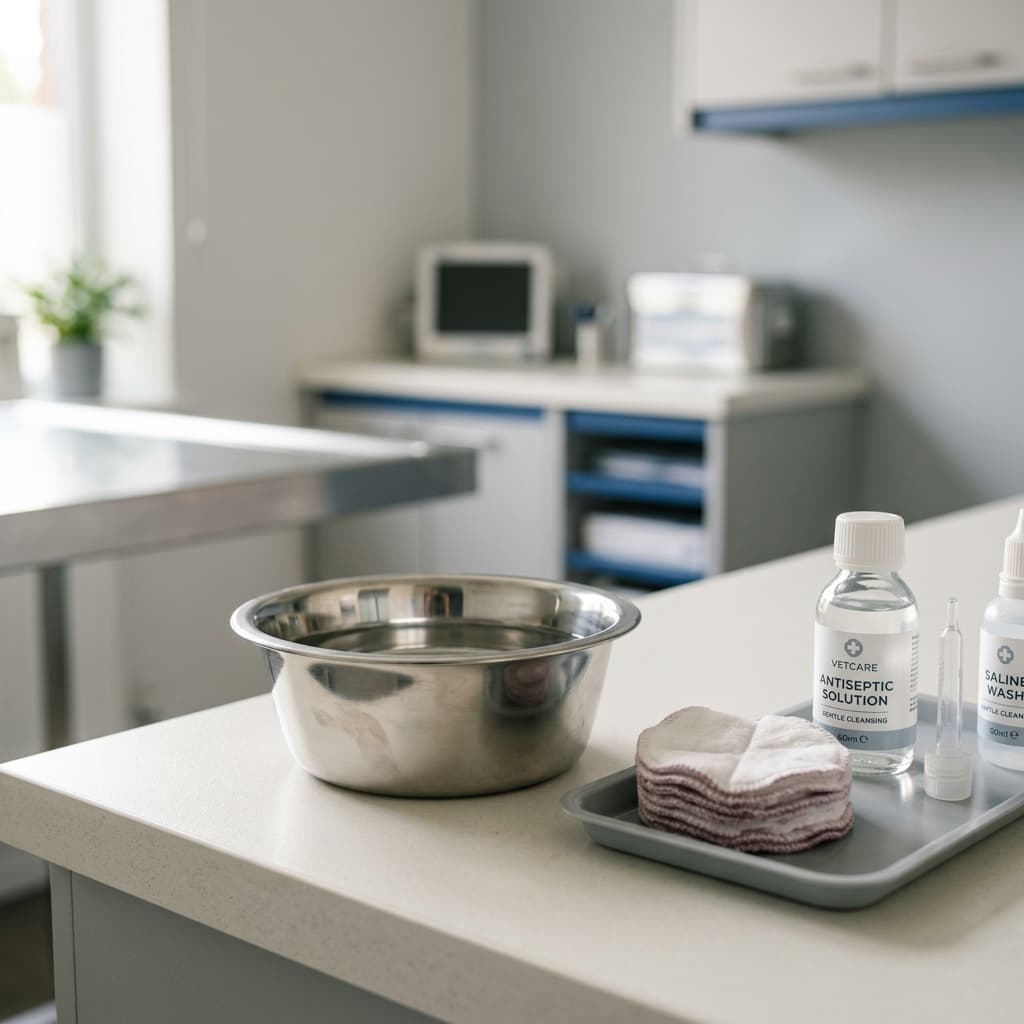
Feline acne, often manifesting as stubborn blackheads or inflamed pustules on the chin, is a frustrating condition for both pet owners and veterinarians. While it may look like simple dirt or debris, these lesions are the result of follicular hyperkeratosis—a process where the hair follicles become clogged with keratin and sebum. Because a cat’s chin is a difficult area for them to groom, it serves as a primary site for bacterial accumulation.
Effective management begins with understanding the environment of the skin. Just as we prioritize non-comedogenic care for human skin, the same logic applies to our feline companions. Addressing the surface-level buildup requires gentle, consistent intervention rather than aggressive scrubbing, which can often exacerbate inflammation and disrupt the delicate skin barrier.
The Role of Surface Hygiene
The most common culprit behind localized feline acne is the material of their feeding and water dishes. Plastic bowls are porous and prone to developing microscopic fissures, which act as perfect breeding grounds for bacteria and biofilm. When a cat eats or drinks, these bacteria are transferred directly to the chin, leading to repeated follicular clogging.
Switch to Stainless Steel or Ceramic
Replacing plastic bowls with high-quality stainless steel or glazed ceramic is the first step in successful treatment. These non-porous surfaces are significantly easier to sanitize, preventing the bacterial cycling that keeps acne active. Ensure these vessels are cleaned daily with mild, fragrance-free soap to minimize the risk of irritation.
Effective Topical Management
When treating active lesions, the goal is to soften the keratin plugs and reduce bacterial load. Using a warm, soft compress can help loosen debris before gently wiping the area with a vet-recommended antiseptic solution. Never attempt to squeeze or pop these lesions, as this can force debris deeper into the follicle, triggering a more severe secondary infection that may require systemic antibiotics.
Professional Veterinary Intervention
If the acne progresses to deep-seated cysts or shows signs of swelling, redness, and hair loss, professional diagnosis is required. Your veterinarian may need to perform a skin scraping to rule out parasites or fungal infections like ringworm. In some cases, topical retinoids or benzoyl peroxide may be prescribed, though these must be used under strict medical supervision as they can be highly irritating to delicate feline skin.
Don't Let Your Products Ruin Your Progress
While you focus on clearing your cat's chin, it is easy to overlook the hidden factors that contribute to recurring breakouts. Many household products, including certain cleaning agents or even the oils found in grooming supplies and pet-safe wipes, contain ingredients that can clog follicles or create a sticky residue that traps bacteria. Even if a product is labeled as safe for pets, it may not be "acne-safe," meaning it could inadvertently undo your hard work by triggering new inflammation. Checking the ingredient lists of every topical product you use—from ear cleansers to chin wipes—is essential to ensure you are not introducing new pore-clogging agents into your cat’s recovery routine.
Step 1: Upload Your Product Image
Simply snap a photo of the ingredient list on the back of any bottle, jar, or box. No typing required.

Step 2: Instant AI Ingredient Analysis
Our advanced AI scans the image, performs OCR (Optical Character Recognition), and matches every ingredient against our curated database of comedogenic substances.

Step 3: Clear Results for Clearer Skin
You get an immediate breakdown. If any red-flag ingredients are found, we highlight them and explain why they might be problematic for your pores.
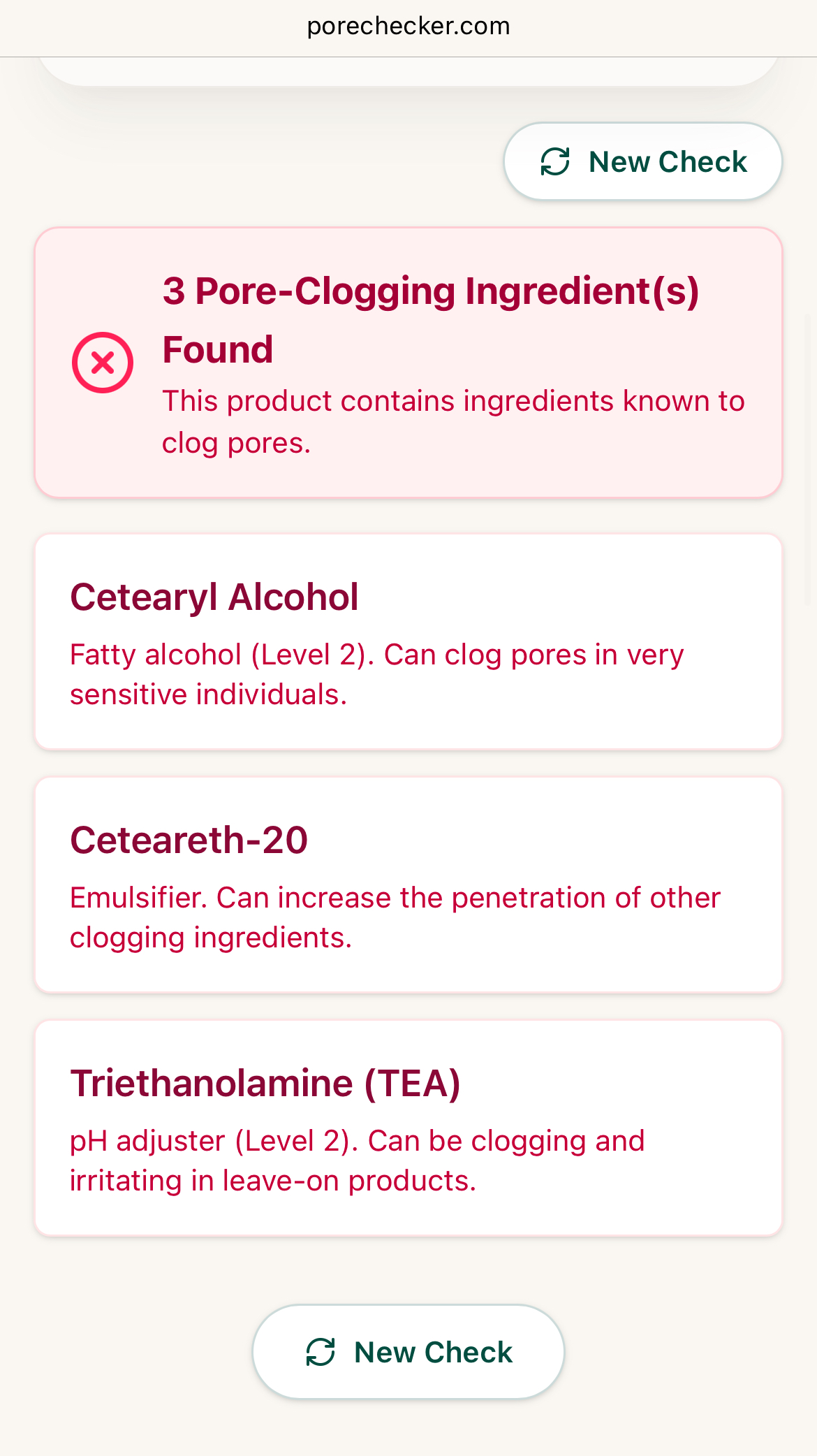
Does this product fit my skin's needs?
Check Your Products Now