How to Use Clindamycin for Acne: A Dermatologist’s Protocol for Clearer Skin
Learn how to use clindamycin for acne effectively. Discover expert tips on application, purging, and maintaining a clear complexion.
Acne is rarely a simple cosmetic concern; it is a clinical condition that often requires a targeted, pharmaceutical approach to restore the skin’s microbiome. Clindamycin, a potent lincosamide antibiotic, serves as a cornerstone in dermatological therapy due to its ability to inhibit the protein synthesis of Cutibacterium acnes—the bacteria primarily responsible for inflammatory breakouts. When used correctly, it acts as a powerful anti-inflammatory agent that can calm angry, red pustules while preventing new lesions from forming.
However, efficacy is entirely dependent on the rigor of your application method. Because clindamycin is an antibiotic, it should never be treated as a general moisturizer or a spot treatment applied haphazardly. Success lies in consistency and the integration of non-comedogenic practices that protect the skin barrier while the medication does its work. Overusing or misapplying this topical can lead to bacterial resistance, turning a helpful tool into an ineffective one over time.
The Clinical Approach to Application
To achieve the best results, you must ensure the skin is a receptive canvas. Start by cleansing with a gentle, pH-balanced cleanser to remove excess oil and environmental debris. Pat your skin dry with a clean towel; applying clindamycin to damp skin can increase penetration too rapidly, potentially leading to unnecessary irritation or stinging in sensitive areas.
Dispense a pea-sized amount of the medication—gel, lotion, or solution—and apply a thin, even layer over the entire affected area, rather than focusing only on individual spots. Treating the terrain, not just the mountain, prevents the migration of bacteria to surrounding pores. Allow the medication to absorb completely for at least three to five minutes before layering any subsequent serums or moisturizers. This wait time is non-negotiable, as it ensures the active ingredient stays put where you placed it.
Synergy and Frequency
Dermatologists frequently pair clindamycin with benzoyl peroxide. This combination is essential because benzoyl peroxide introduces oxygen into the pore, effectively killing bacteria via oxidation while simultaneously reducing the risk of antibiotic resistance. When using these in tandem, apply them exactly as prescribed, whether that means using them at separate times of the day or as a combined formulation. Never assume that more is better; exceeding the recommended frequency will only dehydrate your dermal layers, compromising your moisture barrier and potentially leading to a rebound in oil production.
Don't Let Your Products Ruin Your Progress
While clindamycin works to neutralize bacterial activity, your progress can be silently sabotaged by the other products in your cabinet. Many seemingly gentle moisturizers, sunscreens, and makeup products contain "hidden" comedogenic ingredients—such as certain fatty acids, oils, or waxes—that are specifically designed to trap debris inside the follicle. Even if your prescription is functioning perfectly, these ingredients can create a physical blockade that negates the benefits of your medication by fostering the exact environment the clindamycin is trying to eliminate. To ensure your hard work pays off, it is vital to audit your entire routine and verify that every product touching your face is truly non-comedogenic, effectively clearing the path for your treatment to succeed.
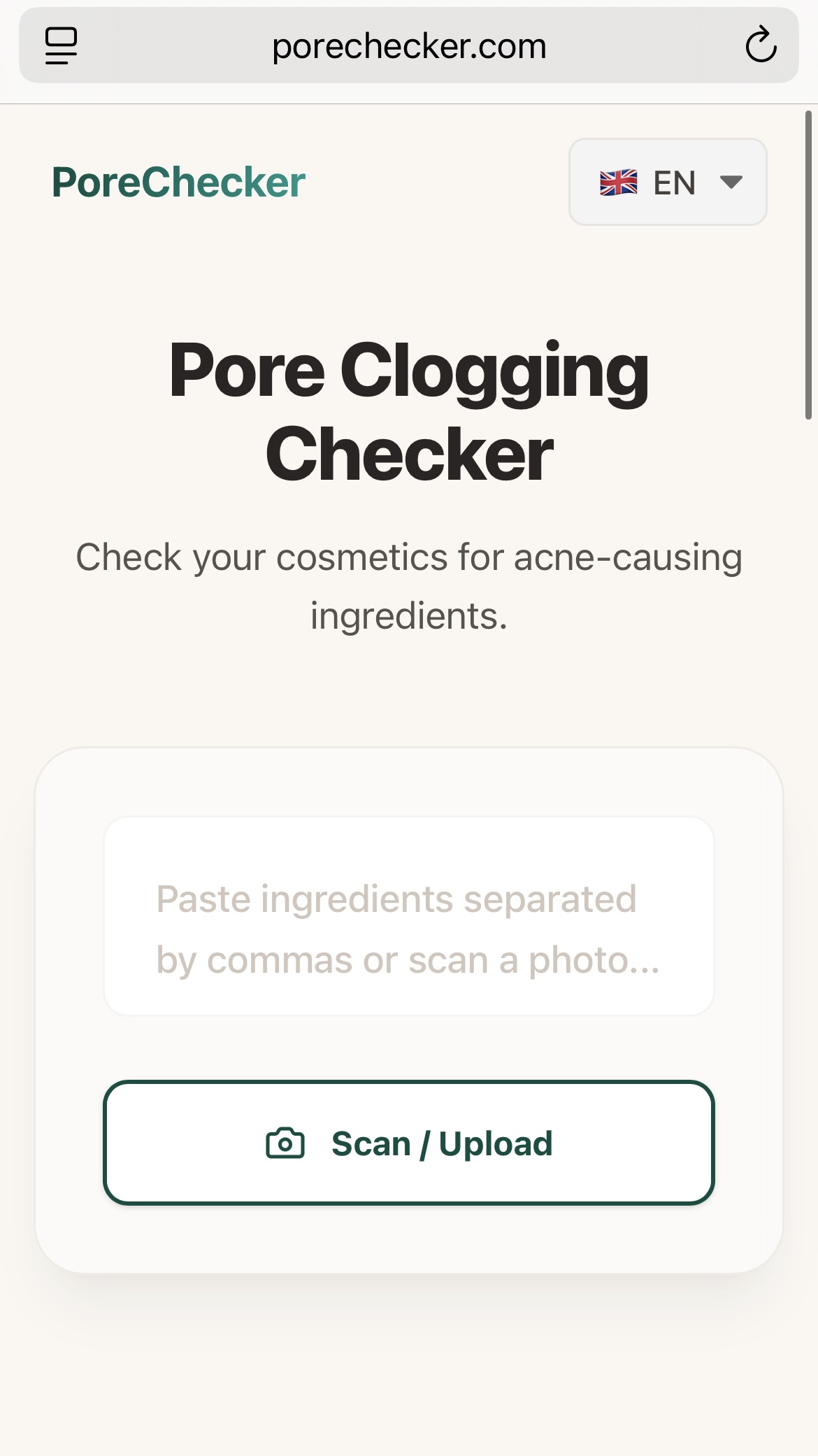
Step 1: Upload Your Product Image
Simply snap a photo of the ingredient list on the back of any bottle, jar, or box. No typing required.
Step 2: Instant AI Ingredient Analysis
Our advanced AI scans the image, performs OCR (Optical Character Recognition), and matches every ingredient against our curated database of comedogenic substances.

Step 3: Clear Results for Clearer Skin
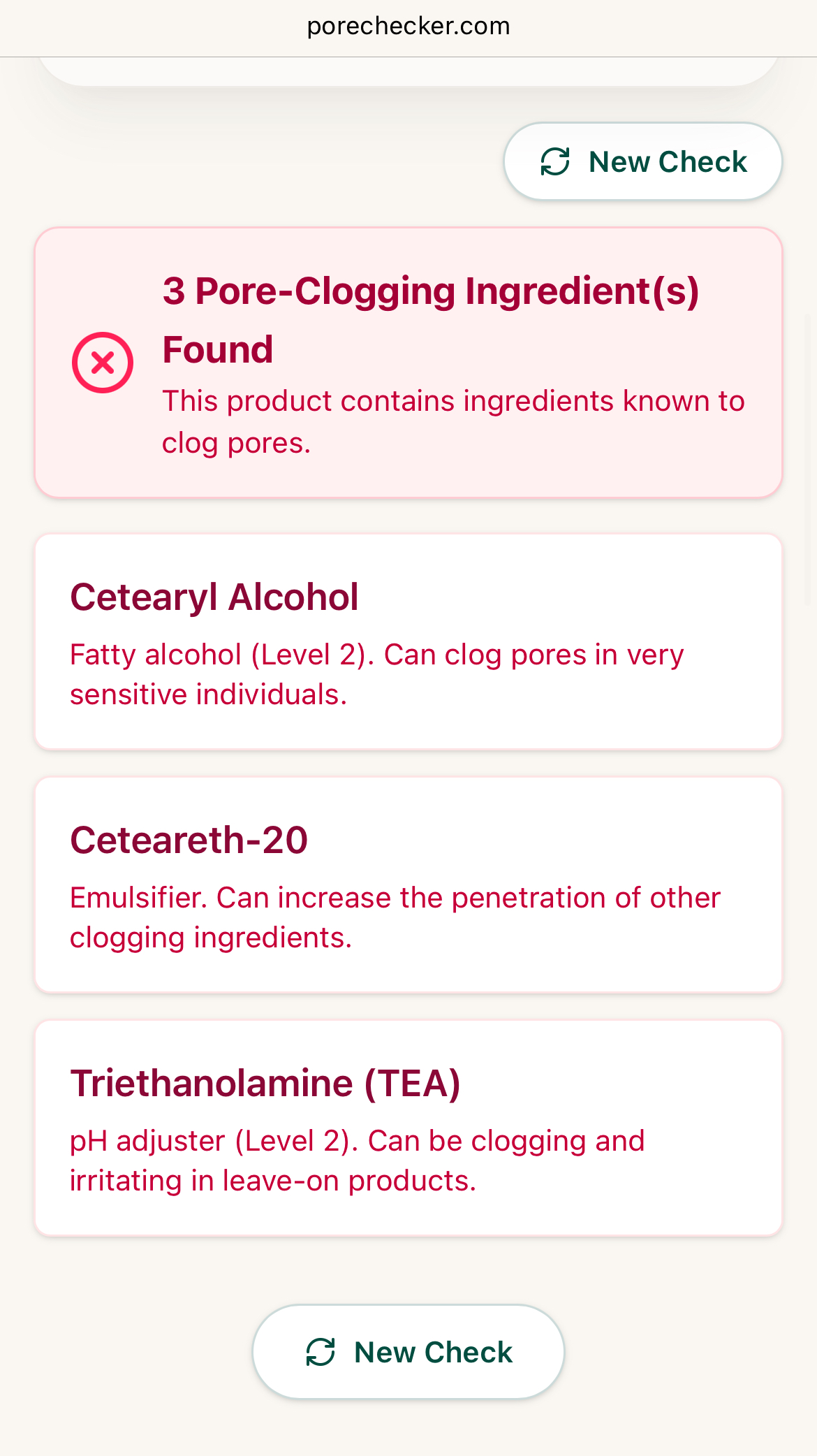
You get an immediate breakdown. If any red-flag ingredients are found, we highlight them and explain why they might be problematic for your pores.
Does this product fit my skin's needs?
Check Your Products Now