How to Use Moisturizer Like a Pro: Your Guide to Hydrated, Healthy Skin
Learn how to use moisturizer effectively for optimal hydration and a healthy skin barrier. Expert tips and techniques for all skin types.
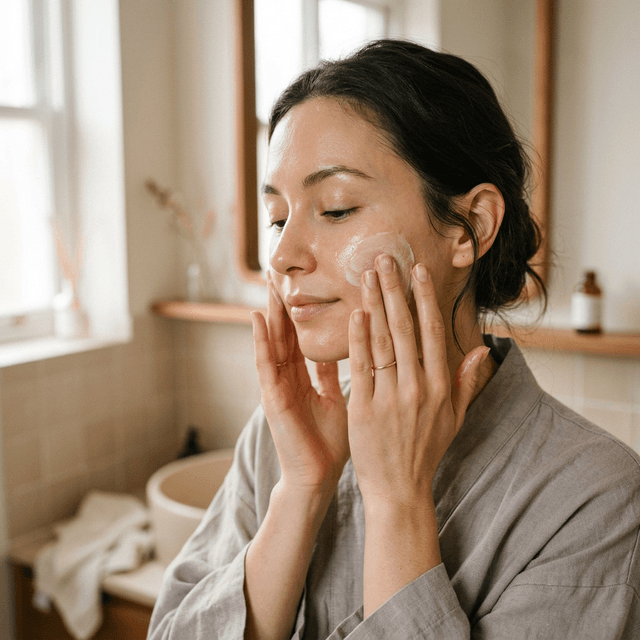
Achieving and maintaining healthy, radiant skin often begins with proper hydration, and the cornerstone of any effective skincare routine is, undoubtedly, a quality moisturizer. But simply slapping on some cream isn't enough. The key to unlocking the full benefits of moisturization lies in understanding how to use moisturizer correctly and tailoring your approach to your unique skin type and concerns. This guide will walk you through the science, the techniques, and the hidden pitfalls, helping you transform your skincare routine and achieve the hydrated, glowing complexion you deserve. Remember, prioritizing non-comedogenic products is crucial to avoid clogged pores and breakouts.
We'll delve into the nuances of ingredient selection, application techniques, and product layering. From understanding the role of different humectants and emollients to mastering the art of applying moisturizer, this guide will equip you with the knowledge you need to make informed decisions and achieve lasting results. Because achieving truly great skin is a journey, and we're here to provide guidance every step of the way.
Understanding Your Skin's Needs
Before you even consider which moisturizer to use, it's essential to understand your skin type and its specific needs. Dry skin craves rich, occlusive formulas that lock in moisture, while oily skin might benefit from lighter, water-based options. Combination skin requires a more nuanced approach, often requiring different products for different areas of the face. Assessing your skin's sensitivity and any existing conditions, such as acne or eczema, will also influence your choice.
Identifying Your Skin Type
Take a moment to truly evaluate your skin. Does it feel tight and flaky? It’s likely dry. Is it shiny, especially in the T-zone? You probably have oily skin. Does it vary, with some areas dry and others oily? Then combination skin is your likely match. Are you prone to redness or irritation? This may indicate sensitive skin. Consulting with a dermatologist is always the best way to determine your precise skin type, but understanding your own skin is the first step.
Decoding Ingredients: Humectants, Emollients, and Occlusives
Understanding the language of ingredients is critical. Humectants, like hyaluronic acid and glycerin, draw moisture from the air into your skin. Emollients, such as ceramides and shea butter, smooth and soften the skin. Occlusives, like mineral oil and petrolatum, create a barrier to prevent moisture loss. A well-formulated moisturizer often contains a combination of these ingredients to provide comprehensive hydration and protection. Pay attention to the ingredient list to make informed decisions.
Mastering the Art of Application: How to Use Moisturizer Effectively
The way you apply your moisturizer is just as important as the product itself. The timing, technique, and layering all play a crucial role in maximizing its effectiveness. Improper application can hinder its potential, but with practice, you'll be well on your way to a radiant complexion.
When to Apply: The Golden Rule
The ideal time to apply moisturizer is immediately after cleansing, while your skin is still slightly damp. This helps to trap moisture and enhance absorption. Apply your moisturizer within 60 seconds of washing your face to maximize its benefits. Don't let your skin completely dry before applying your moisturizer, or you'll miss this critical window of opportunity!
Technique: Gentle is Key
Use gentle, upward motions to apply your moisturizer. Avoid pulling or tugging on the skin, especially around the delicate eye area. Gently pat the product into your skin until it is fully absorbed. Don’t rub too vigorously, as this can irritate the skin.
Layering: The Order Matters
If you use serums, apply them before your moisturizer. Serums typically contain active ingredients that can penetrate the skin more deeply. Moisturizer then seals in those active ingredients and provides a protective barrier. Remember to always apply products from thinnest to thickest consistency.
Don't Let Your Products Ruin Your Progress
Even with the best techniques, choosing the wrong moisturizer can lead to breakouts and other skin issues. Sadly, many products contain ingredients that can clog pores, leading to the very problems we're trying to avoid. Take the time to identify potentially comedogenic ingredients in your moisturizer to avoid unnecessary breakouts. Look closely at the ingredients of your products: ingredients can have a significant effect on your skin's health.
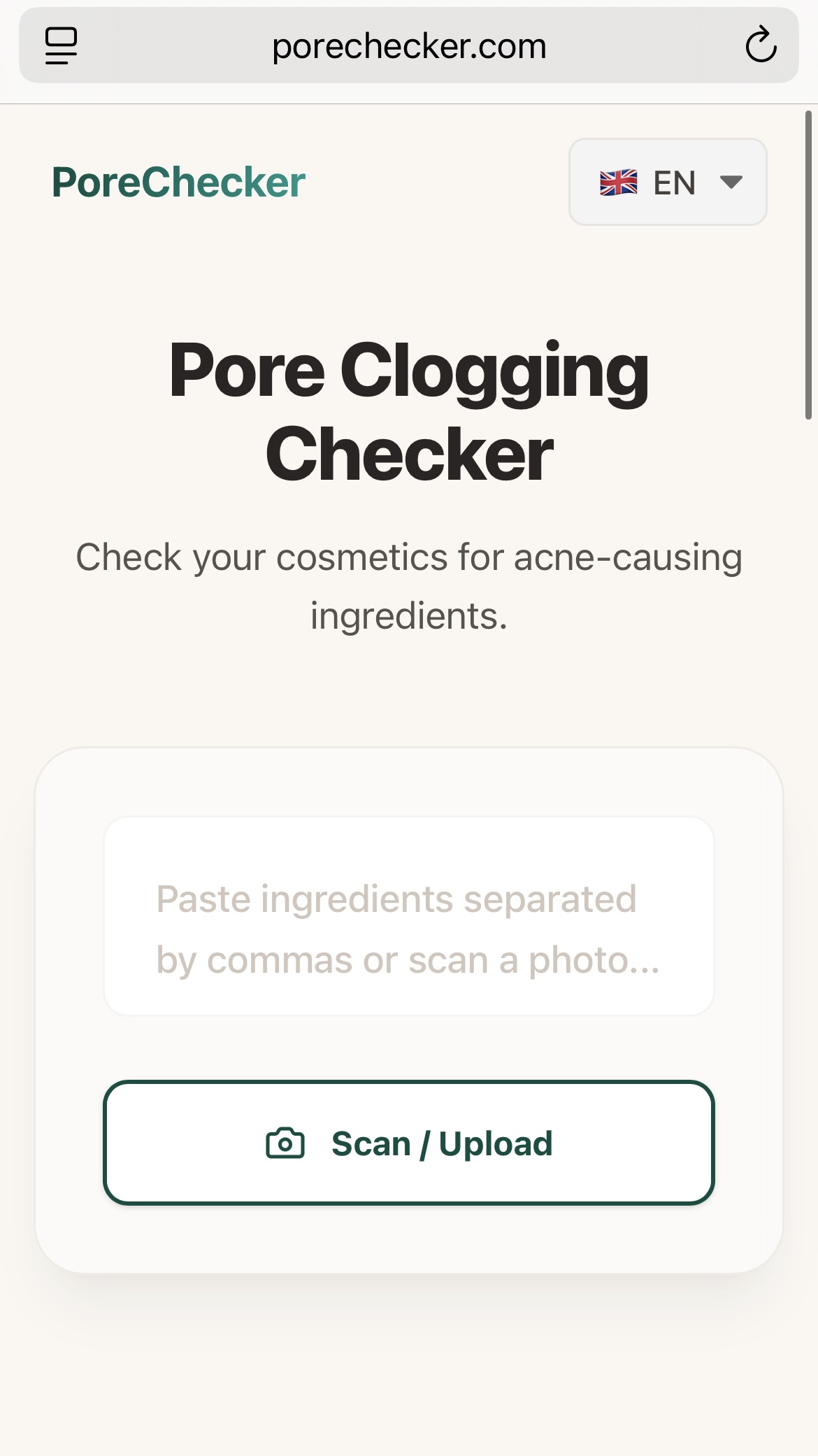
Step 1: Upload Your Product Image
Simply snap a photo of the ingredient list on the back of any bottle, jar, or box. No typing required.
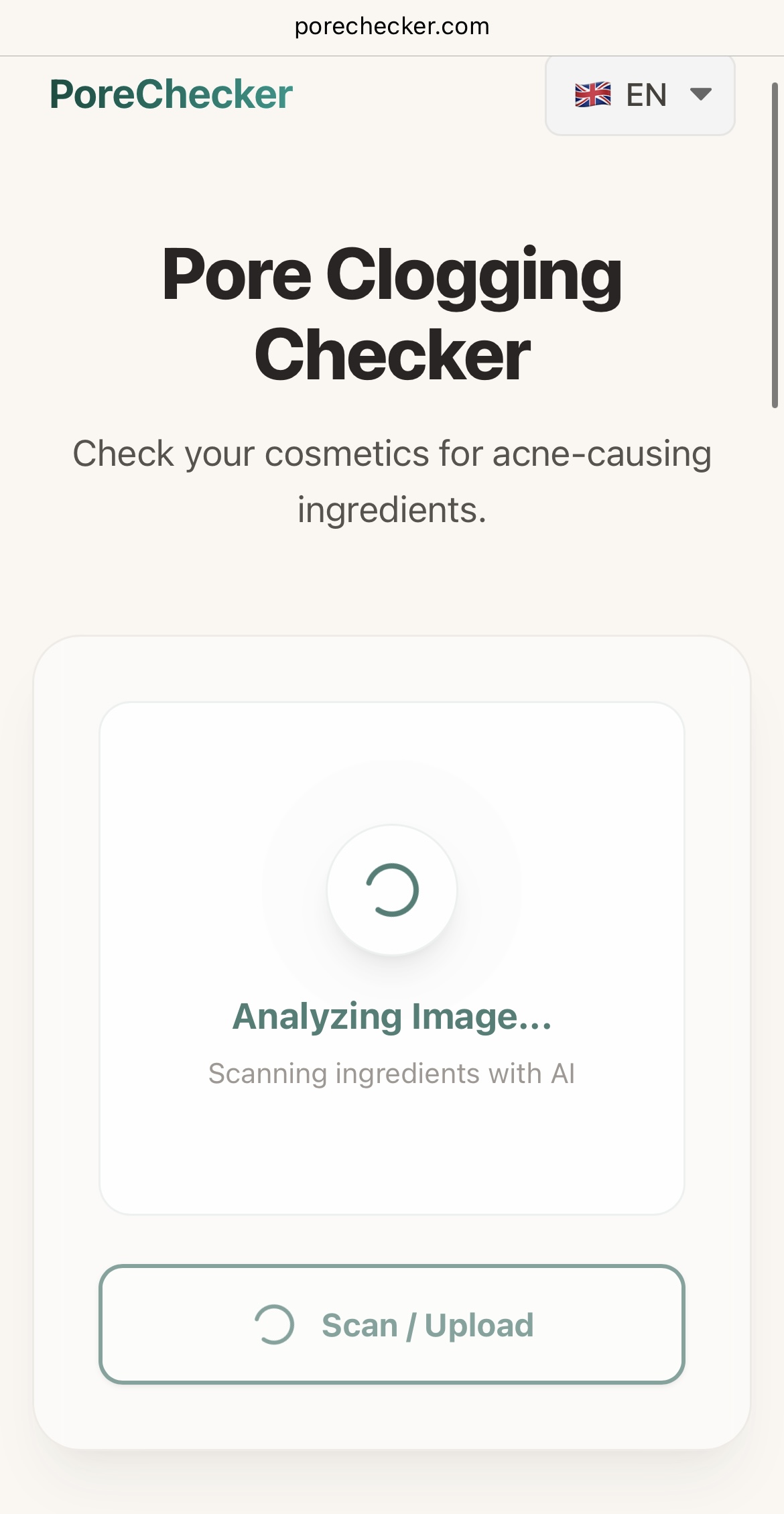
Step 2: Instant AI Ingredient Analysis
Our advanced AI scans the image, performs OCR (Optical Character Recognition), and matches every ingredient against our curated database of comedogenic substances.
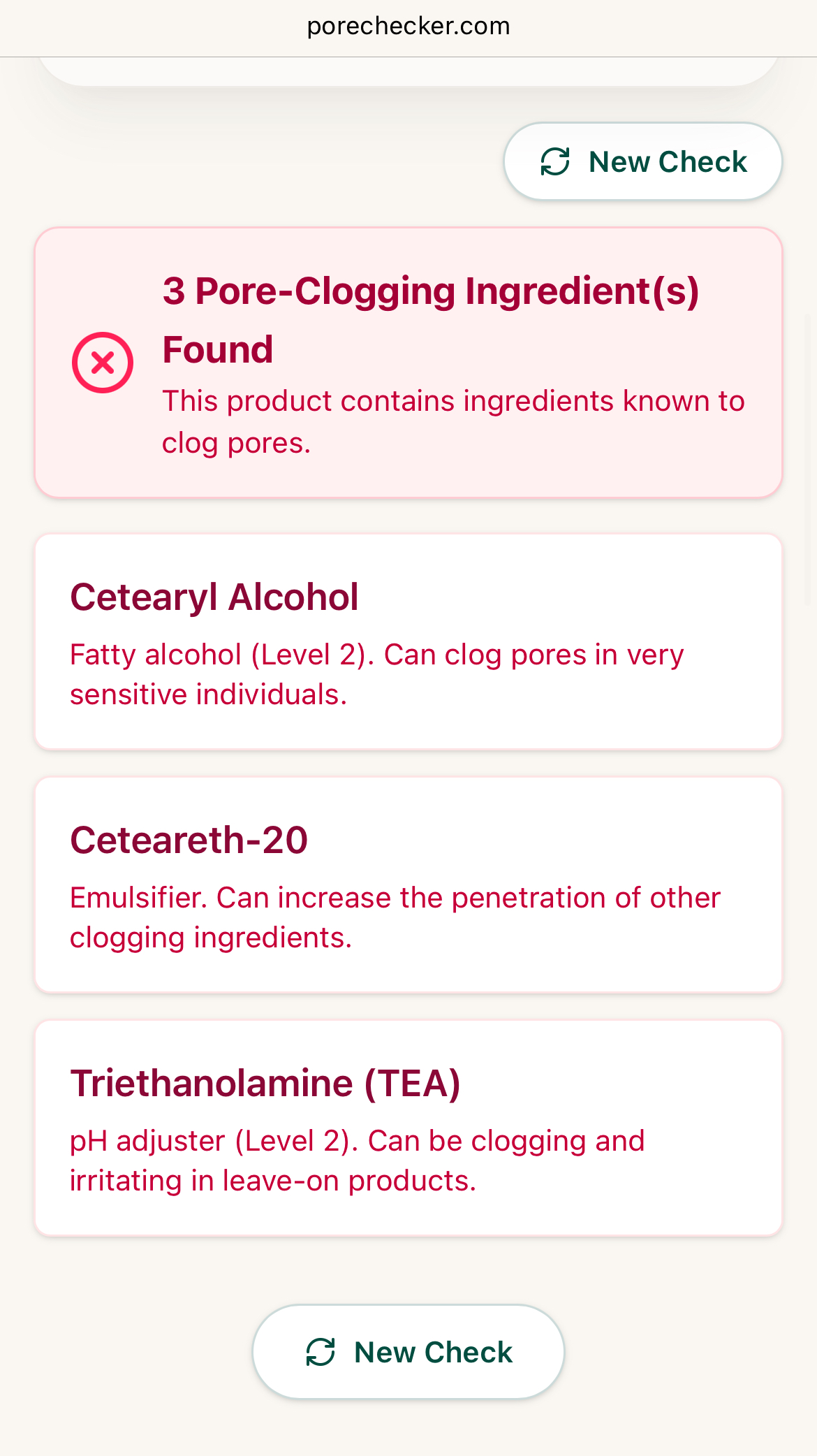
Step 3: Clear Results for Clearer Skin
You get an immediate breakdown. If any red-flag ingredients are found, we highlight them and explain why they might be problematic for your pores.
Does this product fit my skin's needs?
Check Your Products Now