How to Use Tretinoin Cream With Moisturizer to Minimize Irritation
Learn the professional method for how to use tretinoin cream with moisturizer to reduce irritation while maintaining skin health.
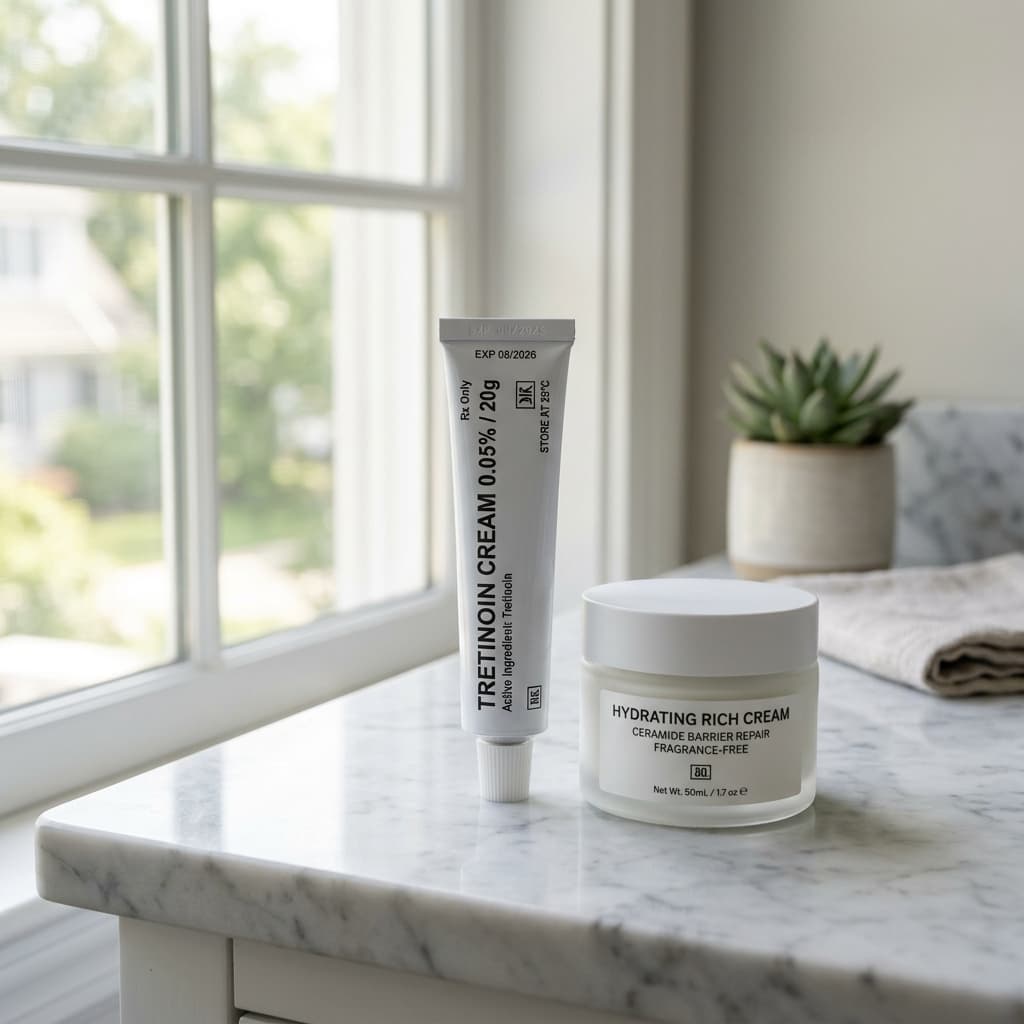
Tretinoin remains the gold standard for clinical-grade acne management and cellular turnover, yet its potency often leads to the dreaded "retinization" phase. Flaking, stinging, and redness are common side effects that cause many to abandon their treatment prematurely. Understanding how to use tretinoin cream with moisturizer is not merely a suggestion for comfort; it is a strategic approach to preserving your skin barrier function while allowing the active ingredient to work its transformative magic.
The goal is to maintain skin integrity throughout the adjustment period. By incorporating a high-quality, non-comedogenic moisturizer, you provide the lipid support necessary to buffer the intensity of retinoic acid. When you prioritize barrier health, you minimize the inflammation that can often lead to further breakouts or hyperpigmentation, ensuring that your skin stays hydrated enough to tolerate the medication consistently.
The Sandwich Method: A Clinical Strategy
The most effective way to introduce tretinoin into your routine is through the "sandwich" technique. This method involves applying a thin layer of moisturizer to clean, dry skin, followed by a pea-sized amount of tretinoin, and finishing with a second layer of moisturizer. This layering creates a buffer that slows the absorption rate of the medication without rendering it ineffective.
Timing Your Application
Wait approximately twenty minutes after washing your face before applying your first layer of moisturizer. Applying tretinoin to damp skin significantly increases its penetration, which can overwhelm sensitive skin and trigger unnecessary irritation. By waiting for the skin to be completely dry, you control the depth and speed at which the active ingredient interacts with your cellular receptors.
Selecting the Right Buffer
Not all moisturizers are created equal when used alongside retinoids. You want a formula that focuses on barrier repair using ingredients like ceramides, hyaluronic acid, or squalane. Avoid products laden with heavy fragrances or essential oils, as these can exacerbate the skin sensitivity caused by your tretinoin treatment.
Identifying Hidden Pore-Cloggers
Many moisturizers marketed as "gentle" contain ingredients that are comedogenic, meaning they have a high likelihood of clogging pores. Even if your moisturizer feels soothing, it might be sabotaging your results by causing micro-comedones that lead to acne. It is vital to scrutinize your ingredient labels for common culprits like isopropyl myristate, certain algae extracts, or heavy oils that may counteract the clearing benefits of your tretinoin.
Don't Let Your Products Ruin Your Progress
Mastering the balance between tretinoin and hydration is only half the battle. You can follow every professional technique for applying your medication, but if your moisturizer contains ingredients that quietly trigger acne, your efforts will be undermined. Identifying these hidden irritants is essential to maintaining clear skin, as many standard drugstore products contain pore-clogging agents that work against the very treatment you are using to achieve a healthy complexion. Before committing to a moisturizer, verify that every ingredient in your routine is truly non-comedogenic to ensure your hard work pays off with the clear, balanced skin you deserve.
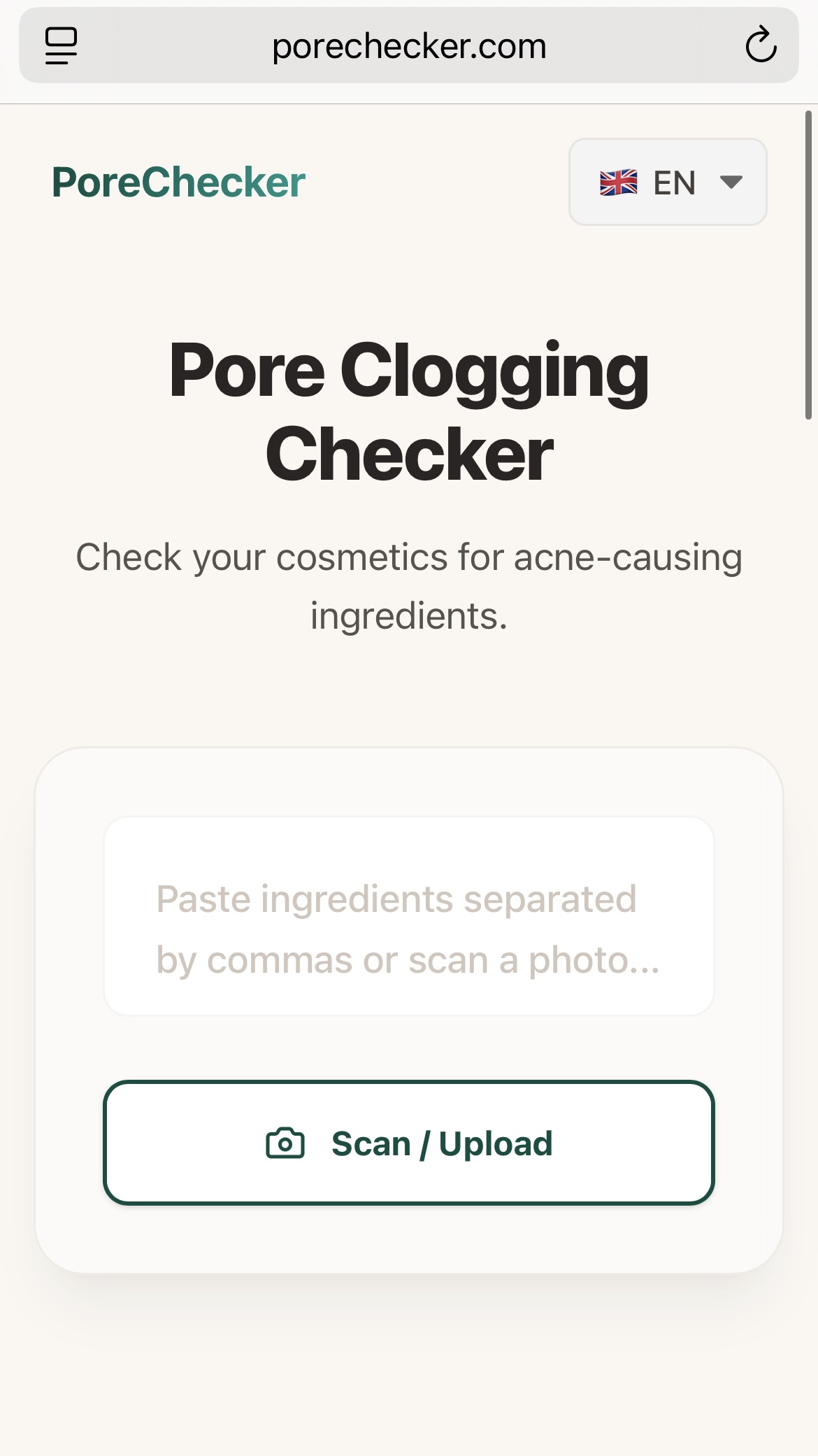
Step 1: Upload Your Product Image
Simply snap a photo of the ingredient list on the back of any bottle, jar, or box. No typing required.
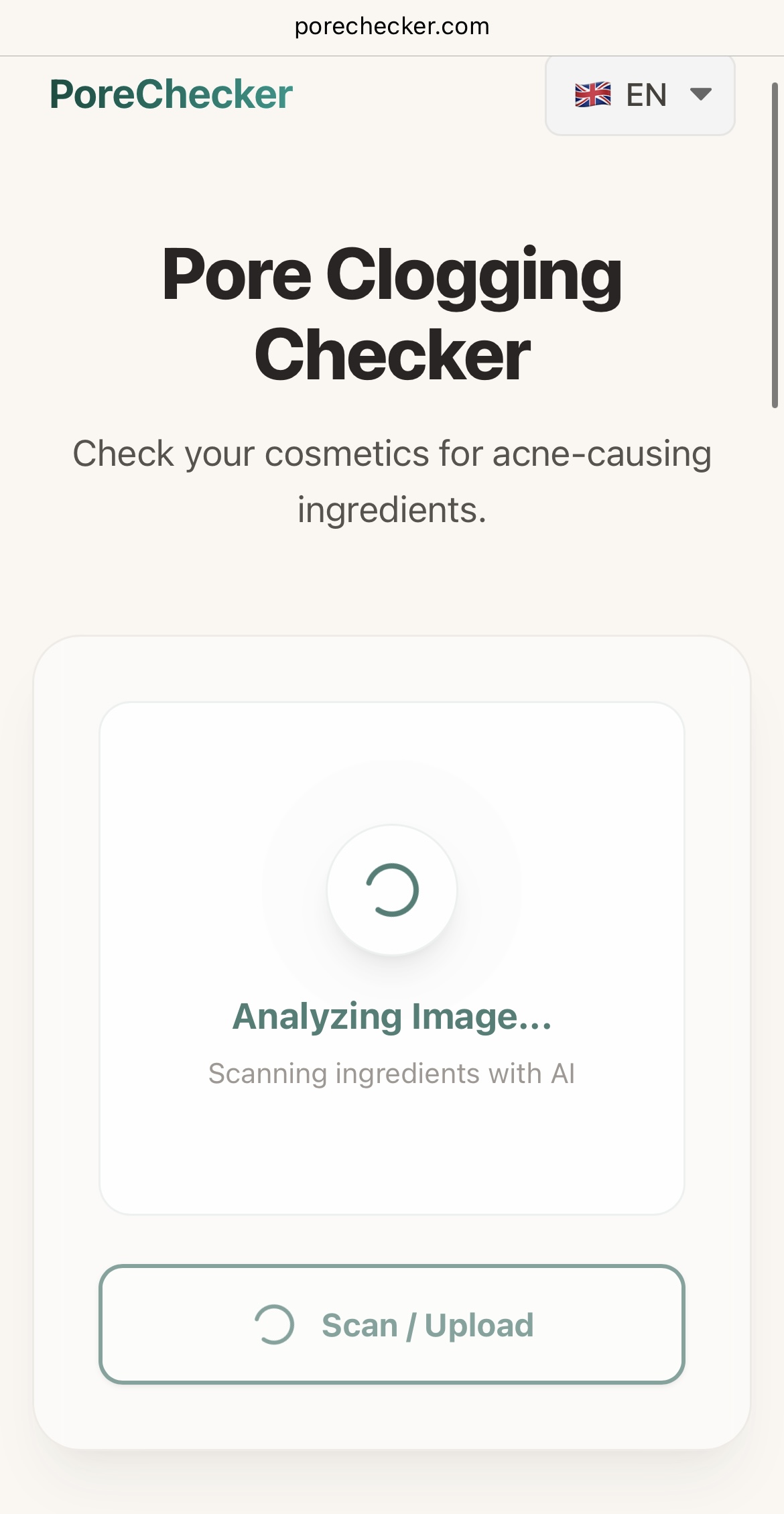
Step 2: Instant AI Ingredient Analysis
Our advanced AI scans the image, performs OCR (Optical Character Recognition), and matches every ingredient against our curated database of comedogenic substances.
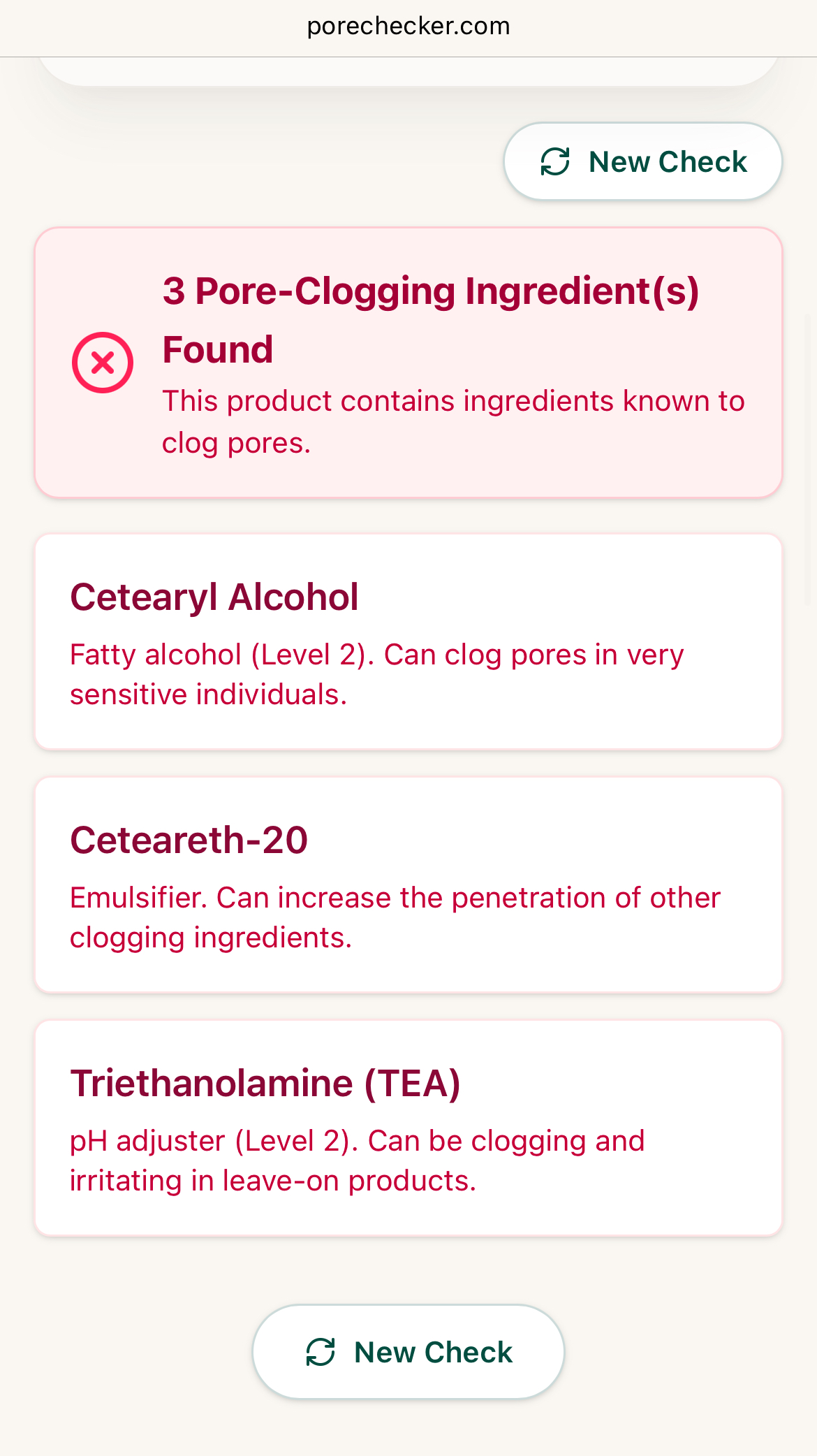
Step 3: Clear Results for Clearer Skin
You get an immediate breakdown. If any red-flag ingredients are found, we highlight them and explain why they might be problematic for your pores.
Does this product fit my skin's needs?
Check Your Products Now