Is Acne a Sign of Pregnancy? Understanding Hormonal Skin Changes
Experiencing breakouts and wondering if you could be pregnant? Learn why acne can be an early indicator of pregnancy and how to manage your skin during this transition.

During the early stages of pregnancy, the body undergoes a rapid and dramatic shift in hormone levels. For many women, these changes manifest on the skin, leading some to ask, "is acne a sign of pregnancy?" While acne alone is not a definitive proof of pregnancy, sudden breakouts—especially in those who usually have clear skin—can indeed be one of the many early indicators. Understanding why this happens and how to manage it safely is crucial for maintaining both your skin health and peace of mind during this special transition.
The Link Between Pregnancy and Acne
The primary culprit for pregnancy-related acne is a surge in progesterone. During the first trimester, progesterone levels rise significantly to support the pregnancy. This hormonal spike stimulates the sebaceous glands, leading to increased oil production. When this excess oil mixes with dead skin cells and bacteria, it can clog pores and lead to inflammatory breakouts, similar to the hormonal acne many experience during their menstrual cycle.
When Does Pregnancy Acne Typically Appear?
Pregnancy-related breakouts most commonly occur during the first and second trimesters, as the body is adjusting to the new hormonal balance. For some, the skin clears up beautifully in the third trimester—often referred to as the "pregnancy glow"—as hormone levels stabilize. However, every woman's experience is unique, and some may deal with persistent skin changes throughout their entire pregnancy.
Managing Your Skin Safely During Pregnancy
If you are pregnant or suspect you might be, it is vital to adjust your skincare routine, as some common acne treatments are not recommended during pregnancy:
- Avoid Retinoids: High doses of Vitamin A (found in retinol and prescription retinoids) should be avoided due to potential risks to the baby.
- Be Cautious with Salicylic Acid: While low concentrations in cleansers are often considered safe, it is best to consult with your doctor before using high-strength leave-on BHAs.
- Safe Alternatives: Glycolic acid (AHA) and azelaic acid are generally considered safe alternatives for exfoliation and managing breakouts during pregnancy.
- Focus on Non-Comedogenic Basics: Stick to a simple routine of a gentle cleanser and a lightweight, oil-free moisturizer. Ensuring every product is non-comedogenic is more important now than ever.
Consult Your Healthcare Provider
If you are experiencing significant breakouts and believe you may be pregnant, the first step is to take a pregnancy test and consult with your healthcare provider or a dermatologist. They can provide personalized advice on a pregnancy-safe skincare routine and help you manage any skin-related stress during this time.
Summary
Sudden acne can indeed be an early sign of pregnancy due to shifting hormone levels. While it can be frustrating, most pregnancy-related acne is temporary and can be managed with gentle, safe, and non-comedogenic products. By listening to your body and choosing pregnancy-friendly ingredients, you can navigate these changes while keeping your skin as clear and healthy as possible.
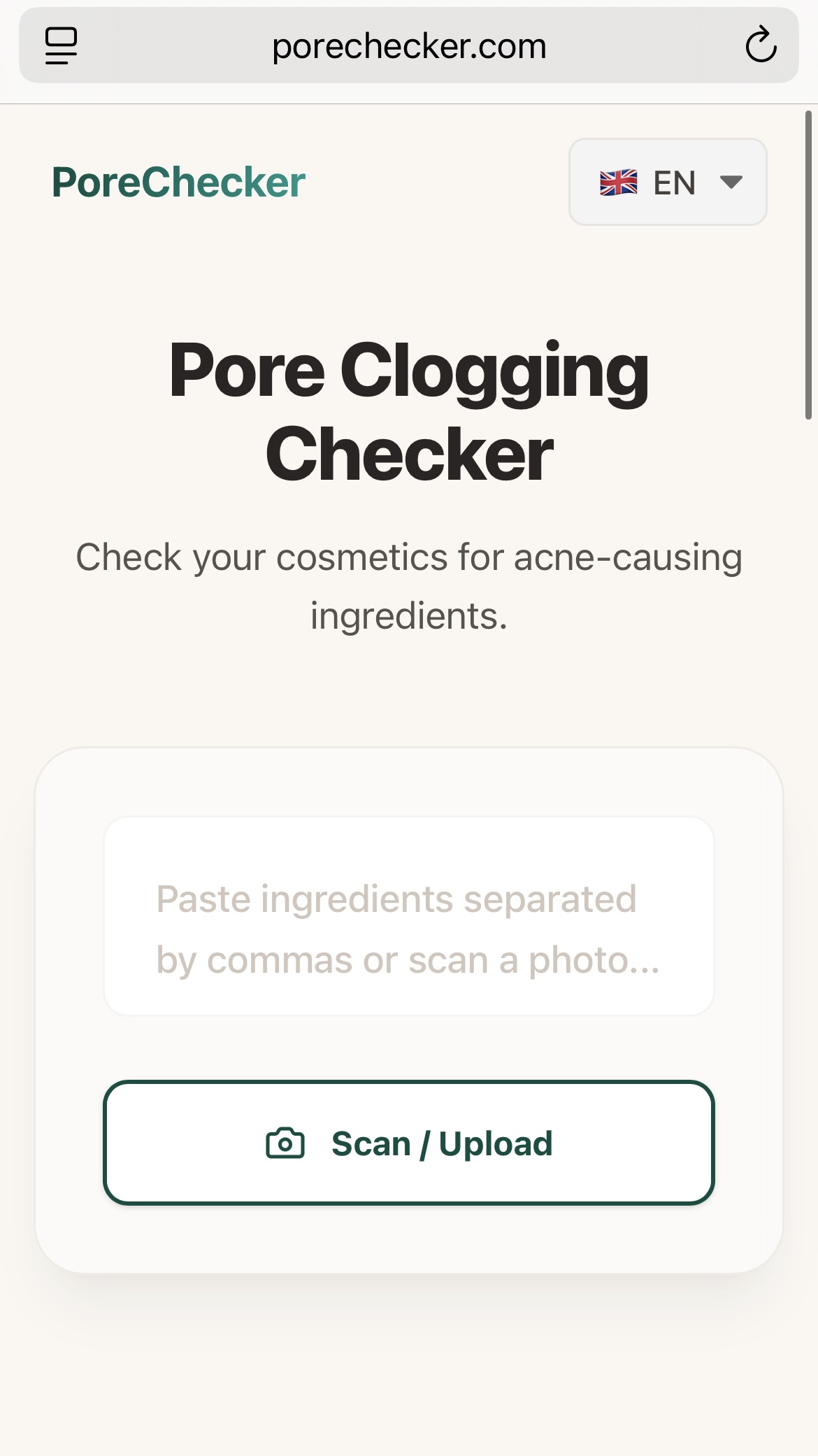
Step 1: Upload Your Product Image
Simply snap a photo of the ingredient list on the back of any bottle, jar, or box. No typing required.
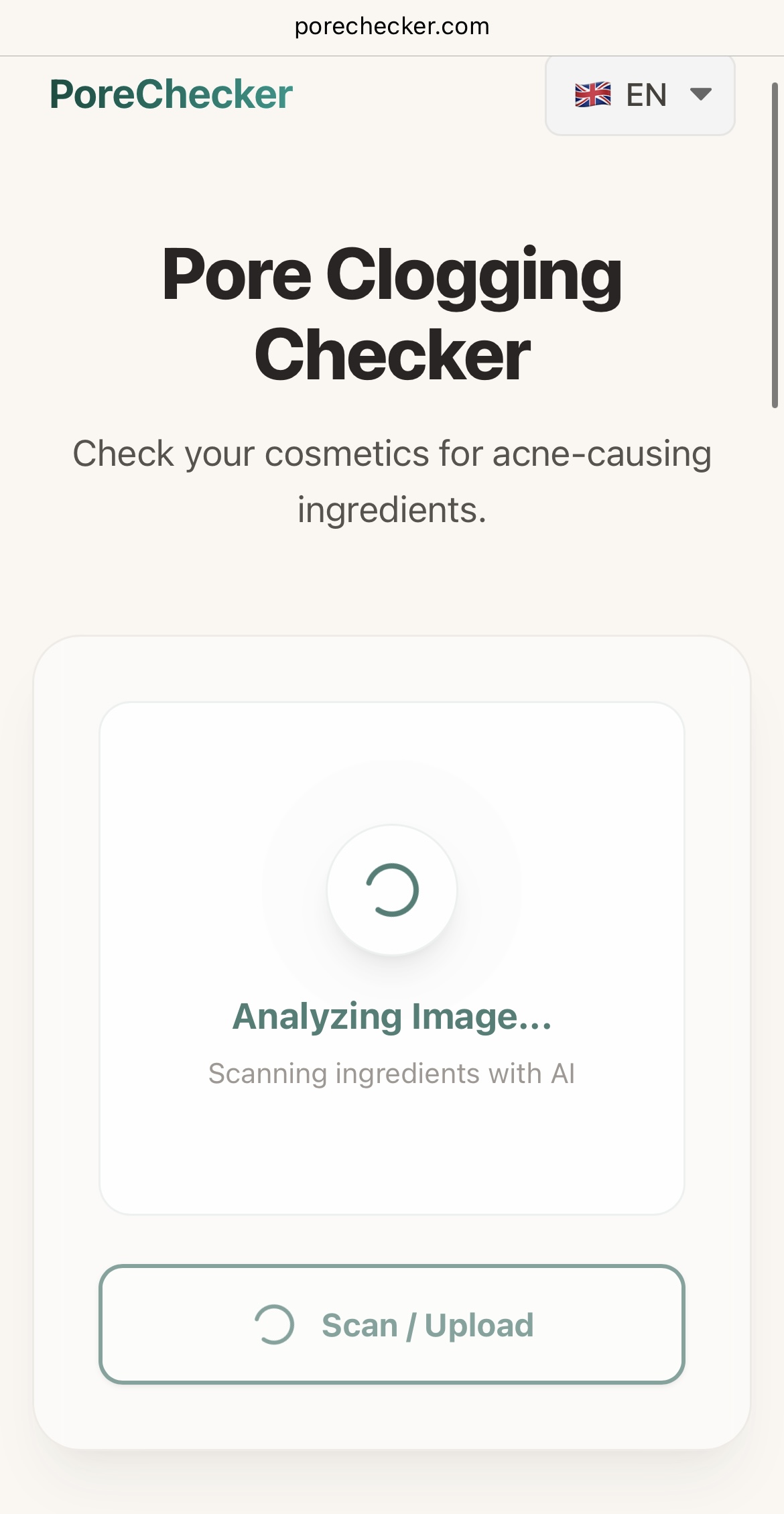
Step 2: Instant AI Ingredient Analysis
Our advanced AI scans the image, performs OCR (Optical Character Recognition), and matches every ingredient against our curated database of comedogenic substances.
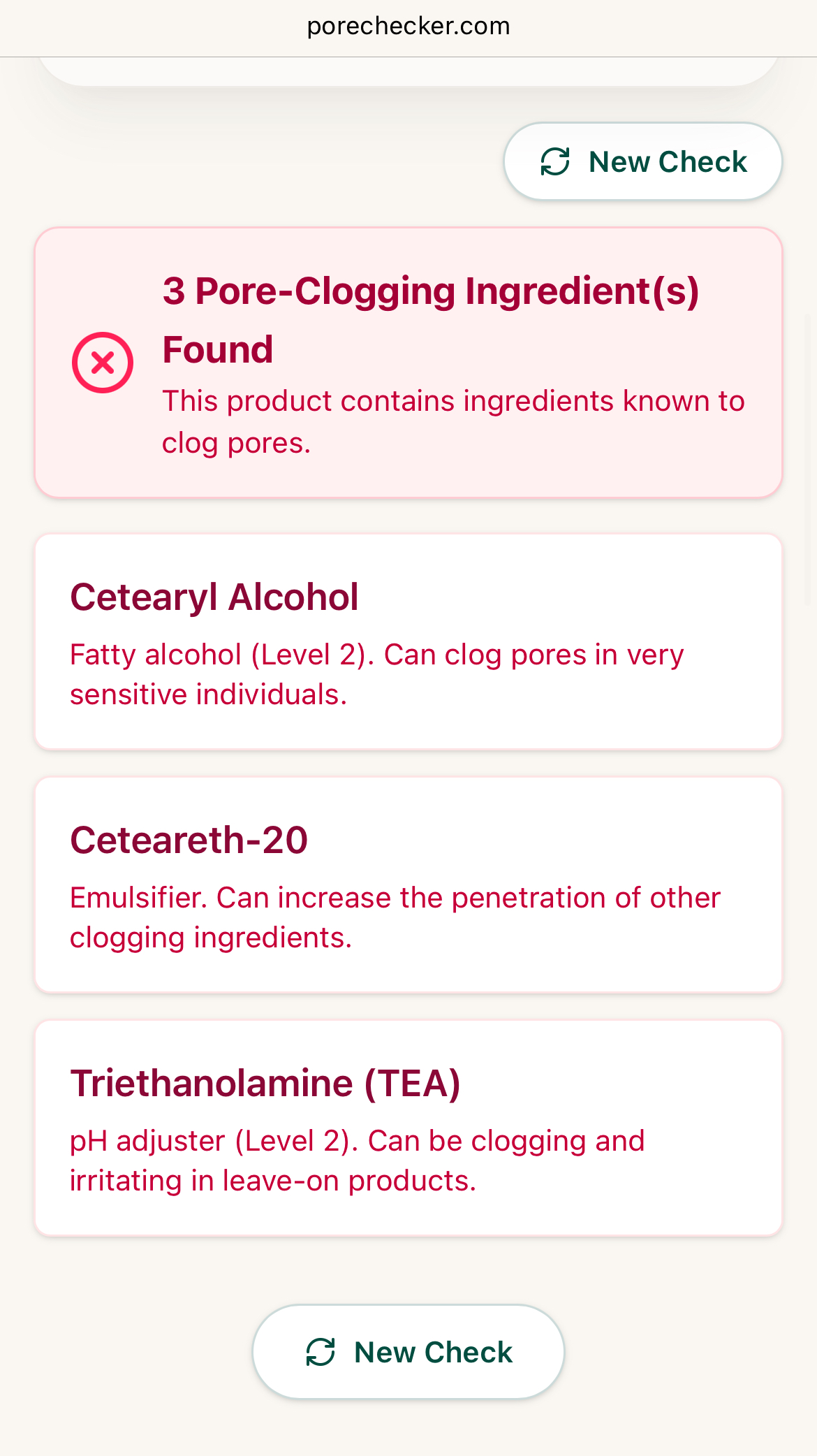
Step 3: Clear Results for Clearer Skin
You get an immediate breakdown. If any red-flag ingredients are found, we highlight them and explain why they might be problematic for your pores.
Does this product fit my skin's needs?
Check Your Products Now