Is Baby Acne Normal? Understanding Your Newborn’s Developing Skin
Is baby acne normal? Discover why newborns develop skin breakouts and how to safely care for delicate, developing skin barriers.
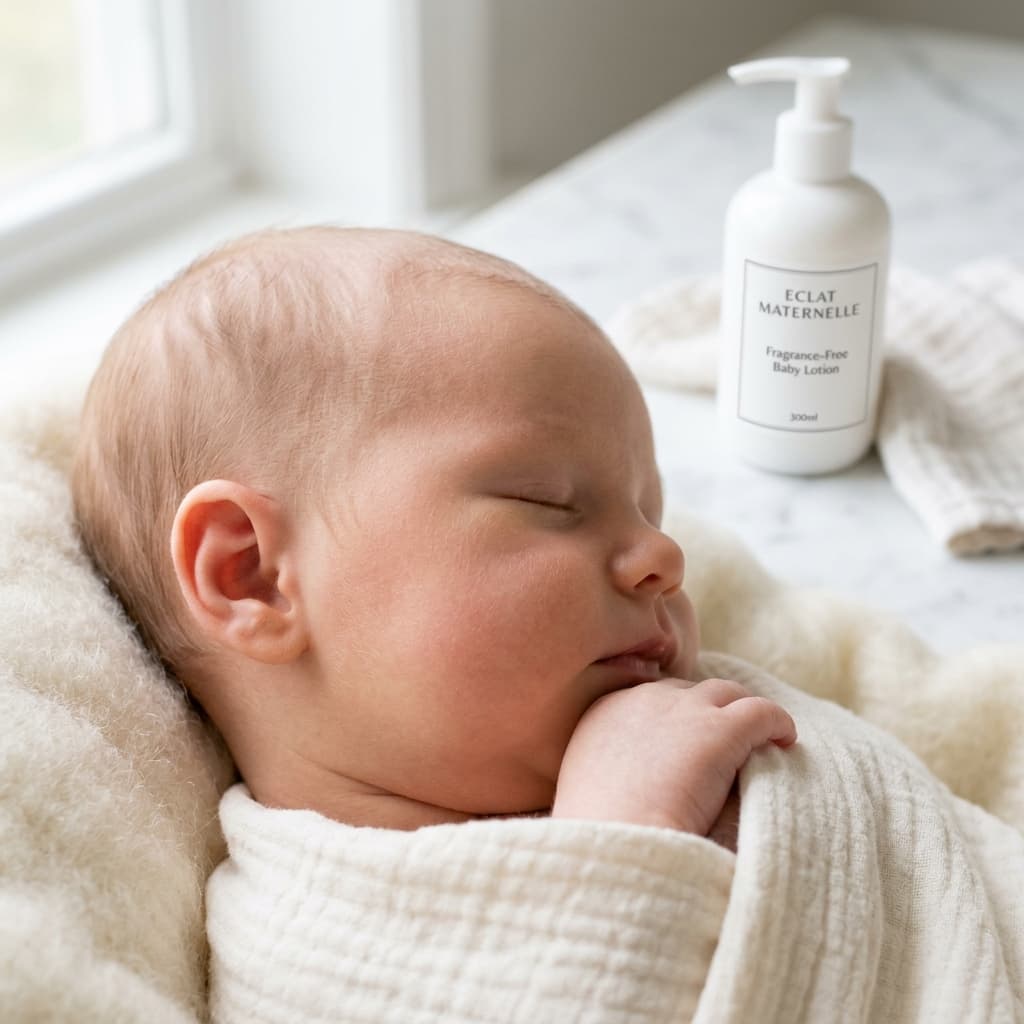
Finding tiny red bumps or whiteheads on your newborn’s cheeks, nose, or forehead is a common source of parental anxiety. You may find yourself wondering: is baby acne normal? From a clinical perspective, the answer is a resounding yes. Neonatal acne, which typically emerges within the first few weeks of life, is a harmless and temporary condition caused by a surge of maternal hormones or the immature development of the infant’s oil glands.
While the appearance of these blemishes can be jarring for new parents, it is important to remember that newborn skin is fundamentally different from adult skin. It is thinner, more permeable, and constantly adjusting to a non-sterile environment. When managing these breakouts, the gold standard is gentle, non-comedogenic care that respects the integrity of the skin barrier rather than attempting to "treat" the acne with harsh topical agents.
Why Newborns Break Out
The primary driver of neonatal acne is the sebaceous glands responding to residual maternal hormones that remain in the baby’s circulation shortly after birth. These hormones stimulate the glands to produce sebum. Because the pores are still developing and refining their function, this oil can become trapped, leading to small, inflammatory bumps. Unlike teenage or adult acne, this condition is rarely related to hygiene; it is a purely physiological reaction to a changing internal environment.
It is also vital to distinguish true neonatal acne from other common infant rashes. While acne consists of discrete papules or pustules, conditions like heat rash (miliaria) or eczema present differently. If the skin appears widespread, oozing, or if your infant shows signs of discomfort or fever, a visit to your pediatrician is the correct path to rule out allergic reactions or fungal infections.
Best Practices for Delicate Skin
The most effective treatment for neonatal acne is patience. These breakouts generally resolve on their own within a few weeks or months without any intervention. Over-cleansing or scrubbing the area can disrupt the delicate microbiome of a newborn’s face and lead to transepidermal water loss, which makes the skin even more reactive.
Keep It Simple
Stick to lukewarm water for daily cleansing. If you feel compelled to use a cleanser, ensure it is fragrance-free, soap-free, and formulated with a neutral pH. Avoid all medicated creams, benzoyl peroxide, or salicylic acid; these are far too aggressive for an infant’s barrier and can cause chemical burns or severe irritation.
Don't Let Your Products Ruin Your Progress
While neonatal acne is a natural phase, the products you apply to your infant's skin—or even the detergents and fabric softeners on the linens that touch their face—can exacerbate inflammation. Many standard baby lotions and moisturizers contain hidden pore-clogging ingredients, such as certain fatty acids or thick occlusives, that can turn a mild breakout into a persistent irritation. Just as you are careful about the environment you create for your baby, being diligent about checking every ingredient in your skincare arsenal is essential to maintaining the health of their sensitive, developing skin barrier. Before applying any cream, it is wise to run the ingredient list through a professional checker to ensure you aren't inadvertently introducing comedogenic compounds that hinder the natural healing process.
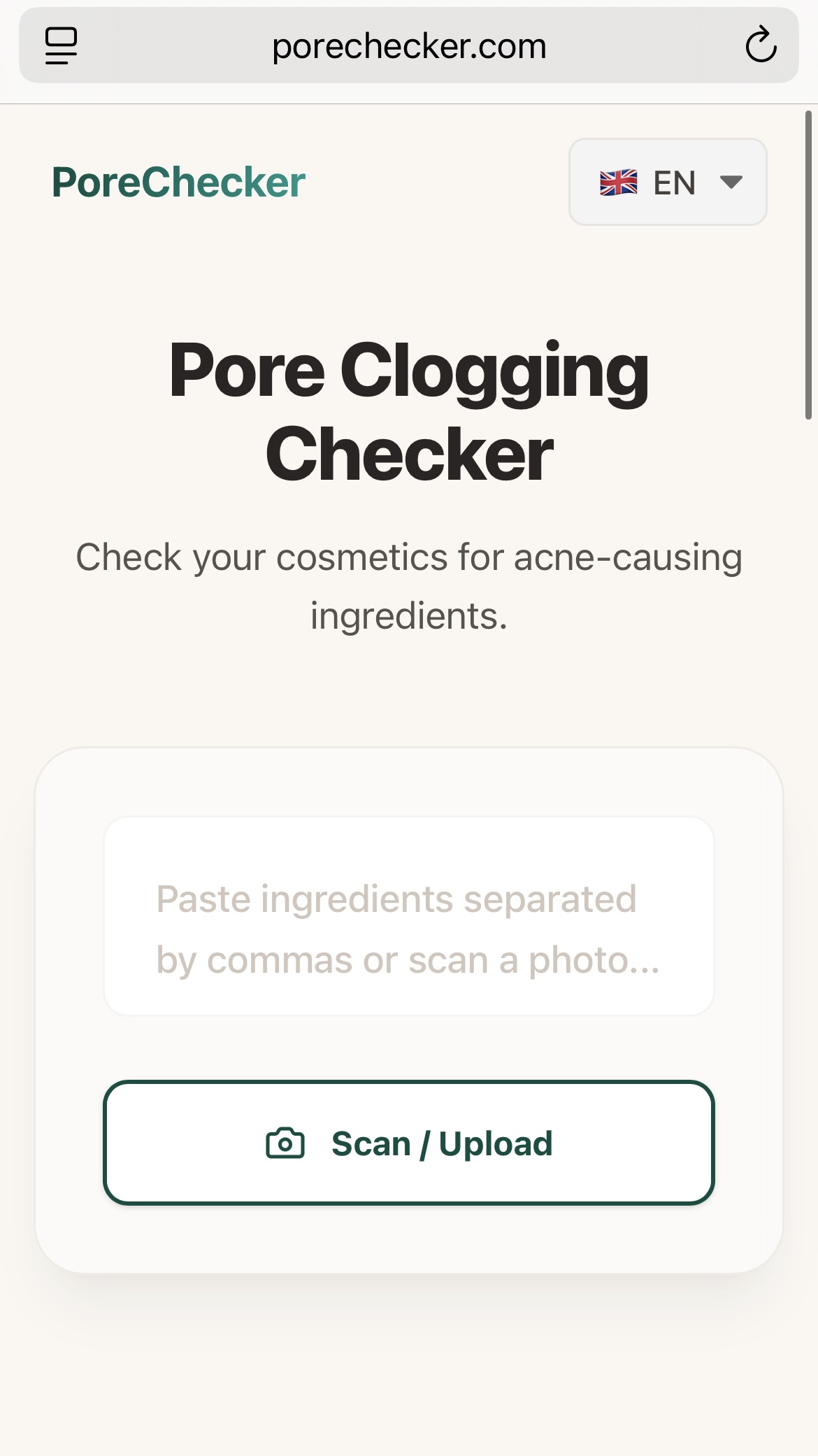
Step 1: Upload Your Product Image
Simply snap a photo of the ingredient list on the back of any bottle, jar, or box. No typing required.
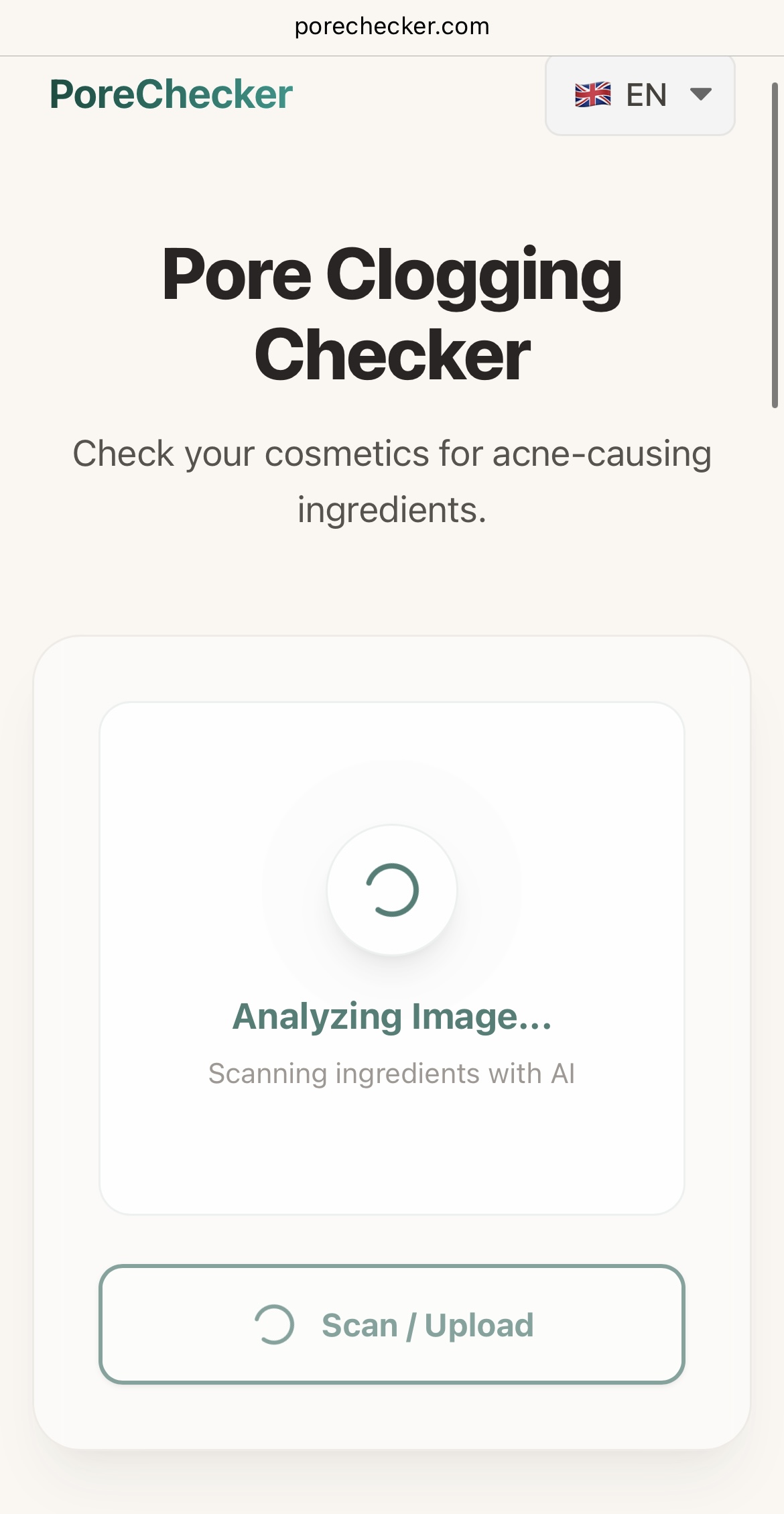
Step 2: Instant AI Ingredient Analysis
Our advanced AI scans the image, performs OCR (Optical Character Recognition), and matches every ingredient against our curated database of comedogenic substances.
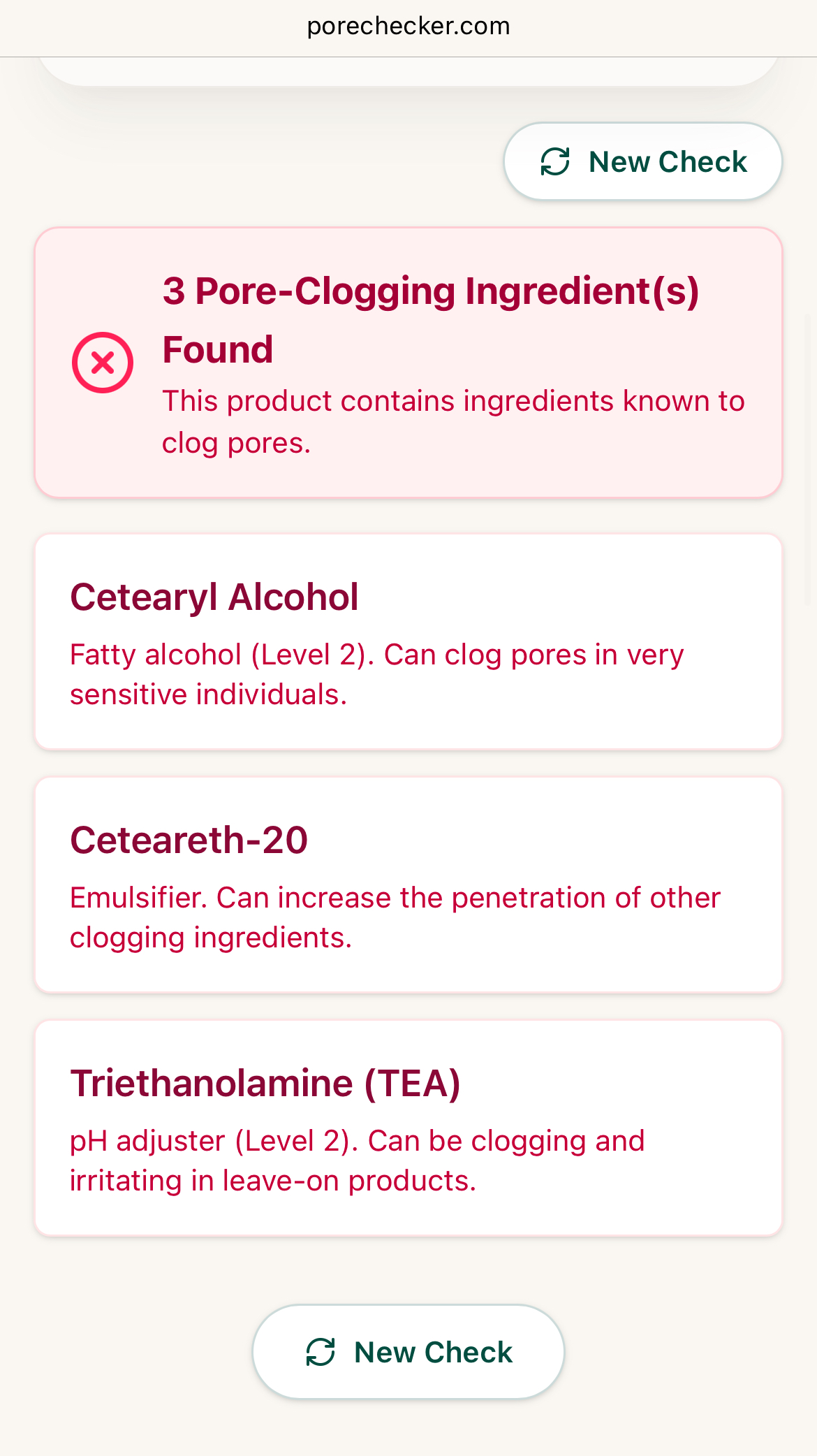
Step 3: Clear Results for Clearer Skin
You get an immediate breakdown. If any red-flag ingredients are found, we highlight them and explain why they might be problematic for your pores.
Does this product fit my skin's needs?
Check Your Products Now