Is Benzoyl Peroxide Good for Acne? How Oxygen Kills Breakouts
It is the most common over-the-counter acne treatment, but is benzoyl peroxide good for acne? Learn exactly how it kills bacteria and why contact therapy is crucial.
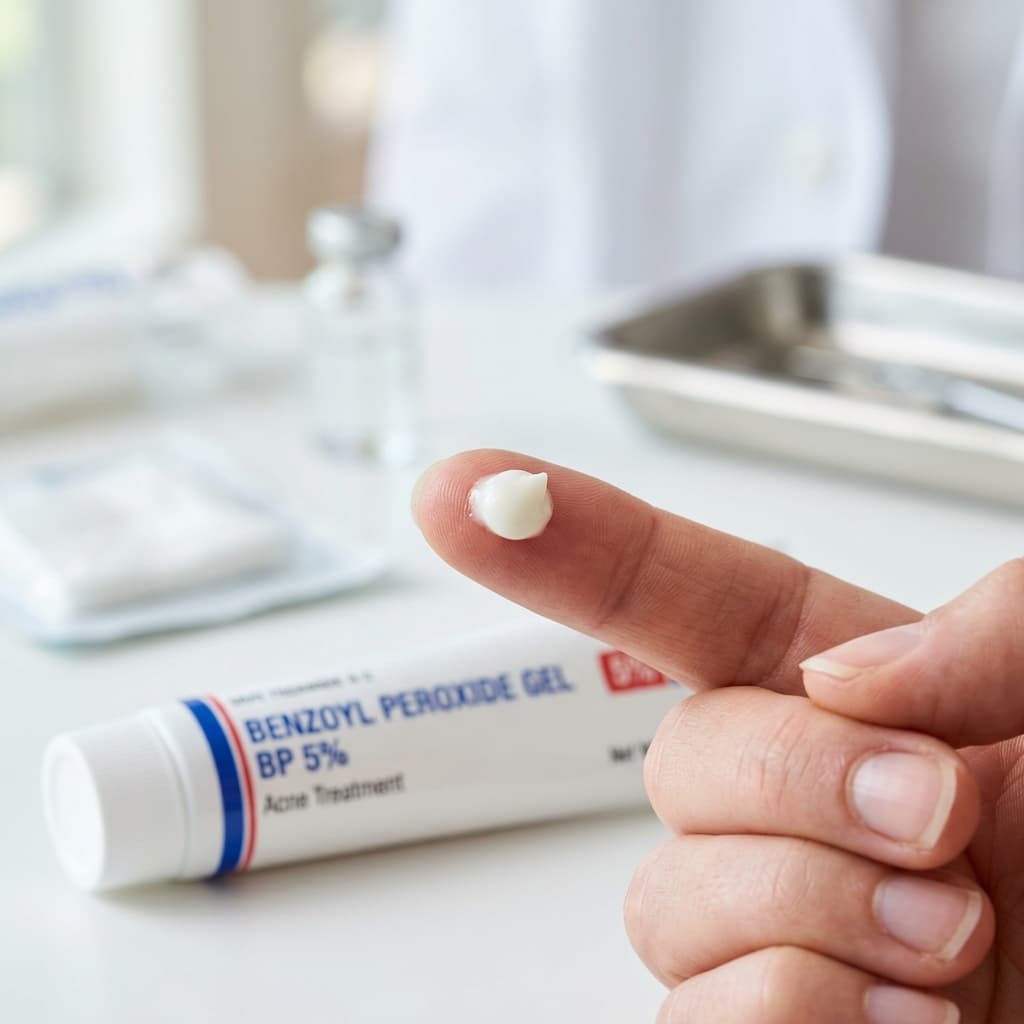
Walk into any pharmacy, and almost every acne wash, cream, and spot treatment will feature the same active ingredient: Benzoyl Peroxide (BPO). But because it frequently causes severe dryness, peeling, and bleached towels, many people wonder: is benzoyl peroxide good for acne, or is it just damaging my skin?
How Benzoyl Peroxide Works: The Oxygen Bomb
To understand BPO, you must understand the bacteria that causes acne: *Cutibacterium acnes*. This specific bacterium is anaerobic, meaning it cannot survive in the presence of oxygen. When a pore becomes clogged with oil and dead skin, it creates an oxygen-free environment where the bacteria multiply rapidly, leading to a massive, inflamed cyst.
Benzoyl peroxide is highly effective because it is essentially a delivery system for oxygen. When applied to the skin, it penetrates deep into the clogged pore and releases free oxygen radicals. This sudden blast of oxygen instantly kills the *C. acnes* bacteria, stopping the infection in its tracks.
The Side Effects: Irritation and Peeling
While BPO is a phenomenal antibacterial, it is also highly irritating to the skin barrier. Leaving a 10% benzoyl peroxide cream on your face overnight will almost certainly lead to severe redness, flaking, and a damaged moisture barrier, which can paradoxically trigger more oil production.
The Solution: Short Contact Therapy
You can get 100% of the antibacterial benefits of BPO with 0% of the irritation by using "Short Contact Therapy."
- Use a Wash, Not a Cream: Buy a 4% or 5% Benzoyl Peroxide face wash (like PanOxyl). 10% is generally too harsh for the face and offers no additional benefit over 5%.
- The 3-Minute Rule: Apply the wash to dry or slightly damp skin. Leave it on your face like a mask for 3 to 5 minutes. This gives the active ingredient enough time to penetrate the pore and release the oxygen.
- Rinse Thoroughly: Wash it off completely. By rinsing it away, you prevent the prolonged barrier damage that causes peeling, but the bacteria deep in the pore is already dead.
Summary
Is benzoyl peroxide good for acne? Yes, it is arguably the single most effective over-the-counter ingredient for inflammatory (red, pus-filled) acne. By using it correctly through short contact therapy, you can harness its oxygen-delivering power to kill acne bacteria without destroying your skin barrier.
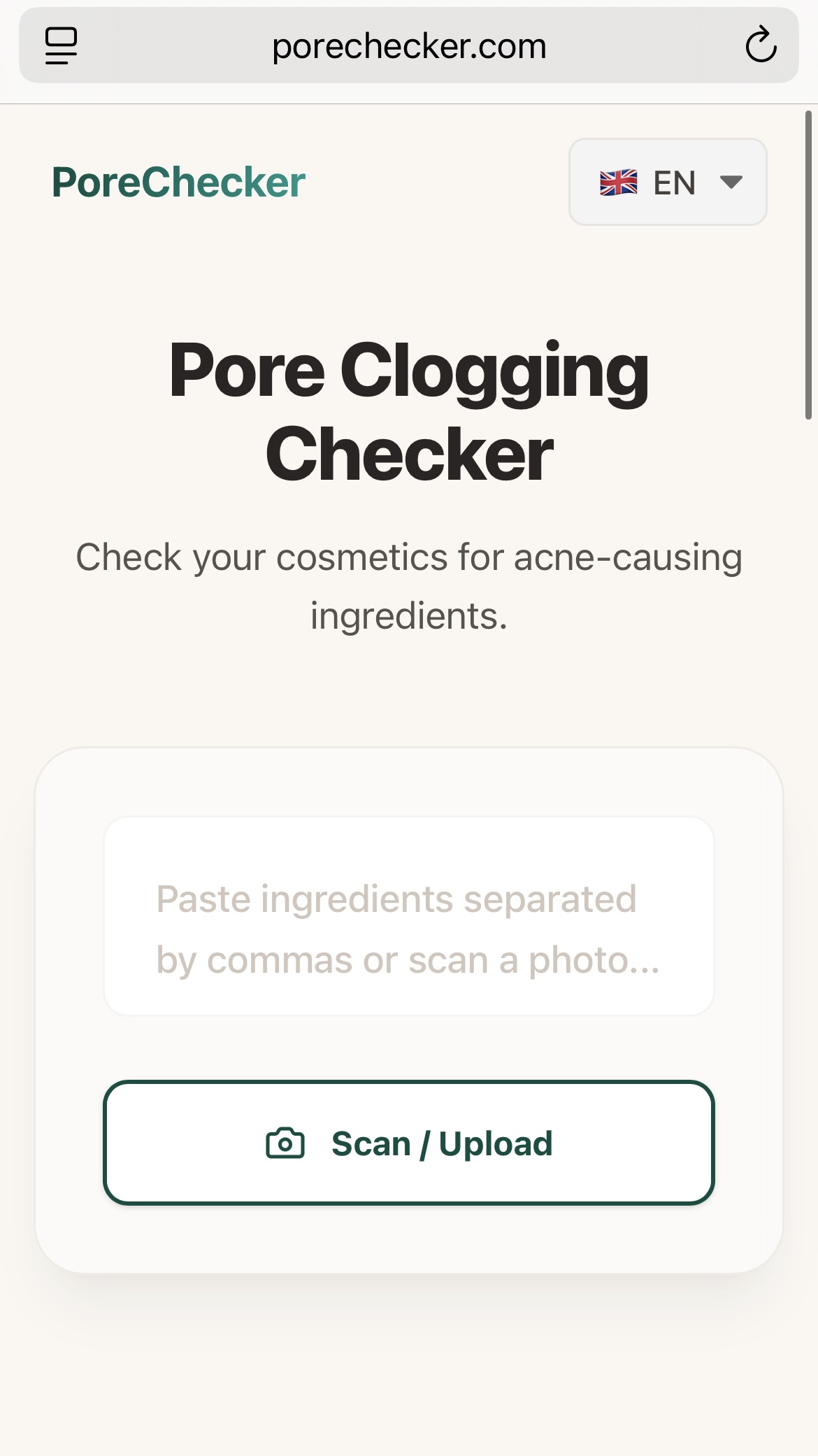
Step 1: Upload Your Product Image
Simply snap a photo of the ingredient list on the back of any bottle, jar, or box. No typing required.
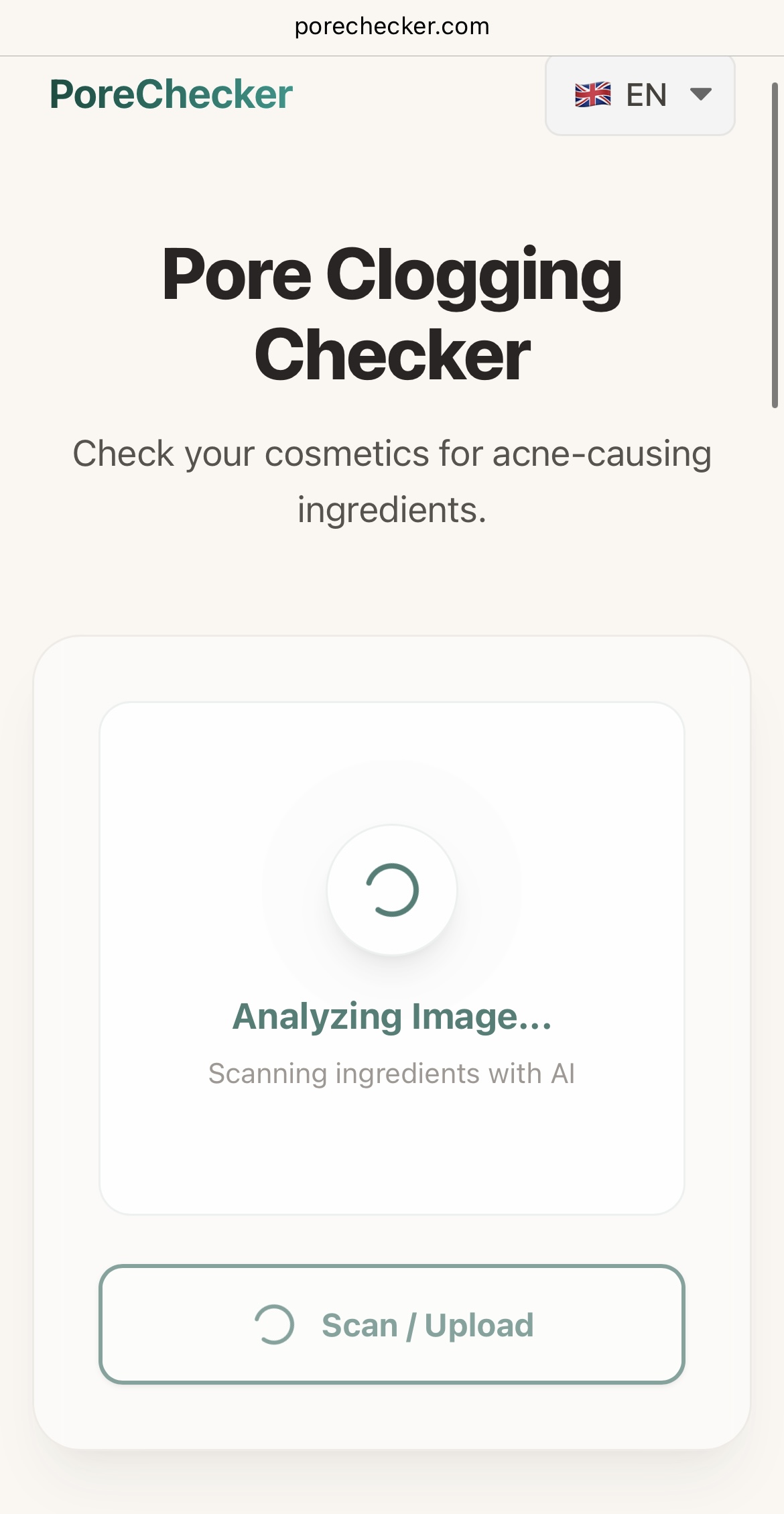
Step 2: Instant AI Ingredient Analysis
Our advanced AI scans the image, performs OCR (Optical Character Recognition), and matches every ingredient against our curated database of comedogenic substances.
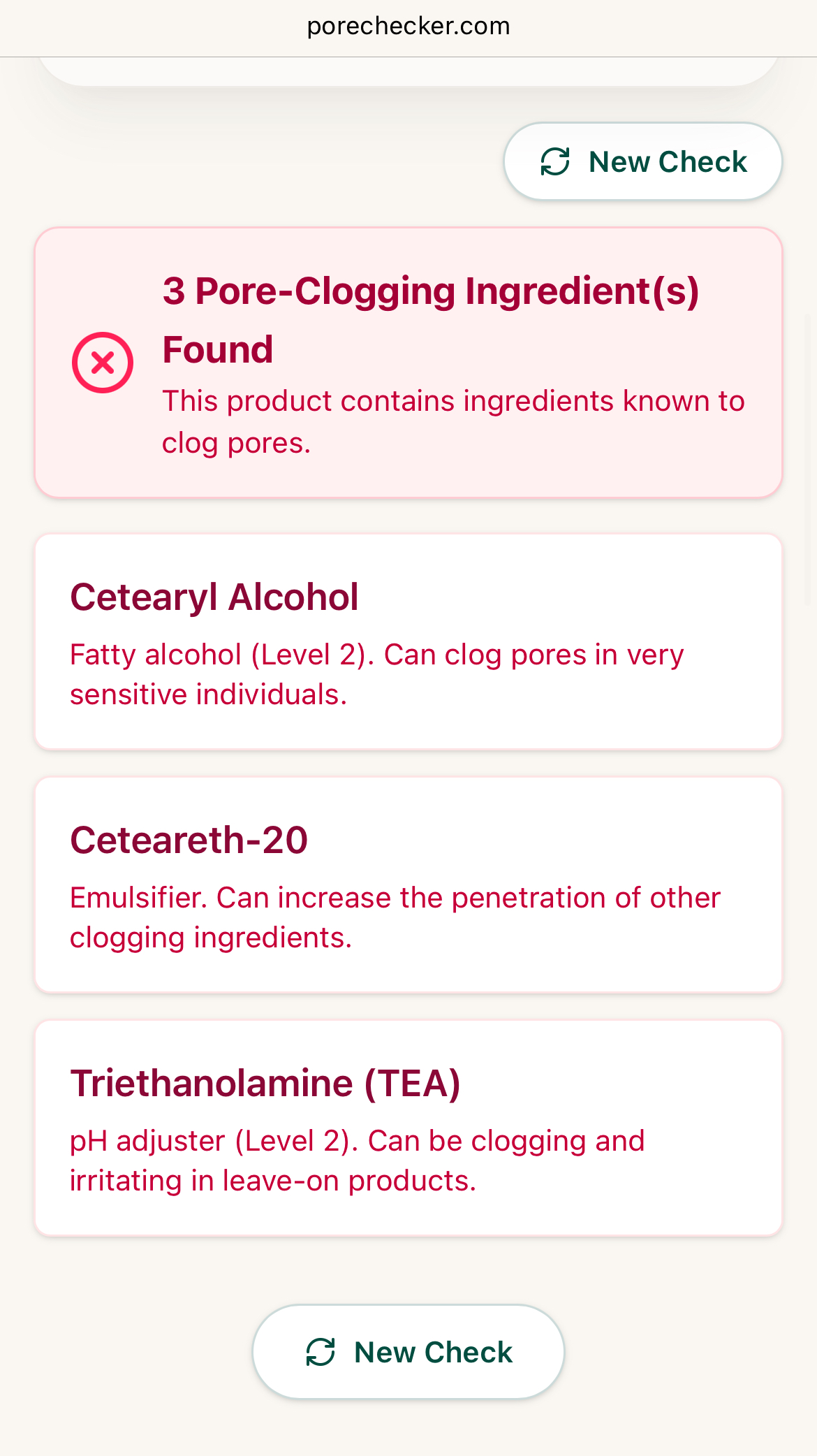
Step 3: Clear Results for Clearer Skin
You get an immediate breakdown. If any red-flag ingredients are found, we highlight them and explain why they might be problematic for your pores.
Does this product fit my skin's needs?
Check Your Products Now