Is CeraVe Good for Acne? A Dermatologist's Honest Answer
Discover if CeraVe is good for acne-prone skin. A dermatologist's honest review with science-backed insights and actionable tips for clear skin.
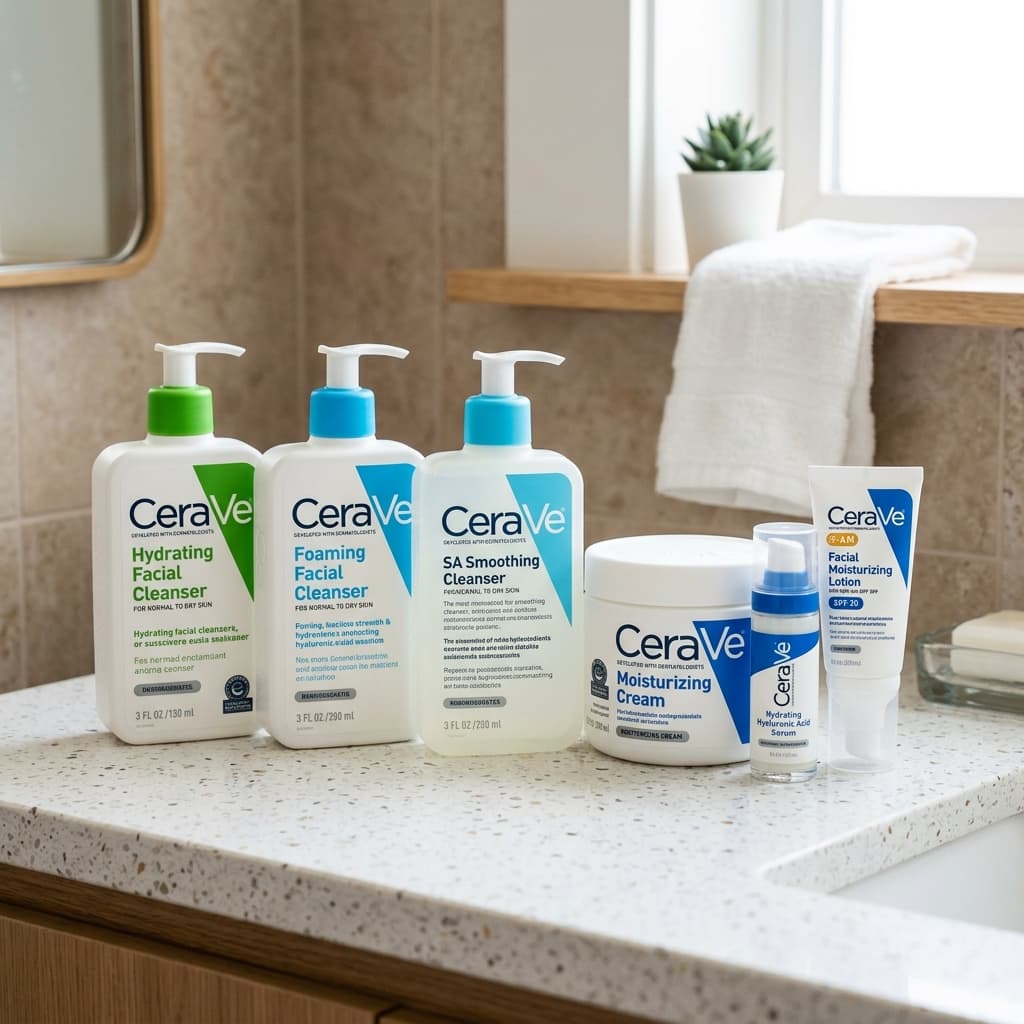
Acne can feel like a relentless battle, and finding effective skincare is often a frustrating journey. Many of my patients ask, "Is CeraVe good for acne?" This is a crucial question, and the answer isn't always straightforward. While CeraVe enjoys immense popularity, its suitability for acne-prone skin depends on individual factors and specific product formulations. The key lies in understanding the ingredients and how they interact with your skin.
As a dermatologist, I always emphasize the importance of non-comedogenic skincare – products formulated to avoid clogging pores. Acne develops when pores become blocked with oil, dead skin cells, and bacteria. Therefore, choosing products that actively prevent this blockage is paramount in achieving and maintaining clear skin. We'll delve into CeraVe's offerings to determine which ones align with this principle.
Understanding CeraVe's Approach
CeraVe is known for its focus on restoring the skin's natural barrier. This is achieved through its signature blend of ceramides, which are essential lipids that help maintain skin hydration and protect against environmental aggressors. The brand's philosophy centers on gentle, hydrating formulations designed for sensitive skin. However, not all CeraVe products are created equal when it comes to acne.
The Ceramides Advantage
Ceramides are definitely a plus for acne-prone skin, as a compromised skin barrier can worsen inflammation and irritation, potentially exacerbating breakouts. By strengthening the skin's protective layer, CeraVe's ceramide-rich products can help to soothe and calm the skin, potentially reducing redness and promoting faster healing of existing acne lesions. However, the benefits of ceramides don't negate the need to scrutinize other ingredients.
Spotting the Hidden Culprits in Your Routine
Even with the presence of beneficial ceramides, some CeraVe products contain ingredients that can potentially trigger breakouts in certain individuals. Common pore-cloggers to watch out for include some fatty alcohols and oils, such as cetearyl alcohol or isopropyl myristate. These are frequently used to provide texture and emollience but can contribute to clogged pores for some. Additionally, some formulations include ingredients that might not be suitable for oily or acne-prone skin, such as heavy emollients or fragrances.
Product Breakdown: Is CeraVe Good for Acne?
Let's examine some popular CeraVe products and their potential impact on acne:
CeraVe Hydrating Facial Cleanser
Generally, this is a good option. It is formulated to be gentle and hydrating, and it's less likely to strip your skin of its natural oils, which can lead to increased sebum production and more breakouts. However, always check the full ingredient list for any individual sensitivities.
CeraVe Renewing SA Cleanser
This cleanser contains salicylic acid, a beta-hydroxy acid (BHA) known for its exfoliating properties. It can be beneficial for acne-prone skin by unclogging pores and reducing inflammation. But, start slowly to avoid irritation, and always follow with a moisturizer.
CeraVe Moisturizing Cream
This cream can be too heavy for some with acne-prone skin. Its rich, emollient texture may lead to clogged pores for individuals with oily skin. Consider the lighter CeraVe Daily Moisturizing Lotion instead.
Don't Let Your Products Ruin Your Progress
Achieving clear skin is a journey, and the products you choose can either support or sabotage your progress. While CeraVe's focus on barrier repair is beneficial, understanding the individual ingredients within each product is essential. It's not enough to simply trust a brand; you must become an active participant in your skincare routine. To truly ensure that your products are working for, and not against, your skin, it's wise to always double-check the ingredient list.
Step 1: Upload Your Product Image
Simply snap a photo of the ingredient list on the back of any bottle, jar, or box. No typing required.
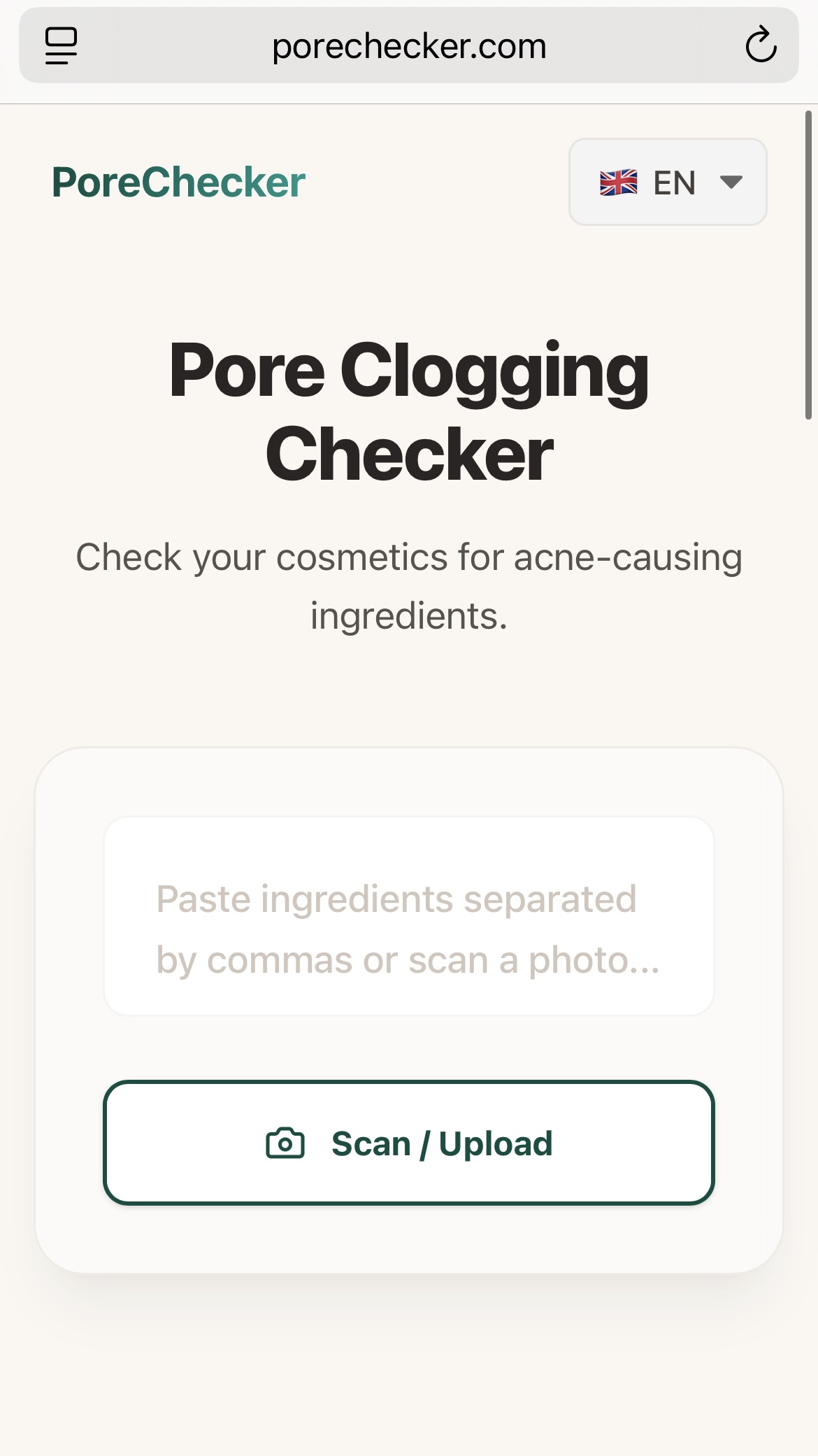
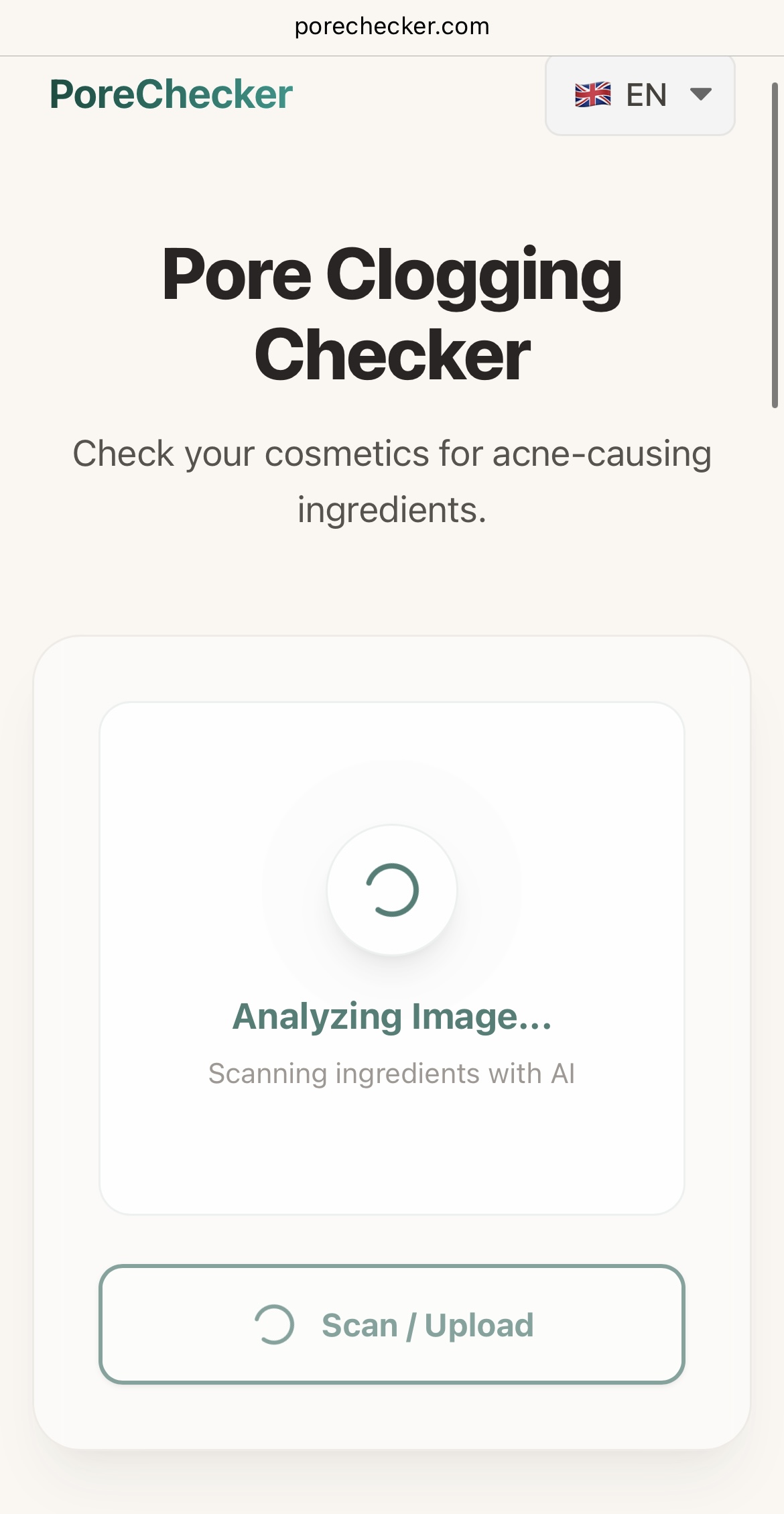
Step 2: Instant AI Ingredient Analysis
Our advanced AI scans the image, performs OCR (Optical Character Recognition), and matches every ingredient against our curated database of comedogenic substances.
Step 3: Clear Results for Clearer Skin
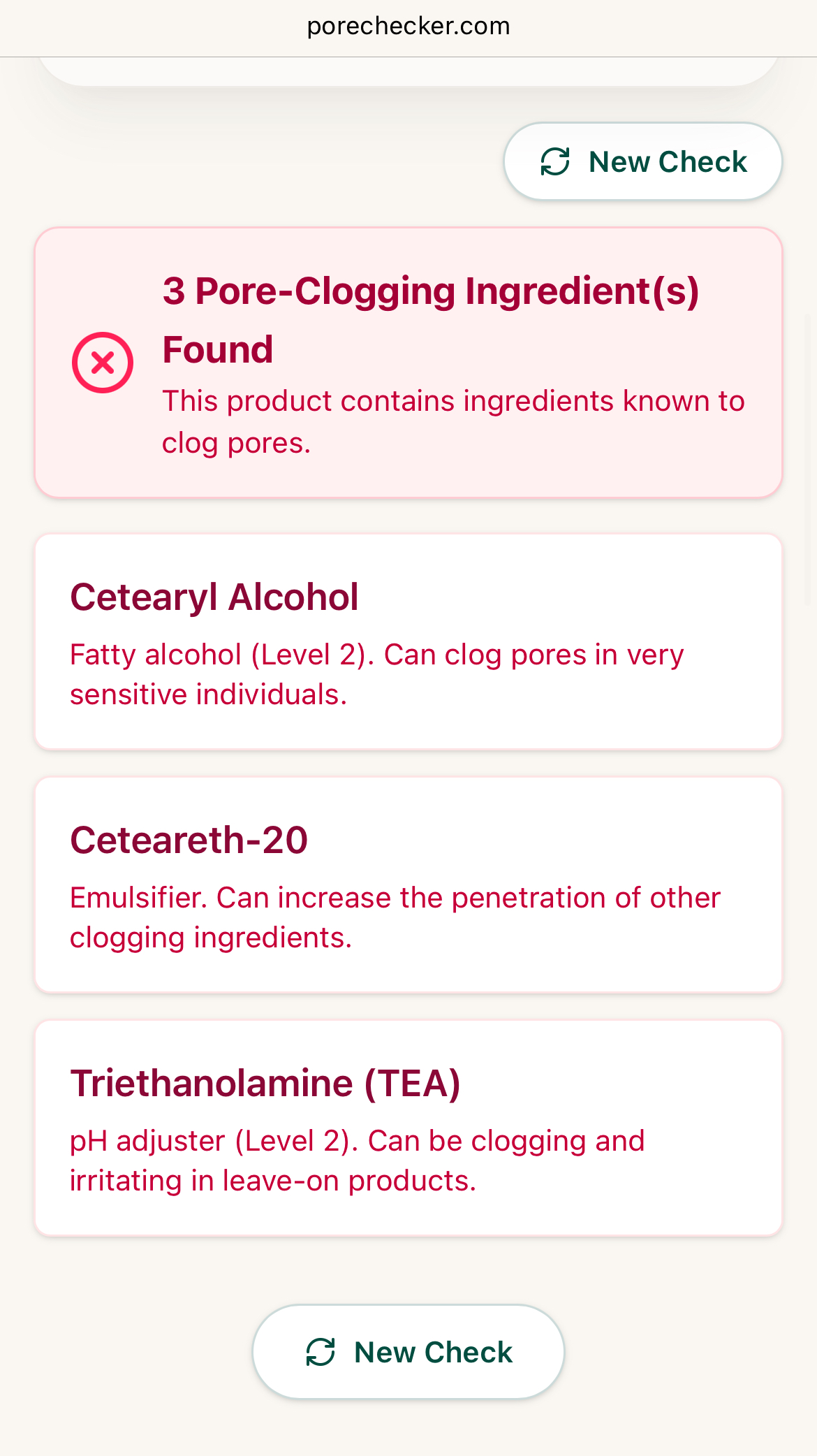
You get an immediate breakdown. If any red-flag ingredients are found, we highlight them and explain why they might be problematic for your pores.
Does this product fit my skin's needs?
Check Your Products Now