Is Coconut Oil Comedogenic? The Surprising Truth for Acne-Prone Skin
It’s hailed as a natural miracle, but is coconut oil actually safe for your face? Discover why this popular ingredient might be the secret cause of your stubborn breakouts.
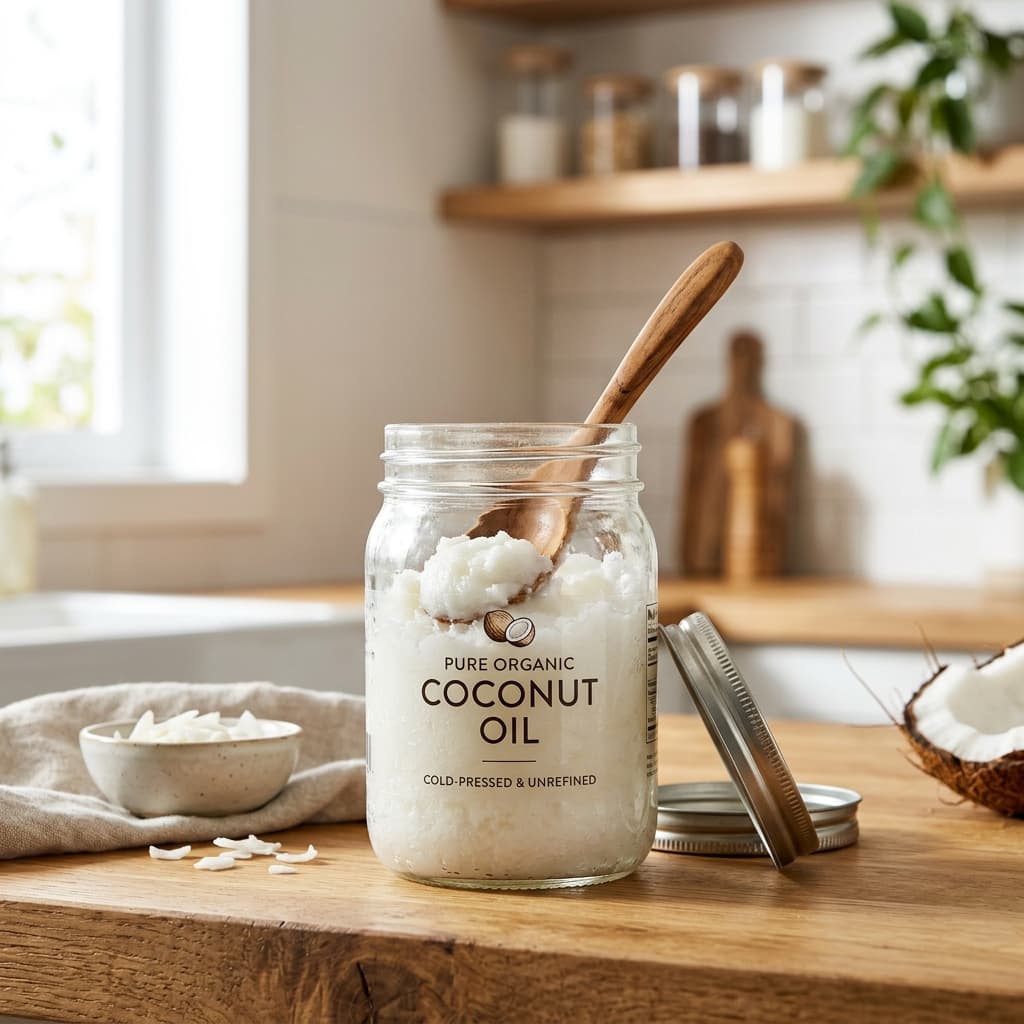
In the world of natural beauty, coconut oil is often touted as a "holy grail" for everything from dry hair to makeup removal. But for those with acne-prone or oily skin, a critical question remains: "is coconut oil comedogenic?" While it certainly has beneficial properties for the body and hair, applying it to your face is a very different story. The answer is a resounding **yes**—coconut oil is highly comedogenic, and for many people, it is a primary trigger for persistent, deep breakouts.
The Comedogenic Scale Explained
To understand the risk, we look at the comedogenic scale, which ranks ingredients from 0 (non-clogging) to 5 (highly clogging). Coconut oil typically sits at a **4 out of 5**. This high rating means that the molecular structure of the oil is such that it easily becomes trapped within the hair follicle, where it mixes with dead skin cells and bacteria to form a "comedone" (a clog).
Why Coconut Oil Clogs Pores
The main culprit is lauric acid. While lauric acid has some antimicrobial properties, coconut oil is also extremely rich in other fatty acids that create a thick, occlusive (sealing) layer on the skin. For someone with dry skin on their body, this is great for moisture. For someone with sebaceous glands that are already active on their face, this layer acts like a plastic wrap, trapping oil and debris inside the pore.
Common Myths and Mistakes
- "But it's natural!" Poison ivy is also natural, but you wouldn't put it on your face. Natural doesn't always mean "acne-safe."
- The Purge Myth: If you start using coconut oil and break out, it's not a "purge"—it's your pores being physically clogged.
- Fractionated Coconut Oil: While slightly lighter, even fractionated coconut oil carries a significant risk for those highly prone to acne.
Safe Alternatives
If you love the idea of using a natural oil but want to avoid the breakouts, consider these non-comedogenic options:
- Squalane Oil: A weightless oil that mimics your skin's natural sebum without clogging.
- Hemp Seed Oil: Rated 0 on the comedogenic scale, it's excellent for balancing oily skin.
- Argan Oil: A mid-weight option that is generally safe for most skin types.
Summary
So, is coconut oil comedogenic? Yes, and it is one of the most common "hidden" triggers for adult acne. If you're struggling with breakouts and currently use a product with coconut oil, try removing it from your routine for 2-3 weeks. Your skin might just thank you with newfound clarity!
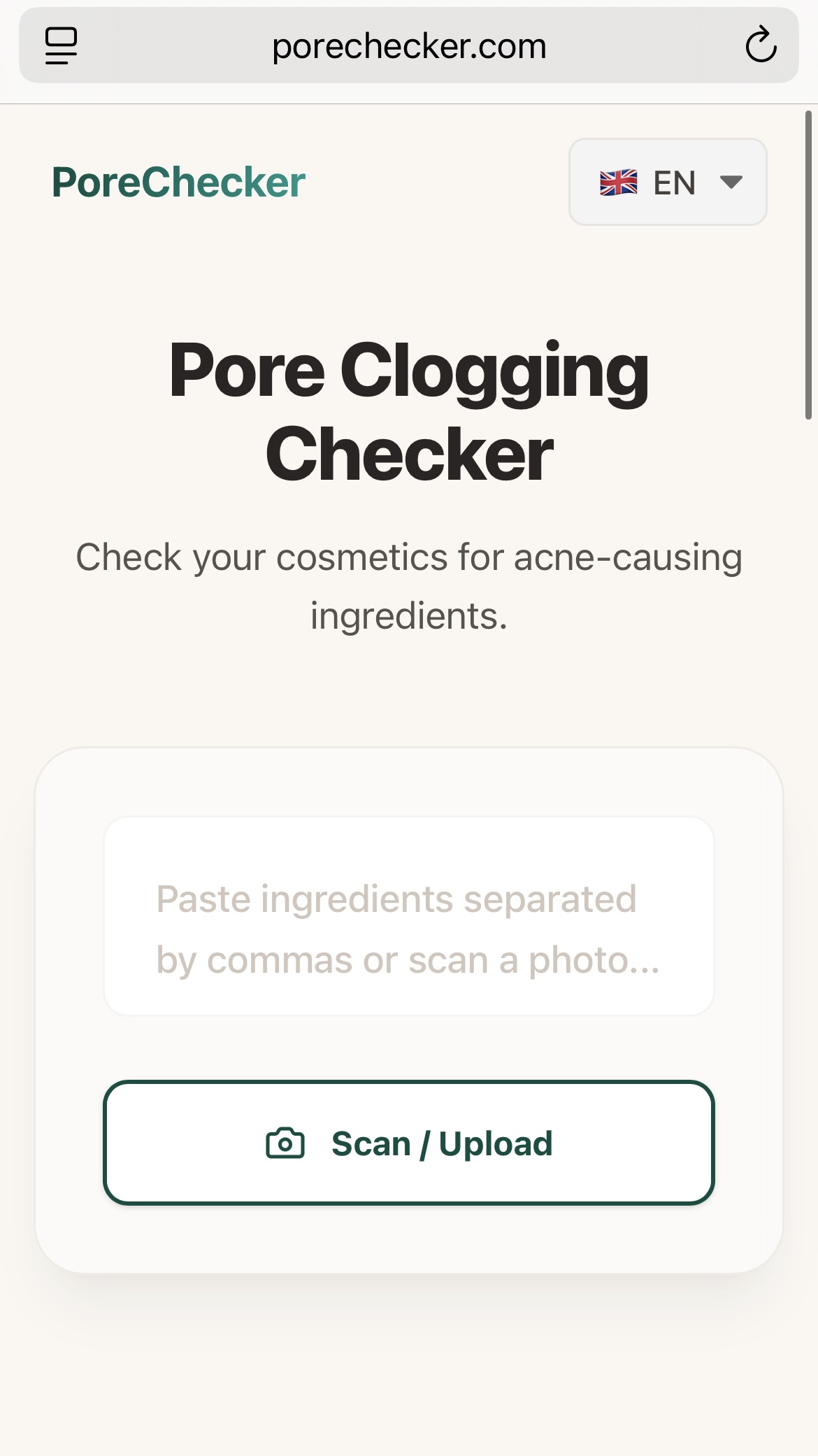
Step 1: Upload Your Product Image
Simply snap a photo of the ingredient list on the back of any bottle, jar, or box. No typing required.
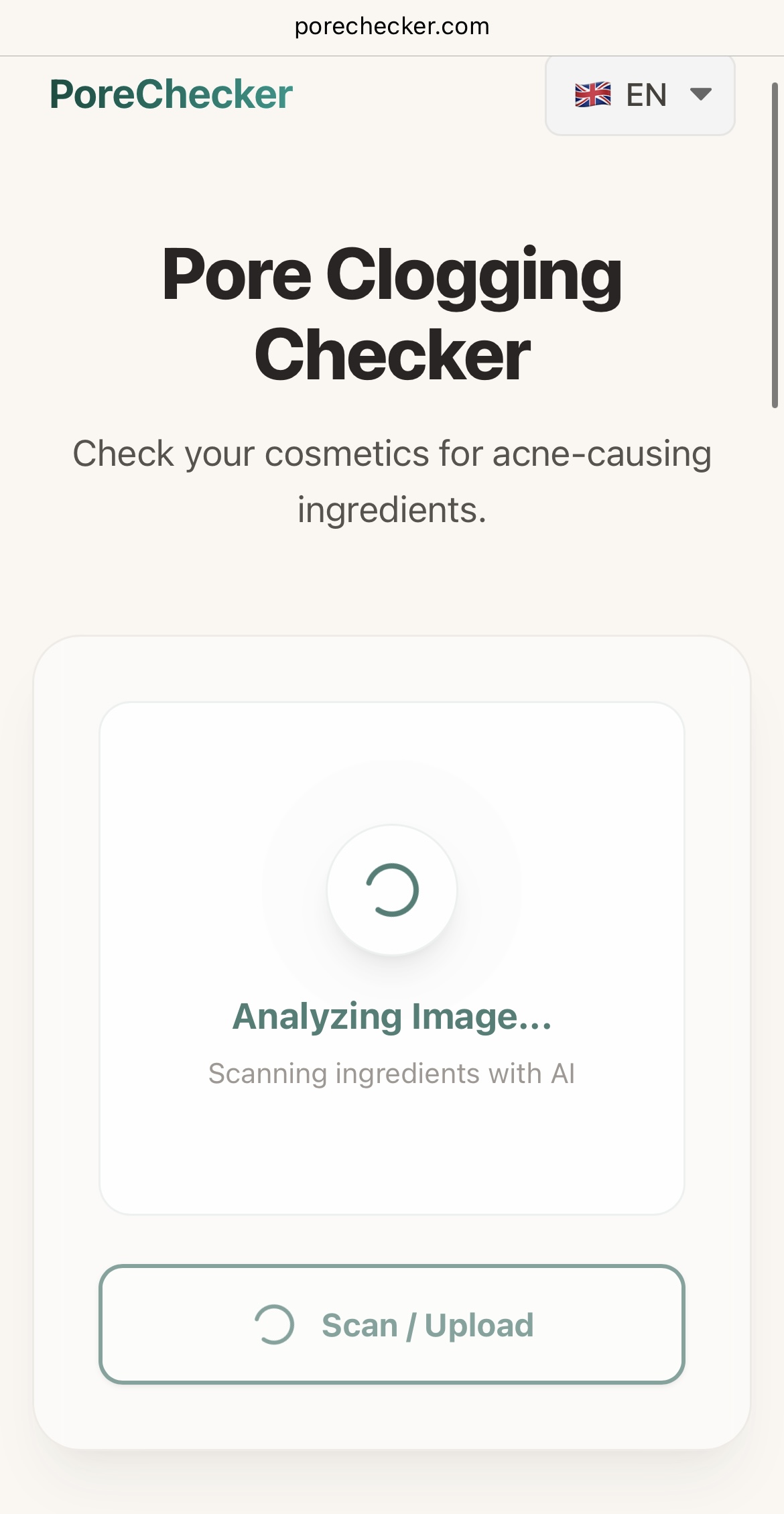
Step 2: Instant AI Ingredient Analysis
Our advanced AI scans the image, performs OCR (Optical Character Recognition), and matches every ingredient against our curated database of comedogenic substances.
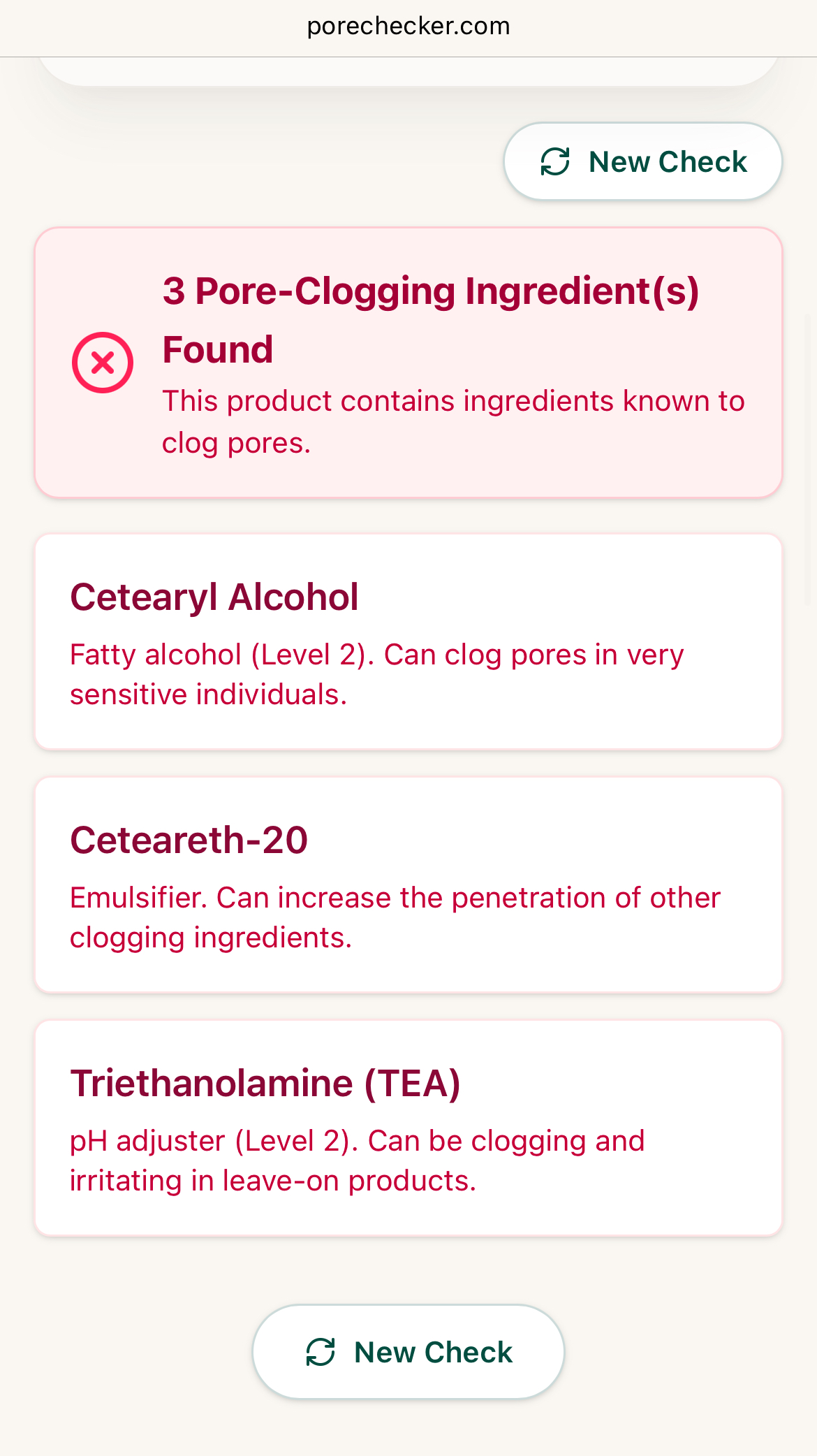
Step 3: Clear Results for Clearer Skin
You get an immediate breakdown. If any red-flag ingredients are found, we highlight them and explain why they might be problematic for your pores.
Does this product fit my skin's needs?
Check Your Products Now