Is Glycolic Acid Good for Acne? Benefits and How to Use It Safely
Glycolic acid is a gold-standard exfoliant, but is it the right choice for acne-prone skin? Learn how it works, its hidden benefits, and how to avoid irritation.
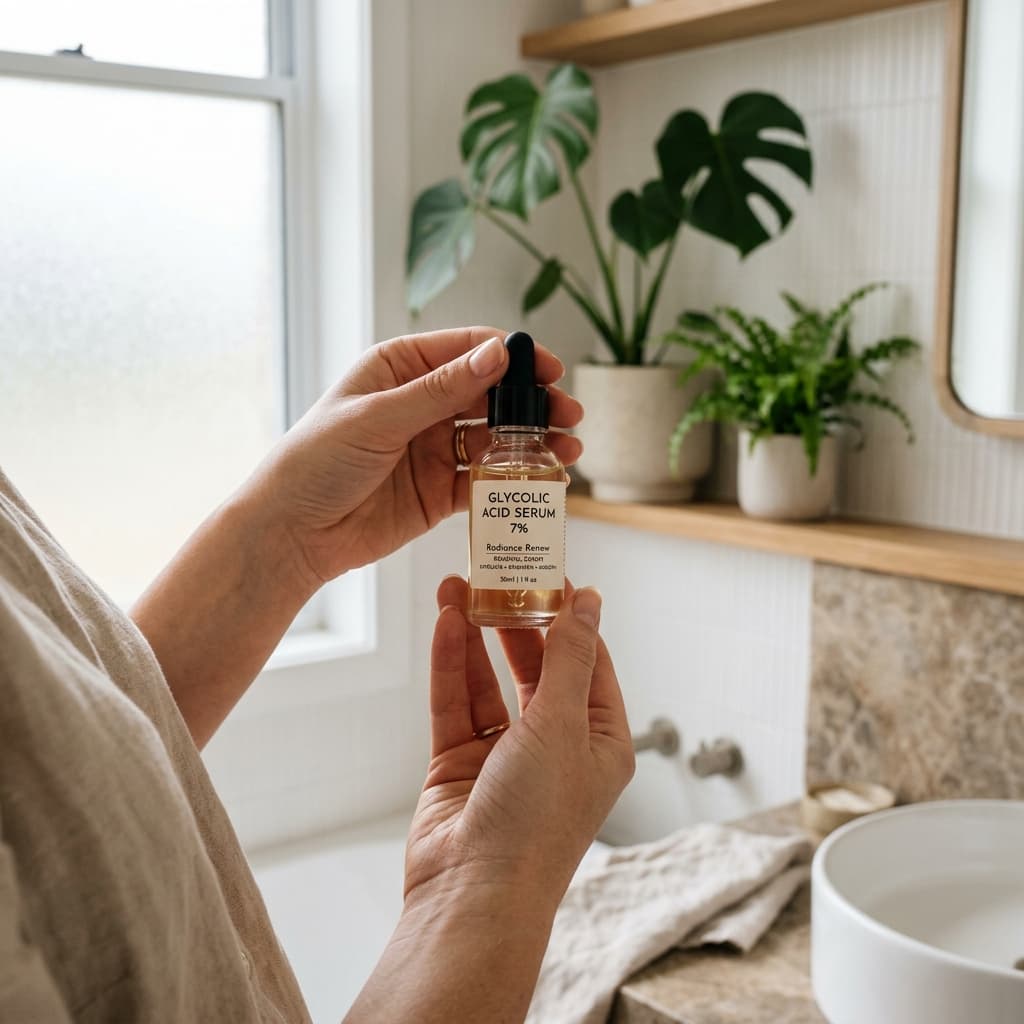
When it comes to chemical exfoliants, few ingredients carry as much weight as glycolic acid. As the most famous Alpha Hydroxy Acid (AHA), it's a staple in anti-aging and brightening routines. But is glycolic acid good for acne? The answer is a emphatic yes, provided you understand how to use it correctly. Glycolic acid works differently than its acne-fighting cousin, salicylic acid, but its ability to clear the skin's surface and fade old marks makes it a vital ally in your clear-skin toolkit. As always, pairing active ingredients with non-comedogenic basics is the baseline for success.
How Glycolic Acid Works
Glycolic acid has the smallest molecular weight of all AHAs, which allows it to penetrate the skin effectively. Its primary job is to dissolve the "glue" that holds dead skin cells together. By weakening these bonds, it allows those old, dull cells to shed more easily, revealing the fresh, healthy skin underneath. For those with acne-prone skin, this process is essential for preventing the buildup that leads to clogged pores.
Key Benefits for Acne-Prone Skin
Why should you consider adding glycolic acid to your routine? Here are its top advantages:
- Prevents Clogged Pores: By constantly removing dead skin cells, glycolic acid prevents the "micro-comedones" (tiny clogs) that eventually turn into full-blown pimples.
- Smoothes Skin Texture: It helps refine the surface of your skin, reducing the appearance of small bumps and unevenness.
- Fades Post-Acne Marks: One of its best tricks is accelerating the fading of dark spots (hyperpigmentation) left behind after a breakout. By speeding up cell turnover, those marks disappear much faster.
- Boosts Product Absorption: With the layer of dead skin gone, your other acne-fighting treatments can penetrate more effectively and work better.
How to Use Glycolic Acid Safely
Because it's powerful, glycolic acid needs to be handled with care. If you overdo it, you can damage your skin barrier and trigger even more breakouts. Follow these safety rules:
- Start Low and Slow: Begin with a low concentration (around 5-7%) and use it only once or twice a week. Gradually increase as your skin builds tolerance.
- Nighttime Use: Glycolic acid increases your skin's sensitivity to the sun. It's best applied in the evening.
- Daily SPF is Non-Negotiable: Because your skin is more vulnerable to UV damage during exfoliation, you must wear a broad-spectrum, non-comedogenic sunscreen every single day.
- Avoid Mixing Initially: Be careful when using it at the same time as other strong actives like retinol or high-strength benzoyl peroxide, as this can lead to severe irritation.
Finding Your Perfect Match
Glycolic acid comes in many forms, from toners and serums to cleansers and peels. Choosing a high-quality, properly formulated product is essential. More importantly, ensure that the rest of your routine—your cleanser and moisturizer—is strictly non-comedogenic to avoid introducing new clogs while you're exfoliating the old ones.
Conclusion
Yes, glycolic acid is a phenomenal ingredient for acne-prone skin, particularly for those dealing with texture and post-acne marks. By respecting its power and maintaining a safe, non-comedogenic foundation, you can harness its exfoliating magic for a smoother, clearer, and more radiant complexion.
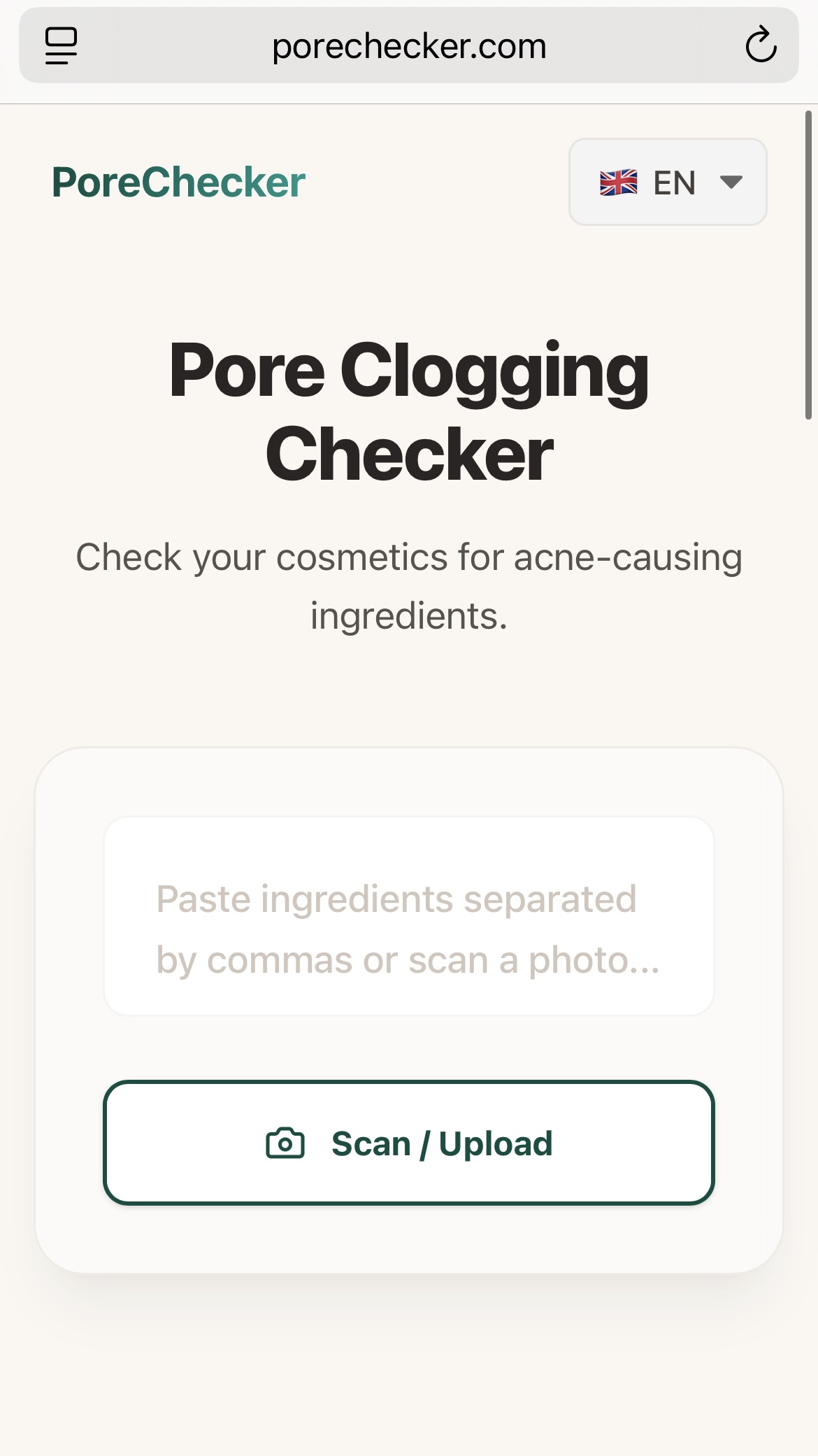
Step 1: Upload Your Product Image
Simply snap a photo of the ingredient list on the back of any bottle, jar, or box. No typing required.
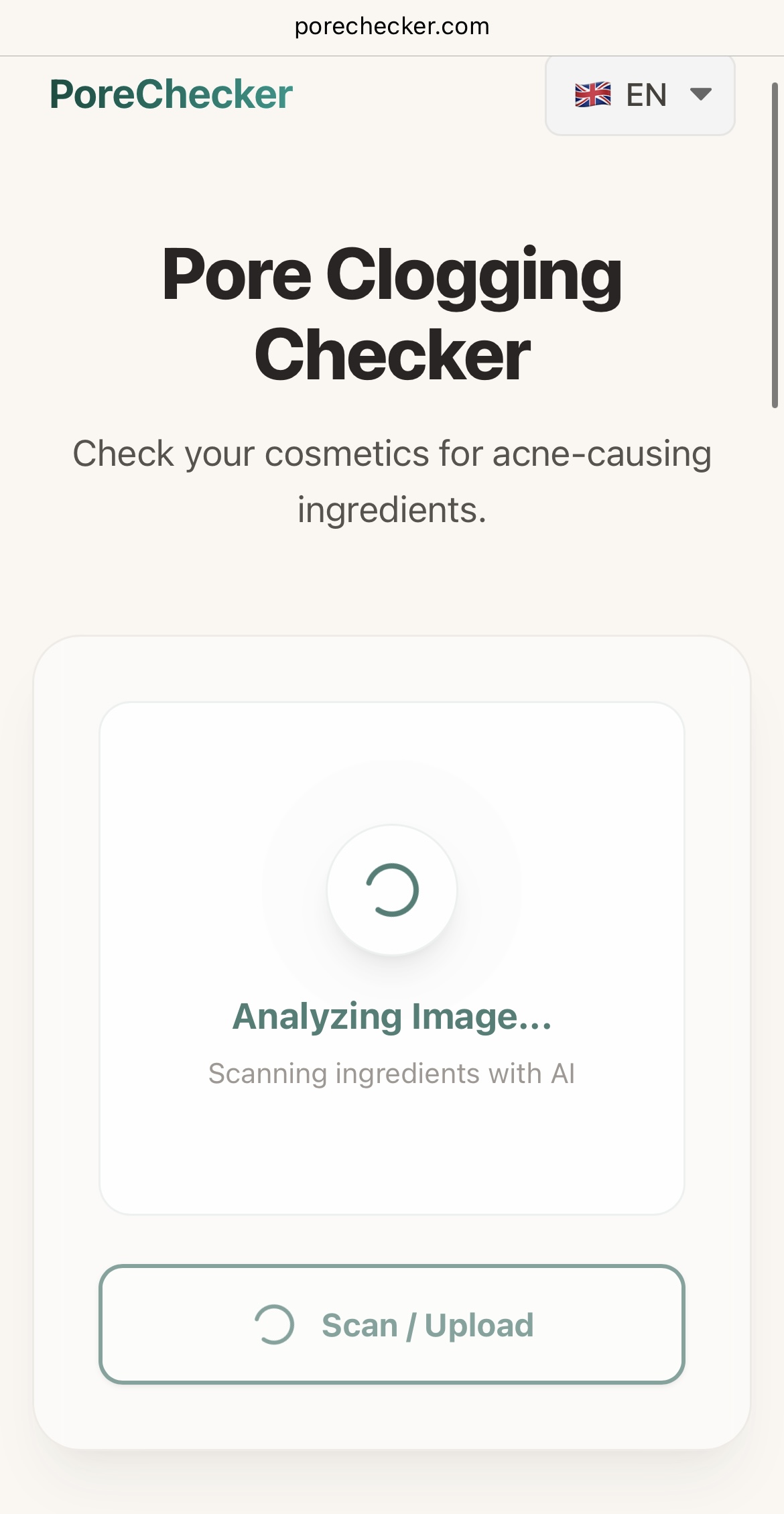
Step 2: Instant AI Ingredient Analysis
Our advanced AI scans the image, performs OCR (Optical Character Recognition), and matches every ingredient against our curated database of comedogenic substances.
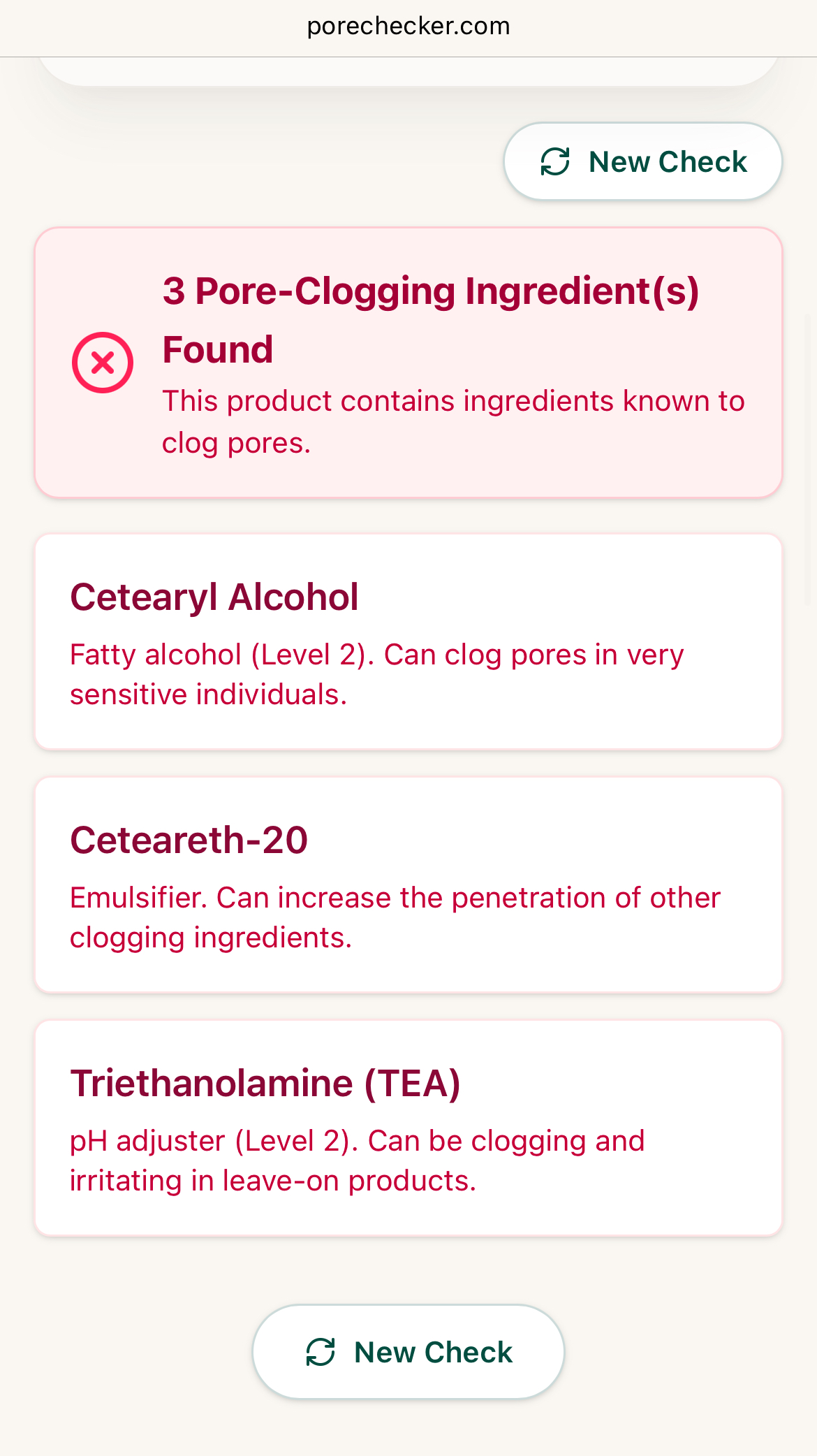
Step 3: Clear Results for Clearer Skin
You get an immediate breakdown. If any red-flag ingredients are found, we highlight them and explain why they might be problematic for your pores.
Does this product fit my skin's needs?
Check Your Products Now