Is Hair Serum Good for Hair? The Science of Scalp and Strand Health
Discover if hair serum is good for hair, how ingredients impact scalp health, and why avoiding pore-cloggers is vital for skin.
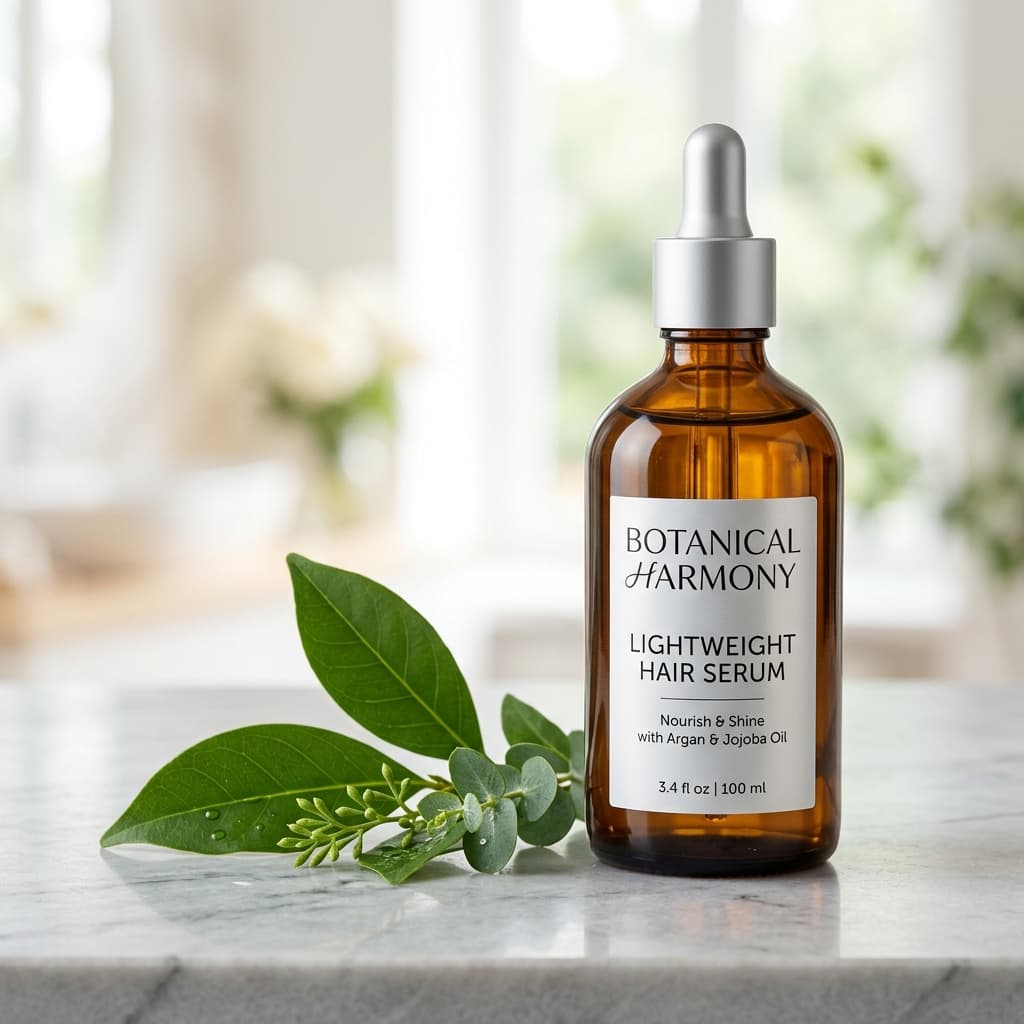
The modern haircare aisle is saturated with promises of instant shine and frizz control, often leaving consumers wondering if hair serum is good for hair or simply another layer of chemical buildup. From a dermatological perspective, hair serums serve a functional purpose: they act as a finishing agent to seal the cuticle, provide thermal protection, and minimize the mechanical stress that leads to breakage. When formulated correctly, these concentrated treatments can significantly improve the cosmetic appearance of the hair shaft.
However, the scalp is an extension of the skin on your face, and the ingredients you apply to your hair often migrate to your forehead, temples, and neck. If your serum is laden with heavy occlusives or pore-clogging silicones, you may find yourself dealing with unexpected breakouts along the hairline. Prioritizing non-comedogenic care is just as essential for your scalp health as it is for your facial routine, ensuring that your hair products do not inadvertently trigger follicular congestion or inflammation.
Understanding the Mechanism of Serums
Hair serums are generally silicone-based or oil-based solutions designed to coat the outer layer of the hair, known as the cuticle. By smoothing this layer, serums reflect light more effectively, which is where the appearance of "healthy shine" originates. They are highly effective for managing porosity and preventing moisture loss in dry or damaged strands. Yet, the same properties that make them effective for hair can be detrimental to skin health.
The Silicone Dilemma
Many commercial serums rely heavily on dimethicone or cyclopentasiloxane. While these ingredients are excellent at detangling, they are frequently misidentified by the skin as foreign irritants if they build up near the hairline. For individuals prone to acne or folliculitis, consistent contact with heavy silicones can trap bacteria and sebum within the follicle, leading to persistent, hard-to-treat bumps.
Formulation Matters: What to Look For
When selecting a serum, look for lightweight, water-based, or non-comedogenic oil blends. Botanical extracts, such as argan or squalane, are often preferred for their ability to nourish without creating an occlusive barrier that risks skin health. If you struggle with acne along your hairline, you must be particularly vigilant about ingredient labels, as common additives like isopropyl myristate or high-concentration shea butter can be highly comedogenic.
Don't Let Your Products Ruin Your Progress
It is easy to focus exclusively on the condition of your lengths and ends while forgetting that your hair products are daily visitors to your skin. When you use a serum, its residue is inevitably transferred through your pillowcase, hats, and contact with your face, potentially undoing the hard work you have put into your skincare regimen. Before committing to a new product, it is vital to audit your ingredient list to ensure you aren't applying hidden pore-cloggers to your scalp and hairline. By treating your hair products with the same scrutiny as your serums and moisturizers, you can maintain a balance where both your hair and your complexion thrive simultaneously.
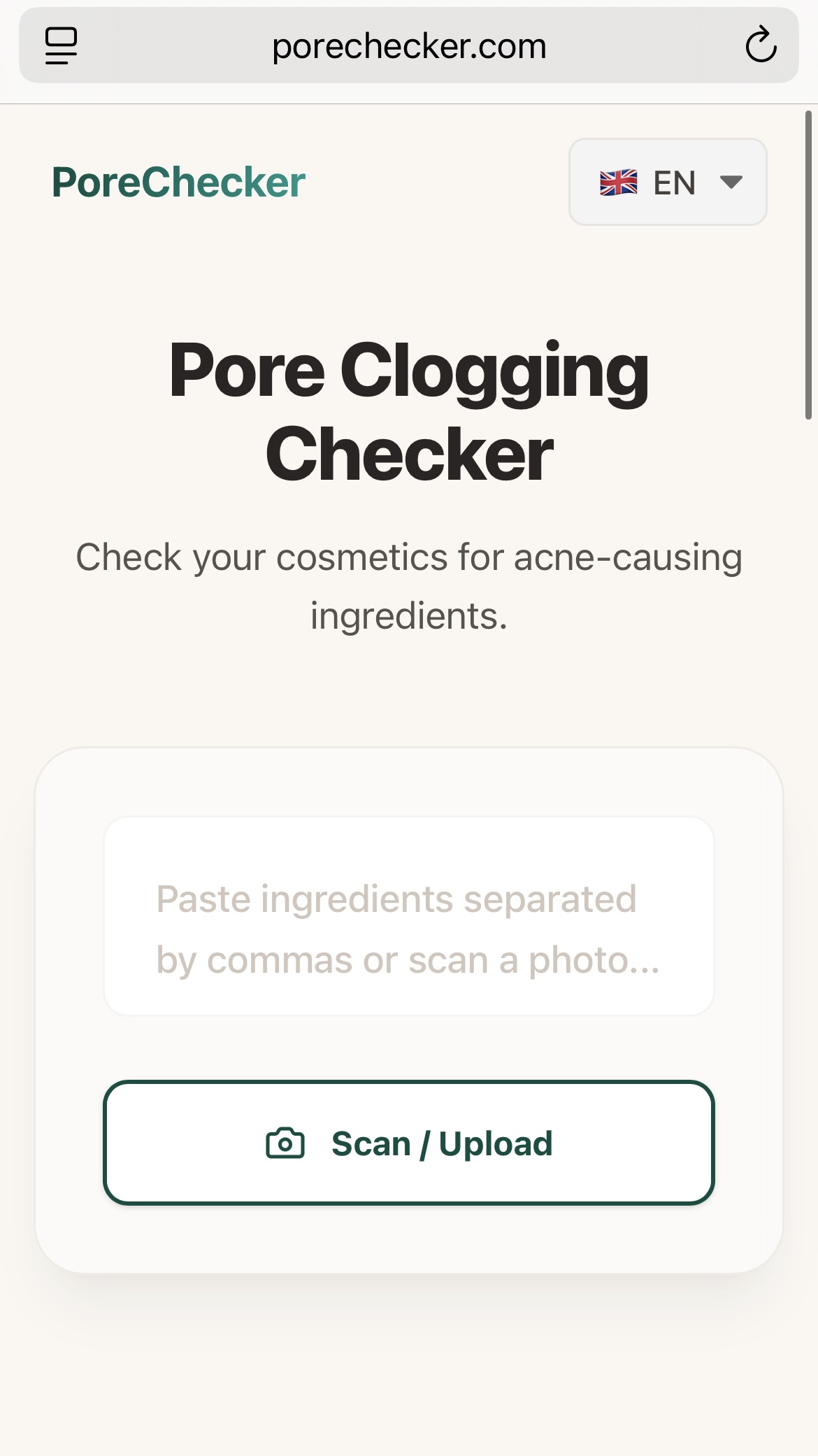
Step 1: Upload Your Product Image
Simply snap a photo of the ingredient list on the back of any bottle, jar, or box. No typing required.
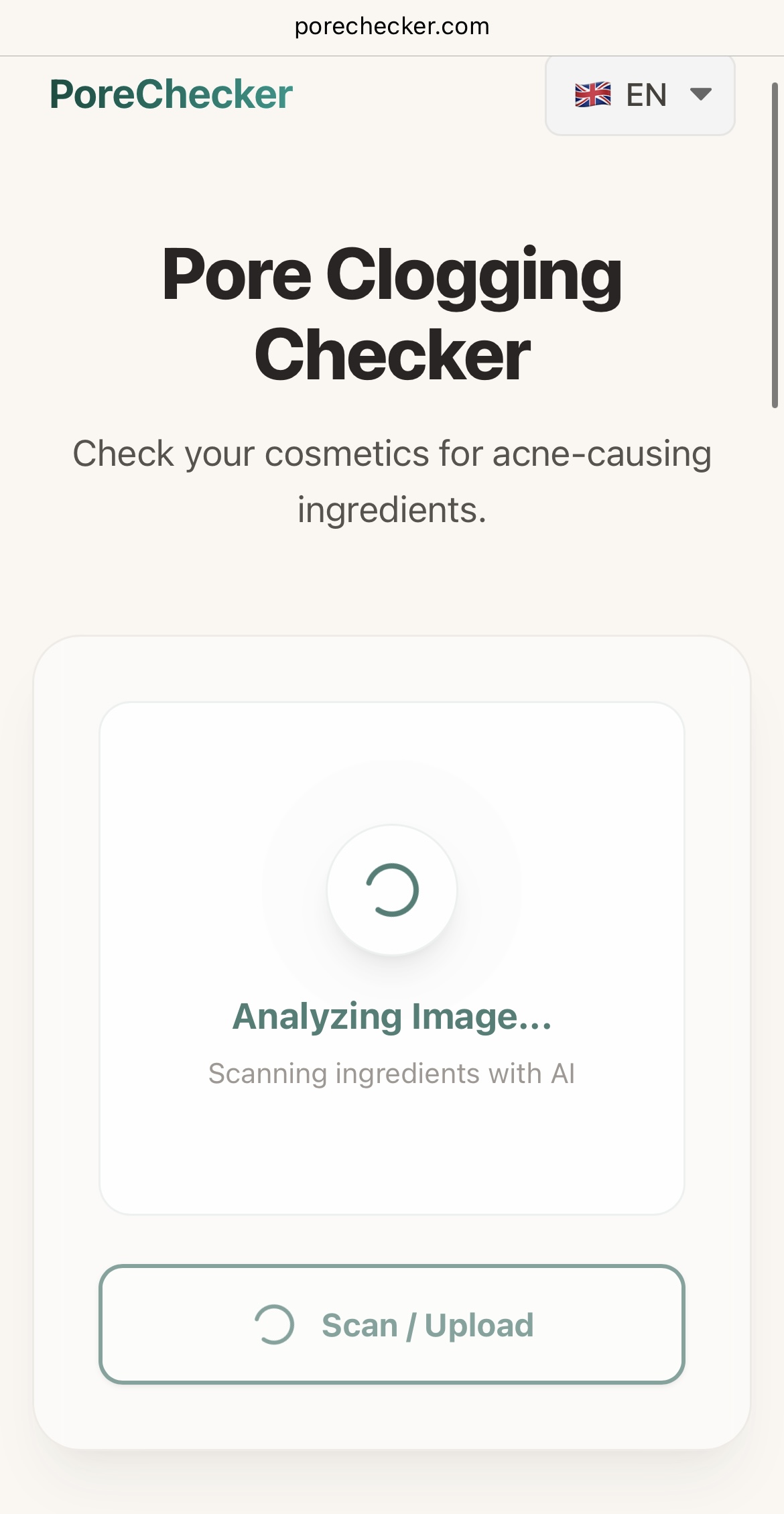
Step 2: Instant AI Ingredient Analysis
Our advanced AI scans the image, performs OCR (Optical Character Recognition), and matches every ingredient against our curated database of comedogenic substances.
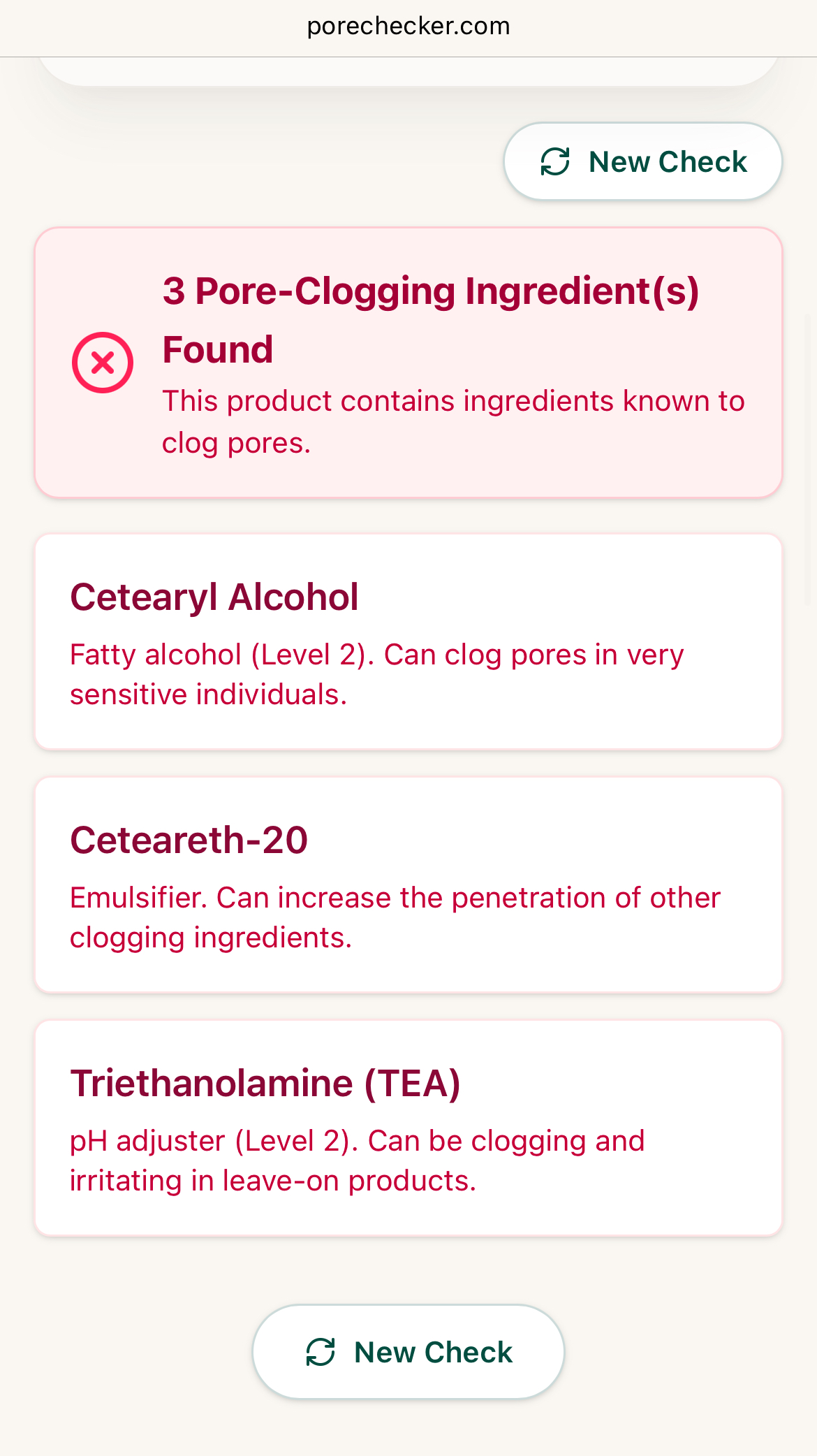
Step 3: Clear Results for Clearer Skin
You get an immediate breakdown. If any red-flag ingredients are found, we highlight them and explain why they might be problematic for your pores.
Does this product fit my skin's needs?
Check Your Products Now