Is Hyaluronic Acid Good for Acne? Unpacking the Science and Soothing Your Skin
Discover if hyaluronic acid helps acne-prone skin. Expert dermatologist advice on usage, benefits, and how to avoid pore-clogging ingredients.
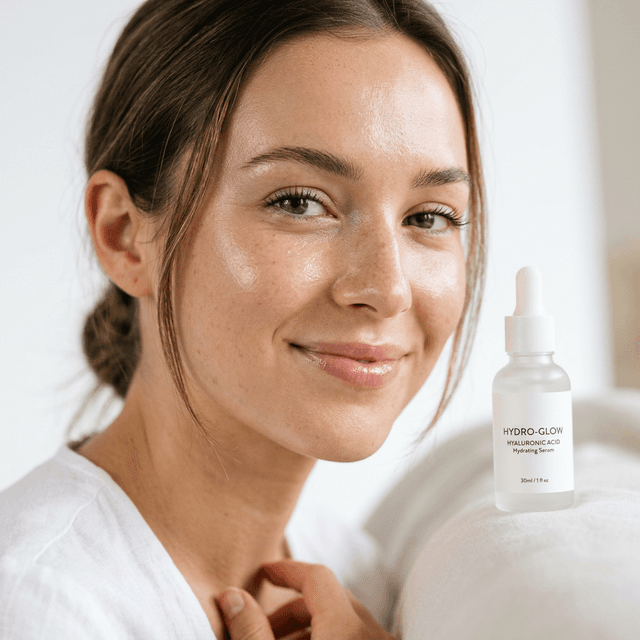
Acne can be a frustrating journey, often leaving us searching for ingredients that offer both hydration and clarity. Hyaluronic acid (HA) has gained significant popularity in skincare, lauded for its exceptional ability to draw and retain moisture. But when it comes to acne-prone skin, the question arises: is hyaluronic acid good for acne? As a dermatologist and skincare scientist, I'm here to provide an informed, science-backed perspective.
The key to managing acne lies in understanding that not all ingredients are created equal. Many products aimed at treating acne can be harsh and drying. Finding a balance between effective treatment and gentle care is crucial. This is where non-comedogenic ingredients, those less likely to clog pores, become essential. Let's delve into how hyaluronic acid fits into this equation.
The Science Behind Hyaluronic Acid and Its Role
Hyaluronic acid is a naturally occurring polysaccharide found in our skin, responsible for maintaining hydration and plumpness. It acts like a sponge, attracting and holding water molecules, leading to improved skin hydration and a smoother appearance. In skincare products, HA is often used in serums, moisturizers, and even cleansers.
Benefits of Hyaluronic Acid for Acne-Prone Skin
For acne-prone skin, hydration is paramount. Many acne treatments, such as benzoyl peroxide or retinoids, can be drying and irritating. Here’s how HA can benefit:
- Enhanced Hydration: HA helps replenish the skin's moisture barrier, which is often compromised in acne-prone skin, reducing dryness and flakiness.
- Reduced Irritation: By providing hydration, HA can mitigate the irritation often associated with acne treatments, making them more tolerable.
- Improved Skin Texture: Properly hydrated skin tends to look smoother and less textured, which can be beneficial in managing acne scars and post-inflammatory hyperpigmentation.
How to Use Hyaluronic Acid Effectively
To incorporate hyaluronic acid into your routine, follow these guidelines:
- Choose the Right Product: Look for serums or moisturizers that are oil-free and specifically formulated for acne-prone skin.
- Apply to Damp Skin: HA works best when applied to slightly damp skin, as it needs water to bind to. Spritzing your face with a hydrating mist before applying can enhance its effectiveness.
- Layer Strategically: Apply HA before heavier moisturizers or occlusives to seal in hydration. If using other active ingredients, apply them in order of consistency, thinnest to thickest.
Navigating Potential Pitfalls: Are There Any Downsides?
While hyaluronic acid is generally considered safe and beneficial for most skin types, including acne-prone skin, it's essential to be mindful of a few considerations.
Comedogenicity Concerns
The hyaluronic acid molecule itself is non-comedogenic, meaning it doesn't clog pores. However, the formulation of a product containing HA may include other ingredients that could potentially trigger breakouts. Always examine the full ingredient list for any potential pore-clogging culprits such as certain oils, silicones, or waxes. Remember, even ingredients labeled as "non-comedogenic" aren't a guarantee, and individual reactions vary.
Ingredient Compatibility
HA is generally compatible with most other skincare ingredients. However, it's always wise to introduce new products gradually. If you are using a retinol or strong exfoliating acids, ensure your skin barrier is healthy and moisturized. Using HA can help offset some of the drying effects of these treatments, provided the other ingredients in your routine are also well-tolerated.
Don't Let Your Products Ruin Your Progress
So, we've established that hyaluronic acid itself is typically a good addition to an acne-prone skincare routine. But, it's critical to remember that the effectiveness of HA hinges on the *other* ingredients in the product. Even if HA is beneficial, a serum or moisturizer packed with pore-clogging oils or irritating fragrances can sabotage your efforts. That's why carefully scrutinizing every ingredient list is key. Knowing which substances to avoid is half the battle; the other half is making informed choices.
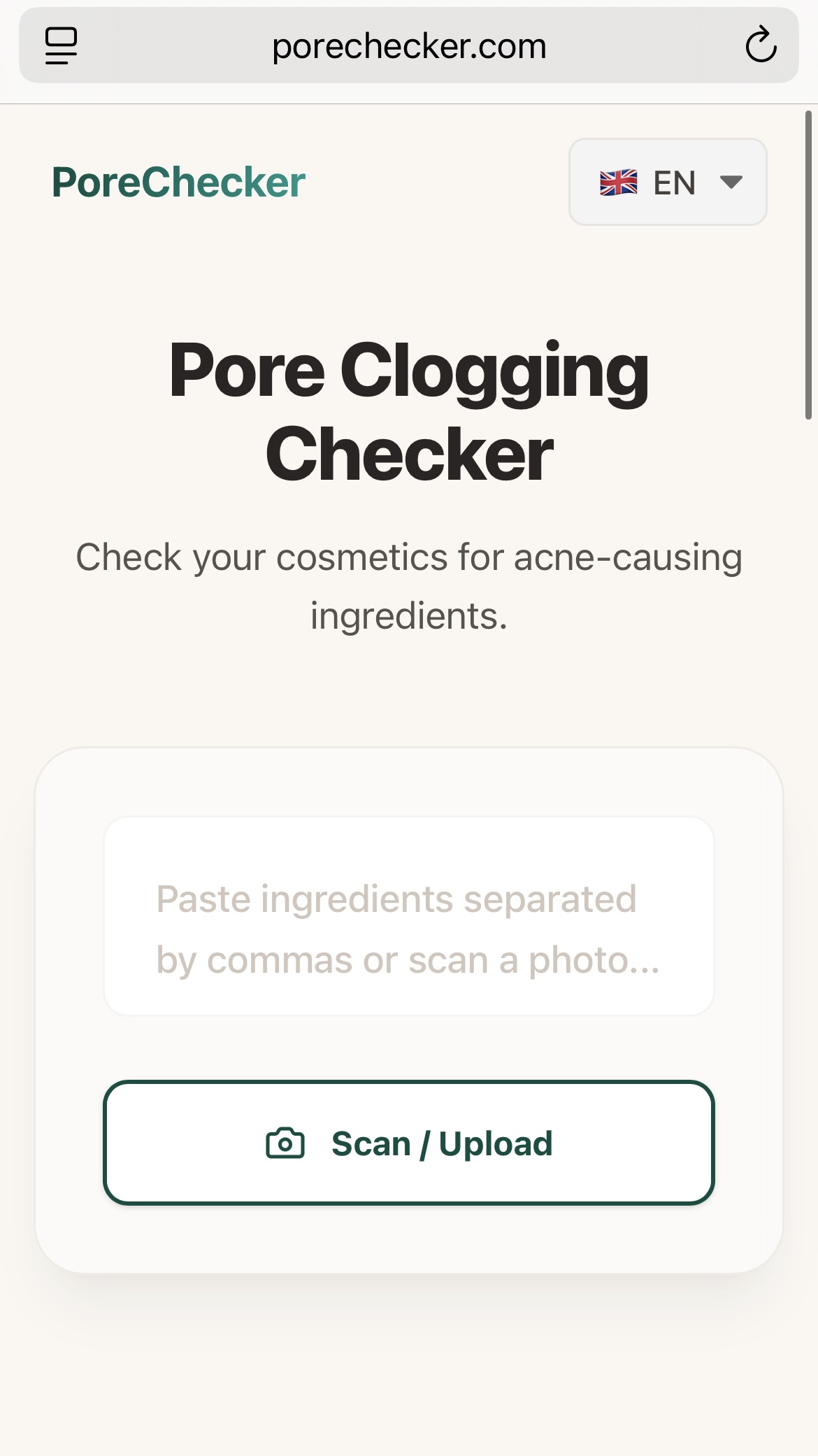
Step 1: Upload Your Product Image
Simply snap a photo of the ingredient list on the back of any bottle, jar, or box. No typing required.
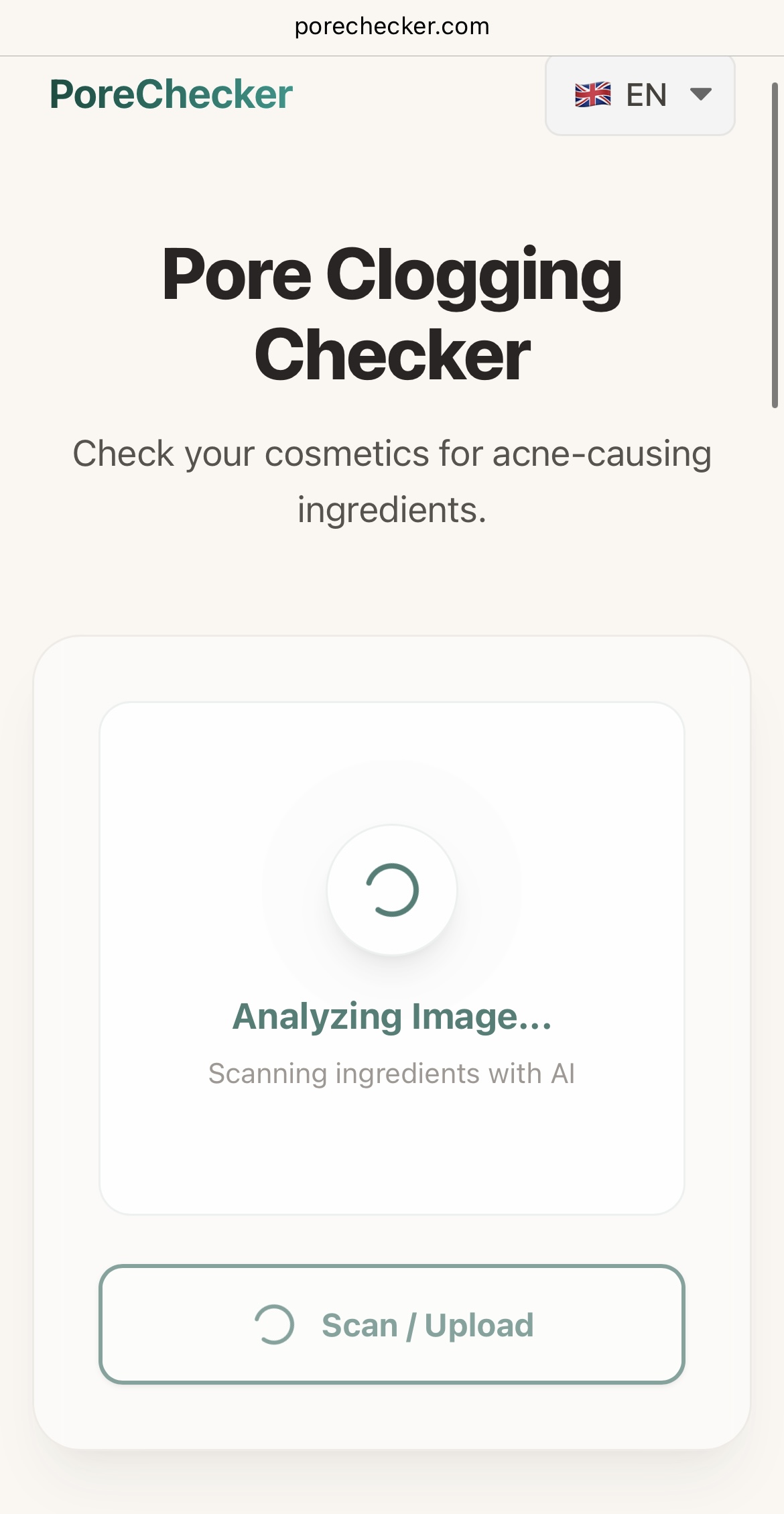
Step 2: Instant AI Ingredient Analysis
Our advanced AI scans the image, performs OCR (Optical Character Recognition), and matches every ingredient against our curated database of comedogenic substances.
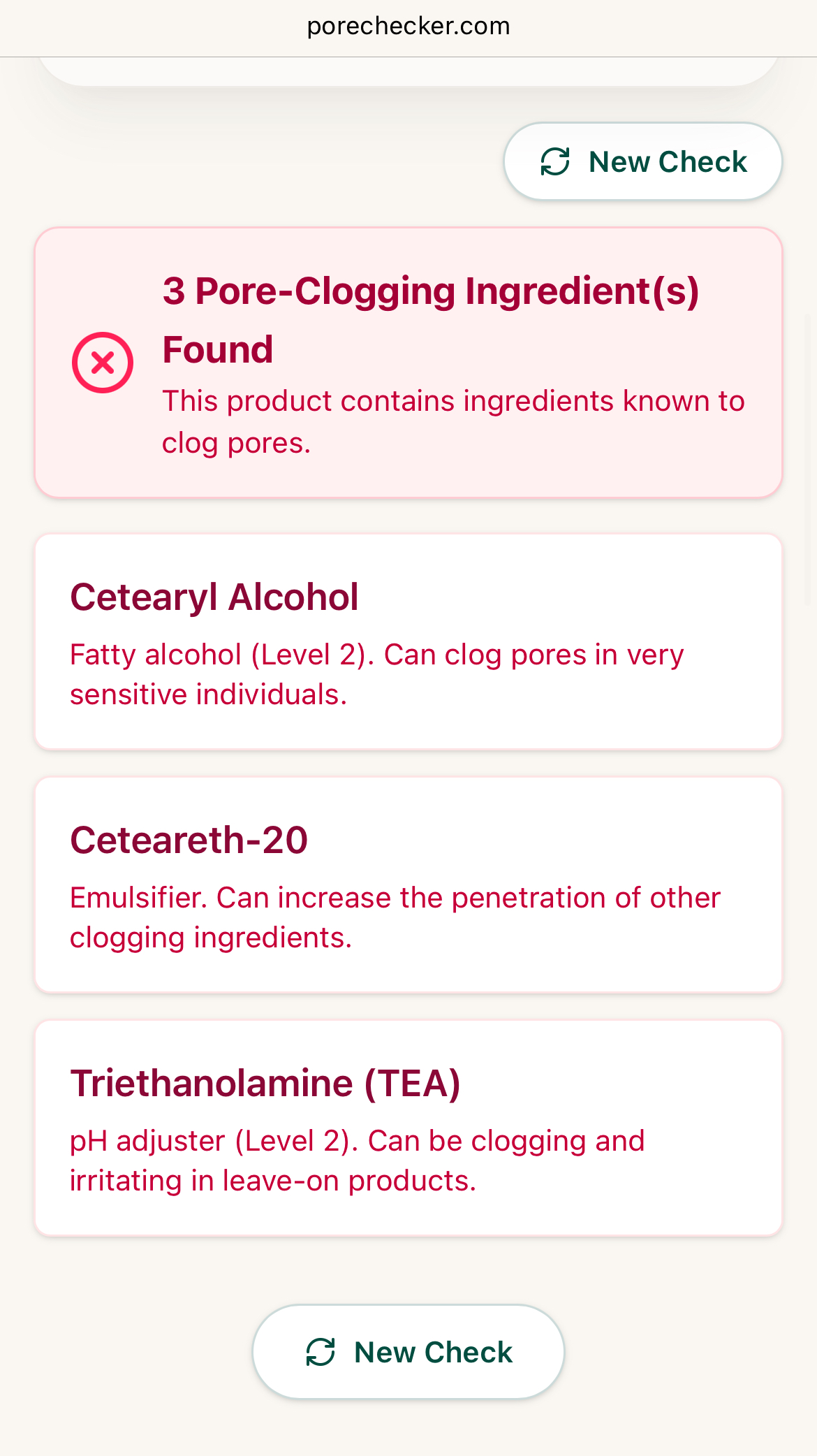
Step 3: Clear Results for Clearer Skin
You get an immediate breakdown. If any red-flag ingredients are found, we highlight them and explain why they might be problematic for your pores.
Does this product fit my skin's needs?
Check Your Products Now