Is Retinol Good for Acne? Unveiling the Science and Securing Clear Skin
Discover if retinol is good for acne! Learn how this powerful ingredient works to fight breakouts and achieve clear, healthy skin. Plus, expert tips!
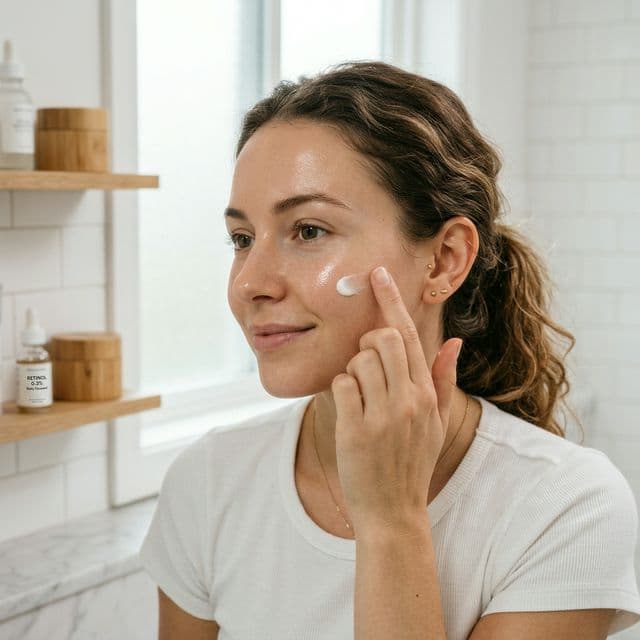
The quest for clear, radiant skin often leads us down a winding path, fraught with conflicting advice and overwhelming product choices. Among the most talked-about ingredients in the skincare world is retinol. Revered for its anti-aging properties, it's also a potent weapon in the fight against acne. But is retinol good for acne for everyone? Let's delve into the science behind this powerhouse ingredient and explore how it can transform your complexion, guiding you toward a future of healthier, more confident skin.
Before we jump in, it's crucial to remember the foundation of any effective skincare routine: non-comedogenic care. This means choosing products specifically formulated not to clog your pores, as this is a primary driver of acne. Reading labels carefully and being mindful of ingredient lists is key, especially if you have sensitive or acne-prone skin. Building your routine around a gentle cleanser, a lightweight moisturizer, and, of course, the right approach to retinol, is the ideal starting point.
Retinol: The Acne-Fighting Superstar
Retinol, a derivative of Vitamin A, works its magic by accelerating skin cell turnover. This process helps to shed dead skin cells that can clog pores, leading to blackheads, whiteheads, and inflamed pimples. Retinol also encourages the production of new collagen, improving skin texture and reducing the appearance of acne scars. Its multifaceted approach makes it an incredibly valuable ingredient in the fight against acne.
How Retinol Tackles Acne Head-On
Retinol's effectiveness stems from its ability to:
- Unclog pores: By preventing the buildup of dead skin cells and sebum, retinol keeps pores clear and reduces the formation of new acne.
- Reduce inflammation: Retinol possesses anti-inflammatory properties, which help to calm the redness and swelling associated with acne.
- Control oil production: Retinol can help regulate sebum production, preventing the skin from becoming overly oily, another contributing factor to acne breakouts.
The Right Way to Introduce Retinol into Your Routine
Starting slowly is vital when introducing retinol. Begin by using it once or twice a week, gradually increasing the frequency as your skin tolerates it. Apply it in the evening after cleansing and before moisturizing. Be patient; it often takes several weeks or months to see noticeable results. During the day, always wear a broad-spectrum sunscreen with an SPF of 30 or higher, as retinol can increase your skin's sensitivity to the sun.
Potential Side Effects and How to Manage Them
Common side effects of retinol include redness, dryness, peeling, and irritation. These effects, often referred to as "retinization," usually subside as your skin adjusts. To minimize these side effects:
- Start with a low concentration of retinol.
- Apply a moisturizer after retinol to hydrate the skin.
- Avoid using other harsh exfoliating products simultaneously.
- Consider the "sandwich method": Apply moisturizer before and after retinol.
Don't Let Your Products Ruin Your Progress
While retinol is an invaluable ally in the fight against acne, it’s only one piece of the puzzle. The products you use alongside it can make or break your progress. Hidden pore-cloggers are everywhere – from seemingly harmless ingredients in your cleanser and moisturizer to the foundations and concealers you use to cover up imperfections. Carefully reviewing the ingredient lists of all your skincare and makeup products is vital. Seek out formulas labeled "non-comedogenic" and familiarize yourself with ingredients to avoid. If you're unsure, there are many tools available that allow you to check the potential comedogenicity of any product, empowering you to make informed decisions and build a truly effective skincare routine.
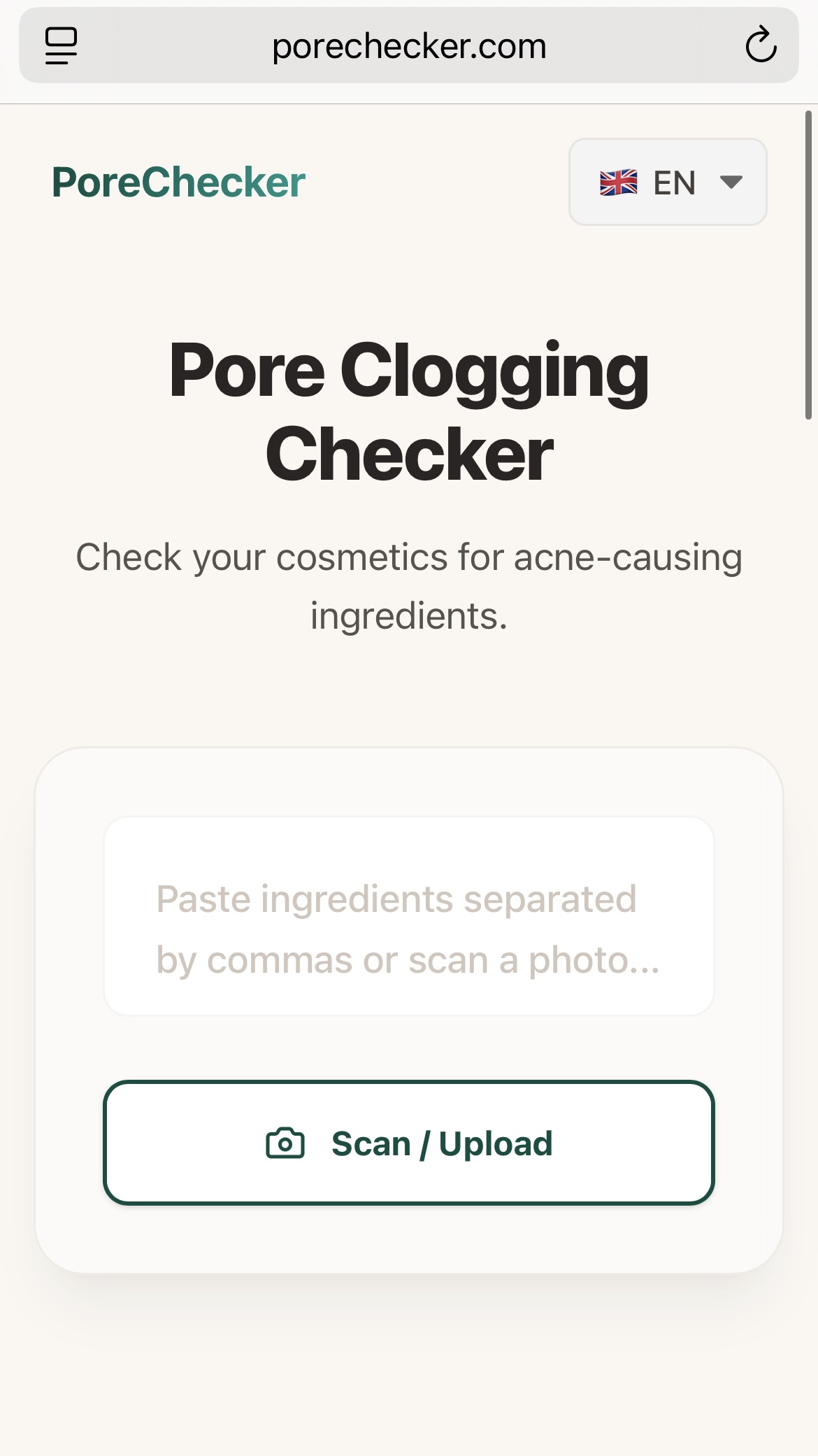
Step 1: Upload Your Product Image
Simply snap a photo of the ingredient list on the back of any bottle, jar, or box. No typing required.
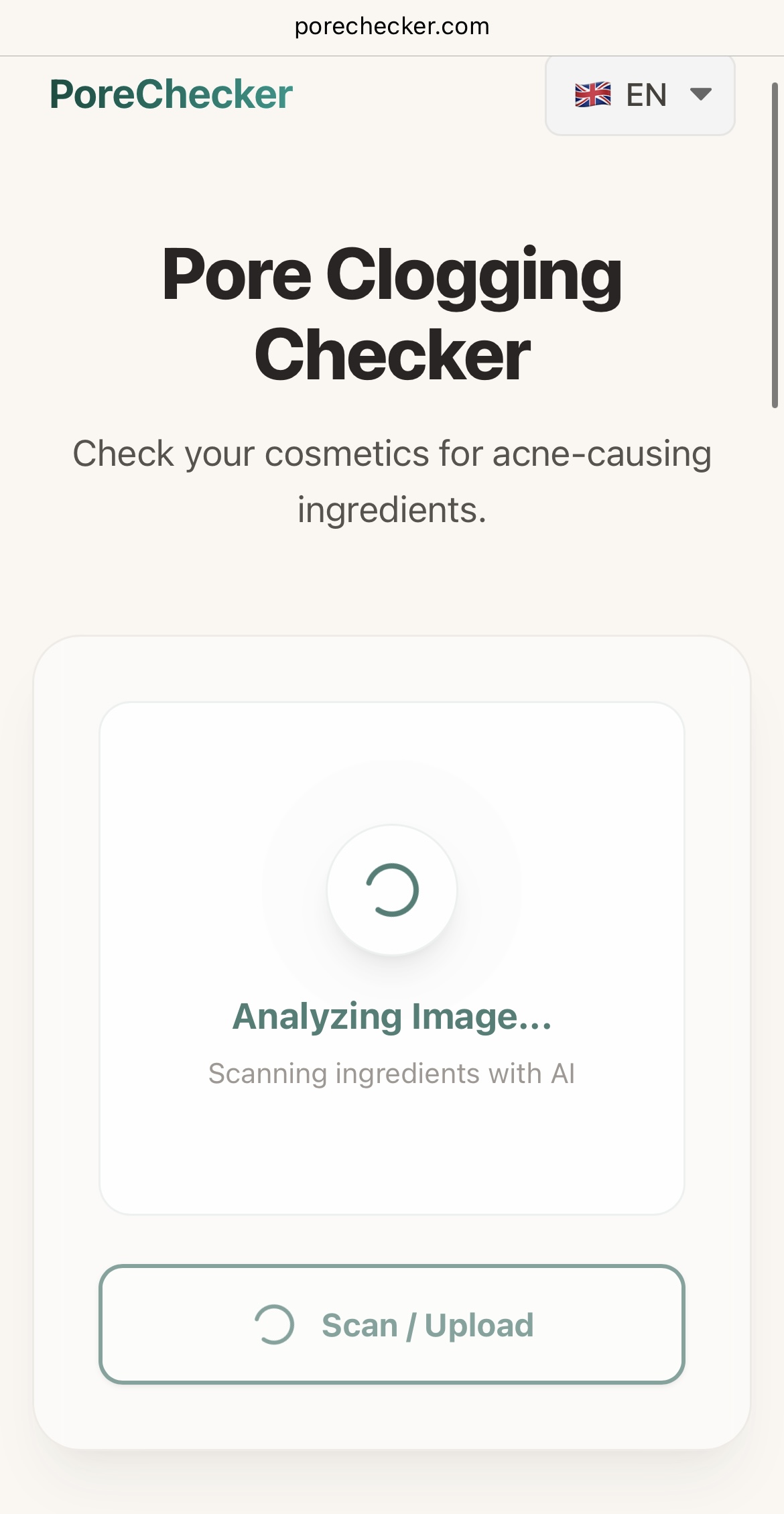
Step 2: Instant AI Ingredient Analysis
Our advanced AI scans the image, performs OCR (Optical Character Recognition), and matches every ingredient against our curated database of comedogenic substances.
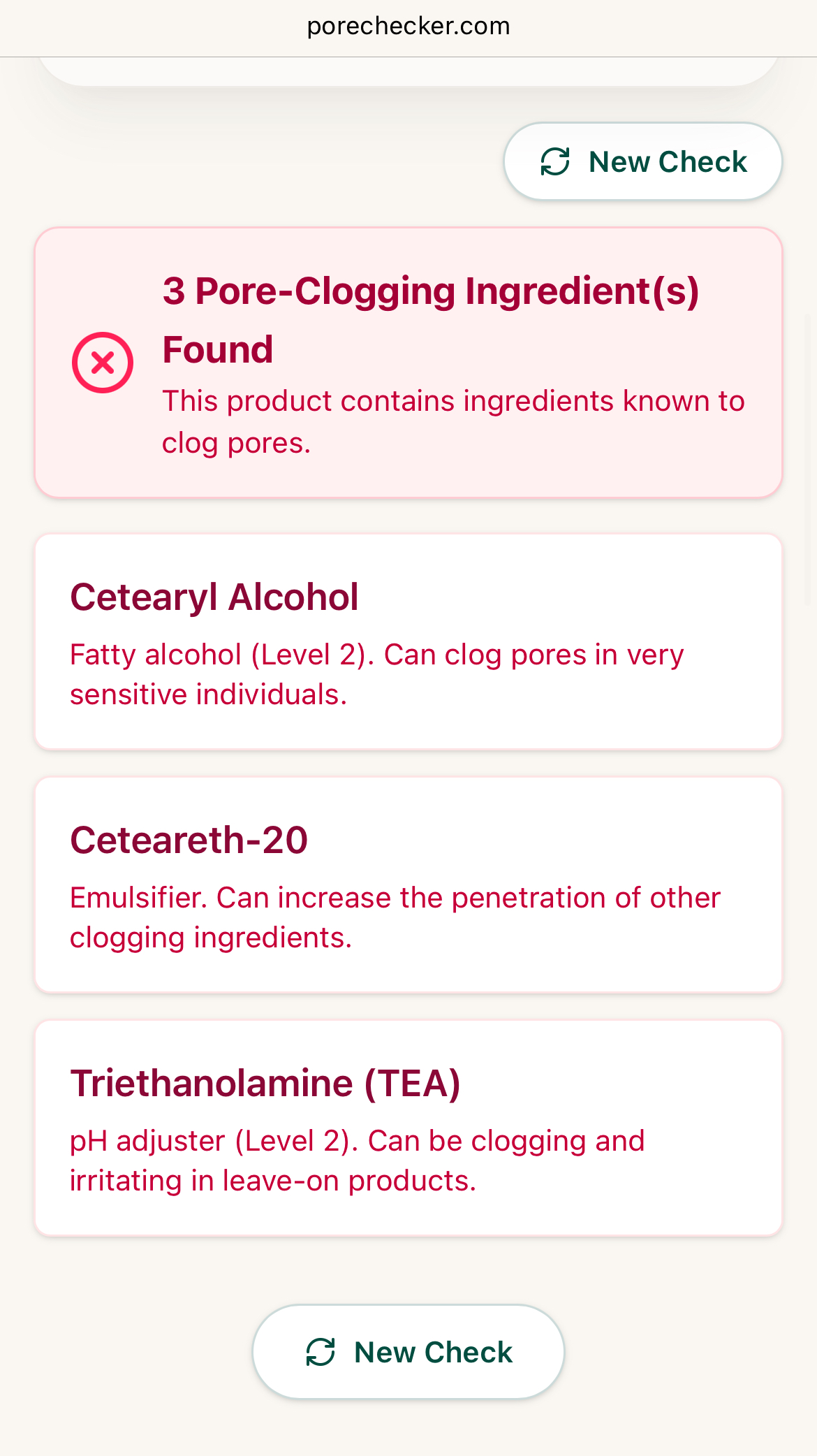
Step 3: Clear Results for Clearer Skin
You get an immediate breakdown. If any red-flag ingredients are found, we highlight them and explain why they might be problematic for your pores.
Does this product fit my skin's needs?
Check Your Products Now