Is Salicylic Acid Good For Acne? A Dermatologist's Expert Opinion
Discover the truth about salicylic acid for acne! A dermatologist explains its benefits, how to use it, and what to watch out for. Get clear skin today.
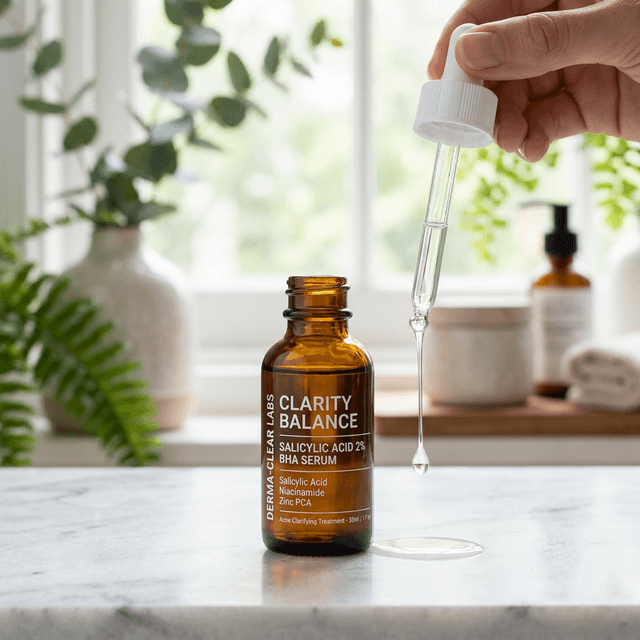
Acne can be a frustrating condition, impacting not only our skin's appearance but also our self-esteem. As a dermatologist, I've seen countless patients struggling with breakouts, seeking effective and science-backed solutions. One ingredient that frequently surfaces in these discussions is salicylic acid. But is salicylic acid good for acne? The answer, as with most things in dermatology, is nuanced. This article will delve into the science behind this powerful ingredient, providing you with the information you need to make informed decisions about your skincare routine. We'll also emphasize the importance of non-comedogenic products – those designed to not clog pores – as the foundation for clear skin.
Understanding acne requires a holistic approach. It’s not just about what you apply, but also about the underlying causes. Factors like excess oil production, the buildup of dead skin cells, and bacterial overgrowth within the pores all contribute. A well-rounded skincare regimen, incorporating products designed to address these issues, is crucial. Remember, effective acne treatment is rarely a quick fix; consistency and patience are key. Let's explore why salicylic acid is considered a front-line treatment and how to use it safely and effectively.
Salicylic acid, a beta-hydroxy acid (BHA), is derived from willow bark. It's a key ingredient for fighting acne because of its unique properties. Unlike some other acne treatments, salicylic acid is oil-soluble, allowing it to penetrate into pores to dissolve the sebum and debris that clog them. This is how it directly tackles blackheads and whiteheads. It also acts as an exfoliant, helping to remove dead skin cells and prevent future breakouts. This dual action makes it a valuable tool in the fight against acne.
How Salicylic Acid Fights Acne
Salicylic acid works in several ways to combat acne. Its primary mechanism is its ability to exfoliate the skin's surface. By loosening the bonds between dead skin cells, it promotes their shedding, preventing them from accumulating and clogging pores. This exfoliation not only clears existing acne but also helps prevent new ones from forming. Furthermore, salicylic acid has anti-inflammatory properties, which can help reduce the redness and swelling associated with acne lesions. It also helps regulate sebum production, preventing the overproduction of oil that can contribute to breakouts.
Targeting Blackheads and Whiteheads
Blackheads and whiteheads, also known as comedones, are the result of pores clogged with sebum and dead skin cells. Salicylic acid is particularly effective in treating these because, as mentioned earlier, it is oil-soluble. This means it can penetrate into the pores, dissolve the oil and debris, and unclog them. Consistent use of salicylic acid can significantly reduce the number of blackheads and whiteheads, leading to clearer skin. It's important to be patient, as it may take several weeks to see significant improvement.
Exfoliation and Cell Turnover
One of the key benefits of salicylic acid is its ability to promote cell turnover. By encouraging the shedding of dead skin cells, it prevents them from accumulating and blocking pores. This process helps to keep the skin clear and healthy. Faster cell turnover also helps to fade post-inflammatory hyperpigmentation, the dark spots often left behind after acne lesions heal. Regular use can lead to smoother, more even-toned skin.
How to Use Salicylic Acid Safely
When incorporating salicylic acid into your routine, start slowly. Begin with a low concentration product (0.5% or 1%) and use it once or twice a week to assess your skin's tolerance. Gradually increase the frequency or concentration as tolerated. Always follow the product instructions carefully. Be mindful of potential side effects, such as dryness, redness, and peeling, which are common when starting to use salicylic acid. Overuse can irritate the skin, worsening acne or leading to other problems.
Choosing the Right Product
Salicylic acid is available in various formulations, including cleansers, toners, serums, and spot treatments. The best choice depends on your skin type and acne severity. For oily skin, a cleanser or toner containing salicylic acid can be a good starting point. For more targeted treatment, a serum or spot treatment may be more effective. Always choose products from reputable brands that clearly list the percentage of salicylic acid. Look for non-comedogenic and fragrance-free options to minimize the risk of irritation.
Building a Routine
A well-rounded skincare routine should incorporate salicylic acid strategically. You can start with a salicylic acid cleanser in the morning, followed by a light moisturizer. In the evening, you might incorporate a salicylic acid serum. Always follow with a moisturizer, even if your skin is oily, to maintain a healthy skin barrier. Remember to apply sunscreen daily, as salicylic acid can make your skin more sensitive to the sun. Avoid using multiple exfoliating products at the same time, as this can lead to over-exfoliation and irritation. The key is to find a routine that works for your skin.
Potential Side Effects and Precautions
While salicylic acid is generally safe, some side effects are possible. The most common include dryness, redness, peeling, and irritation. If you experience these symptoms, reduce the frequency of use or discontinue the product. Avoid using salicylic acid on broken or irritated skin. Those with sensitive skin or rosacea should consult a dermatologist before use. Also, if you are pregnant or breastfeeding, it's best to consult your doctor before using salicylic acid products. Always perform a patch test before applying a new product to your entire face to check for potential reactions.
Don't Let Your Products Ruin Your Progress
You've learned that salicylic acid can be a powerful ally in the fight against acne, but it's only one piece of the puzzle. The products you use alongside it can either help or hinder your progress. Many seemingly innocent skincare items contain ingredients that can clog pores, triggering new breakouts and undoing the benefits of your acne treatment. Hidden pore-cloggers are sneaky and can sabotage your efforts. That’s why it’s so essential to develop the habit of carefully scrutinizing the ingredients list of every product you use. To help you navigate the world of skincare ingredients, consider using a tool that analyzes product formulations and flags potential pore-clogging offenders, ensuring your routine supports, rather than undermines, your goal of clear, healthy skin.
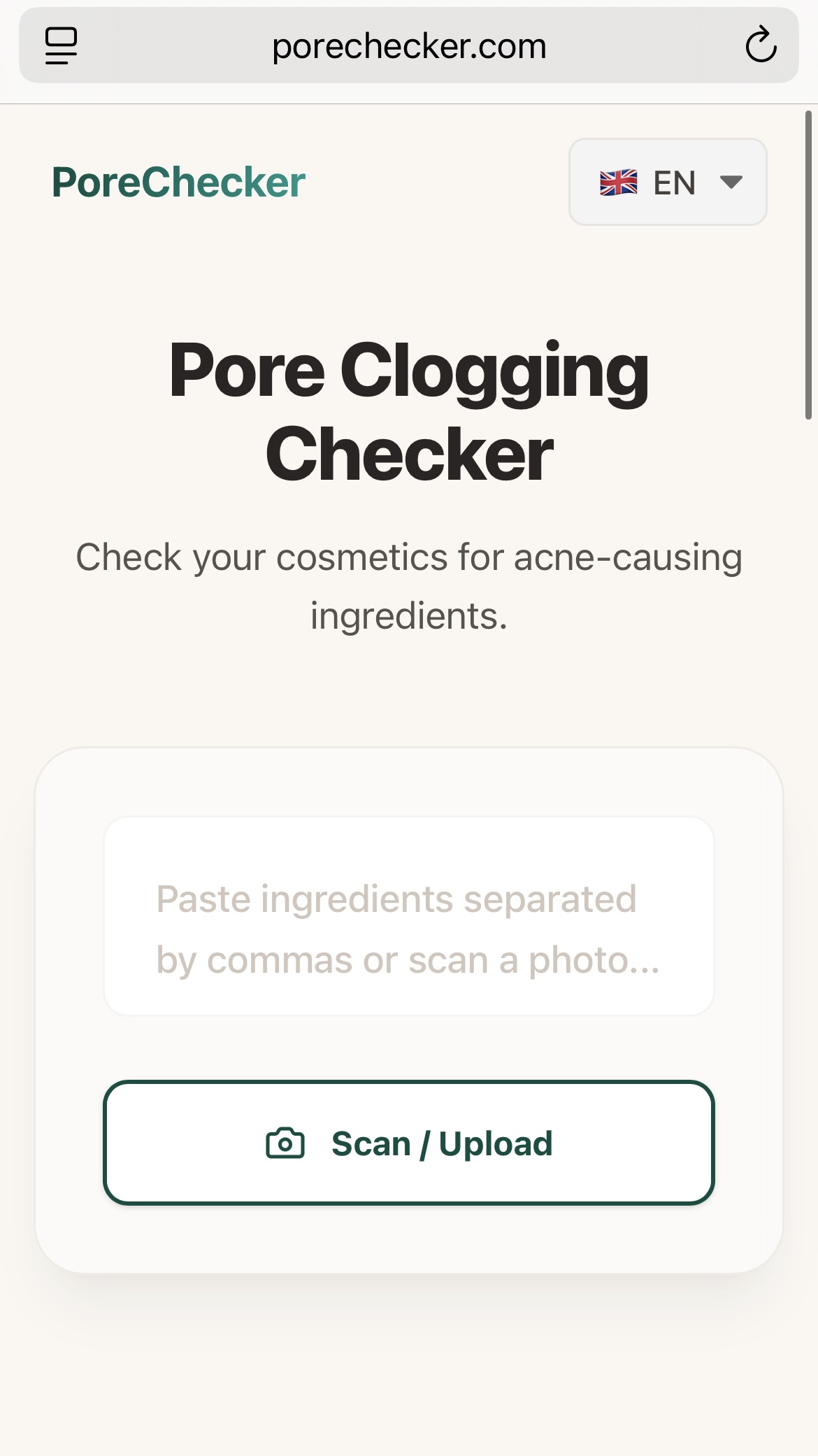
Step 1: Upload Your Product Image
Simply snap a photo of the ingredient list on the back of any bottle, jar, or box. No typing required.
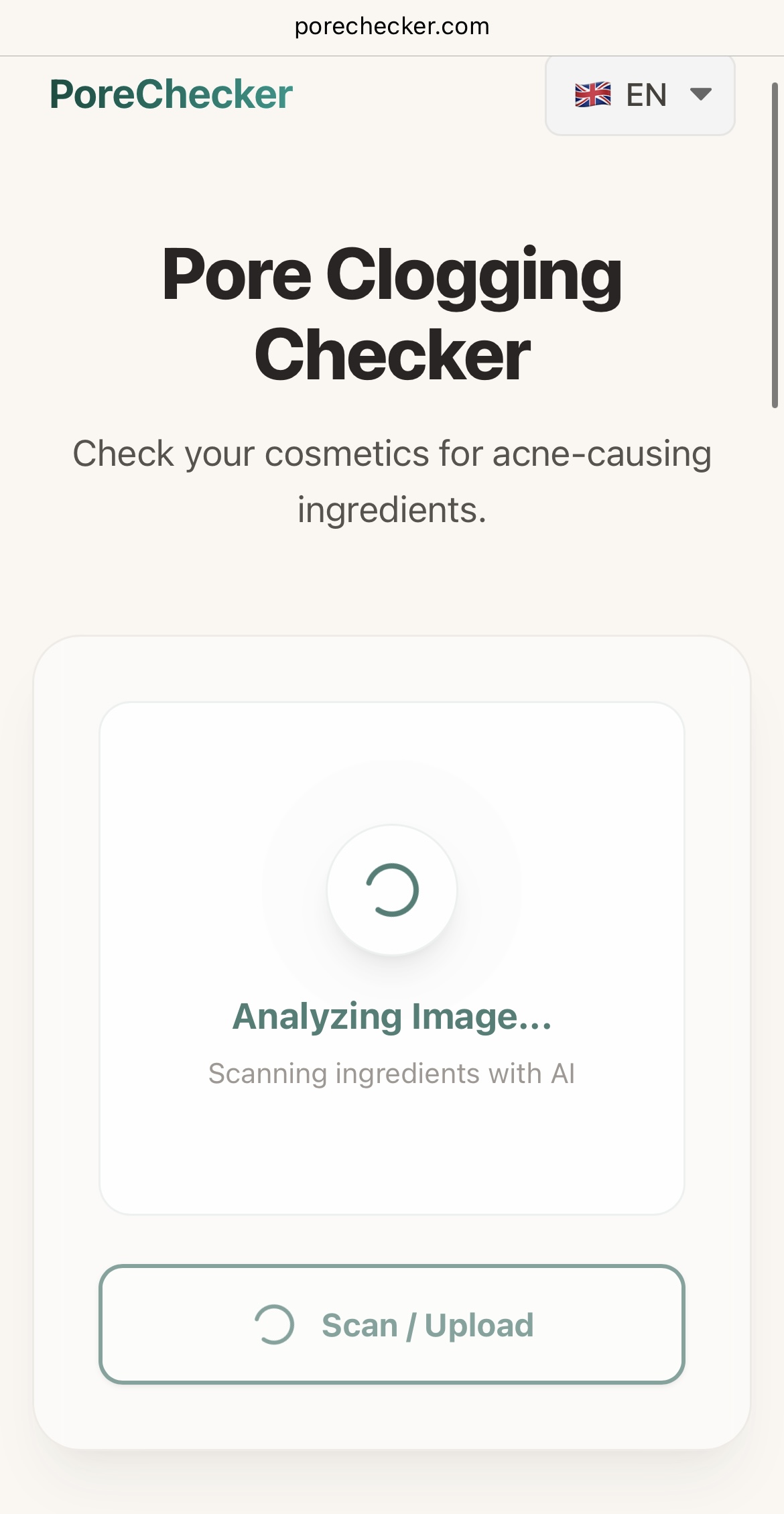
Step 2: Instant AI Ingredient Analysis
Our advanced AI scans the image, performs OCR (Optical Character Recognition), and matches every ingredient against our curated database of comedogenic substances.
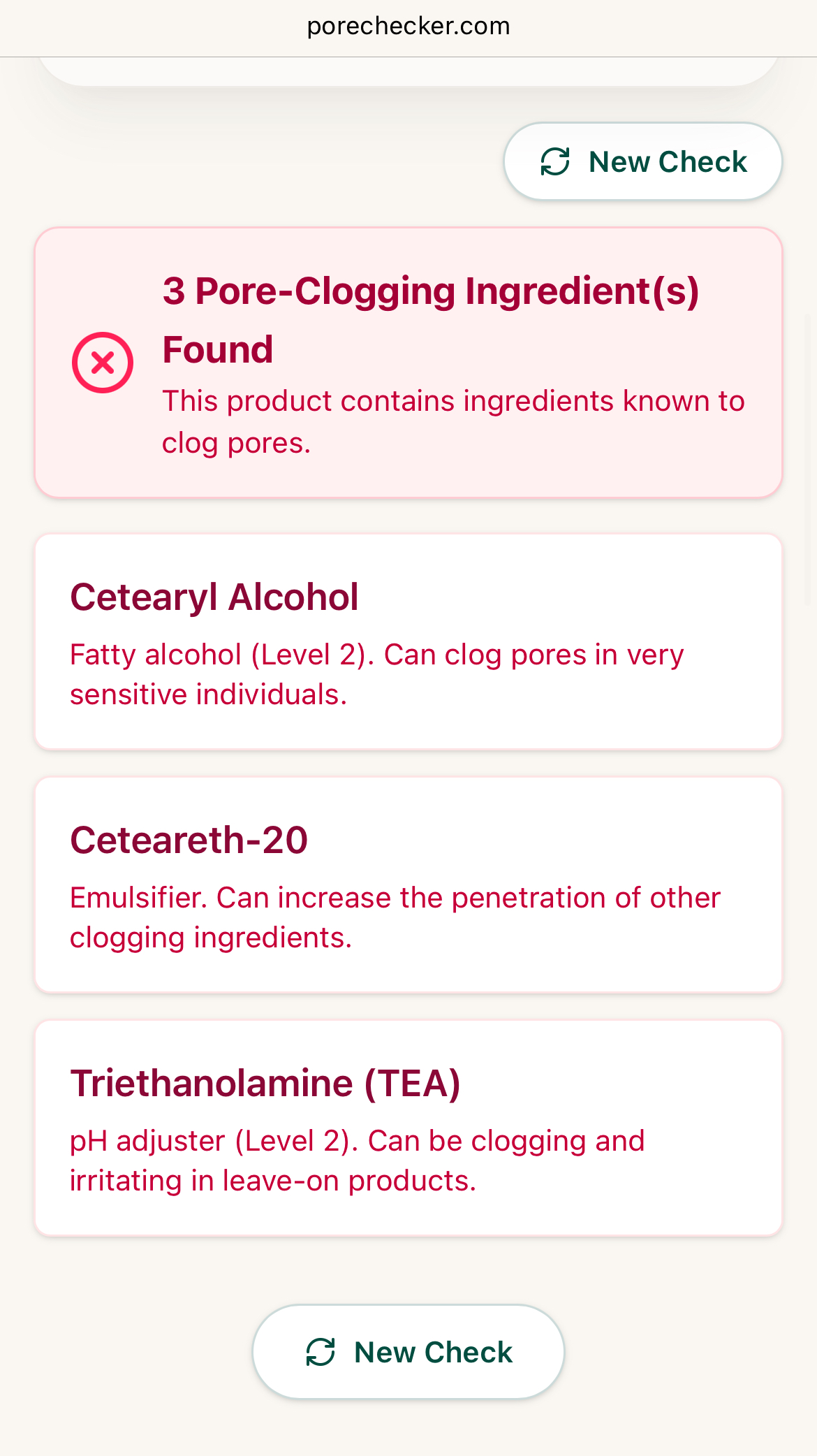
Step 3: Clear Results for Clearer Skin
You get an immediate breakdown. If any red-flag ingredients are found, we highlight them and explain why they might be problematic for your pores.
Does this product fit my skin's needs?
Check Your Products Now