Is Shea Butter Comedogenic? What You Need To Know Before You Moisturize
Struggling with breakouts? Learn the scientific truth behind whether shea butter is comedogenic and how to choose safe products.
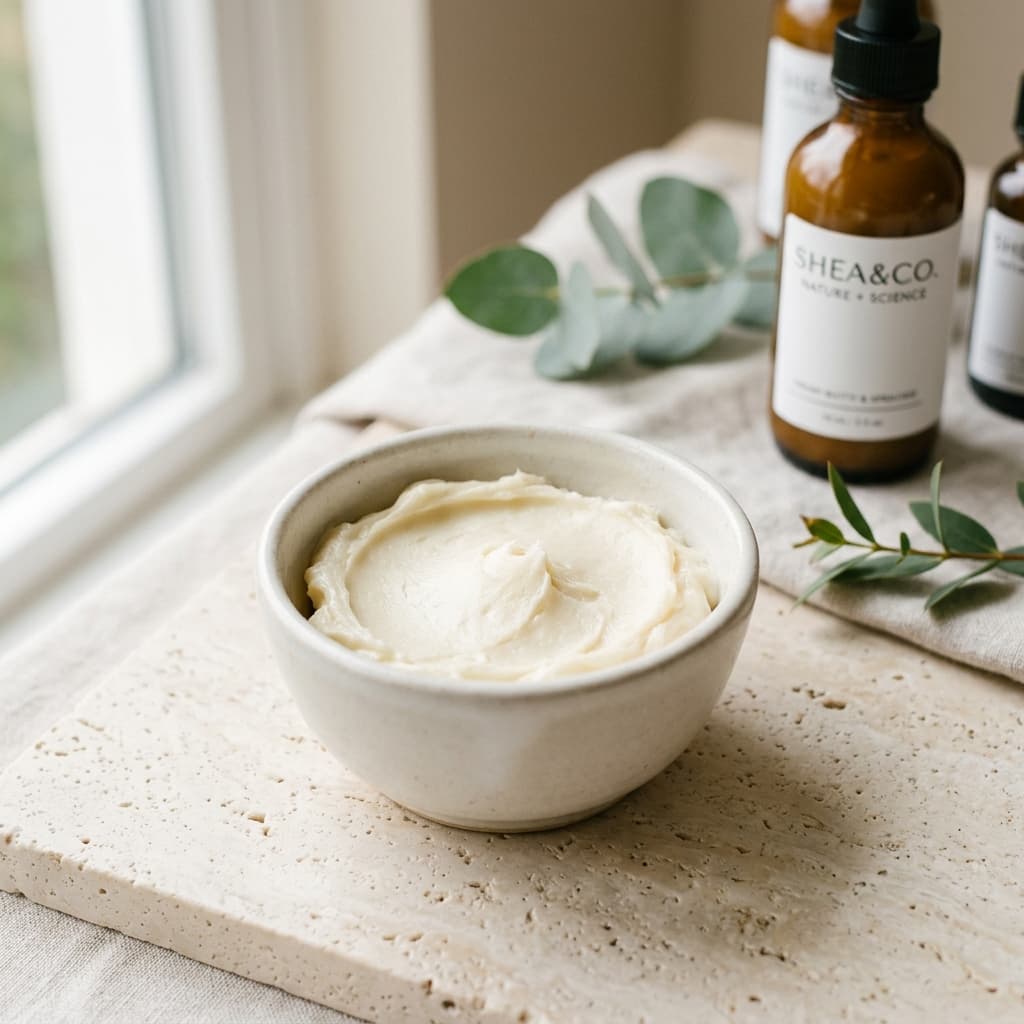
For anyone navigating the complexities of acne-prone or reactive skin, the search for the perfect moisturizer often feels like a high-stakes gamble. Shea butter, a lipid extracted from the nut of the African shea tree, has long been celebrated in the beauty industry for its emollient properties and ability to soothe dry, irritated skin. However, its heavy texture frequently sparks debate among skincare enthusiasts and dermatologists alike.
The confusion often stems from the comedogenic scale, a metric that ranks ingredients based on their likelihood to clog pores. While many assume that all plant-based butters are created equal, the reality is far more nuanced. Understanding the chemical profile of shea butter is essential for those who want to maintain hydration without sacrificing skin clarity.
Decoding the Comedogenic Rating
Shea butter is generally assigned a rating of zero to two on the comedogenic scale. On a scale of zero to five, this places it in the low-risk category for most people. Its molecular structure contains a unique profile of fatty acids, including oleic and stearic acid, which allow it to penetrate the skin barrier effectively. Unlike heavier waxes or mineral-based oils, pure, high-quality shea butter does not naturally form an impenetrable film over the follicle opening.
However, individual skin biology plays a significant role. Someone with a compromised skin barrier might find that even a low-comedogenic ingredient causes congestion if their skin is already sensitized or if they are prone to fungal acne. It is also important to differentiate between raw, unrefined shea butter and the highly processed versions found in budget moisturizers, which may be mixed with other synthetic binders or waxes that actually do trigger breakouts.
The Hidden Culprits in Your Routine
When breakouts occur after introducing a new product, we often blame the primary star ingredient, such as shea butter. More often than not, the culprit is hidden further down the ingredient list. Many formulators stabilize plant butters with ingredients like isopropyl palmitate, acetylated lanolin, or certain silicone derivatives—all of which carry much higher comedogenic ratings than shea butter itself.
If your skin is particularly reactive, look for products that utilize shea butter in refined forms and verify that the supporting ingredients are non-comedogenic. A product might be labeled as "natural," but if it contains cocoa butter or wheat germ oil, your skin may react negatively to those components rather than the shea butter you are questioning.
Don't Let Your Products Ruin Your Progress
Navigating the ingredient list on your favorite moisturizer is one of the most effective ways to take control of your complexion. Even if an ingredient like shea butter is theoretically safe for your skin type, the way it is formulated with other additives can turn a beneficial product into a source of frustration. Regularly cross-referencing your skincare labels against known pore-clogging triggers is the best defense against unexpected breakouts, ensuring that the time and effort you invest in your routine lead to the clear, healthy results you deserve.
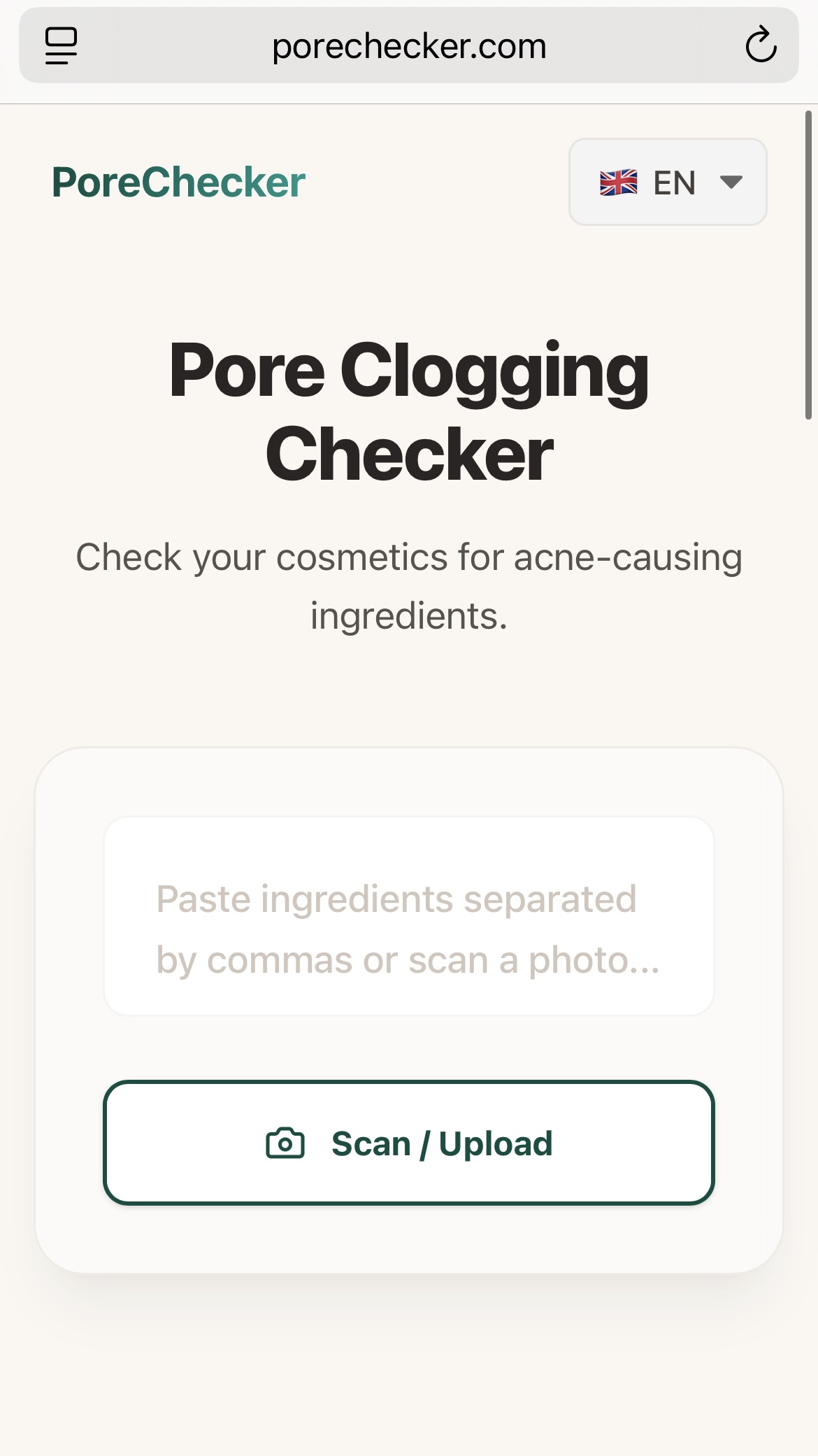
Step 1: Upload Your Product Image
Simply snap a photo of the ingredient list on the back of any bottle, jar, or box. No typing required.
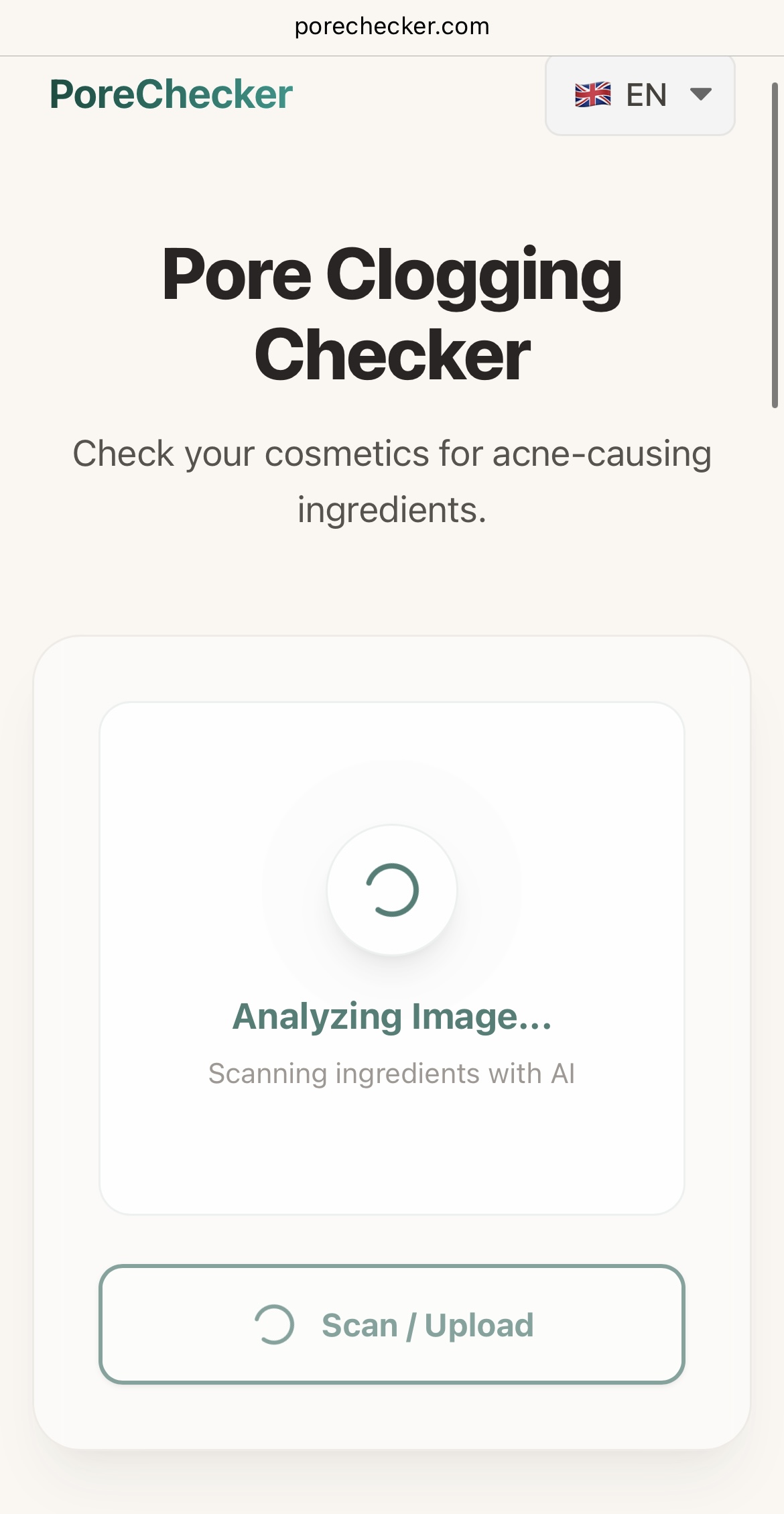
Step 2: Instant AI Ingredient Analysis
Our advanced AI scans the image, performs OCR (Optical Character Recognition), and matches every ingredient against our curated database of comedogenic substances.
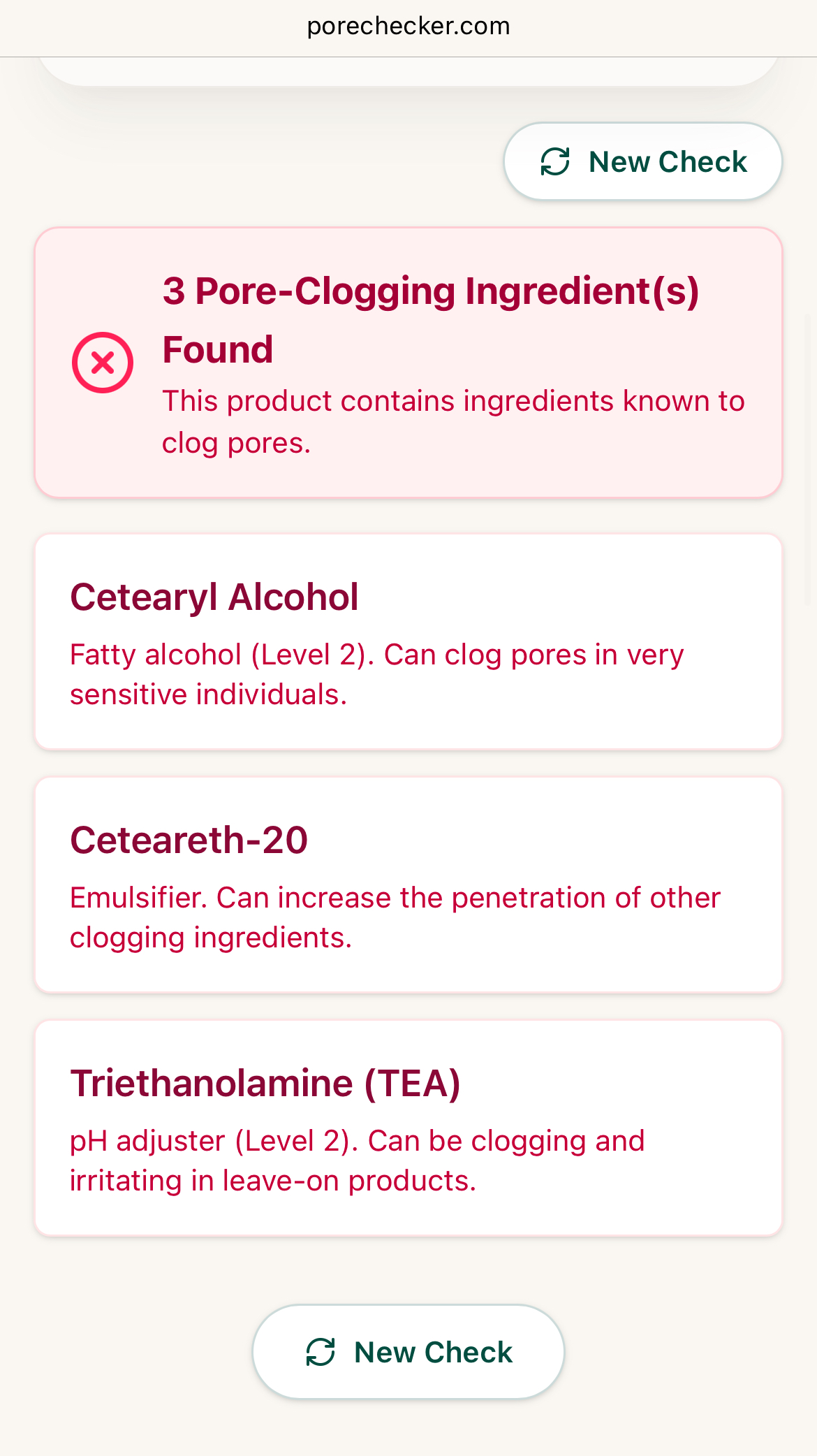
Step 3: Clear Results for Clearer Skin
You get an immediate breakdown. If any red-flag ingredients are found, we highlight them and explain why they might be problematic for your pores.
Does this product fit my skin's needs?
Check Your Products Now