Is Tretinoin Good for Acne? The Dermatologist’s Perspective on Retinoids
Curious if tretinoin is good for acne? Discover how this potent retinoid regulates skin turnover and helps clear breakouts effectively.

Acne remains one of the most frustrating dermatological concerns, often leaving patients feeling defeated by a cycle of temporary relief followed by recurring breakouts. When standard over-the-counter washes fall short, many patients eventually ask: is tretinoin good for acne? As a derivative of Vitamin A, tretinoin belongs to the retinoid family and stands as a gold-standard treatment for its ability to normalize follicular keratinization. Unlike surface-level exfoliants, it works at a cellular level to prevent the micro-comedones that eventually bloom into visible blemishes.
The efficacy of tretinoin lies in its power to speed up skin cell turnover. By encouraging dead skin cells to shed more efficiently, it prevents the clumping that traps sebum within the pore. While the results are clinically validated, the transition period—often called the "purge"—requires patience and a commitment to non-comedogenic skincare. Maintaining a barrier-supportive routine is essential to mitigate the initial irritation that often accompanies the introduction of this potent molecule.
How Tretinoin Transforms Skin at the Pore Level
Tretinoin functions by binding to specific nuclear receptors, altering gene expression to stabilize cell growth. For acne-prone skin, this means that the "glue" holding dead cells together inside the pore lining is weakened. When these cells exit the pore normally rather than forming a plug, the environment becomes hostile to the bacteria responsible for inflammatory acne.
Navigating the Retinoid Purge
A common misconception is that tretinoin causes breakouts. In reality, it brings pre-existing, deep-seated micro-comedones to the surface faster than they would have appeared naturally. This is a sign the medication is working, not a sign of a reaction. To manage this phase, we emphasize simplicity: a gentle, sulfate-free cleanser, a barrier-repairing moisturizer, and diligent sun protection are non-negotiable partners to your tretinoin regimen.
Don't Let Your Products Ruin Your Progress
While you may be using the gold standard in acne treatment, your hard work can be systematically undone by hidden culprits in your other skincare products. Even if your moisturizer or sunscreen is labeled "gentle," it may contain oils, esters, or waxes that are highly comedogenic, effectively plugging the very pores you are working so hard to keep clear with tretinoin. Achieving clear skin is a holistic process, and ensuring that every single product in your routine—from your serum to your heavy-duty night cream—is formulated without pore-clogging ingredients is just as important as the medication itself. Before you finalize your regimen, verify that your daily staples are truly compatible with your acne-prone profile.
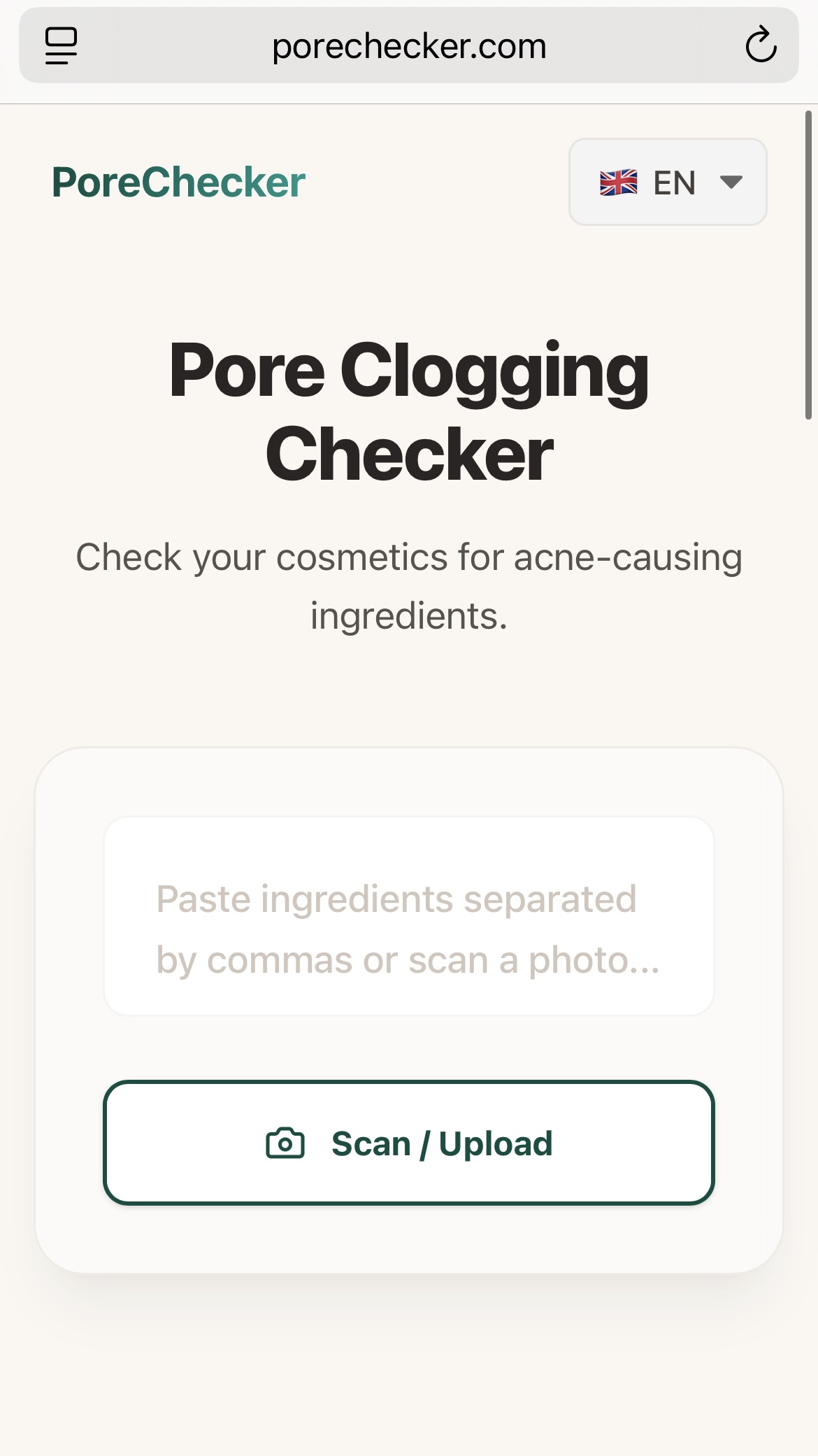
Step 1: Upload Your Product Image
Simply snap a photo of the ingredient list on the back of any bottle, jar, or box. No typing required.
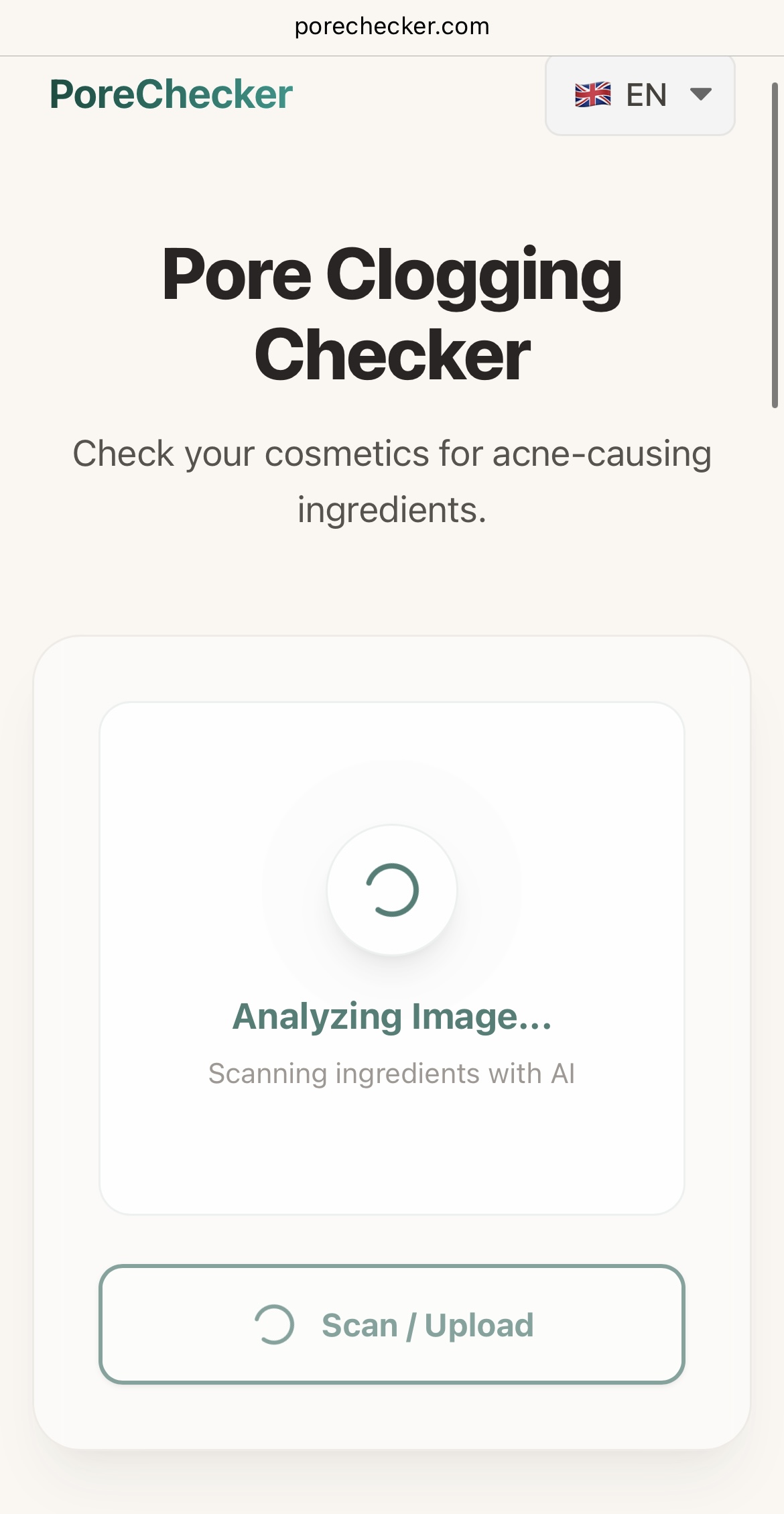
Step 2: Instant AI Ingredient Analysis
Our advanced AI scans the image, performs OCR (Optical Character Recognition), and matches every ingredient against our curated database of comedogenic substances.
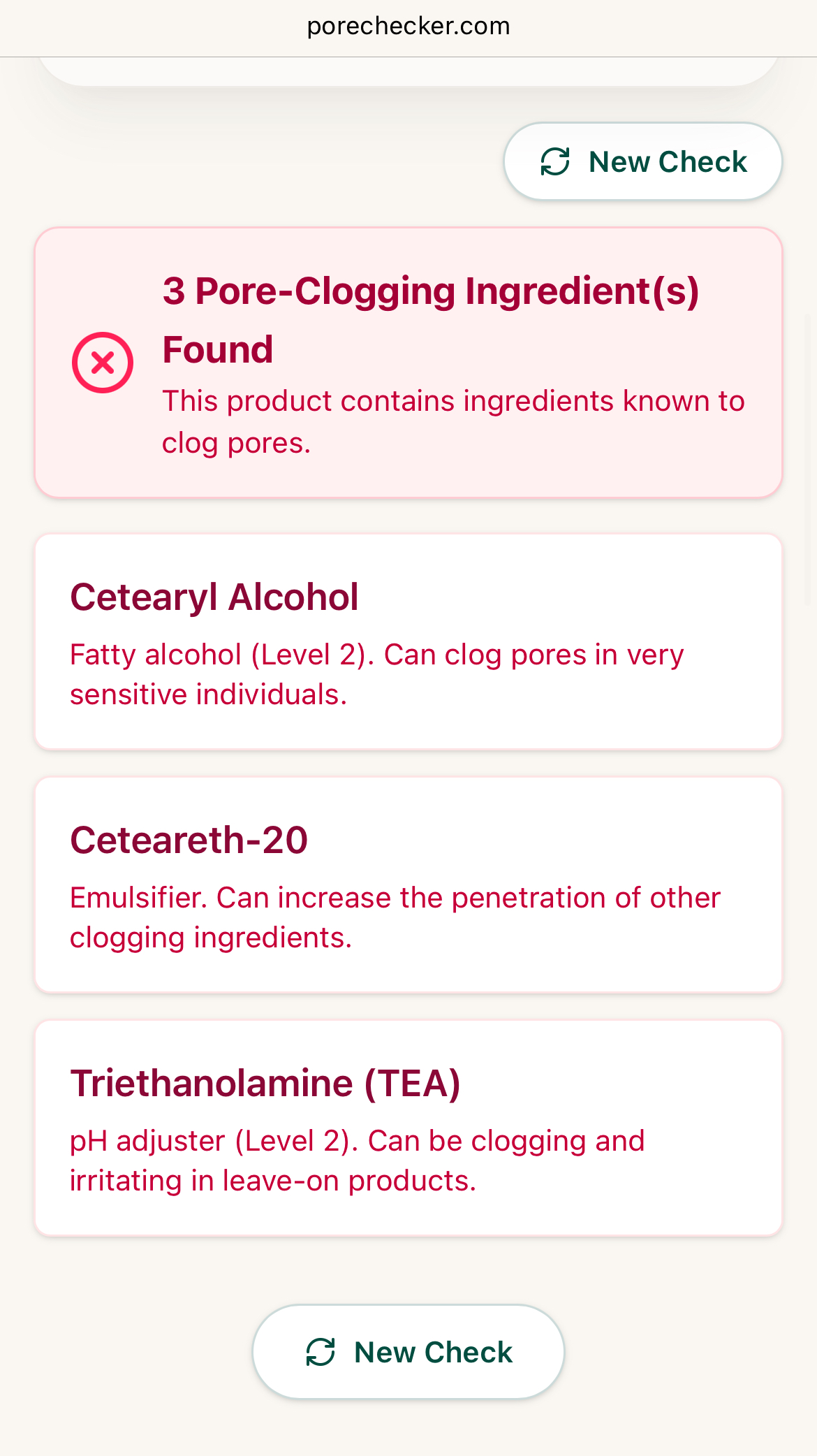
Step 3: Clear Results for Clearer Skin
You get an immediate breakdown. If any red-flag ingredients are found, we highlight them and explain why they might be problematic for your pores.
Does this product fit my skin's needs?
Check Your Products Now