Is Truth Serum Real? Separating Clinical Efficacy From Marketing Myth
You’ve heard of truth serums, but are they real for skincare? We analyze the science behind these potent treatments and skin health.
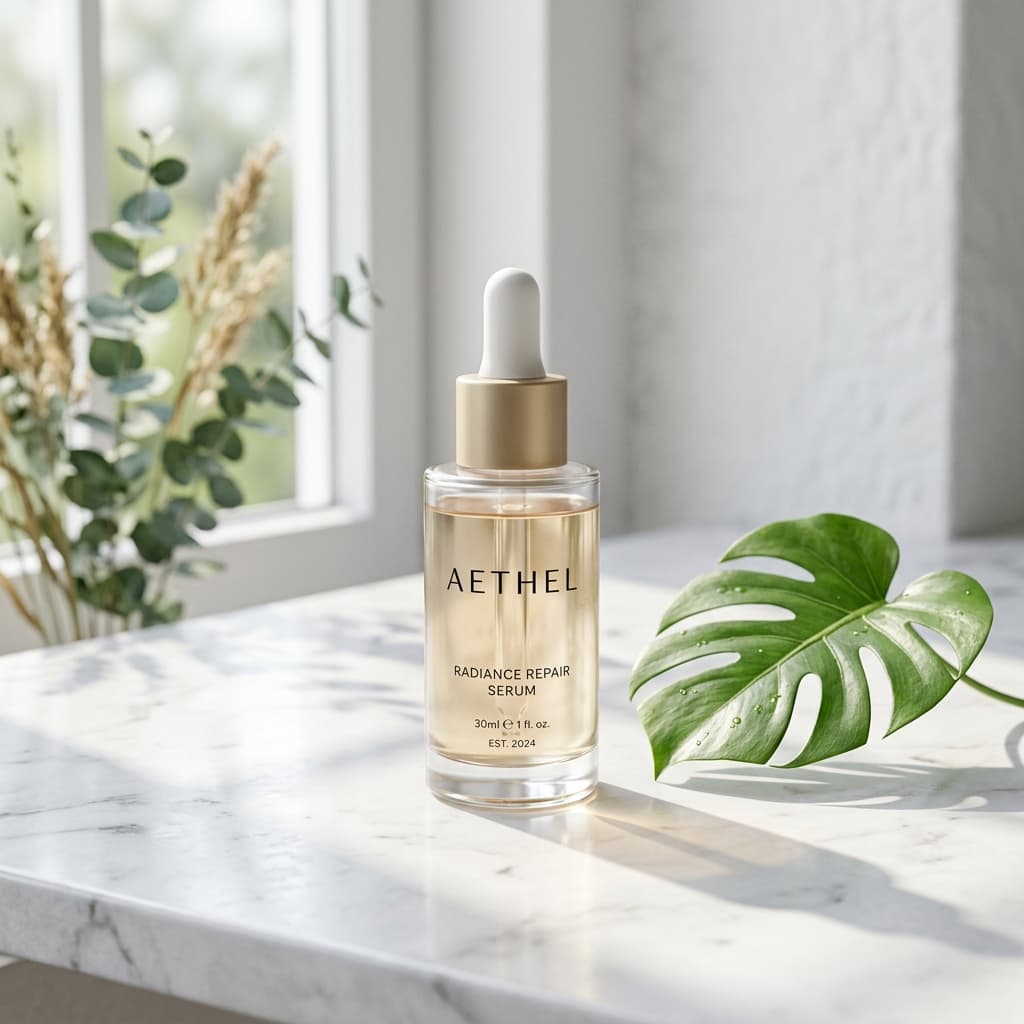
The beauty industry often borrows terminology from pop culture and chemistry to create intrigue, leaving many consumers wondering where the science ends and the marketing begins. When we hear the term "truth serum," it typically conjures images of honesty and revelation. In the skincare world, this phrase is often slapped onto high-potency Vitamin C formulas or transformative brightening treatments, promising to unveil your skin's "true," most radiant state.
As a dermatologist, my priority is helping you navigate these claims without falling for sensationalism. True skin health is rarely the result of a single "miracle" bottle. Instead, it is the product of consistent, non-comedogenic care that supports the skin barrier rather than overwhelming it with unnecessary fragrance or occlusive fillers that can lead to breakouts.
The Science Behind Radiance
When a brand markets a product as a "truth serum," they are usually referring to a concentrated delivery of antioxidants—most commonly L-ascorbic acid or stable Vitamin C derivatives. These ingredients are genuinely effective at neutralizing free radicals and inhibiting melanin production, which helps address hyperpigmentation and dullness over time. From a physiological standpoint, there is no chemical compound that forces skin to reveal an inner truth, but there is certainly chemistry that reveals a clearer, brighter complexion.
Hidden Pore-Cloggers in "Brightening" Formulas
The irony of many high-potency serums is that while they contain effective actives, they are often suspended in a base of highly comedogenic ingredients. Algae extracts, coconut-derived oils, and certain silicones can sneak into these formulas to improve texture or provide a glossy finish. For someone struggling with acne, these ingredients can create a paradox: the serum is actively working to fade dark spots while simultaneously fueling the cycle of congestion and inflammation that caused the spots in the first place.
Evaluating Efficacy Versus Marketing
Effective skincare does not need to hide behind hyperbolic branding. If a product claims to change your skin overnight, it is likely relying on temporary mechanical smoothing rather than biological change. Real results in dermatology require a patient approach using scientifically validated ingredients like retinoids, niacinamide, and chemical exfoliants that have been thoroughly tested for safety and non-comedogenic status.
Don't Let Your Products Ruin Your Progress
It is easy to get distracted by the romanticized promises of products labeled as transformative serums, but the most important "truth" is found in the ingredient list. Even a product designed to brighten your skin can inadvertently trigger a flare-up if it contains hidden pore-cloggers that aggravate your unique biology. Before you add a new treatment to your routine, it is essential to look past the marketing claims and scrutinize the actual components of the formula. Ensuring every product you apply is optimized for your skin type is the only way to ensure your efforts result in lasting clarity rather than unexpected congestion.
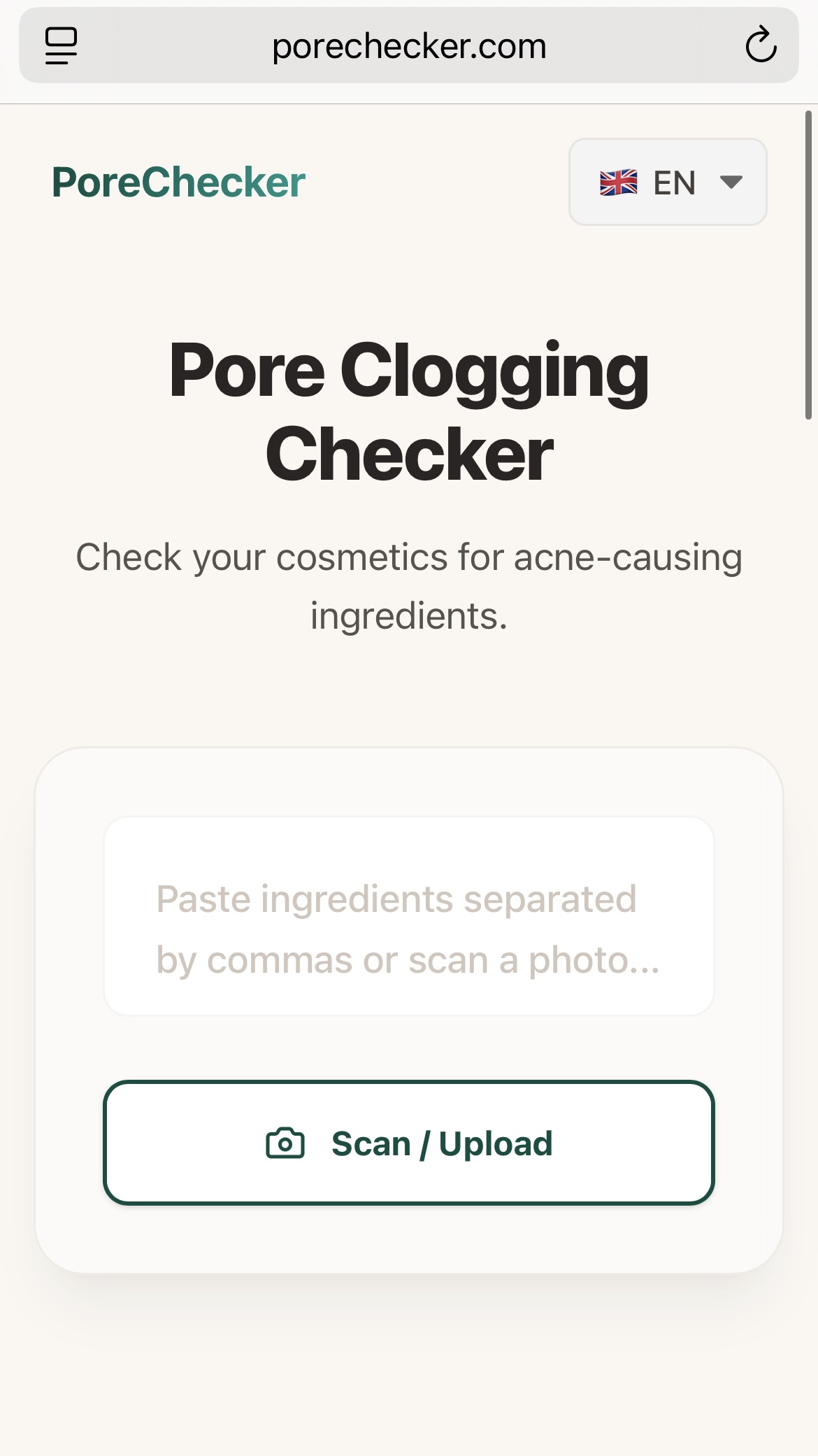
Step 1: Upload Your Product Image
Simply snap a photo of the ingredient list on the back of any bottle, jar, or box. No typing required.
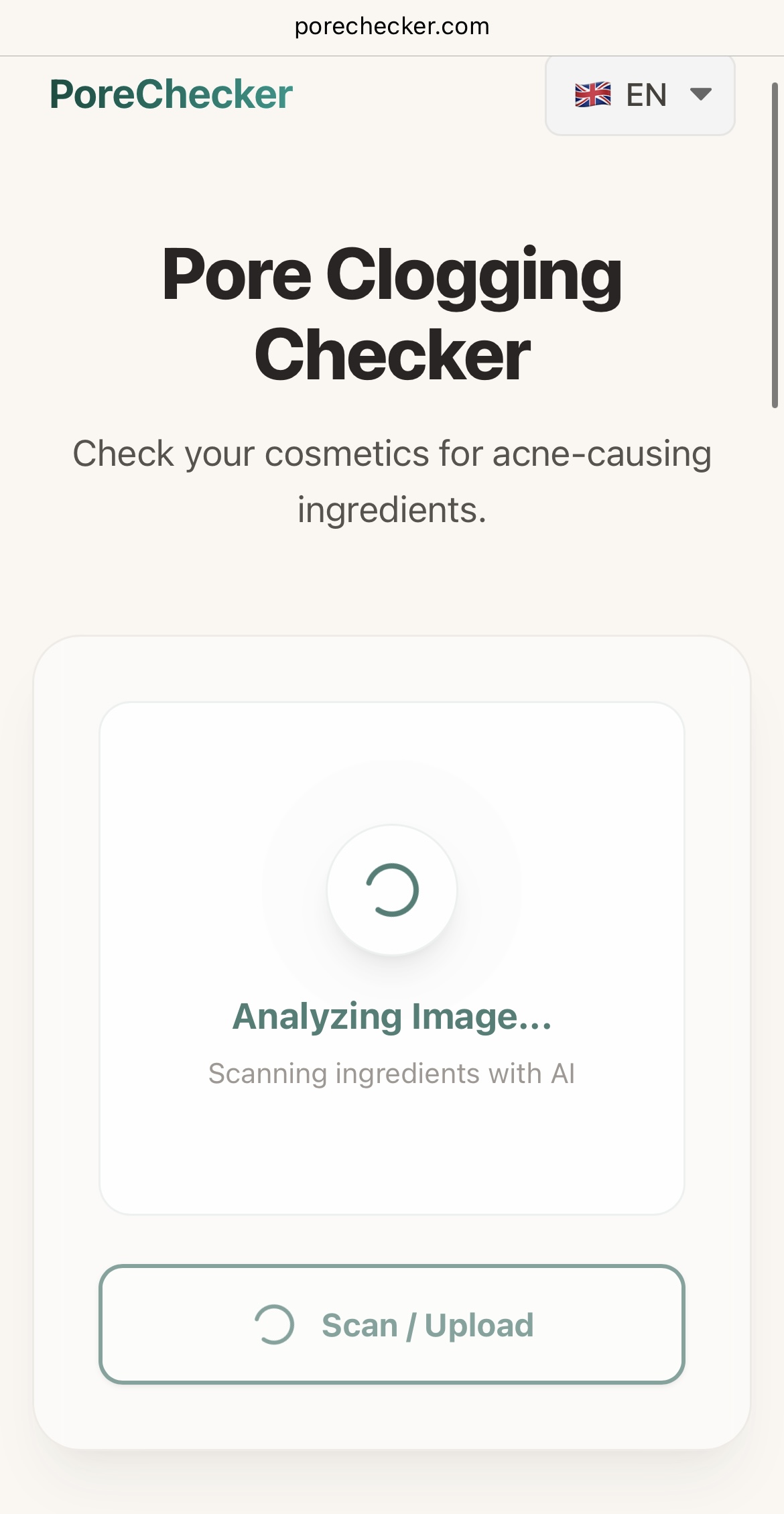
Step 2: Instant AI Ingredient Analysis
Our advanced AI scans the image, performs OCR (Optical Character Recognition), and matches every ingredient against our curated database of comedogenic substances.
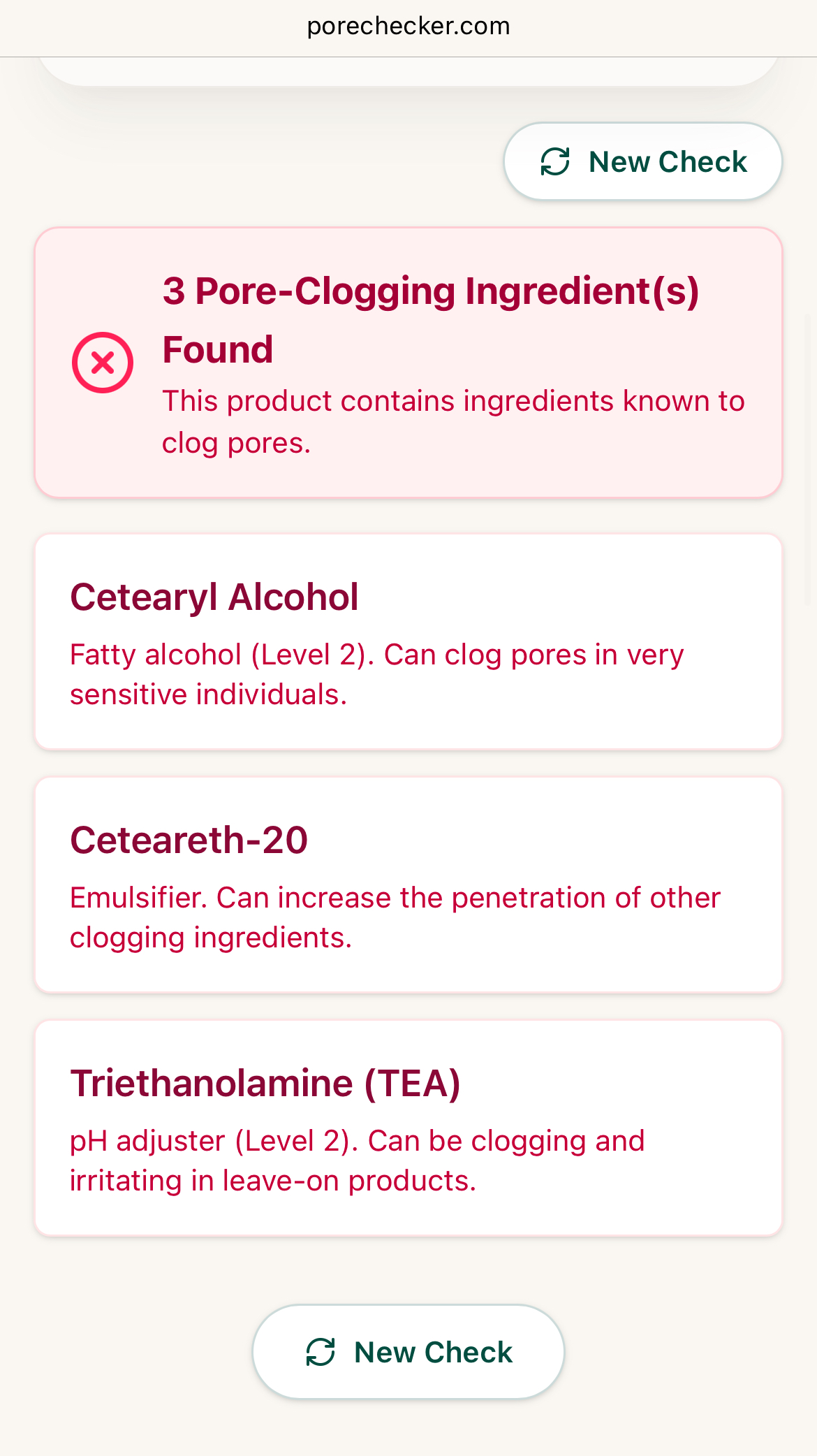
Step 3: Clear Results for Clearer Skin
You get an immediate breakdown. If any red-flag ingredients are found, we highlight them and explain why they might be problematic for your pores.
Does this product fit my skin's needs?
Check Your Products Now