Is Witch Hazel Good for Acne? Separating Fact from Fiction
It’s a staple in many bathrooms, but is witch hazel good for acne or is it doing more harm than good? We explore the science behind this botanical toner.
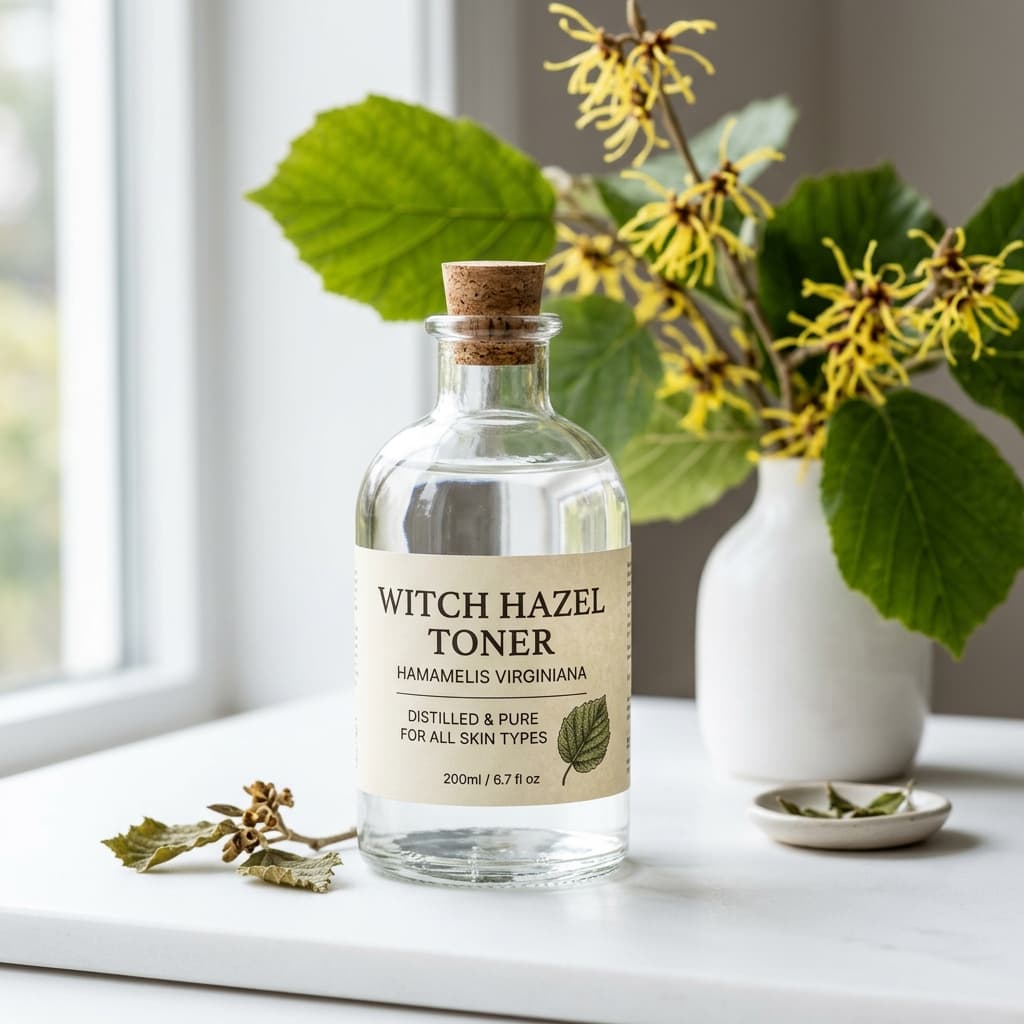
Witch hazel is one of those old-school remedies that has survived for generations. Derived from the bark and leaves of the Hamamelis virginiana shrub, it's known for its powerful astringent properties. But as our understanding of the skin barrier evolves, the question remains: "is witch hazel good for acne?" While it can offer some immediate benefits for oily skin, its long-term impact is a subject of much debate among dermatologists. Understanding both the benefits and the risks is key to deciding if it has a place in your routine.
The Benefits: Why People Love It
Witch hazel is rich in tannins—natural compounds that have an astringent effect. This means it can:
- Reduce Excess Oil: It helps remove surface sebum, giving the skin a temporary matte appearance.
- Soothe Inflammation: It has mild anti-inflammatory properties that can help calm the redness of a fresh breakout.
- Tighten Pores: By constricting the skin tissue, it can make pores look temporarily smaller (though it won't change their biological size).
The Catch: Potential for Irritation
The main problem with many commercial witch hazel products is how they are processed. Most are distilled using **denatured alcohol**, which is extremely drying and can damage your skin's protective barrier. Furthermore, while tannins are great in small doses, overusing them can lead to sensitized, reactive skin. If your skin barrier is compromised, it actually becomes *easier* for acne-causing bacteria to take hold.
How to Use It Safely
If you want to try witch hazel, follow these safety rules:
- Go Alcohol-Free: Always look for "alcohol-free witch hazel" to avoid the damaging effects of ethanol.
- Don't Overdo It: Use it once a day or even every other day. It is not a replacement for a proper treatment or moisturizer.
- Listen to Your Skin: If you notice increased redness, stinging, or peeling, stop using it immediately. Your skin is telling you the astringent effect is too strong.
Summary
So, is witch hazel good for acne? It can be a helpful tool for those with very oily skin when used in an alcohol-free formulation. However, it is not a "cure" for acne and should be used with caution to protect your skin barrier. For most people, a gentle BHA or Niacinamide serum will provide similar benefits with much less risk of irritation.
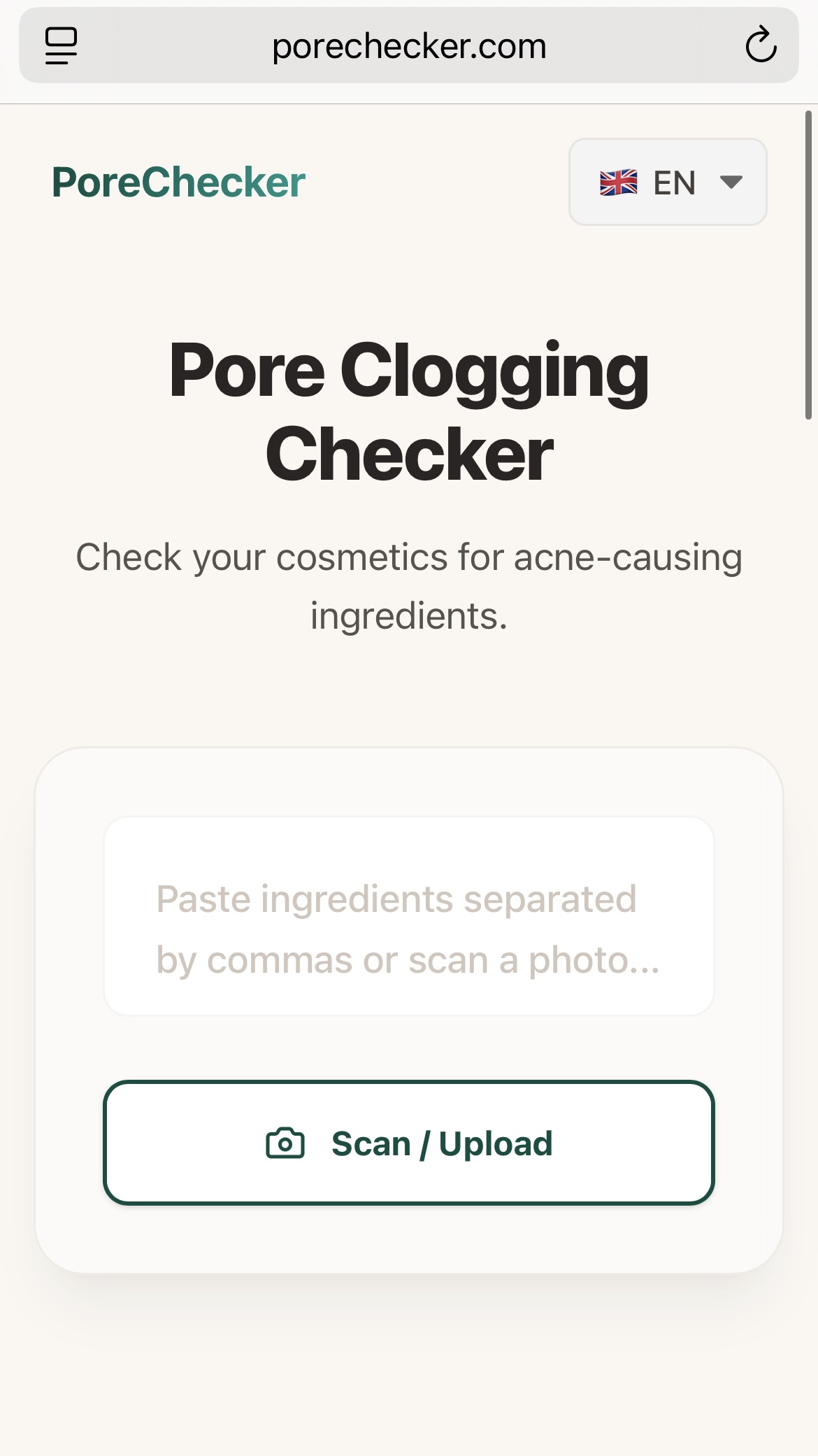
Step 1: Upload Your Product Image
Simply snap a photo of the ingredient list on the back of any bottle, jar, or box. No typing required.
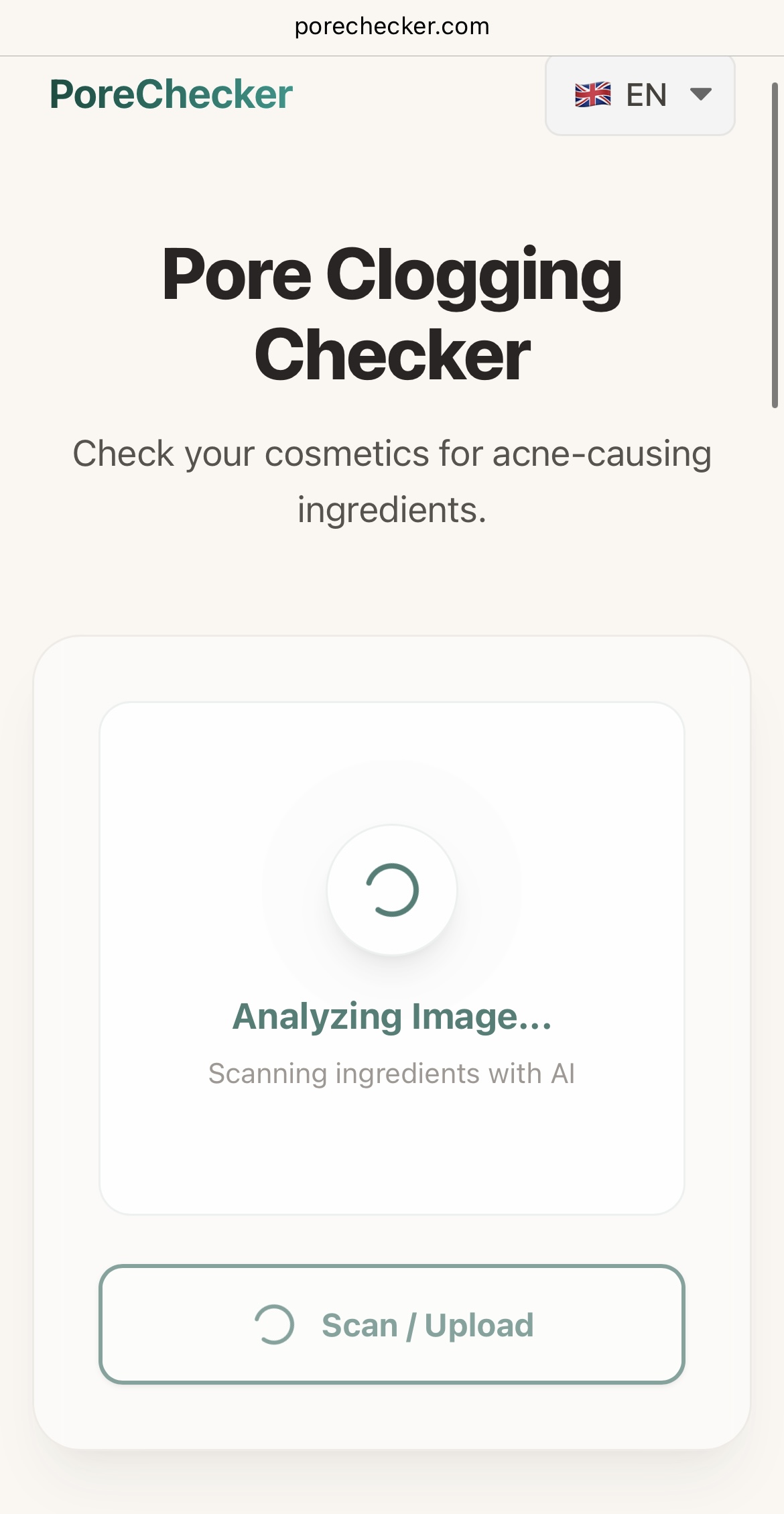
Step 2: Instant AI Ingredient Analysis
Our advanced AI scans the image, performs OCR (Optical Character Recognition), and matches every ingredient against our curated database of comedogenic substances.
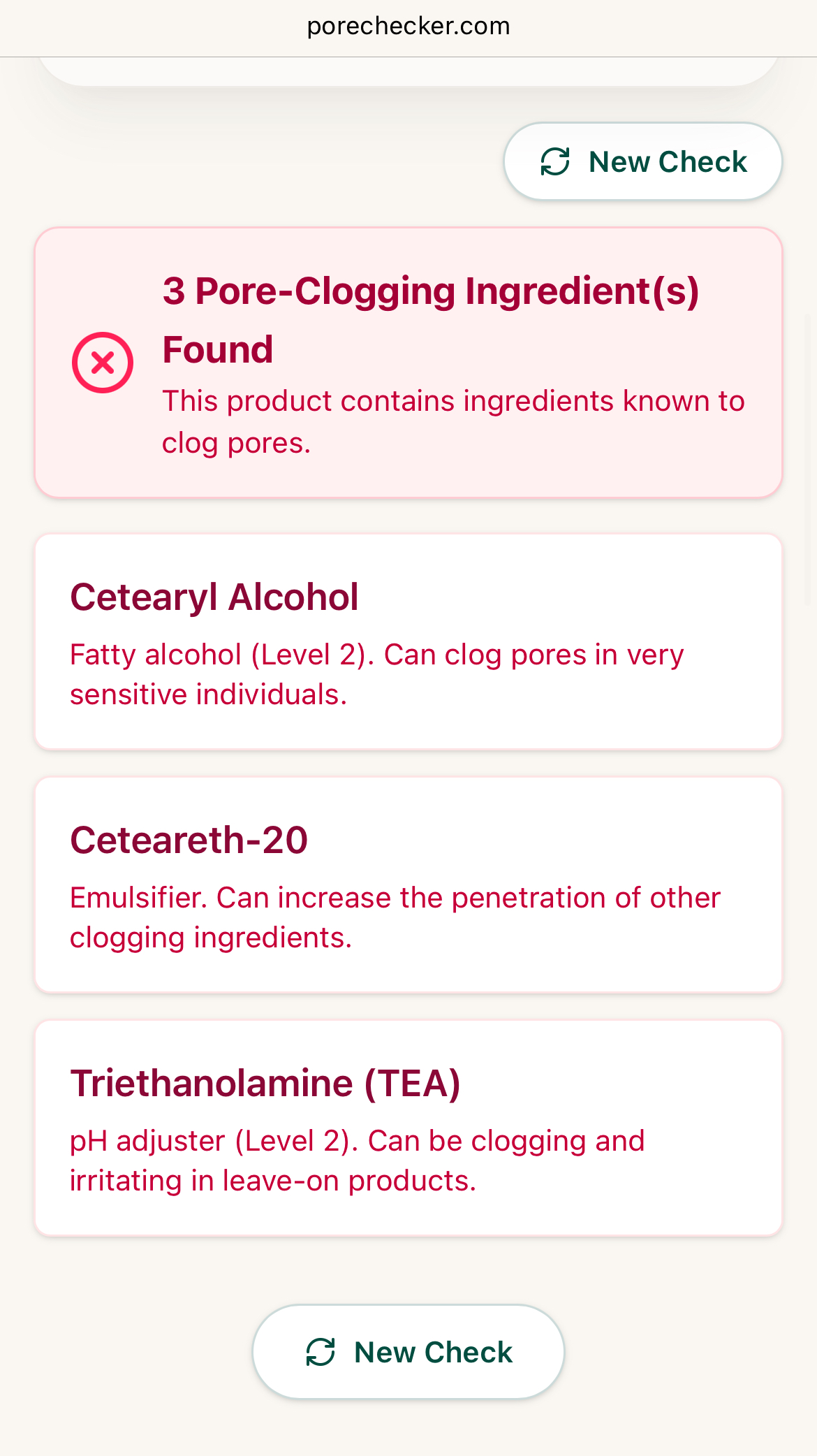
Step 3: Clear Results for Clearer Skin
You get an immediate breakdown. If any red-flag ingredients are found, we highlight them and explain why they might be problematic for your pores.
Does this product fit my skin's needs?
Check Your Products Now