Mastering the Art: How to Apply Moisturizer for Radiant Skin
Learn the secrets of how to apply moisturizer correctly! Expert tips for all skin types, focusing on application techniques and avoiding common mistakes.
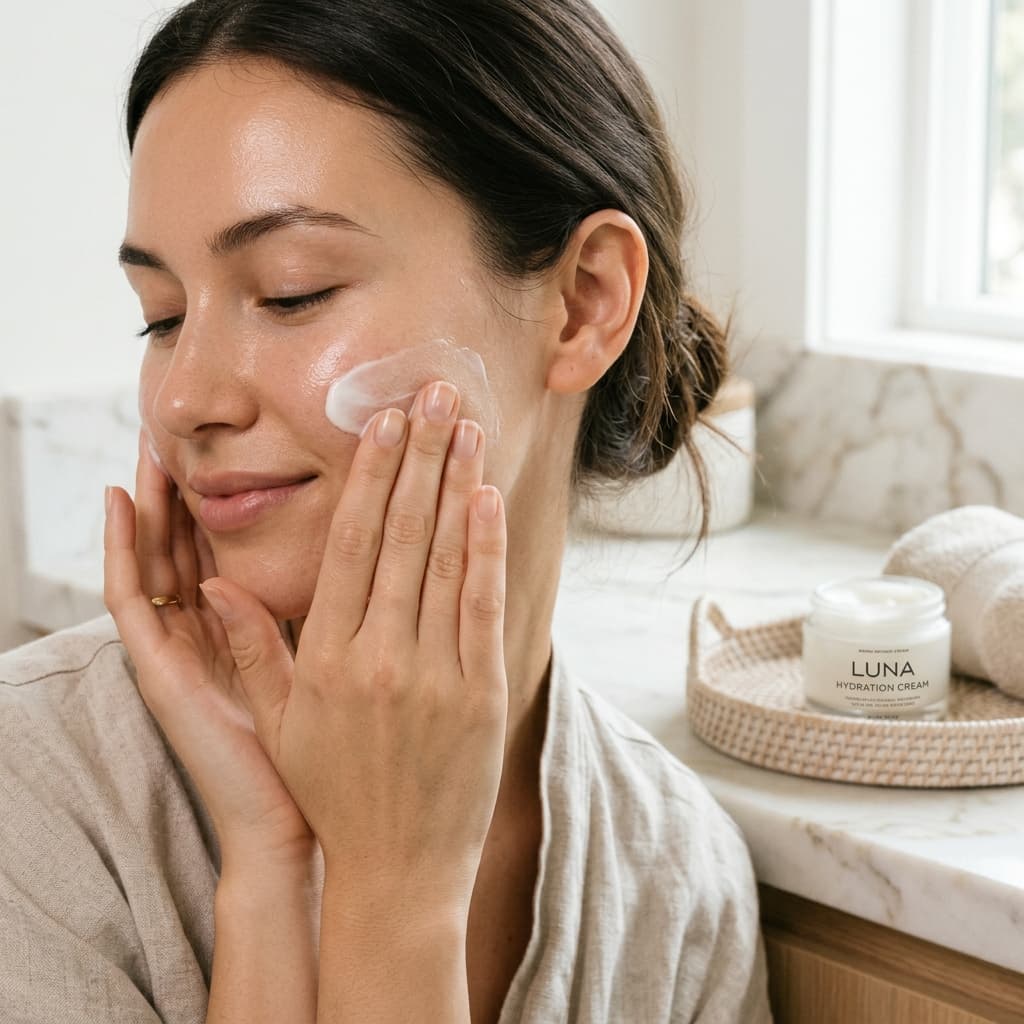
Achieving healthy, glowing skin often hinges on a simple, yet crucial step: proper moisturization. While the concept may seem straightforward, the technique used when you apply moisturizer can significantly impact its effectiveness. This article delves into the nuances of how to apply moisturizer, ensuring you get the most out of your skincare routine, with an emphasis on choosing and using non-comedogenic products to prevent breakouts.
Understanding your skin type and its specific needs is paramount. Whether you have dry, oily, combination, or sensitive skin, the right moisturizer, applied correctly, can be a game-changer. This guide offers expert advice, tailored to different needs, along with actionable steps to elevate your skincare regimen and achieve the radiant, healthy complexion you deserve.
The Foundation: Prepping Your Skin
Before reaching for your moisturizer, preparation is key. Cleansing your skin removes impurities, makeup, and excess oil that can block the penetration of your moisturizer. Choose a gentle, pH-balanced cleanser that suits your skin type. Avoid harsh scrubs that can strip away your natural oils and disrupt your skin barrier. After cleansing, gently pat your skin dry with a soft towel, leaving it slightly damp.
The Damp Skin Advantage
Applying moisturizer to slightly damp skin is one of the most effective techniques to enhance hydration. This helps to trap moisture in your skin, boosting the moisturizing effect. Think of your skin as a sponge; it absorbs water more efficiently when it's already a bit wet. This practice also helps in better absorption of the ingredients present in your moisturizer.
Application Techniques: Mastering the Method
The way you apply moisturizer is as important as the product itself. Start with a pea-sized amount (or more, depending on your needs and the moisturizer's consistency). Gently dot the moisturizer across your face – on your forehead, cheeks, chin, and nose. Then, using gentle upward and outward circular motions, massage the product into your skin. Avoid pulling or tugging, especially around the delicate eye area.
Targeting Specific Areas
Pay special attention to areas that tend to be drier, such as the cheeks and around the eyes. If you use a heavier moisturizer for these areas, apply a slightly thicker layer. Remember to extend your application to your neck and décolletage, as these areas also benefit from moisturization and are often overlooked.
The Gentle Touch: Avoiding Harshness
Be mindful of the pressure you apply. Avoid aggressive rubbing, which can irritate your skin, cause redness, and even accelerate the aging process. Instead, use a light touch and allow the moisturizer to absorb naturally. This gentle approach is especially critical if you have sensitive or acne-prone skin.
Daytime vs. Nighttime: Tailoring Your Approach
Your moisturizing routine should adapt to the time of day. In the morning, opt for a lighter, oil-free moisturizer, particularly if you have oily or combination skin. Look for products containing SPF to protect your skin from sun damage. At night, you can use a richer moisturizer to provide intensive hydration while you sleep.
Layering Your Products
If you use serums or other treatments, apply them before your moisturizer. Serums are often lightweight and designed to penetrate the skin quickly. Allow them to absorb before applying your moisturizer to seal in the active ingredients. Always apply your products from thinnest to thickest consistency.
Don't Let Your Products Ruin Your Progress
The journey to healthy skin extends beyond just knowing how to apply moisturizer; it's also about what you're applying. Even with the perfect technique, the wrong ingredients can undo all your efforts. Many moisturizers, unfortunately, contain pore-clogging ingredients that can lead to breakouts and irritation. Ingredients like certain oils, waxes, and silicones are common culprits. Therefore, understanding your skin and the potential impact of different ingredients is vital. Using a reliable ingredient checker can help you identify and avoid pore-clogging components, ensuring your efforts to moisturize result in a clear, healthy complexion.
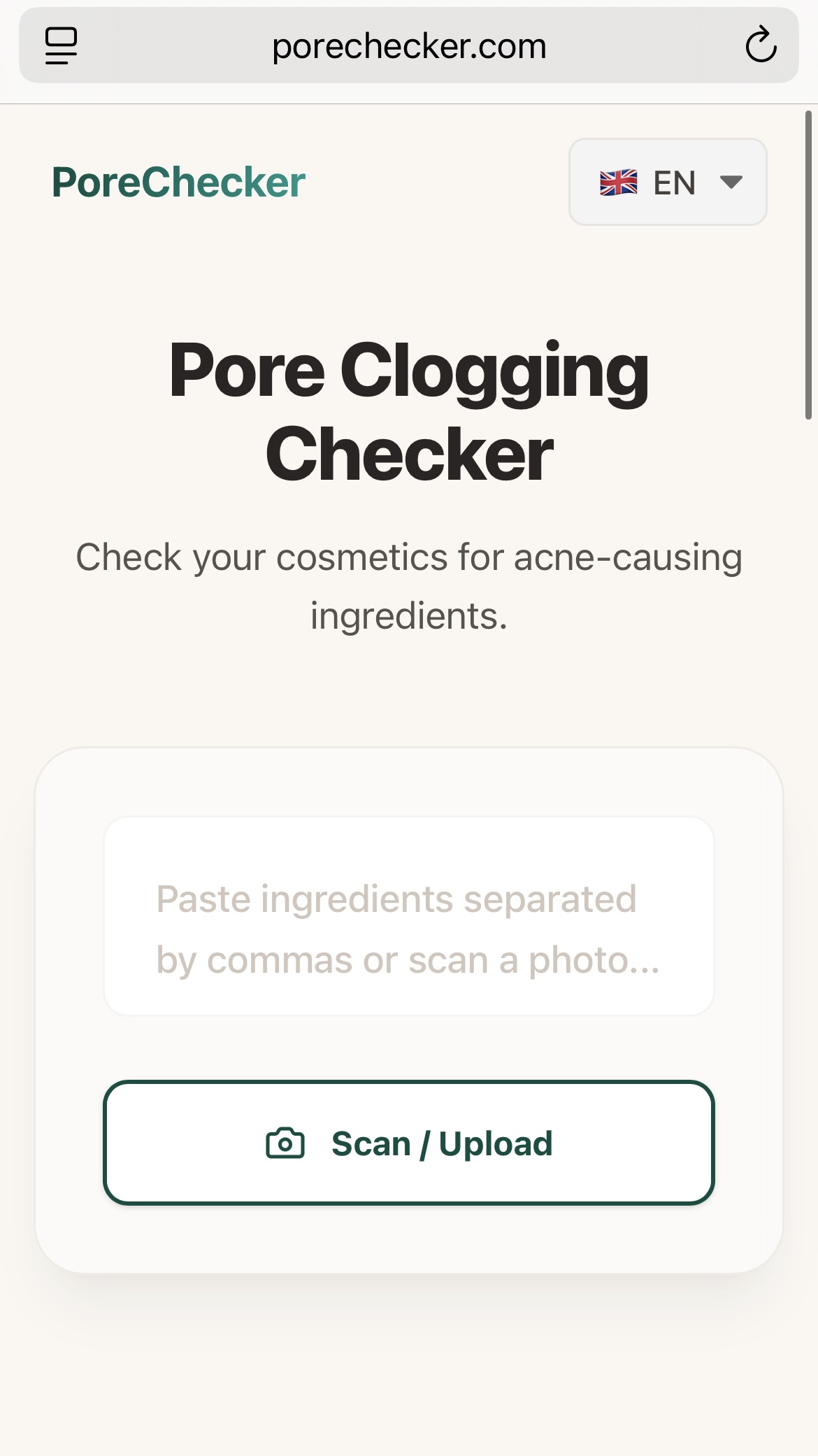
Step 1: Upload Your Product Image
Simply snap a photo of the ingredient list on the back of any bottle, jar, or box. No typing required.
Step 2: Instant AI Ingredient Analysis
Our advanced AI scans the image, performs OCR (Optical Character Recognition), and matches every ingredient against our curated database of comedogenic substances.

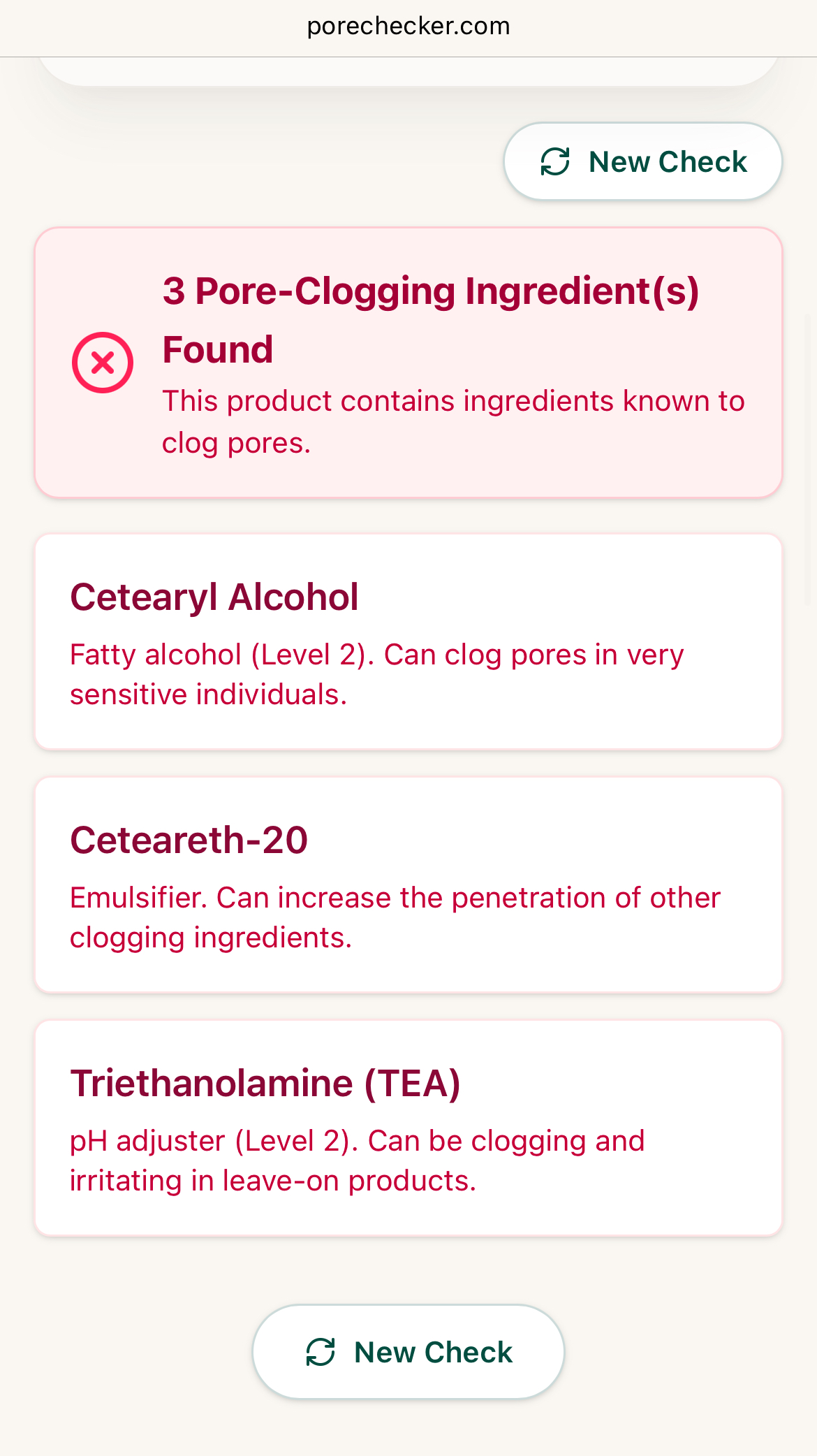
Step 3: Clear Results for Clearer Skin
You get an immediate breakdown. If any red-flag ingredients are found, we highlight them and explain why they might be problematic for your pores.
Does this product fit my skin's needs?
Check Your Products Now