Mastering the Art: How to Use Serum on Face for Radiant Skin
Learn how to use serum on face like a pro! Expert tips & tricks from a dermatologist for radiant, healthy skin. Minimize breakouts & maximize results.
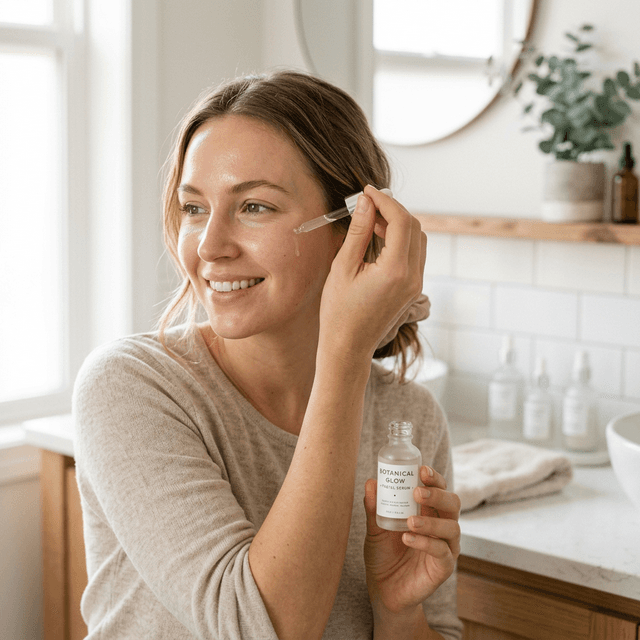
Serums have become a cornerstone of modern skincare, celebrated for their potent formulations and ability to target specific concerns. But knowing how to use serum on face correctly is crucial to unlock their full potential and avoid disappointing results. This guide, written from a dermatologist's perspective, provides a deep dive into the proper application techniques, ingredient considerations, and overall strategies to integrate serums seamlessly into your routine.
One of the most important considerations when using any skincare product is its potential to cause breakouts. Non-comedogenic products are those formulated to be free of ingredients that are likely to clog pores. Always look for this label, especially if you have acne-prone or oily skin. Furthermore, understanding your skin type and its specific needs is paramount; not all serums are created equal, and selecting the right one is half the battle.
This guide focuses on the "how" and "why" of effective serum application. We'll explore the best practices to help you harness the power of these concentrated elixirs. Following the simple steps here will help you enhance your skin's health and appearance.
Preparation: The Foundation for Serum Success
Before applying any serum, proper preparation of the skin is essential. This crucial first step helps ensure optimal absorption and enhances the efficacy of your serum. It also sets the stage for other products you might use.
Cleansing: Your Clean Canvas
Start with a gentle cleanser suitable for your skin type. This removes impurities, makeup, and excess oil that can act as a barrier to serum absorption. Use lukewarm water and avoid harsh scrubbing. Pat your skin dry with a soft towel.
Exfoliation (Optional): Unveiling Fresh Skin
If your skin tolerates it, exfoliating once or twice a week can help remove dead skin cells and promote cell turnover, allowing the serum to penetrate more effectively. Be cautious not to over-exfoliate, as this can lead to irritation and compromise your skin barrier. Introduce exfoliating steps gradually.
Toning (Optional): Balancing Your Skin
A toner can help balance the skin's pH after cleansing. This can further enhance serum absorption, particularly if your toner contains hydrating or soothing ingredients. However, it's not a mandatory step, and you can skip it if your skin is sensitive or doesn't benefit from it.
The Application Process: Step-by-Step Guide
Knowing how to use serum on face involves more than just slathering it on. Proper technique maximizes absorption and minimizes waste. Here's a step-by-step guide to help you apply your serum effectively.
Dispensing the Serum: Less is More
Most serums are highly concentrated, so a little goes a long way. Typically, 2-3 drops (for the entire face and neck) are sufficient. Avoid over-application, as this can lead to product wastage and potentially cause irritation.
Application Technique: The Gentle Touch
Gently pat or press the serum onto your face and neck. Avoid rubbing, as this can irritate the skin and reduce absorption. Use your fingertips to distribute the serum evenly. Start in the center of your face and move outwards.
Absorption Time: Patience is Key
Allow the serum a few minutes to fully absorb into your skin before proceeding to the next step in your routine. This will ensure that the ingredients are absorbed effectively. Waiting about 3-5 minutes is usually sufficient.
Layering Products: Strategic Sequencing
Layering your skincare products correctly is essential. Apply serums *before* moisturizers and sunscreens. This allows the serum to penetrate the skin and deliver its active ingredients effectively. Thicker products, like moisturizers, can then act as a barrier to lock in the serum's benefits.
Serum Types and Considerations
The world of serums is diverse, with formulations designed to address a wide range of skin concerns. Understanding the different types and their specific benefits is crucial for choosing the right serum for your needs.
Antioxidant Serums: Protection from Environmental Damage
Serums containing antioxidants, such as Vitamin C, help protect the skin from free radicals caused by environmental stressors like pollution and UV radiation. They also brighten the skin and promote collagen production. Apply these in the morning for best results.
Hydrating Serums: Replenishing Moisture
Hydrating serums, often containing hyaluronic acid, help to attract and retain moisture in the skin, keeping it plump and supple. These are suitable for all skin types, especially dry or dehydrated skin. Apply these morning and night.
Anti-Aging Serums: Fighting the Signs of Aging
Serums with ingredients like retinol help to reduce the appearance of fine lines, wrinkles, and uneven skin tone. These serums can increase cell turnover, but be aware of the potential for initial irritation. Start with a low concentration and gradually increase as tolerated.
Acne-Fighting Serums: Clearing Breakouts
Serums with ingredients like salicylic acid or niacinamide can help unclog pores, reduce inflammation, and control oil production. These are helpful for acne-prone skin. Always introduce these actives slowly to avoid irritation.
Hidden Pore-Cloggers: Ingredients to Watch Out For
Even if you follow all the steps on how to use serum on face, certain ingredients in your products can work against you. It's important to be aware of ingredients that can potentially clog pores and contribute to breakouts. This is especially important for those with acne-prone or oily skin.
Common Comedogenic Ingredients
Some ingredients are known to be more likely to clog pores than others. These include certain oils (like coconut oil and cocoa butter), silicones (like dimethicone), and some fatty acids. Be mindful of these ingredients, especially in serums marketed for dry skin, as they may lead to congestion.
Importance of Ingredient Lists
Always read the ingredient list carefully before purchasing a serum. Look for products labeled as "non-comedogenic" or "oil-free," but also review the full list to ensure the ingredients align with your skin's needs. If you're prone to breakouts, consider a serum with non-comedogenic oils like grapeseed or rosehip oil.
Don't Let Your Products Ruin Your Progress
You've mastered how to use serum on face, and you're diligently following your skincare routine. But the journey to healthy, radiant skin doesn't end with application techniques. Hidden ingredients in your favorite products can undermine all your efforts, leading to breakouts, irritation, and overall frustration. It’s essential to consider the ingredients themselves. Fortunately, several tools are available to help you identify potential pore-cloggers and other problematic components.
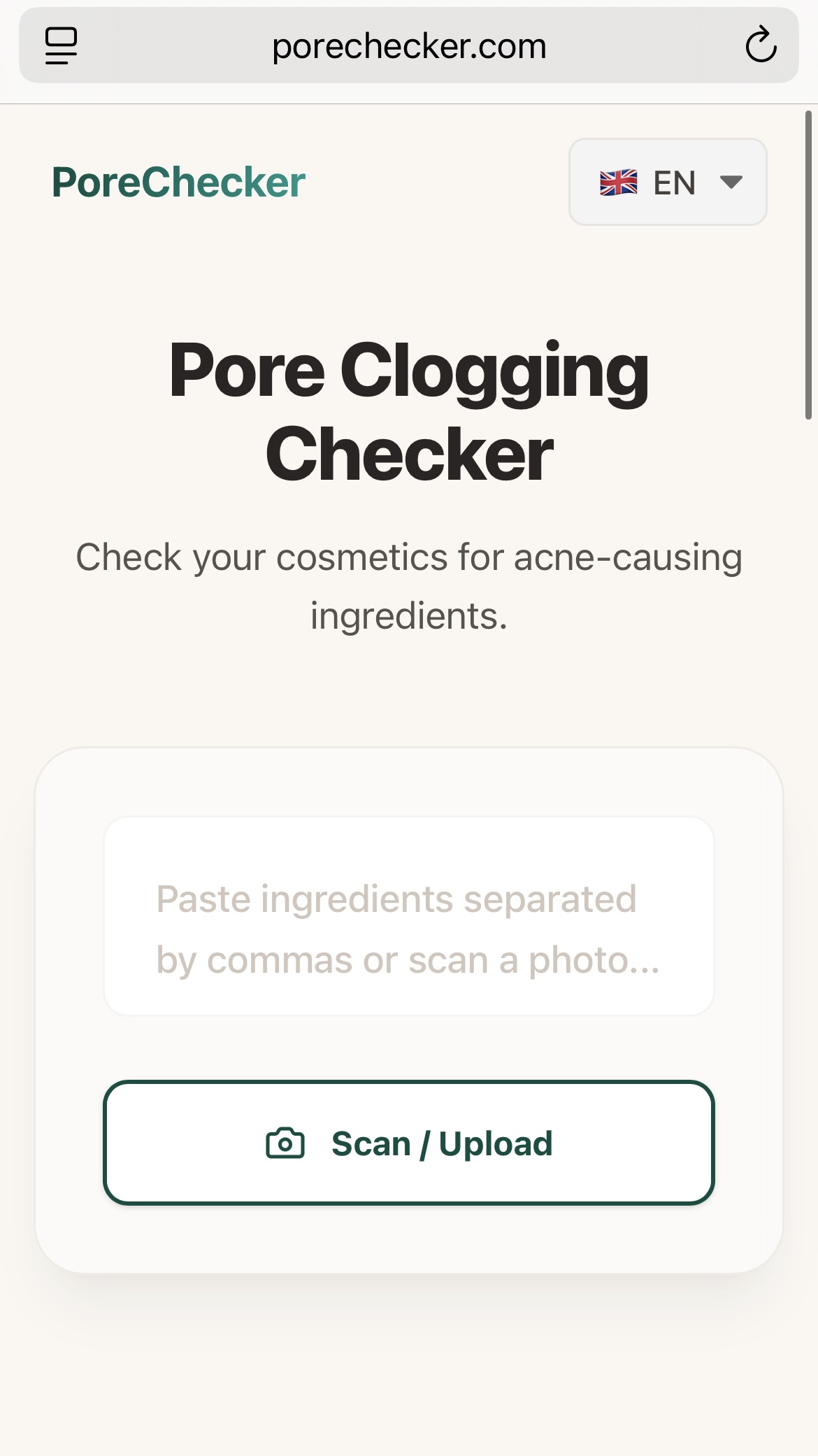
Step 1: Upload Your Product Image
Simply snap a photo of the ingredient list on the back of any bottle, jar, or box. No typing required.
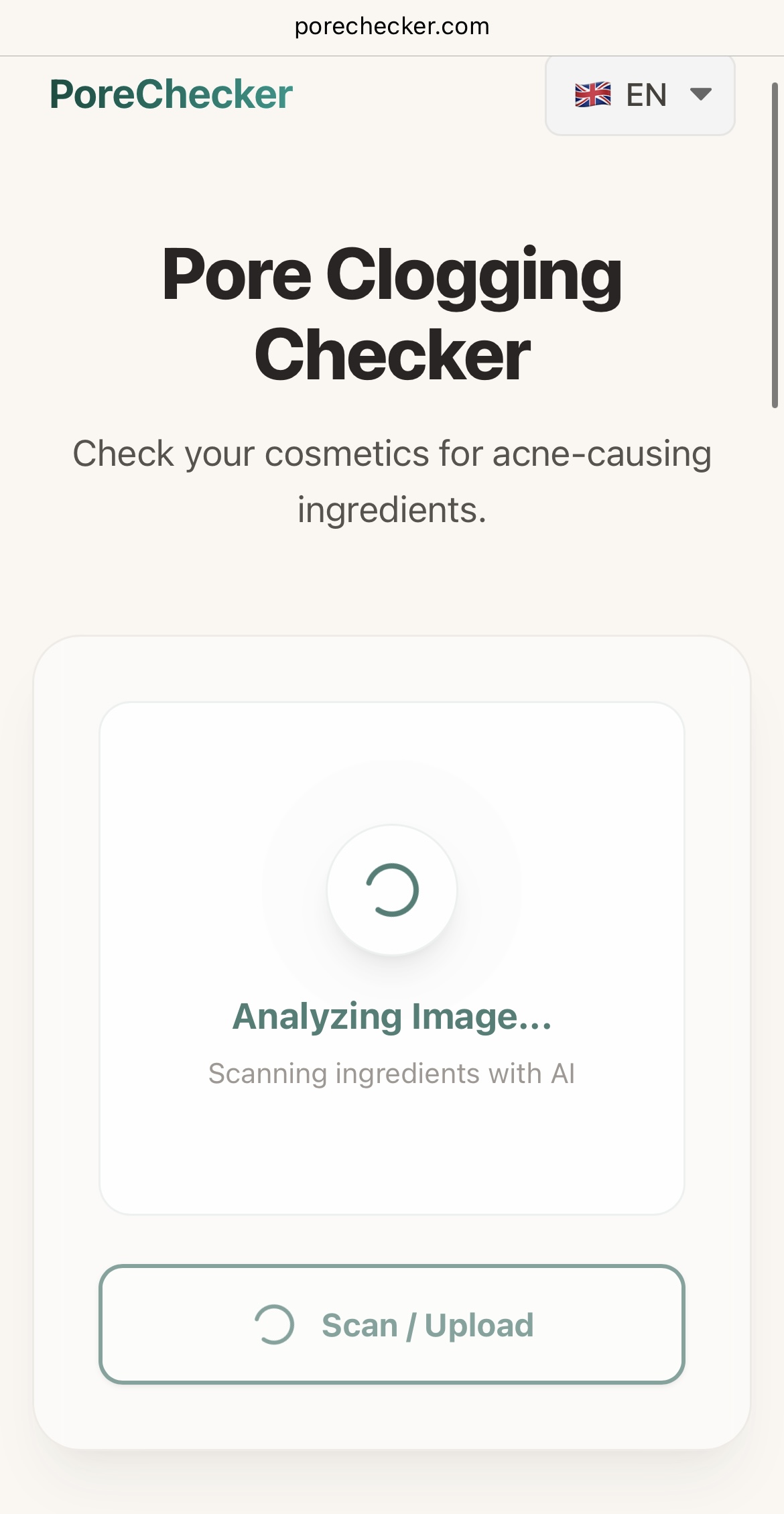
Step 2: Instant AI Ingredient Analysis
Our advanced AI scans the image, performs OCR (Optical Character Recognition), and matches every ingredient against our curated database of comedogenic substances.
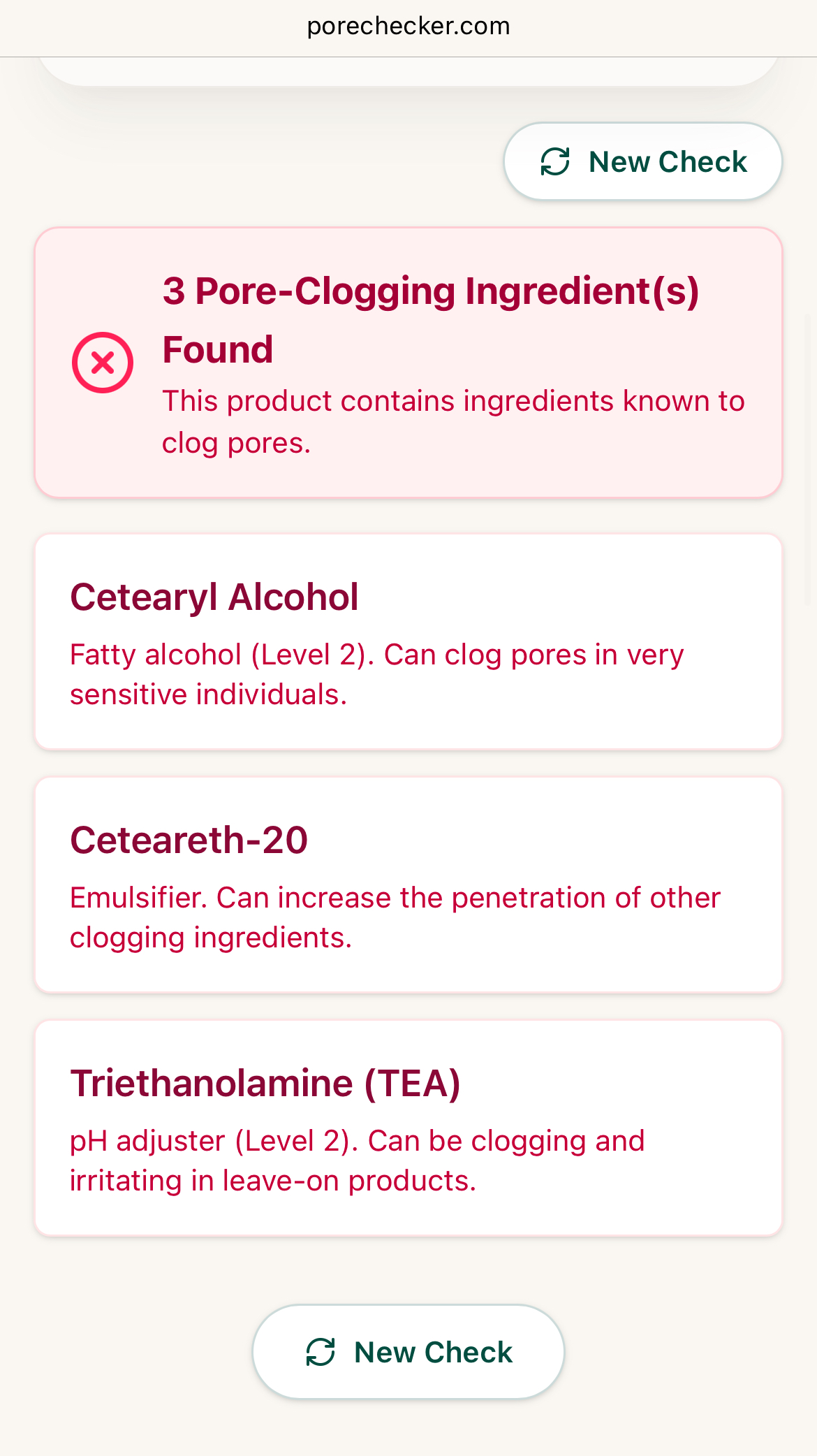
Step 3: Clear Results for Clearer Skin
You get an immediate breakdown. If any red-flag ingredients are found, we highlight them and explain why they might be problematic for your pores.
Does this product fit my skin's needs?
Check Your Products Now