The Healing Timeline: How Long Does It Take for Acne Scars to Fade?
Frustrated with acne scars? Learn the factors influencing their fade time and effective treatments. Discover how to support your skin's healing process.

Acne scars, the lingering reminders of past breakouts, are a common source of frustration. The good news is that these marks aren't always permanent. Understanding the healing process, and the factors that influence it, is the first step toward clearer skin. While patience is key, there are proven strategies and treatments to accelerate the fading of acne scars and restore your skin's natural radiance. Remember, focusing on non-comedogenic skincare products is crucial to prevent further breakouts and complications.
This article will provide you with a science-backed understanding of how long it takes for acne scars to fade, along with actionable advice you can incorporate into your skincare routine. We'll explore the different types of acne scars, their underlying causes, and the most effective treatments available. We'll also cover the crucial role of a consistent, gentle skincare regimen in promoting skin health and accelerating the healing process. We will examine the factors that make acne scarring worse.
Understanding Acne Scar Types
Not all acne scars are created equal. The type of scar you have directly impacts the healing timeline. Understanding these differences helps to set realistic expectations and informs treatment choices. Here’s a breakdown of the most common types:
Atrophic Scars
These are the most common type, resulting in a loss of tissue. They appear as indentations or depressions in the skin. Within atrophic scars, there are sub-categories:
- Boxcar scars: These are wide, U-shaped scars with sharp edges.
- Ice pick scars: These are narrow, V-shaped scars that resemble tiny puncture marks.
- Rolling scars: These create a wave-like appearance on the skin due to superficial damage.
Hypertrophic and Keloid Scars
These scars involve an overproduction of collagen, leading to raised, thickened scars. Hypertrophic scars remain within the boundaries of the original acne, while keloid scars extend beyond them.
Post-Inflammatory Hyperpigmentation (PIH)
This isn't technically a scar, but rather a discoloration that appears after acne lesions heal. It appears as flat, dark spots and is more common in individuals with darker skin tones. PIH typically fades over time, but treatments can help expedite the process.
The Healing Timeline: What to Expect
The time it takes for acne scars to fade varies significantly depending on several factors, including the type of scar, the severity of the acne, your skin type, and your chosen treatment approach. Here’s a general timeline:
Post-Inflammatory Hyperpigmentation (PIH)
This often fades within 3-12 months, though it can sometimes take longer, especially without treatment. Consistent sun protection and the use of lightening agents can significantly speed up the process.
Atrophic Scars
Improvements can be seen over several months to a year, or even longer. Many treatments are needed to improve the appearance, and they can’t always be completely erased. The timeline is highly dependent on the chosen treatments. Ice pick scars are often more stubborn.
Hypertrophic and Keloid Scars
These can take a year or more to show significant improvement. Treatments often involve professional interventions like steroid injections or surgical removal. Early intervention is crucial.
Accelerating the Healing Process
Several strategies can help to speed up the fading of acne scars and promote overall skin health. Remember, consistency and patience are vital.
Sun Protection
This is non-negotiable. Sun exposure can worsen the appearance of scars and PIH, delaying the healing process. Use a broad-spectrum SPF 30 or higher daily, and reapply frequently. Choose a sunscreen that is non-comedogenic.
Topical Treatments
Several over-the-counter and prescription treatments can help. These include:
- Retinoids: These increase cell turnover, stimulate collagen production, and can help to reduce the appearance of scars. Start with a low concentration and gradually increase as tolerated.
- Alpha Hydroxy Acids (AHAs) and Beta Hydroxy Acids (BHAs): These exfoliants can improve skin texture and reduce the appearance of PIH.
- Vitamin C serums: Vitamin C is a powerful antioxidant that can brighten the skin and promote collagen synthesis.
Professional Treatments
For more significant scarring, consider these options, but always seek the advice of a board-certified dermatologist:
- Chemical peels: These exfoliate the skin and stimulate collagen production.
- Microneedling: This procedure creates micro-injuries to stimulate collagen and elastin production.
- Laser resurfacing: Lasers can target specific scar types and promote collagen remodeling.
- Fillers: These can be used to plump up atrophic scars.
Gentle Skincare Routine
Avoid harsh cleansers, scrubs, and products that can irritate the skin and delay healing. Choose gentle, fragrance-free products. Always moisturize to maintain skin hydration.
Hidden Pore-Cloggers: The Ingredients to Avoid
Certain ingredients can worsen acne and potentially hinder the healing process. Knowing these ingredients can help you make smarter product choices. Common culprits include comedogenic oils (like coconut oil and cocoa butter), heavy waxes, and certain silicone-based ingredients. Always look for products labeled as "non-comedogenic" or "oil-free." Read the ingredient list carefully.
Don't Let Your Products Ruin Your Progress
You're now armed with a deeper understanding of how long it takes for acne scars to fade and the treatments that can help. However, all your efforts can be undermined if your skincare products are actively contributing to breakouts. Many seemingly innocuous ingredients can clog pores, leading to new acne and potentially worsening existing scars. The key is to carefully evaluate every product you use. To ensure your products are truly working for you, and not against you, consider utilizing a reliable ingredient checker tool. This can help you identify and avoid pore-clogging ingredients, keeping your skin clear and on the path to healing.
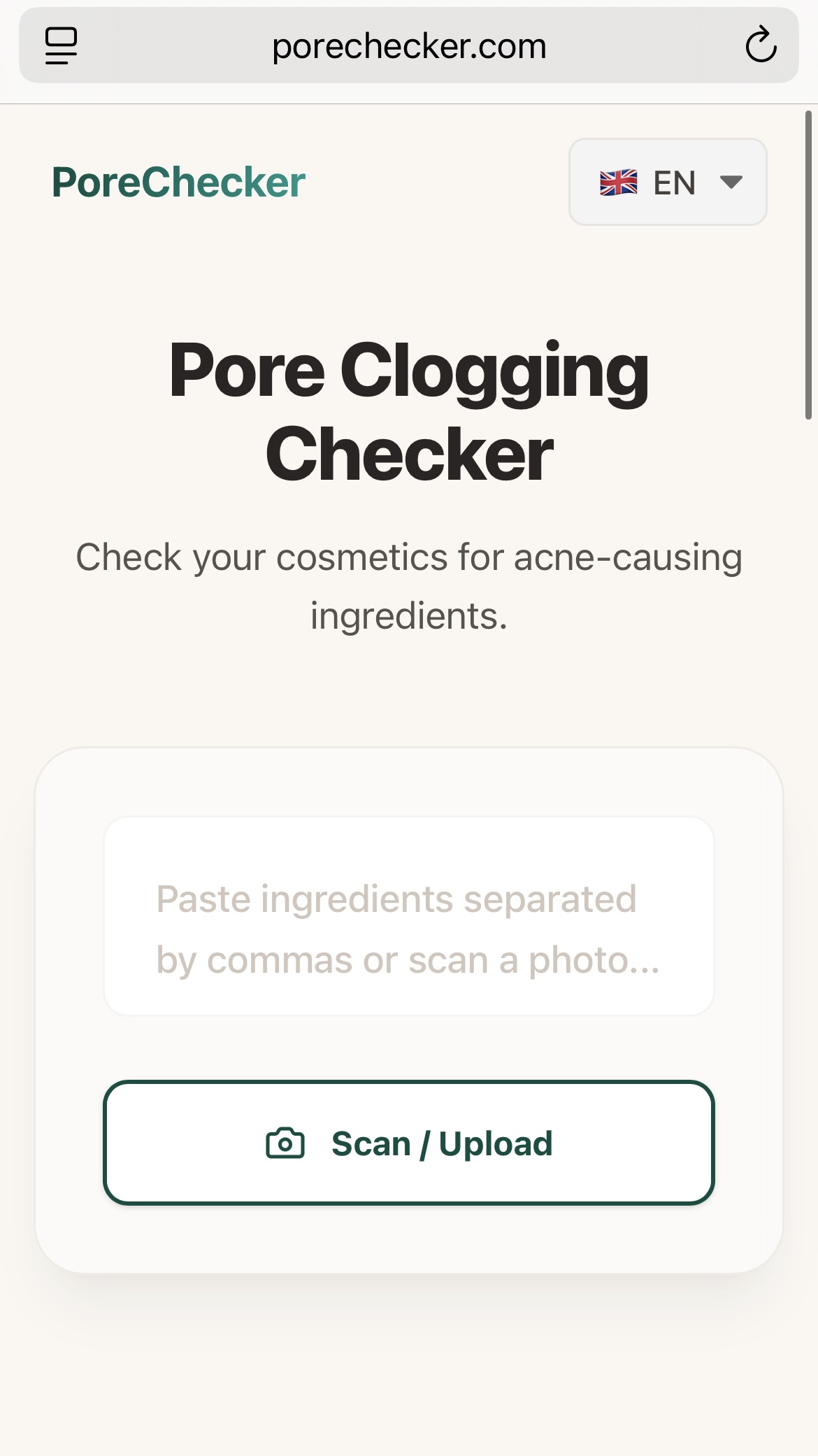
Step 1: Upload Your Product Image
Simply snap a photo of the ingredient list on the back of any bottle, jar, or box. No typing required.
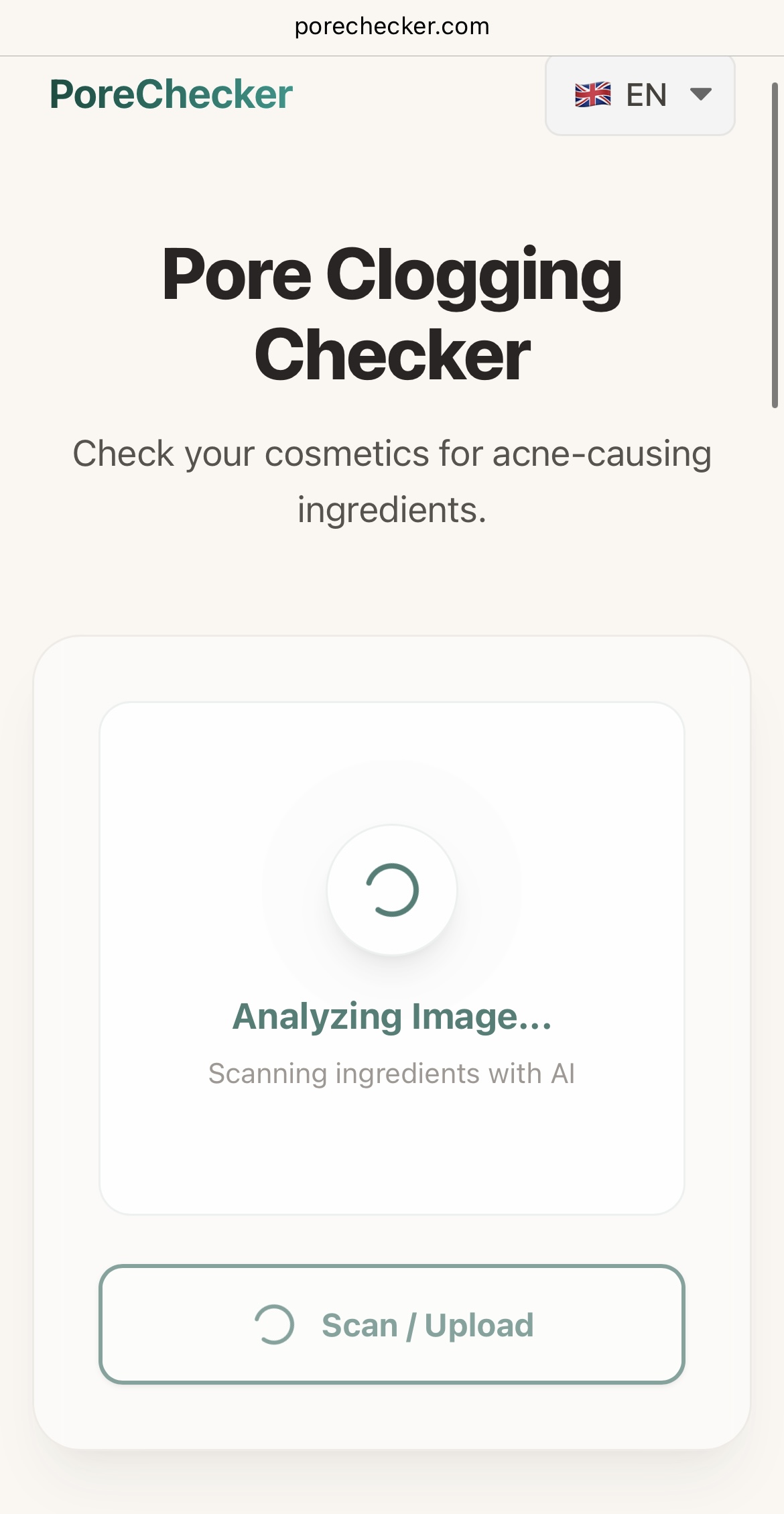
Step 2: Instant AI Ingredient Analysis
Our advanced AI scans the image, performs OCR (Optical Character Recognition), and matches every ingredient against our curated database of comedogenic substances.
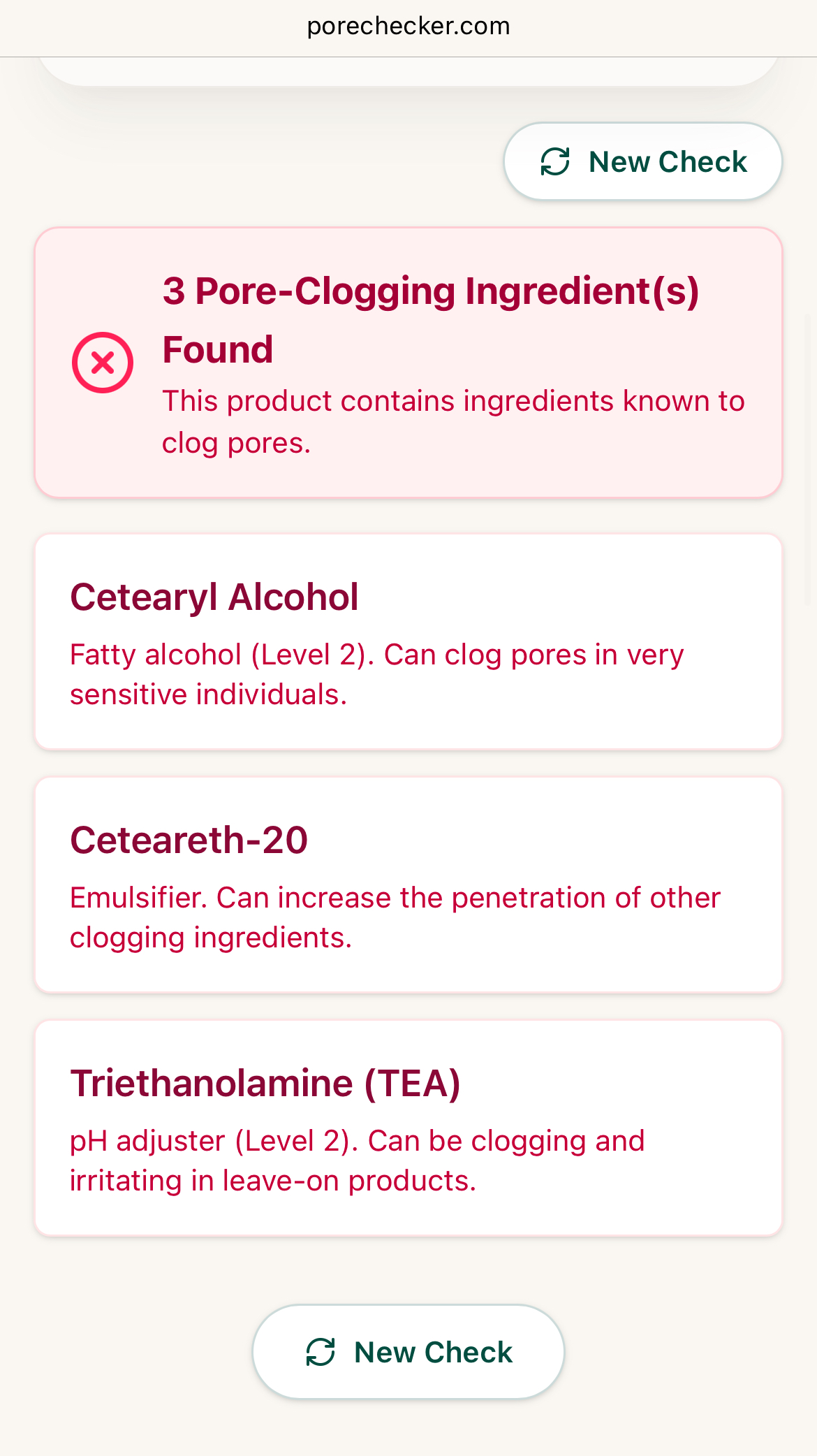
Step 3: Clear Results for Clearer Skin
You get an immediate breakdown. If any red-flag ingredients are found, we highlight them and explain why they might be problematic for your pores.
Does this product fit my skin's needs?
Check Your Products Now