The Science of Hydration: How to Apply Moisturizer on Face for Maximum Results
Master the correct technique for how to apply moisturizer on face to ensure deep hydration while avoiding clogged pores and breakouts.
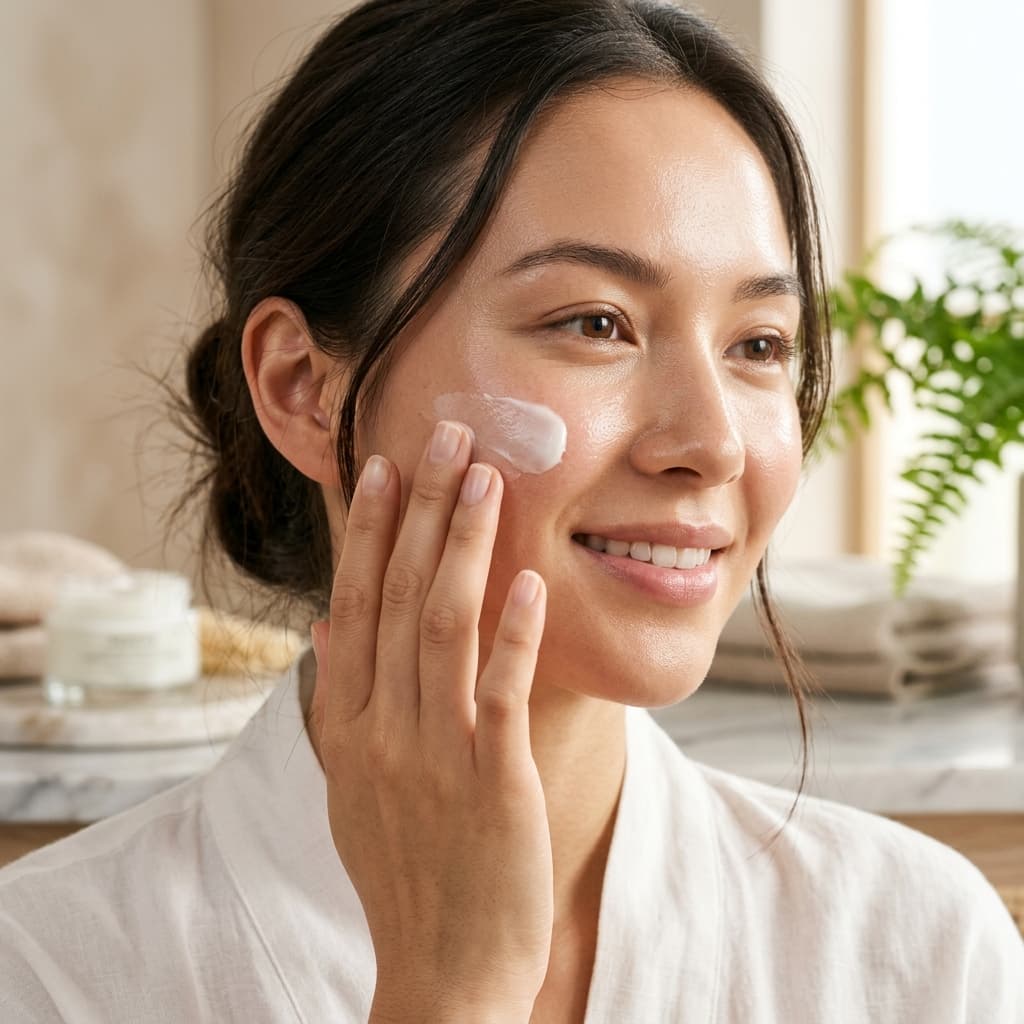
The way you treat your skin barrier dictates its long-term resilience, sensitivity, and clarity. While moisturizer is the cornerstone of any skincare routine, the physical method of application is often overlooked. Applying a product correctly is not just about spreading cream across the surface; it is about facilitating optimal absorption while respecting the delicate follicular openings of your skin.
Achieving a healthy glow requires more than just high-quality ingredients. Using non-comedogenic formulas is essential, as heavy or pore-clogging emollients can negate the benefits of a solid routine. When you understand the mechanics of how to apply moisturizer on face, you minimize the risk of trapping bacteria or sebum against the skin, which is the primary catalyst for congestion.
The Damp-Skin Technique
The most effective time to hydrate your complexion is within sixty seconds of cleansing. Applying your moisturizer while your skin remains slightly damp utilizes a process called occlusion. By trapping water molecules on the surface of the stratum corneum, you lock in moisture before it evaporates, essentially acting as a seal to enhance the efficacy of your active ingredients.
Pressure and Distribution
Avoid vigorous rubbing, which can disrupt the skin barrier and cause unnecessary friction. Instead, use a gentle pressing motion—often referred to as the "patting" method. Start by dotting a pea-sized amount onto your forehead, cheeks, nose, and chin. Using your fingertips, gently press the product into the skin in an upward, outward motion. This technique stimulates microcirculation without over-stretching the tissue, which is particularly vital for the thin, delicate skin around the eyes.
Common Application Mistakes
Many people inadvertently cause congestion by applying moisturizer with dirty hands or by over-applying product to the T-zone. If you find yourself prone to blackheads, focus your application on the peripheral areas of the face first, and use the remaining residue on your fingertips to lightly hydrate the nose and center of the forehead. This prevents the buildup of excess emollients in areas where oil production is naturally higher.
Don't Let Your Products Ruin Your Progress
Even with the most precise application technique, your results will be compromised if the product itself contains hidden pore-clogging ingredients. Many standard moisturizers include waxes and heavy oils that, despite feeling luxurious, can trigger breakouts even in those who diligently follow a proper routine. Before settling on a product, it is vital to scrutinize the ingredient list for common offenders like isopropyl myristate or heavy silicones that sit on the surface and disrupt the follicular flow. Ensuring your moisturizer is truly non-comedogenic is the final piece of the puzzle, and verifying your current products against a professional ingredient checker is the most effective way to protect your skin barrier from unintended congestion.
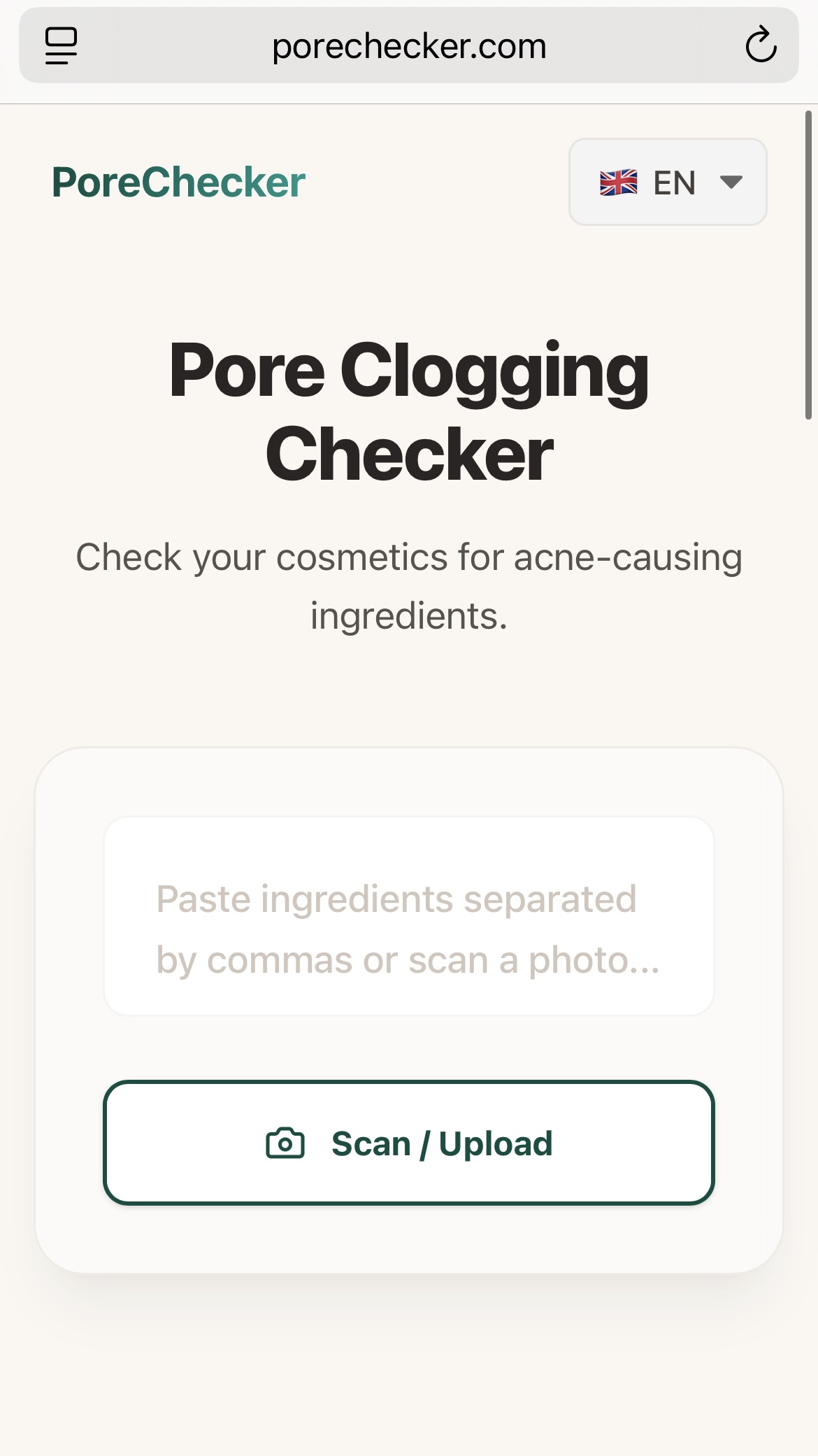
Step 1: Upload Your Product Image
Simply snap a photo of the ingredient list on the back of any bottle, jar, or box. No typing required.
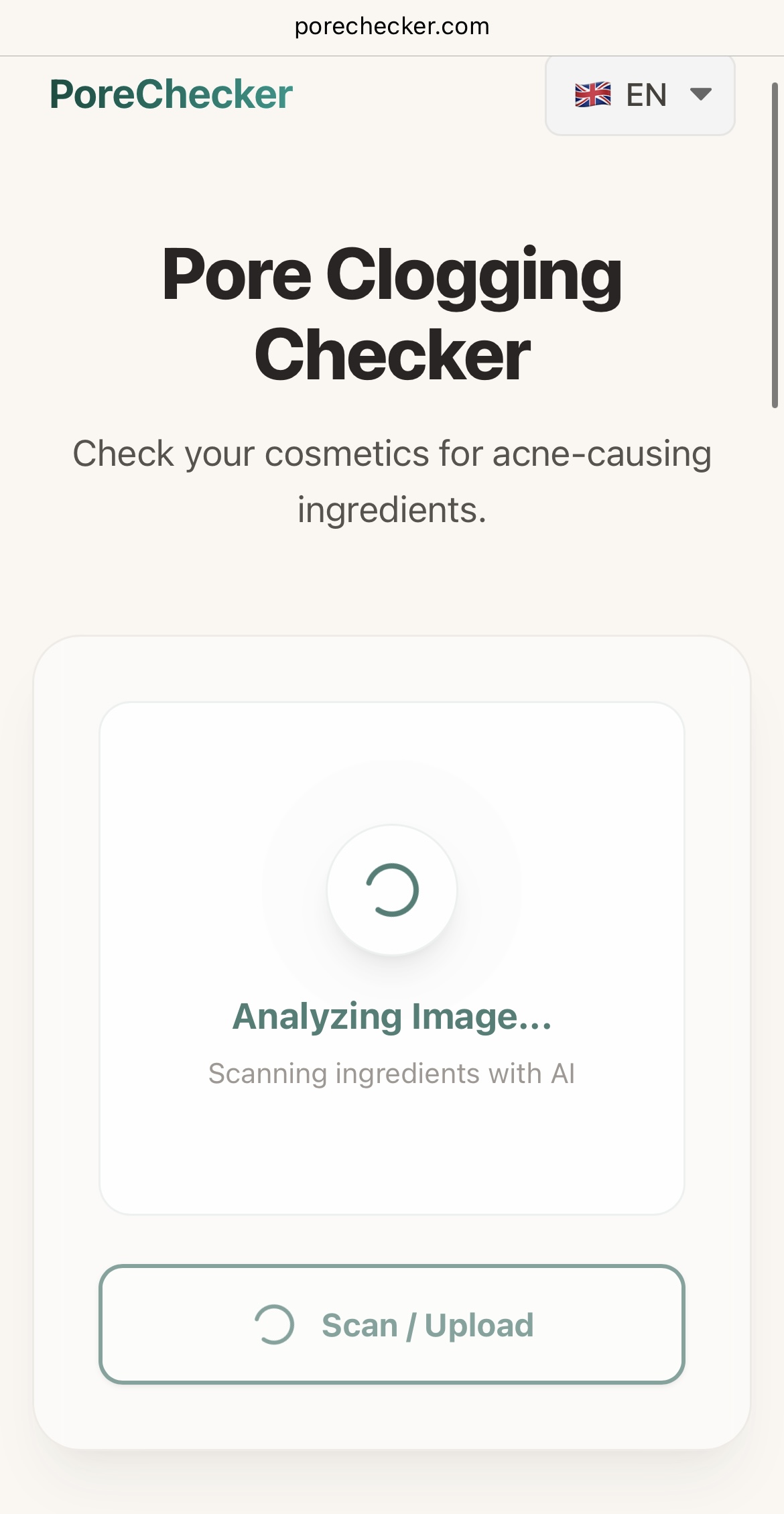
Step 2: Instant AI Ingredient Analysis
Our advanced AI scans the image, performs OCR (Optical Character Recognition), and matches every ingredient against our curated database of comedogenic substances.
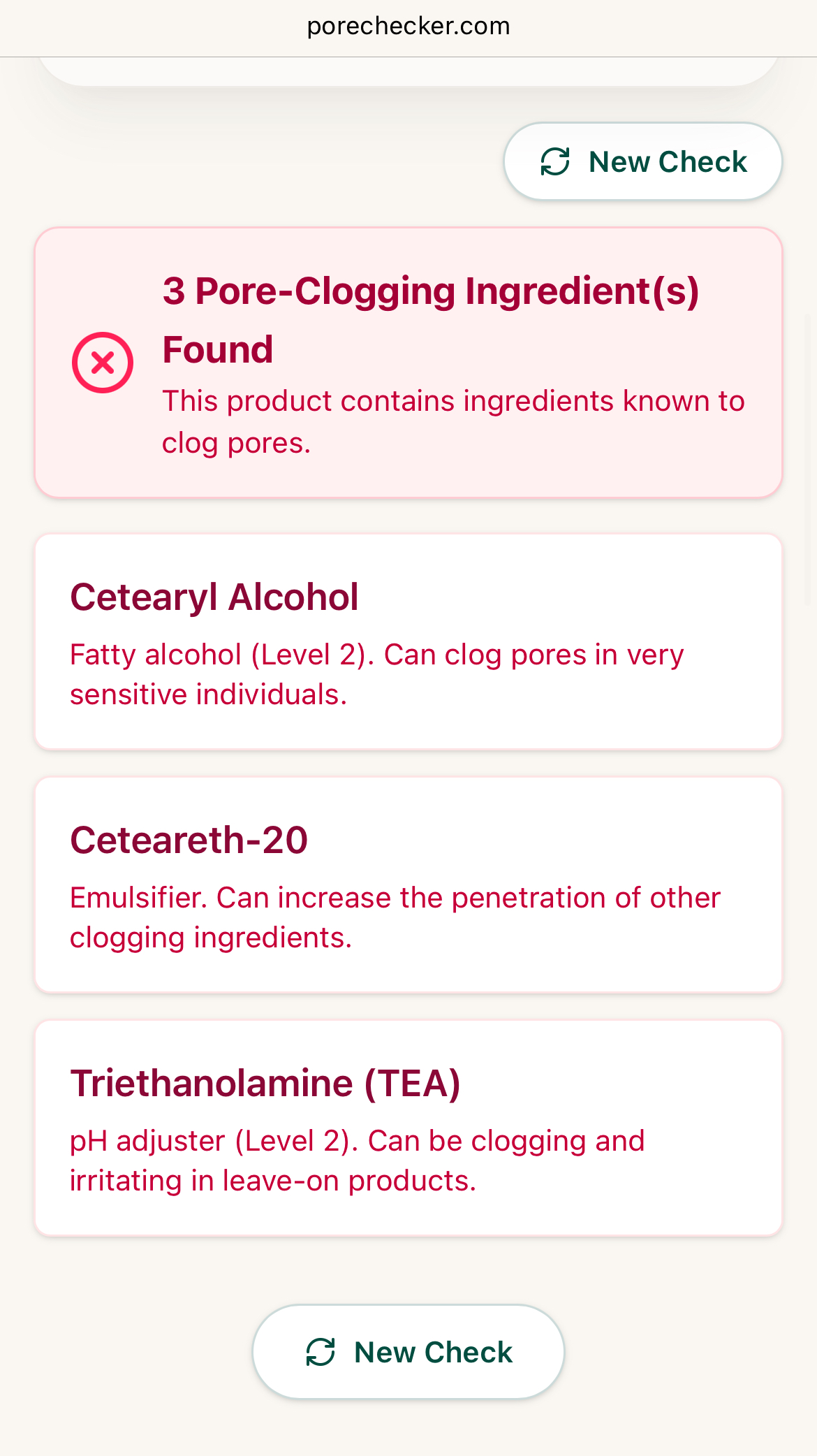
Step 3: Clear Results for Clearer Skin
You get an immediate breakdown. If any red-flag ingredients are found, we highlight them and explain why they might be problematic for your pores.
Does this product fit my skin's needs?
Check Your Products Now