The Vitamin C Clock: Mastering When to Apply Vitamin C Serum for Radiant Skin
Discover the optimal time to apply vitamin C serum for maximum benefits! Learn from a skincare expert about application timing and how to get radiant skin.
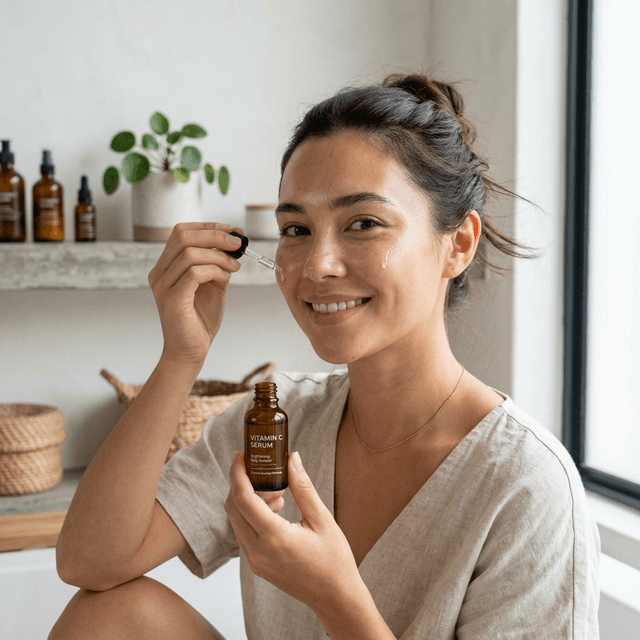
The world of skincare can feel overwhelming, with so many products promising miraculous results. One ingredient consistently lauded for its transformative power is vitamin C. This potent antioxidant can brighten skin, even tone, and fight the signs of aging. However, understanding *when* to apply vitamin C serum is just as critical as choosing a quality product. This guide cuts through the noise, providing expert insights to help you integrate vitamin C effectively into your routine, prioritizing non-comedogenic care.
As a dermatologist, I frequently emphasize the importance of a strategic skincare regimen. Simply applying products without considering factors like order and timing can limit their efficacy. This is especially true for ingredients as sensitive as vitamin C. This article aims to clarify the optimal application times and methods to help you unlock the full potential of your vitamin C serum, all while safeguarding your skin's health.
The Morning Ritual: Why Vitamin C Shines in the AM
The morning is generally considered the prime time to apply vitamin C serum. Its antioxidant properties make it a powerful shield against environmental aggressors encountered throughout the day, such as UV radiation and pollution. These factors generate free radicals, which can damage skin cells and accelerate aging. Vitamin C neutralizes these free radicals, offering crucial protection.
Maximizing Sun Protection
Vitamin C isn't a replacement for sunscreen; rather, it *enhances* its effectiveness. Applying vitamin C serum before your sunscreen provides an extra layer of defense against sun damage. This is because vitamin C, when applied topically, is thought to improve the skin's ability to protect itself from UV rays, making your sunscreen even more powerful. Remember to always apply sunscreen generously, and reapply it every two hours, especially when spending time outdoors.
Application Technique: A Gentle Approach
After cleansing your face in the morning, pat your skin dry. Apply a few drops of vitamin C serum to your face and neck, avoiding the eye area. Allow the serum to absorb for a few minutes before applying your sunscreen. This allows the vitamin C to fully penetrate the skin and work its magic. For sensitive skin, you may want to start by using vitamin C serum every other day and gradually increase frequency as tolerated.
Evening Considerations: When Vitamin C Might Be Best Avoided
While morning application is generally preferred, there are scenarios where evening application might be considered. Some individuals find that applying vitamin C at night works well for them, particularly if their skin tolerates it well and they are diligent about daytime sun protection. However, there are potential drawbacks to consider.
Potential for Interactions
Using vitamin C serum at night might not be ideal if you're also using other active ingredients, like retinol or benzoyl peroxide, which can potentially lead to irritation or reduced efficacy if applied at the same time. Also, vitamin C serums can be unstable and oxidize when exposed to air and light. Applying it at night could potentially make the product less effective before it even has the chance to work its magic. Make sure to store your vitamin C serum in a cool, dark place.
Listen to Your Skin
The best time to apply vitamin C serum ultimately depends on your individual skin type, concerns, and lifestyle. If you experience sensitivity or irritation, consider applying it every other day or consulting with a dermatologist. Pay attention to how your skin responds and adjust your routine accordingly. A well-constructed skincare routine is a marathon, not a sprint.
Don't Let Your Products Ruin Your Progress
Now that you understand the best times to apply your vitamin C serum, it's equally important to consider what *else* you're putting on your skin. Even with a perfectly timed routine, pore-clogging ingredients can undermine your efforts. Many products, from cleansers to moisturizers, contain hidden comedogens that can lead to breakouts and dullness. Therefore, it's crucial to examine the ingredient lists of all your skincare products carefully to ensure they are non-comedogenic and align with your skin's unique needs. This way, you're not just optimizing your vitamin C application, but also building a strong, healthy foundation for radiant skin.
Step 1: Upload Your Product Image
Simply snap a photo of the ingredient list on the back of any bottle, jar, or box. No typing required.

Step 2: Instant AI Ingredient Analysis
Our advanced AI scans the image, performs OCR (Optical Character Recognition), and matches every ingredient against our curated database of comedogenic substances.

Step 3: Clear Results for Clearer Skin
You get an immediate breakdown. If any red-flag ingredients are found, we highlight them and explain why they might be problematic for your pores.

Does this product fit my skin's needs?
Check Your Products Now