Unclogging Secrets: How to Clean Pores and Achieve Radiant Skin
Learn how to clean pores effectively. Get expert tips and science-backed advice on achieving clear, radiant skin. Discover hidden pore-cloggers & more.

The quest for flawless skin often leads us down a rabbit hole of treatments and routines, but the foundation of any effective skincare regimen lies in understanding and caring for your pores. Pores, the tiny openings on your skin's surface, serve a crucial function: they release oil (sebum) and sweat. However, they can also become clogged with excess oil, dead skin cells, and debris, leading to blackheads, whiteheads, and breakouts. Knowing how to clean pores effectively is the first step toward achieving a clear, healthy complexion.
This article will provide you with a science-backed understanding of pore function and, more importantly, equip you with the knowledge and actionable steps you need to keep your pores clean and your skin glowing. We’ll emphasize the importance of non-comedogenic skincare products – those specifically formulated not to clog pores – to prevent future issues and maintain the results you achieve. Our focus is on long-term skin health, not just a quick fix.
Understanding Your Pores: The Science Behind the Surface
Pores are essentially tiny hair follicle openings, and the amount you have is largely determined by genetics. Contrary to popular belief, you can't "shrink" your pores permanently, but you can certainly minimize their appearance and prevent them from becoming enlarged or clogged. The key lies in regulating sebum production and preventing the buildup of debris within the pore.
The Role of Sebum
Sebum, the natural oil produced by your sebaceous glands, is vital for keeping your skin moisturized and protected. However, overproduction of sebum, often influenced by hormones, diet, and genetics, can lead to clogged pores. This excess oil mixes with dead skin cells, creating a perfect environment for bacterial growth and the formation of blemishes.
The Dead Skin Cell Factor
Your skin constantly sheds dead skin cells. If these cells aren't properly removed, they can accumulate within the pores, trapping sebum and contributing to congestion. This is why regular exfoliation is such a key aspect of any effective pore-cleaning routine.
Effective Strategies: How to Clean Pores Properly
Cleaning your pores isn't about harsh scrubbing; it's about a consistent, gentle approach. Implementing the right strategies will help you achieve and maintain clearer skin.
Gentle Cleansing
Your cleanser is the first line of defense. Choose a gentle, pH-balanced cleanser designed for your skin type. Avoid harsh soaps that can strip your skin of its natural oils, which can ironically lead to increased sebum production as your skin tries to compensate. Cleansing twice a day, in the morning and evening, is usually sufficient. Consider a double cleanse in the evening to remove makeup and environmental pollutants.
Exfoliation: The Key to Unclogging
Exfoliation is crucial for removing dead skin cells that can clog pores. There are two main types: physical and chemical. Physical exfoliants, like scrubs, use granules to manually remove dead skin. Chemical exfoliants, such as AHAs (alpha-hydroxy acids) and BHAs (beta-hydroxy acids), use acids to dissolve dead skin cells. BHAs, like salicylic acid, are particularly effective as they are oil-soluble and can penetrate the pores to dissolve oil and debris. Start with exfoliating 1-2 times per week and adjust based on your skin's tolerance.
Masks and Treatments
Clay masks are excellent for absorbing excess oil and impurities. Look for masks containing kaolin or bentonite clay. Spot treatments containing benzoyl peroxide or salicylic acid can help to target and treat individual blemishes. Use these treatments sparingly to avoid over-drying the skin.
The Role of Extraction (Professional Only)
While tempting, squeezing or picking at your skin can worsen inflammation, lead to scarring, and spread bacteria. Professional extractions performed by a licensed esthetician are a safer option. They use sterile tools and techniques to gently remove blackheads and whiteheads.
Hidden Pore-cloggers: Beyond the Obvious
Often, we focus on the visible signs of clogged pores, but overlook the things that might be contributing to the problem. Be aware of these often-overlooked culprits.
Comedogenic Ingredients in Skincare and Makeup
Some ingredients are known to clog pores. These include certain oils (like coconut oil and mineral oil), silicones, and thick emollients. Always choose non-comedogenic products. Read the labels carefully and do your research.
Makeup and Brushes
Leaving makeup on overnight is a major pore-clogging mistake. Ensure you remove all makeup thoroughly each night. Also, regularly clean your makeup brushes to prevent the buildup of bacteria and product residue, which can transfer to your skin.
Lifestyle Factors
Diet, stress, and hormonal fluctuations can all influence sebum production and skin health. While you can't control all of these factors, maintaining a balanced diet, managing stress, and staying hydrated are crucial for overall skin health.
Don't Let Your Products Ruin Your Progress
Now that you understand the science of pore care and have a practical guide for cleaning and maintaining clear skin, you may be tempted to rush out and buy all the latest products. However, it's essential to remember that even the best skincare routine can be undermined by products containing pore-clogging ingredients. Carefully examining the ingredients list of your chosen products is a crucial step in maintaining your clear and healthy complexion. Taking the time to be a discerning consumer will ensure that your hard work doesn't go to waste.
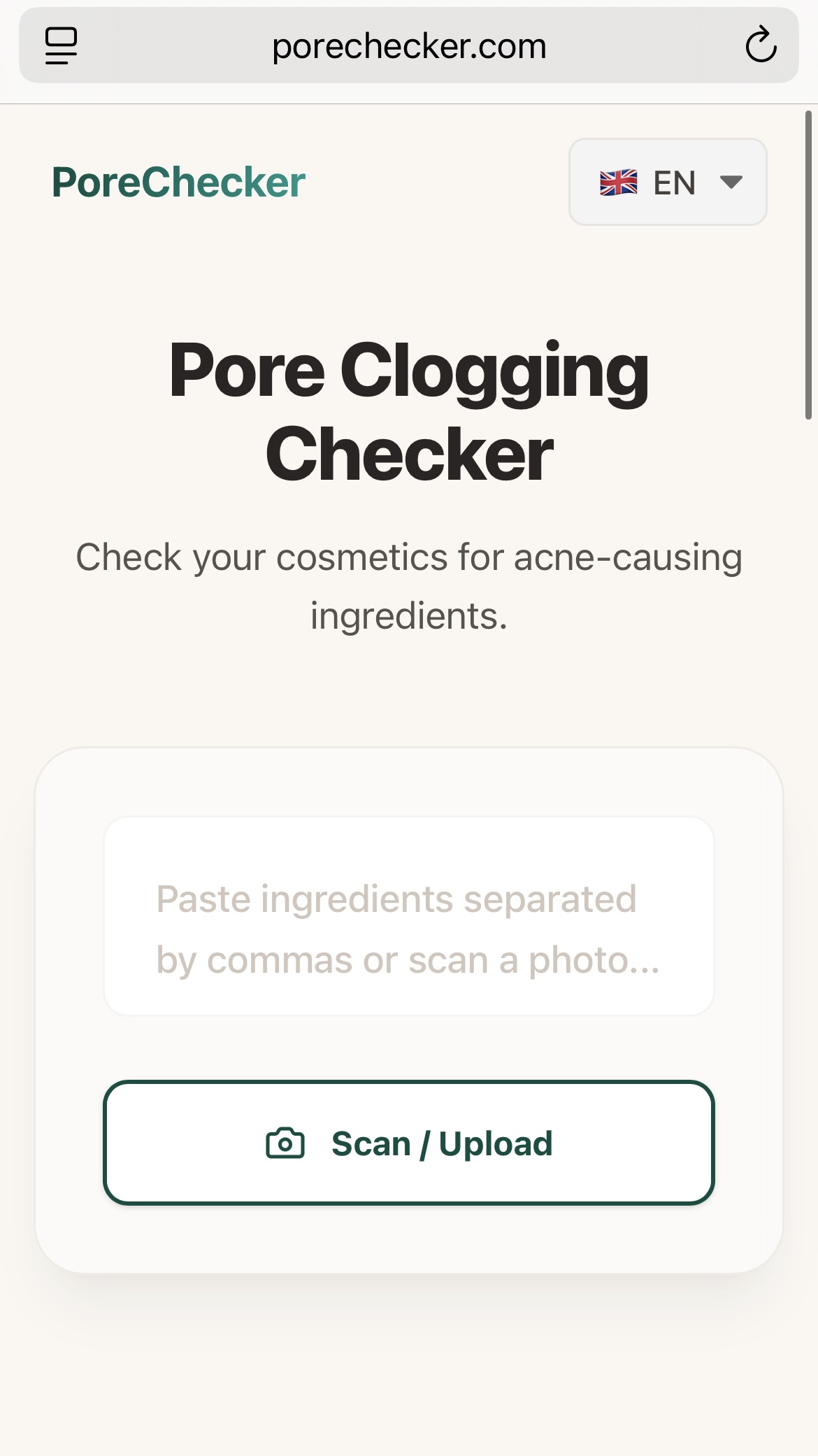
Step 1: Upload Your Product Image
Simply snap a photo of the ingredient list on the back of any bottle, jar, or box. No typing required.
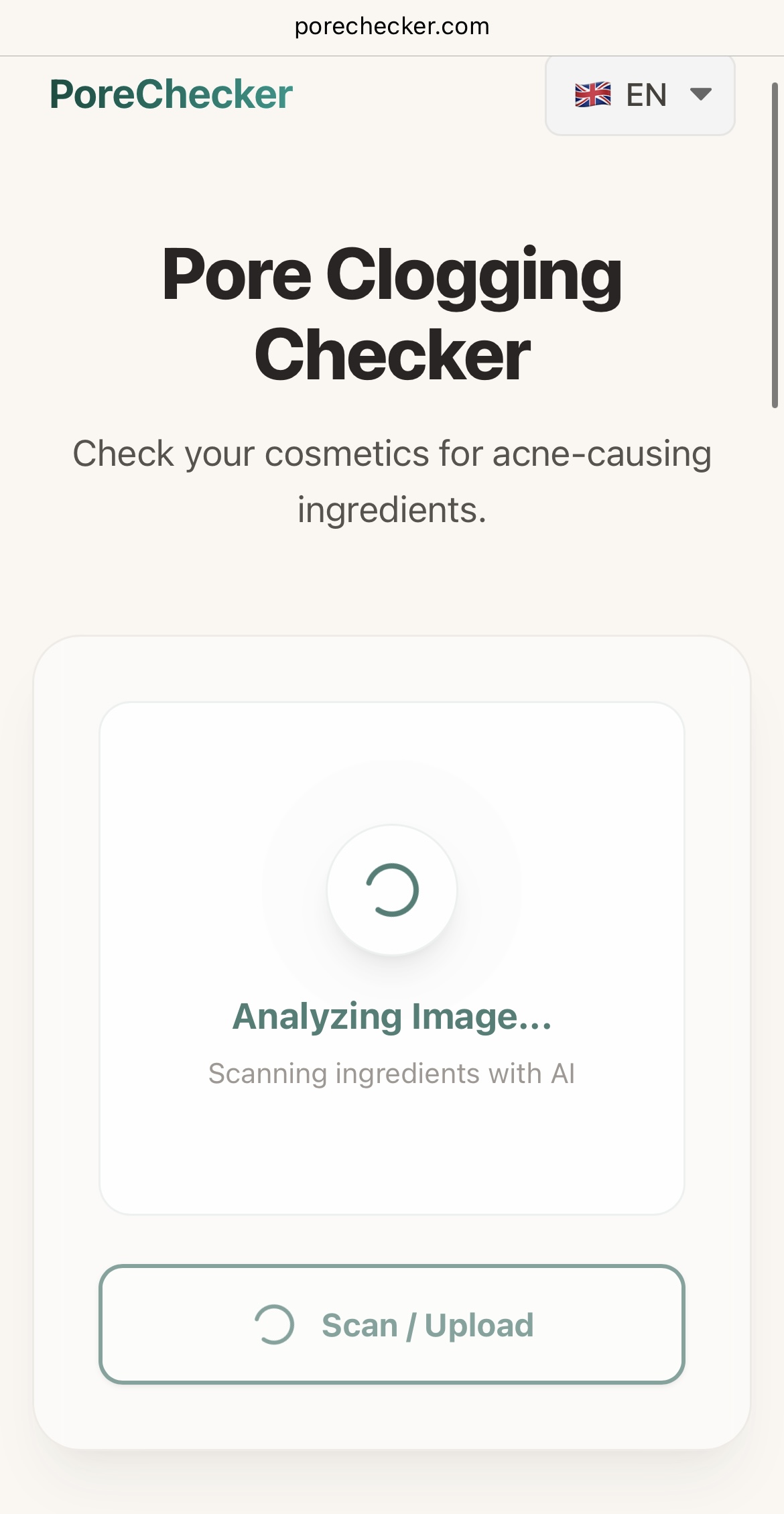
Step 2: Instant AI Ingredient Analysis
Our advanced AI scans the image, performs OCR (Optical Character Recognition), and matches every ingredient against our curated database of comedogenic substances.
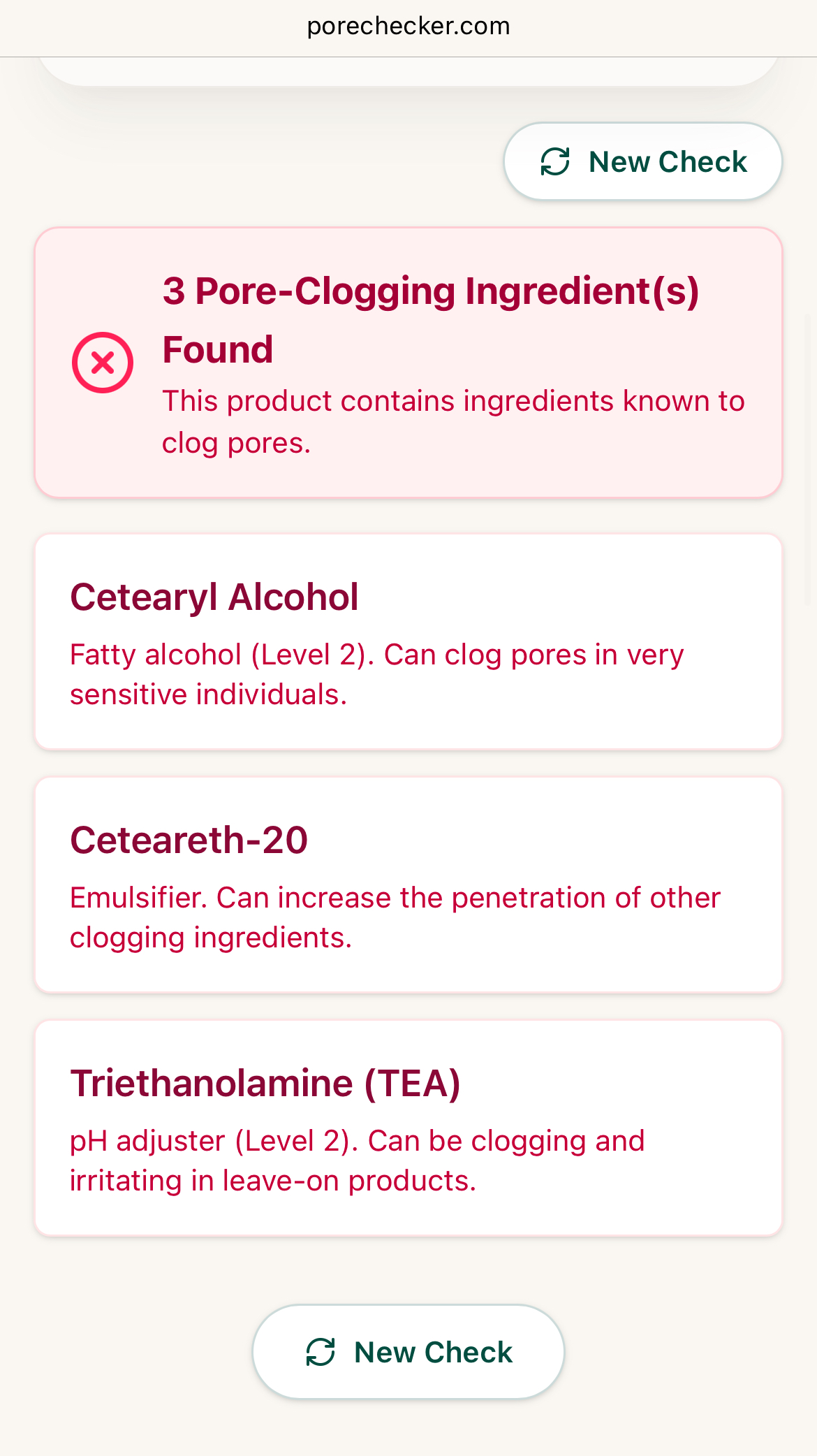
Step 3: Clear Results for Clearer Skin
You get an immediate breakdown. If any red-flag ingredients are found, we highlight them and explain why they might be problematic for your pores.
Does this product fit my skin's needs?
Check Your Products Now