Understanding Acne: What Is Acne (Que Es Acne) and How to Treat It
Learn the science behind acne (que es acne), its causes, and effective treatments. Discover how to identify and avoid pore-clogging ingredients.

Acne, often misunderstood, is a common skin condition that affects millions. But what *is* acne (que es acne) at its core? It's much more than just a few blemishes; it's a complex interplay of factors within the skin's structure. Understanding the underlying mechanisms is the first step toward effective management and, importantly, choosing skincare that supports, rather than hinders, your progress. We'll explore the science behind it, and delve into how to get better.
Effective acne care prioritizes non-comedogenic ingredients – those less likely to clog pores. This proactive approach aims to prevent the cascade of events that lead to breakouts. It's about empowering you with knowledge and practical steps to navigate the world of skincare and build a routine that works *with* your skin, not against it. Because of this, what is acne starts with understanding what clogs your pores.
The Science of Acne: What Is Acne (Que Es Acne)?
At its root, acne (que es acne) is an inflammatory skin condition. It primarily involves the pilosebaceous unit, which is the hair follicle and its associated sebaceous gland (which produces oil, also known as sebum). Four key factors contribute to acne development:
- Excess Sebum Production: Overactive sebaceous glands produce excessive oil, leading to a build-up within the follicle.
- Follicular Hyperkeratinization: The shedding of dead skin cells (keratinocytes) becomes abnormal, leading to a blockage within the follicle. This is why exfoliating is a key component to any treatment.
- Bacterial Colonization: *Cutibacterium acnes* (*C. acnes*), a bacterium commonly found on the skin, thrives in the oil-rich environment of a clogged follicle.
- Inflammation: The body's immune response to the bacteria and the blocked follicle leads to inflammation, causing the characteristic redness, swelling, and pain associated with acne.
Types of Acne Lesions
Acne manifests in various forms. Recognizing these differences is crucial for tailored treatment:
- Non-Inflammatory Acne:
- Comedones: These are the foundational elements: blackheads (open comedones) and whiteheads (closed comedones).
- Inflammatory Acne:
- Papules: Small, red, raised bumps.
- Pustules: Papules with a white or yellow pus-filled head.
- Nodules: Large, solid, painful lumps deep within the skin.
- Cysts: Large, pus-filled, painful lesions that can lead to scarring.
Effective Strategies for Managing Acne (Que Es Acne)
Treatment for acne (que es acne) aims to address the root causes, primarily by reducing sebum production, unclogging pores, combating bacterial growth, and reducing inflammation. A comprehensive approach typically involves a combination of topical and sometimes oral medications, along with consistent, supportive skincare practices.
Topical Treatments: Your First Line of Defense
Topical treatments are applied directly to the skin and are often the first step in acne management. Common ingredients include:
- Benzoyl Peroxide: An antibacterial agent that helps to kill *C. acnes* and reduce inflammation.
- Salicylic Acid: A beta-hydroxy acid (BHA) that exfoliates the skin, unclogging pores.
- Retinoids: Derivatives of vitamin A that promote cell turnover, prevent pore blockages, and reduce inflammation. Start slowly, as retinoids can initially cause irritation.
- Azelaic Acid: Possesses anti-inflammatory, antibacterial, and comedolytic (pore-clearing) properties.
Oral Medications: When Topical Isn't Enough
For moderate to severe acne, or when topical treatments prove insufficient, oral medications may be prescribed by a dermatologist. These include:
- Antibiotics: Reduce bacterial colonization and inflammation. Often used short-term.
- Isotretinoin: A powerful retinoid that reduces sebum production, reduces inflammation, and prevents pore blockages. This requires careful monitoring due to potential side effects.
- Hormonal Therapies: For women, birth control pills (containing estrogen and progestin) or anti-androgen medications can help regulate hormones and reduce acne.
Skincare Routine Essentials: Building a Supportive Base
Complementing medical treatments with a well-designed skincare routine is essential. Here's what to consider:
- Gentle Cleansing: Use a mild, non-comedogenic cleanser twice daily to remove excess oil, dirt, and debris without stripping the skin of its natural moisture. Avoid harsh soaps.
- Hydration: Even oily skin needs hydration. Use a lightweight, oil-free moisturizer to maintain the skin's barrier function.
- Sun Protection: Sunscreen is crucial. Choose a broad-spectrum, oil-free sunscreen to protect your skin from sun damage, which can worsen inflammation and hyperpigmentation.
- Exfoliation: Chemical exfoliants (like salicylic acid) can help prevent the build-up of dead skin cells that clog pores.
Don't Let Your Products Ruin Your Progress
Understanding the *what* of acne is only the first part of the puzzle. Now comes the crucial step of evaluating the ingredients you’re putting *on* your skin. Many seemingly innocuous skincare products contain ingredients that can exacerbate acne by clogging pores or triggering inflammation. Common culprits include heavy oils, certain emulsifiers, and fragrances. To truly empower yourself in your skincare journey, consider thoroughly investigating your product ingredients to ensure they align with your goal of clearer, healthier skin. There are tools available that can help you decipher ingredient lists and make informed choices. This knowledge can transform your routine from a source of frustration to a pathway to the clear, healthy skin you deserve.
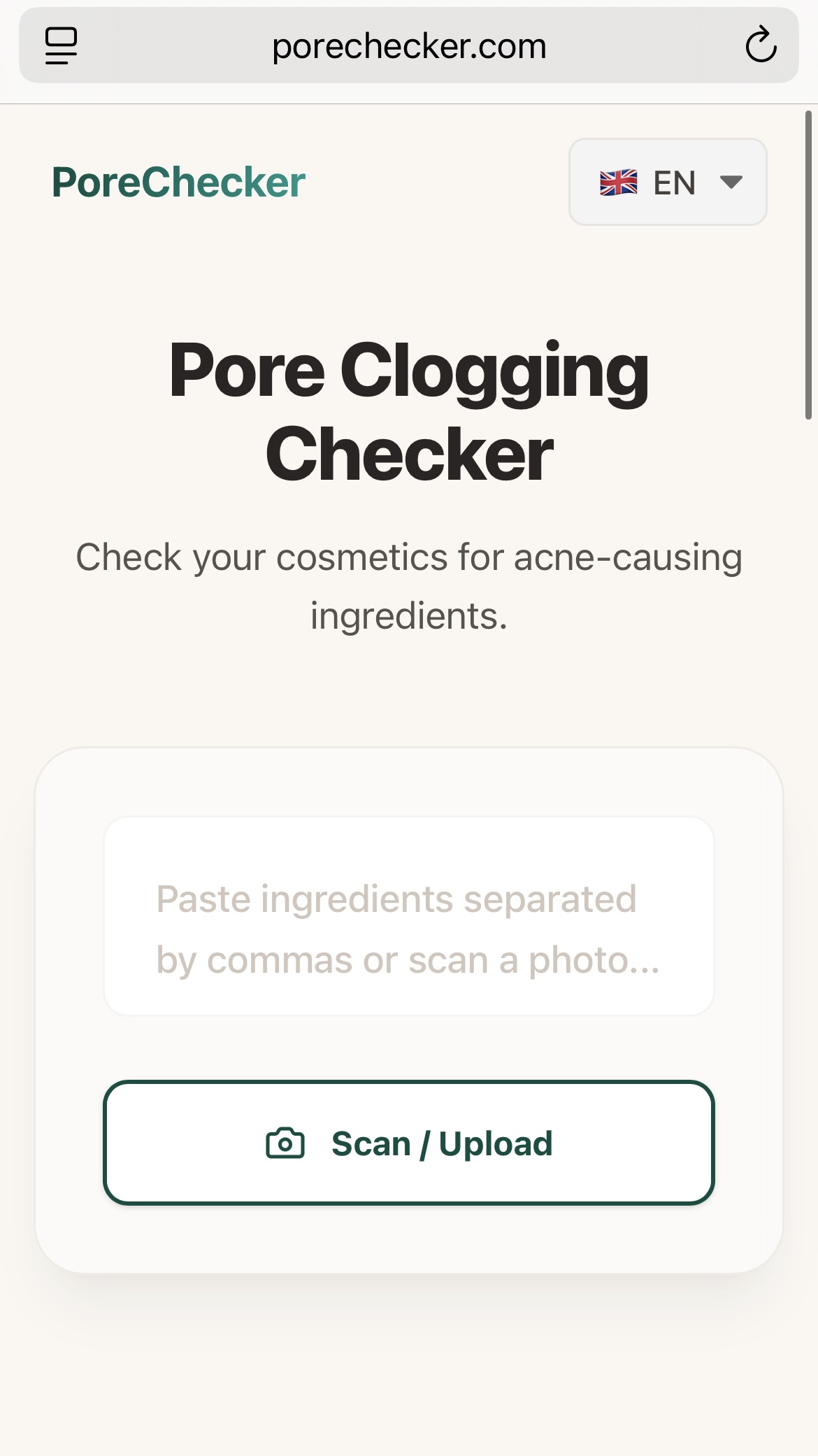
Step 1: Upload Your Product Image
Simply snap a photo of the ingredient list on the back of any bottle, jar, or box. No typing required.
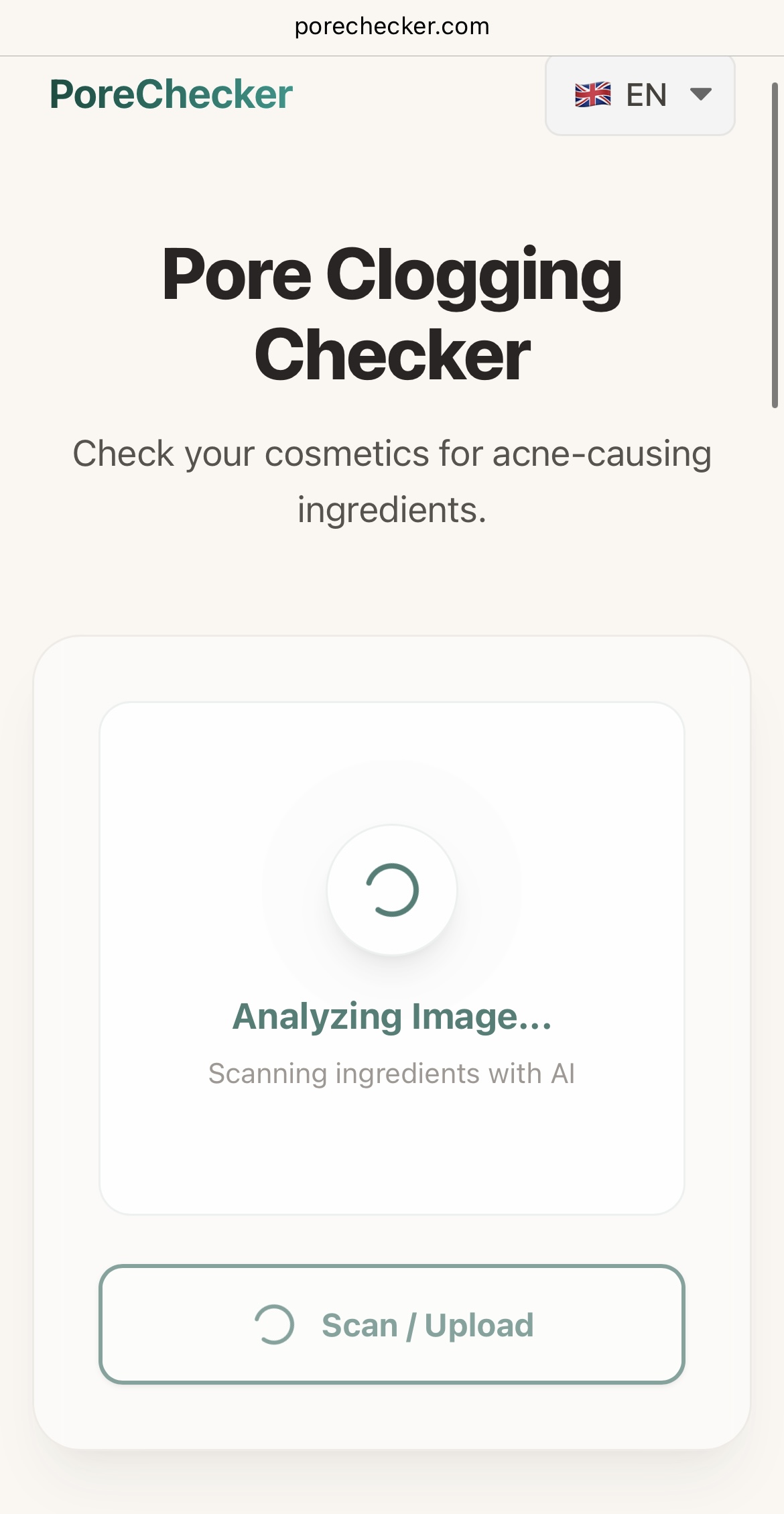
Step 2: Instant AI Ingredient Analysis
Our advanced AI scans the image, performs OCR (Optical Character Recognition), and matches every ingredient against our curated database of comedogenic substances.
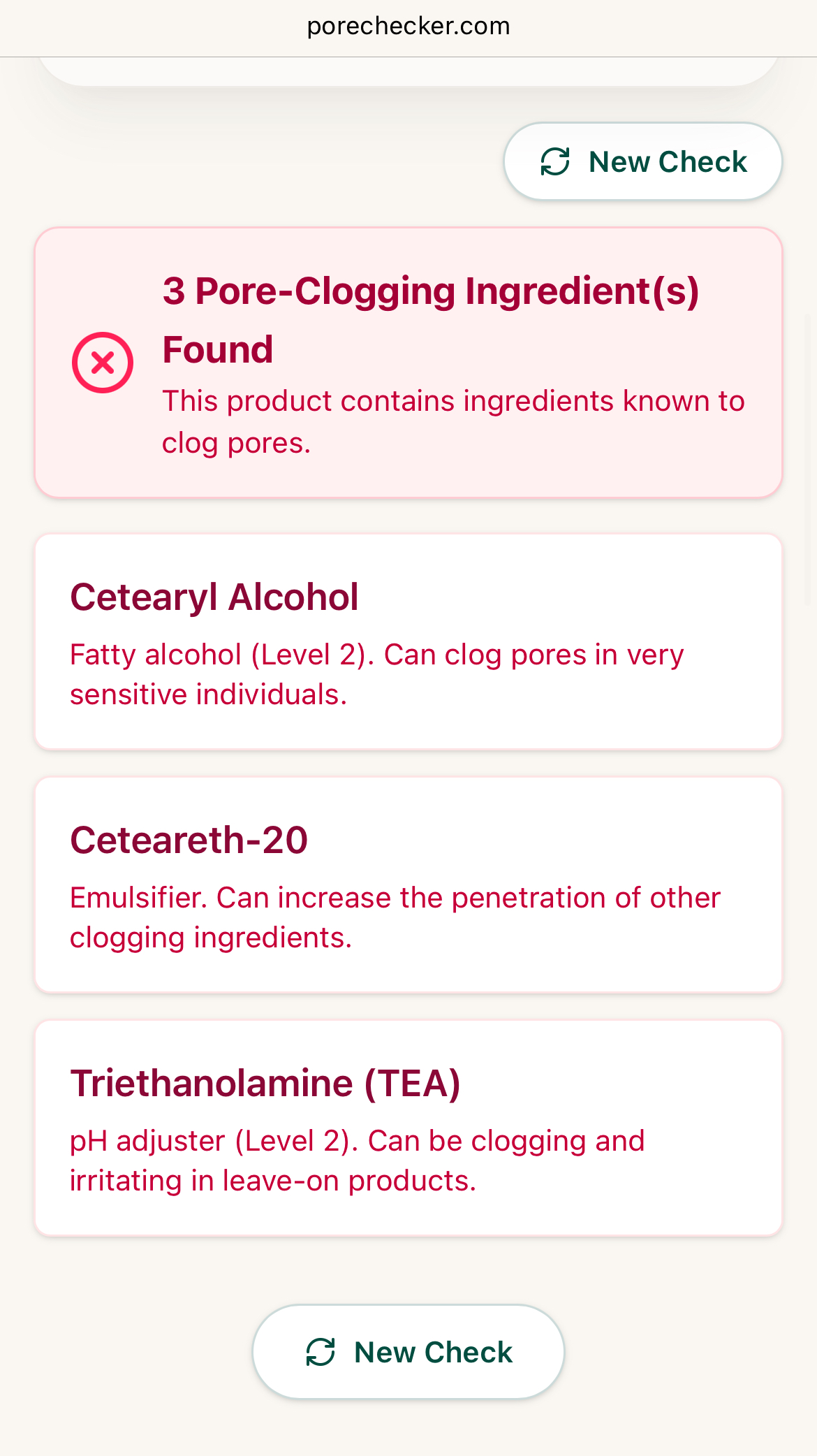
Step 3: Clear Results for Clearer Skin
You get an immediate breakdown. If any red-flag ingredients are found, we highlight them and explain why they might be problematic for your pores.
Does this product fit my skin's needs?
Check Your Products Now