Understanding What Is Serum Creatinine: Your Guide to Healthy Skin and Internal Balance
Learn what serum creatinine is and how it relates to healthy skin. Expert advice on skincare, pore-cloggers, and maintaining balance.
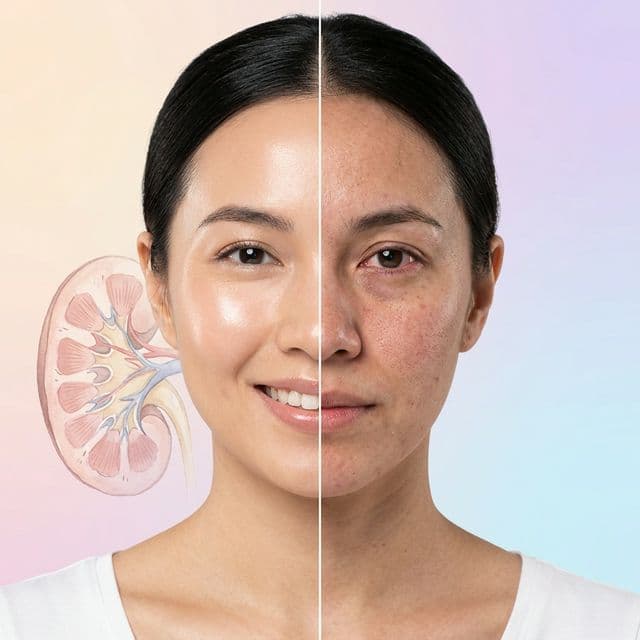
As a dermatologist and skincare scientist, I understand the intricate relationship between your internal health and your skin's radiance. While my primary focus is often on topical treatments and external factors, I also believe in a holistic approach. One crucial element of this internal health equation is kidney function, and understanding what serum creatinine is provides valuable insights. This guide will clarify the role of serum creatinine and how it indirectly, yet significantly, impacts your skin's well-being. Furthermore, we’ll explore how to foster a healthy skin environment, paying close attention to pore-clogging culprits.
Many internal health markers don't have a direct correlation with skin, however, the kidneys play a vital role in removing waste products from the blood, including creatinine. When kidney function is compromised, these waste products can accumulate, potentially contributing to inflammation and other imbalances that can manifest as skin concerns. This underscores the importance of a healthy lifestyle, including proper hydration and a balanced diet, for achieving and maintaining clear, glowing skin.
What Exactly Is Serum Creatinine?
Serum creatinine is a waste product generated by the muscles as they break down creatine. Creatine is a molecule that helps produce energy for muscle function. The kidneys filter creatinine from the blood and excrete it in urine. Therefore, a serum creatinine test is a common blood test used to assess kidney function. Elevated levels often indicate that the kidneys are not functioning optimally, potentially due to various underlying conditions.
Interpreting Serum Creatinine Levels
Normal serum creatinine ranges can vary slightly depending on the laboratory and individual factors such as age, sex, and muscle mass. Generally, for adult males, the normal range is approximately 0.7 to 1.3 mg/dL, while for adult females, it's about 0.6 to 1.1 mg/dL. If your serum creatinine levels are outside of these ranges, it's essential to consult with your physician for a thorough evaluation. This will help determine the cause and address any underlying health issues that may be affecting your kidneys.
The Indirect Link Between Serum Creatinine and Skin Health
While serum creatinine itself doesn't directly affect skin, the underlying kidney dysfunction that can cause elevated levels can indirectly impact your skin. The kidneys help to regulate fluid balance and remove toxins. When kidney function is compromised, these toxins can accumulate in the bloodstream. This can, in turn, contribute to systemic inflammation, skin dryness, dullness, or even the exacerbation of existing skin conditions like acne and eczema.
Signs Your Skin Might Be Affected
The skin can sometimes provide clues about internal health. If you notice persistent dryness, changes in skin tone (e.g., a yellowish hue), swelling (especially around the eyes), or increased itching, especially if accompanied by other symptoms like fatigue or changes in urination, it could be an indicator of underlying health issues. It's crucial to consult a healthcare professional if you experience these symptoms, especially if you have a family history of kidney disease or other risk factors.
Supporting Healthy Kidneys for Radiant Skin
Prioritizing kidney health is an important step towards achieving glowing skin. This includes staying well-hydrated, maintaining a balanced diet, and avoiding excessive intake of processed foods, salt, and sugary drinks. Regular exercise and managing conditions like high blood pressure and diabetes are also vital. Remember, healthy kidneys contribute to overall well-being, which is often reflected in the radiance and clarity of your skin.
Don't Let Your Products Ruin Your Progress
Just as internal health significantly affects the appearance of your skin, the products you apply topically can also play a crucial role. Understanding what serum creatinine is and how kidney health impacts your skin underscores the importance of a well-rounded approach to skincare. Even if your internal health is optimal, using products that contain pore-clogging ingredients can undermine your efforts. These ingredients can lead to breakouts, dullness, and a generally uneven skin texture. Knowing this and being mindful of your products is vital for achieving and maintaining the healthy glow you desire. Consider that a simple ingredient check can prevent a cascade of issues.
Step 1: Upload Your Product Image
Simply snap a photo of the ingredient list on the back of any bottle, jar, or box. No typing required.

Step 2: Instant AI Ingredient Analysis
Our advanced AI scans the image, performs OCR (Optical Character Recognition), and matches every ingredient against our curated database of comedogenic substances.

Step 3: Clear Results for Clearer Skin
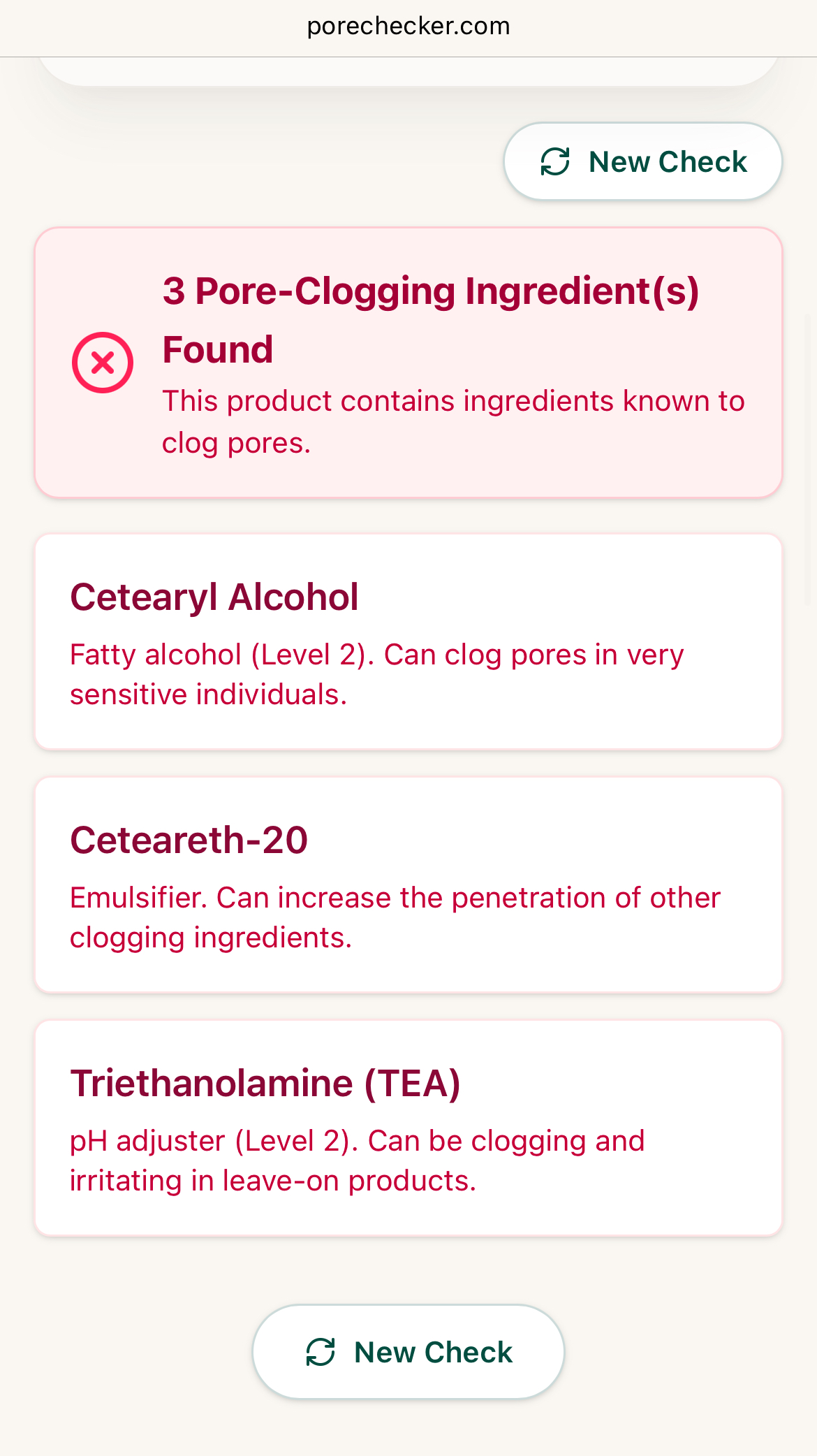
You get an immediate breakdown. If any red-flag ingredients are found, we highlight them and explain why they might be problematic for your pores.
Does this product fit my skin's needs?
Check Your Products Now