Unlocking Radiance: Mastering How to Apply Vitamin C Serum for Glowing Skin
Learn how to apply vitamin C serum correctly for maximum benefits! Get expert tips for brighter, healthier, and glowing skin. Avoid common mistakes!

Vitamin C serum has rightfully earned its place as a skincare staple. Celebrated for its antioxidant properties and ability to brighten the complexion, it's a powerful tool in your quest for healthy, radiant skin. However, simply owning a bottle isn't enough. The effectiveness of vitamin C serum hinges on proper application. This guide will walk you through the correct steps, ensuring you reap the full benefits of this potent ingredient. We'll also emphasize the importance of non-comedogenic practices, because beautiful skin is only achievable with a routine that respects your pores.
Before diving in, remember that your skin's unique needs are paramount. This guide provides a framework; listen to your skin and adjust as needed. Start slowly, especially if you have sensitive skin, and always patch test new products. Patience and consistency are key to achieving your skincare goals, and incorporating vitamin C serum thoughtfully will undoubtedly contribute to your success. Prioritizing non-comedogenic ingredients from the start will ensure your progress is never hindered by hidden pore-cloggers.
Let's explore the best way to integrate vitamin C serum into your daily ritual, ensuring you're setting yourself up for success.
The Ideal Time and Frequency
While vitamin C serum can be used both in the morning and evening, the morning application is often preferred. This is due to its protective capabilities against environmental aggressors like UV rays and pollution. Applying it in the morning, under your sunscreen, can significantly enhance your sun protection. If you opt for evening use, ensure your routine complements it. Avoid pairing it with harsh actives that could cause irritation. Remember, consistency is crucial for seeing results; aim for daily application to reap the full benefits.
Morning Routine Step-by-Step
1. **Cleanse:** Begin with a gentle, non-comedogenic cleanser to remove impurities and prepare your skin. Pat your face dry gently, leaving it slightly damp.
2. **Apply Vitamin C Serum:** Dispense a few drops of serum onto your fingertips. Gently pat the serum onto your face and neck, avoiding the eye area. Be sure to use a serum with a stabilized form of Vitamin C, such as L-ascorbic acid.
3. **Wait:** Allow the serum to absorb completely into your skin, typically a minute or two.
4. **Moisturize:** Follow with a lightweight, non-comedogenic moisturizer to hydrate and protect your skin. This step is especially crucial to combat any potential dryness.
5. **Sunscreen:** Finish with a broad-spectrum SPF 30 or higher sunscreen. This is non-negotiable, as vitamin C can increase your skin's sensitivity to the sun. This step is the key to preventing premature aging.
Evening Routine Considerations
If using vitamin C serum in the evening, follow the same cleansing and serum application steps. However, consider what other actives you are using in your nighttime routine. For example, if you are using retinol, it may be best to alternate the days on which you use vitamin C and retinol. Always allow for sufficient time for absorption before layering other products.
Choosing the Right Vitamin C Serum
Not all vitamin C serums are created equal. The form of vitamin C, its concentration, and the packaging all play a significant role in efficacy and stability. Look for serums containing L-ascorbic acid, a potent and well-researched form of vitamin C. However, it's also the most unstable. Always opt for airtight, dark-colored packaging to protect the serum from light and air, which can degrade the active ingredient. Additionally, consider the addition of other antioxidants like vitamin E and ferulic acid, which can boost vitamin C's effectiveness.
Concentration and Formulation
The concentration of vitamin C in a serum can range from 5% to 20% or higher. For beginners, a lower concentration (around 10-15%) is often a good starting point to gauge your skin's tolerance. As your skin adapts, you can gradually increase the concentration. Consider the overall formulation of the serum. Serums with added humectants like hyaluronic acid can enhance hydration, while those with emollients can help soothe the skin.
Storage and Shelf Life
Proper storage is essential to preserve the serum's potency. Store your vitamin C serum in a cool, dark place, away from direct sunlight and heat. Once opened, monitor the serum for changes in color. If it turns yellow or brown, it has likely oxidized and lost its effectiveness. Note the product's expiration date, and discard the serum if it's past its prime.
Don't Let Your Products Ruin Your Progress
Mastering the application of vitamin C serum is a fantastic step toward achieving radiant skin. However, the pursuit of a healthy complexion doesn't end there. Understanding how each product interacts with your skin is critical. Many products, even those marketed as beneficial, can contain ingredients that clog pores, leading to breakouts and frustrating setbacks. That’s why it’s essential to be vigilant about your ingredient lists. Consider using a tool that analyzes your skincare products to identify potential pore-clogging culprits and ensure your routine truly supports your clear-skin goals.
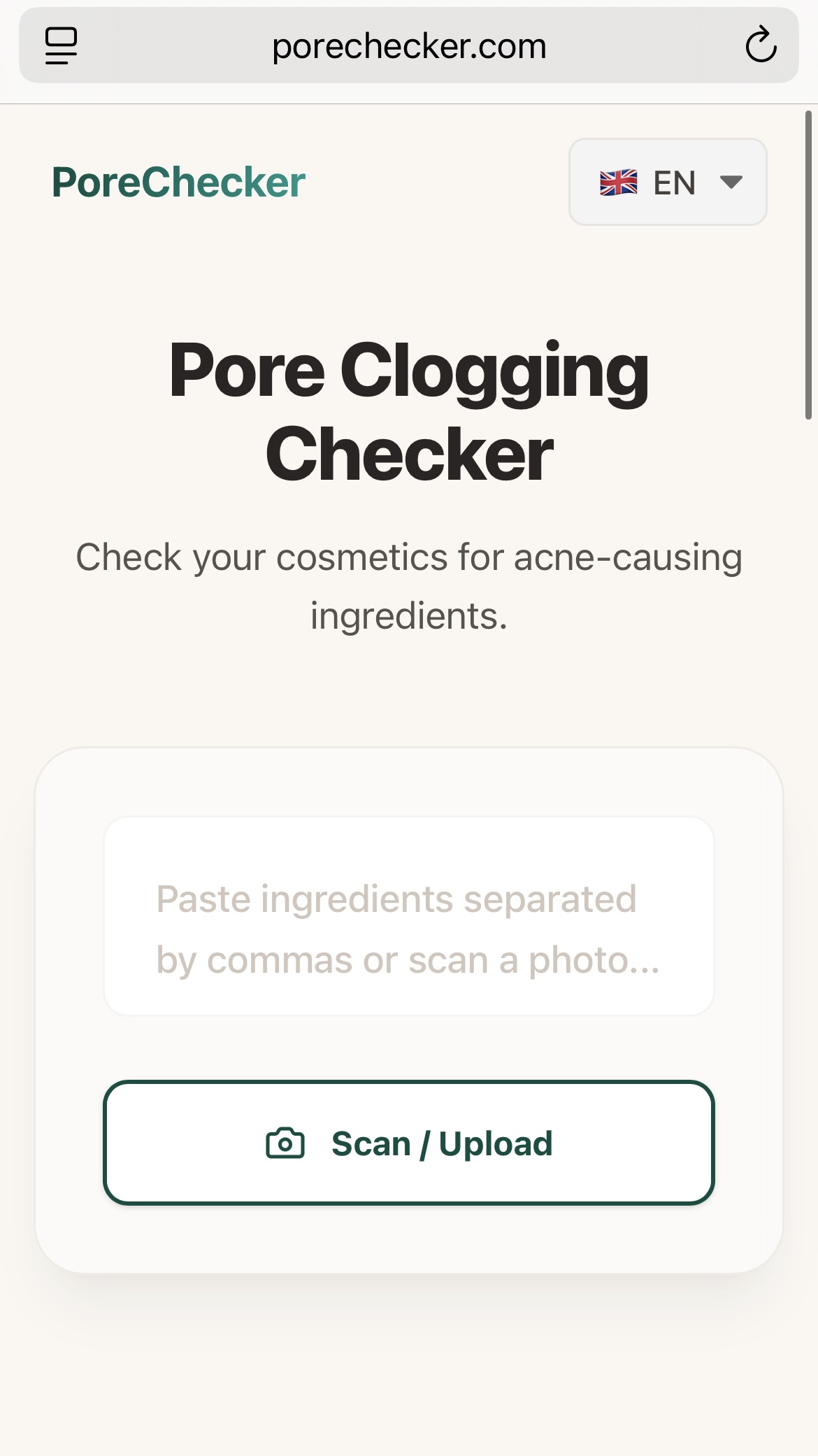
Step 1: Upload Your Product Image
Simply snap a photo of the ingredient list on the back of any bottle, jar, or box. No typing required.
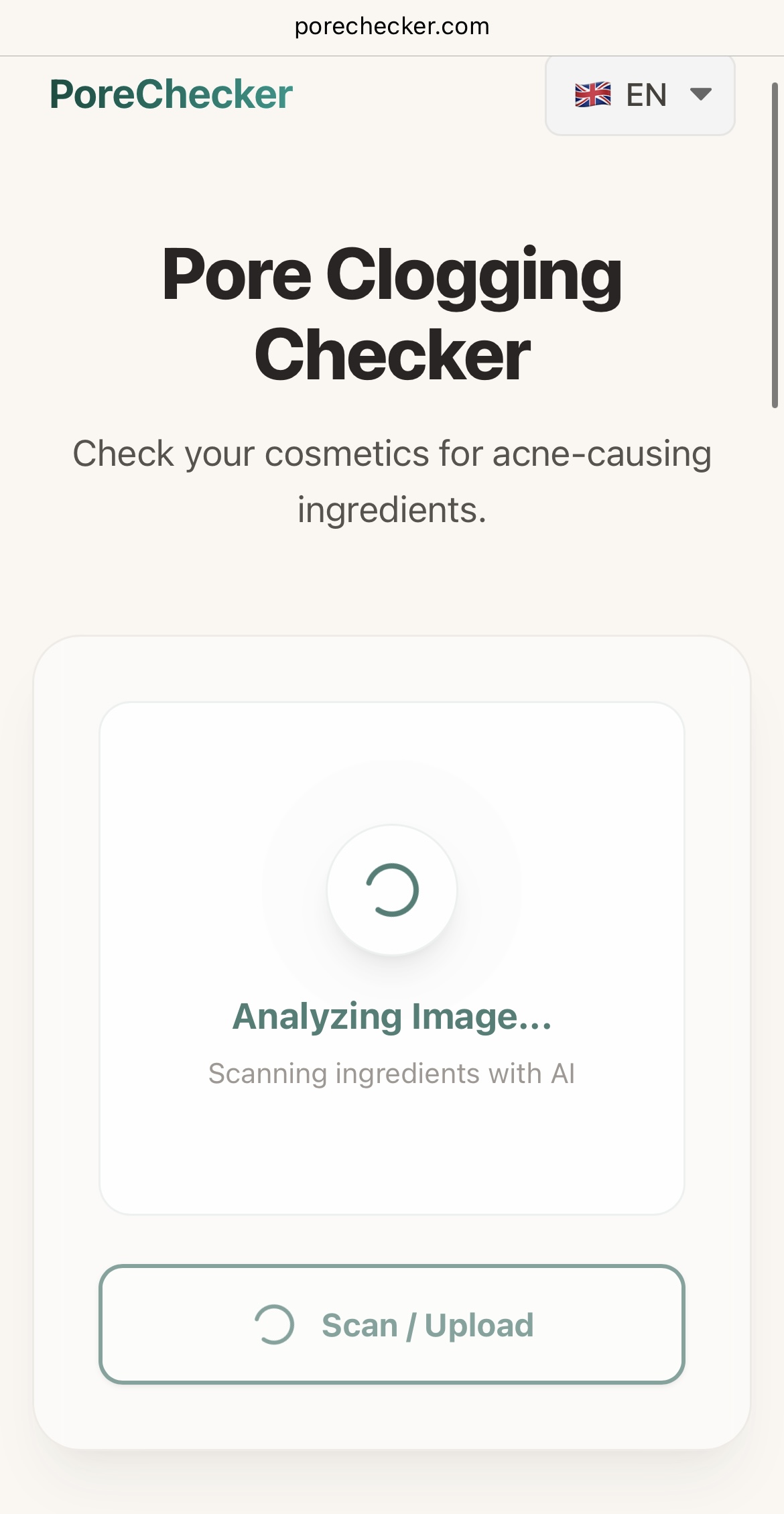
Step 2: Instant AI Ingredient Analysis
Our advanced AI scans the image, performs OCR (Optical Character Recognition), and matches every ingredient against our curated database of comedogenic substances.
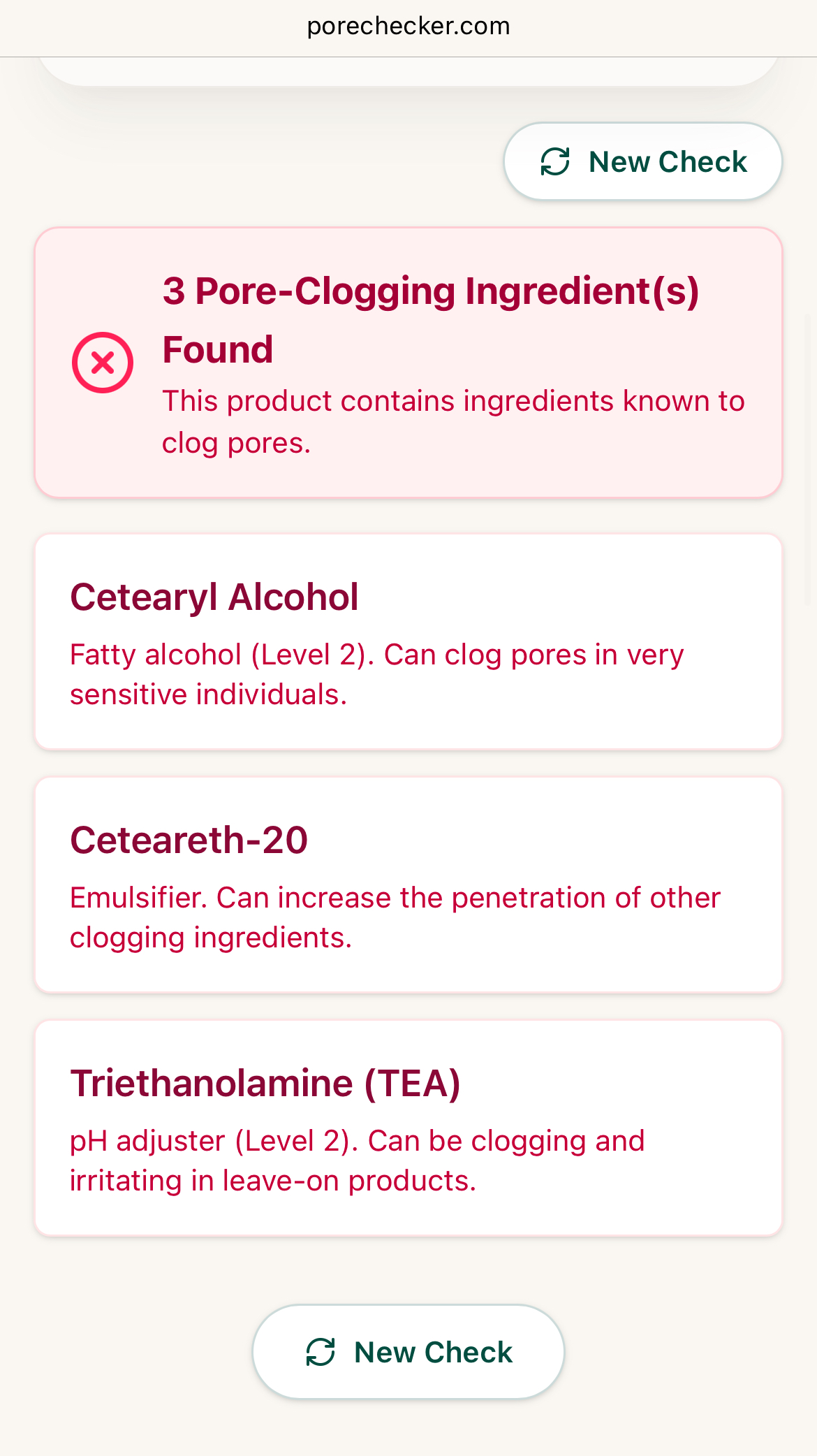
Step 3: Clear Results for Clearer Skin
You get an immediate breakdown. If any red-flag ingredients are found, we highlight them and explain why they might be problematic for your pores.
Does this product fit my skin's needs?
Check Your Products Now