Unlocking Radiance: Mastering How to Use Serum for Your Best Skin
Learn how to use serum effectively for radiant skin! Expert tips from a dermatologist on application, ingredients, and avoiding pore-clogging culprits.
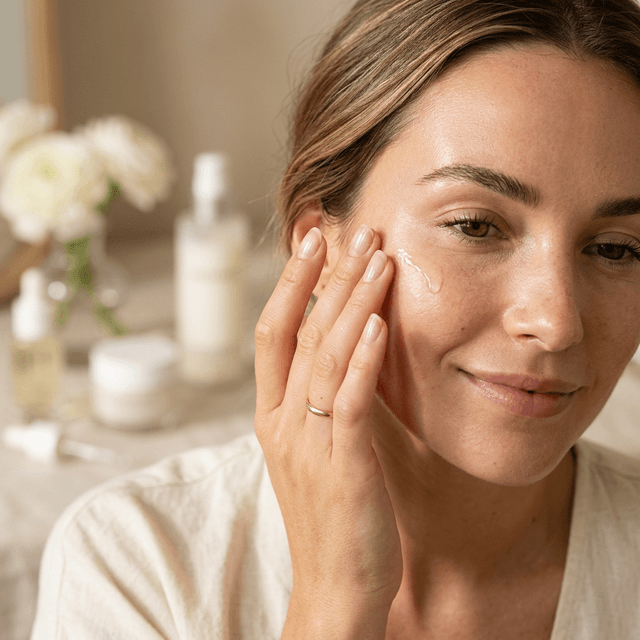
The world of skincare can feel overwhelming, but at its heart lies a simple principle: consistency and informed choices. One of the most powerful tools in your arsenal is serum – a concentrated elixir packed with active ingredients designed to target specific skin concerns. Whether you're battling blemishes, seeking anti-aging benefits, or striving for a brighter complexion, understanding how to use serum correctly is key to unlocking its full potential. Remember, healthy skin is a journey, and avoiding comedogenic ingredients is crucial for everyone, especially those prone to breakouts.
This guide, crafted from a dermatologist's perspective, will walk you through the art of serum application, from selecting the right formula for your skin type to integrating it seamlessly into your existing routine. We'll delve into the science behind serum ingredients and provide actionable steps you can take to maximize their effectiveness. Forget complicated routines; we'll focus on creating a simplified, yet incredibly effective skincare regimen that nurtures your skin's natural beauty and protects it from potential irritants. This is about achieving healthy, radiant skin, not just chasing trends.
Choosing the Right Serum for Your Skin
Before you even think about application, the first step is selecting a serum that aligns with your specific needs. Understanding your skin type (oily, dry, combination, sensitive) is paramount. Furthermore, identifying your primary concerns (acne, aging, hyperpigmentation) will guide your ingredient selection.
For Acne-Prone Skin
Look for serums containing salicylic acid (BHA), which penetrates pores to dissolve impurities, or benzoyl peroxide, a powerful antibacterial agent. Niacinamide can also help regulate oil production and reduce inflammation. However, be mindful of potential irritants – start slow and gradually increase frequency as your skin tolerates it. Avoiding comedogenic ingredients is critical, so always check labels for potential pore-cloggers like coconut oil, mineral oil, or certain silicones.
For Anti-Aging Concerns
Retinoids (vitamin A derivatives) are gold standards, known for boosting collagen production and reducing fine lines. Vitamin C is a powerful antioxidant that protects against free radical damage and brightens the skin. Peptides can also support collagen production and improve skin elasticity. Be aware of potential irritation with retinoids; begin by using them a few times a week, gradually building up your skin's tolerance. Always patch-test a new product before widespread use.
For Dry or Sensitive Skin
Hyaluronic acid is a humectant that draws moisture into the skin, making it an excellent choice. Ceramides help strengthen the skin's barrier, reducing water loss and protecting against environmental stressors. Look for serums formulated without harsh fragrances or potential irritants. Always prioritize gentle, hydrating ingredients.
The Correct Application Technique for Serum
Once you've chosen your serum, the application process is just as important. Here's a step-by-step guide to ensure you're maximizing its effectiveness.
Prep Your Skin
Start with a clean face. Gently cleanse your skin using a mild cleanser to remove dirt, oil, and makeup. Pat your skin dry with a soft towel. The slightly damp skin will help the serum absorb better.
Apply the Serum
Dispense a small amount of serum (usually a pea-sized amount or a few drops) onto your fingertips. Gently pat the serum onto your face, focusing on areas of concern. Avoid rubbing, as this can irritate the skin. Allow the serum to absorb for a minute or two before moving on to the next step.
Layer Your Products (Correctly)
Serums are typically applied before moisturizers and sunscreen. This allows the serum's active ingredients to penetrate the skin directly. Apply your moisturizer after the serum to lock in hydration and create a barrier. Finish with a broad-spectrum sunscreen during the day to protect your skin from sun damage.
Consistency is Key
The benefits of serum are best realized with consistent use. Integrate your serum into your daily or nightly routine as recommended by the product instructions. Be patient; it often takes several weeks to notice significant results.
Hidden Pore-Cloggers and How to Avoid Them
Beyond active ingredients, it's crucial to be aware of potentially pore-clogging ingredients. Certain oils, silicones, and thickeners can contribute to breakouts, even if the serum itself is formulated to address acne. "Non-comedogenic" on a label isn't always a guarantee, as it's not a regulated term. Familiarize yourself with common offenders, such as isopropyl myristate, lanolin, and certain forms of algae extract.
Don't Let Your Products Ruin Your Progress
Even with the best serum application techniques, you might not see results if your other skincare products contain hidden pore-clogging ingredients. These sneaky ingredients can counteract the benefits of your serum and lead to breakouts or irritation. That's why it's so important to scrutinize your entire skincare routine. To help you navigate the complex world of ingredients and identify potential pore-cloggers, we recommend checking your products against a list of known comedogenic ingredients.
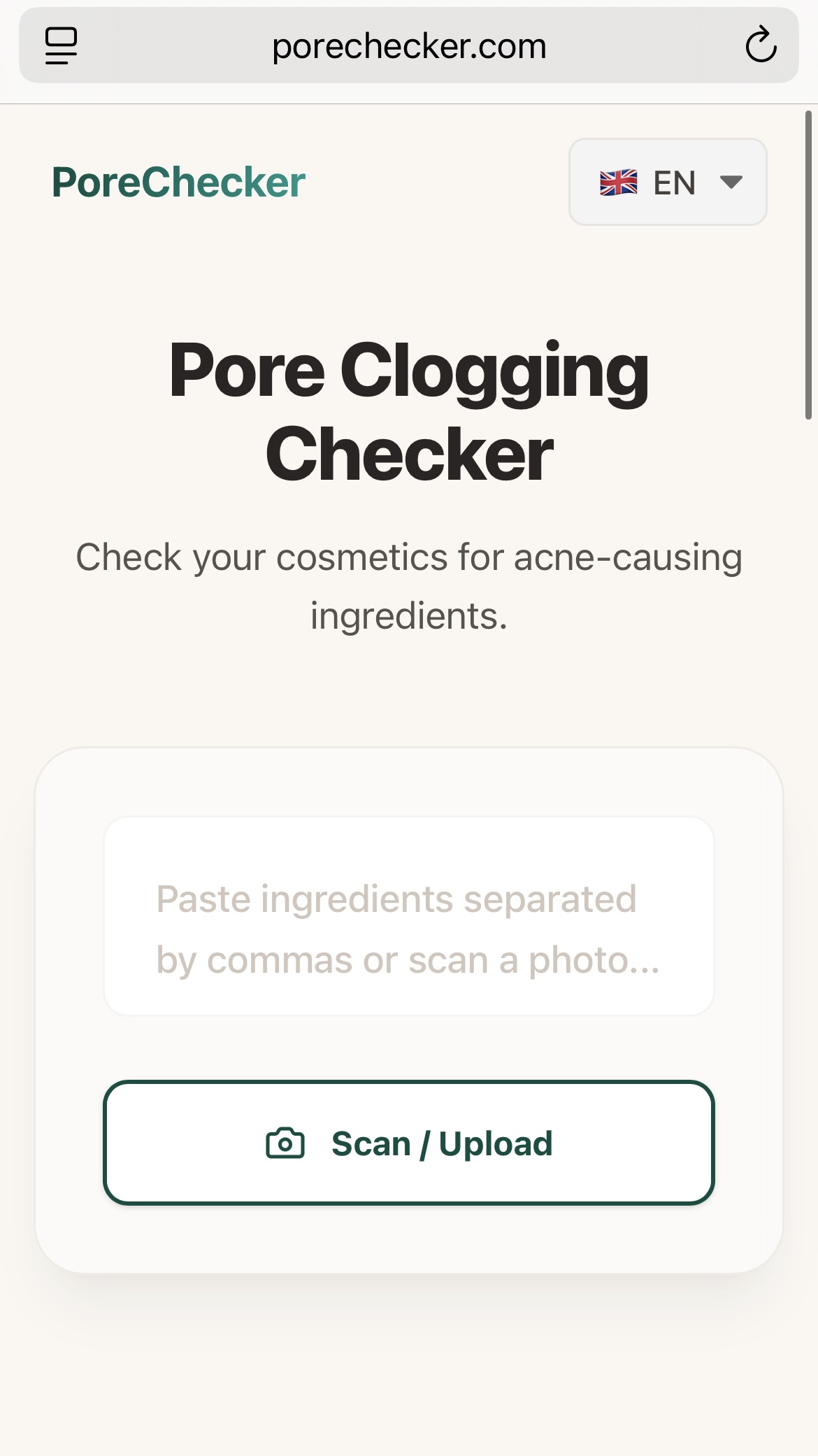
Step 1: Upload Your Product Image
Simply snap a photo of the ingredient list on the back of any bottle, jar, or box. No typing required.
Step 2: Instant AI Ingredient Analysis
Our advanced AI scans the image, performs OCR (Optical Character Recognition), and matches every ingredient against our curated database of comedogenic substances.

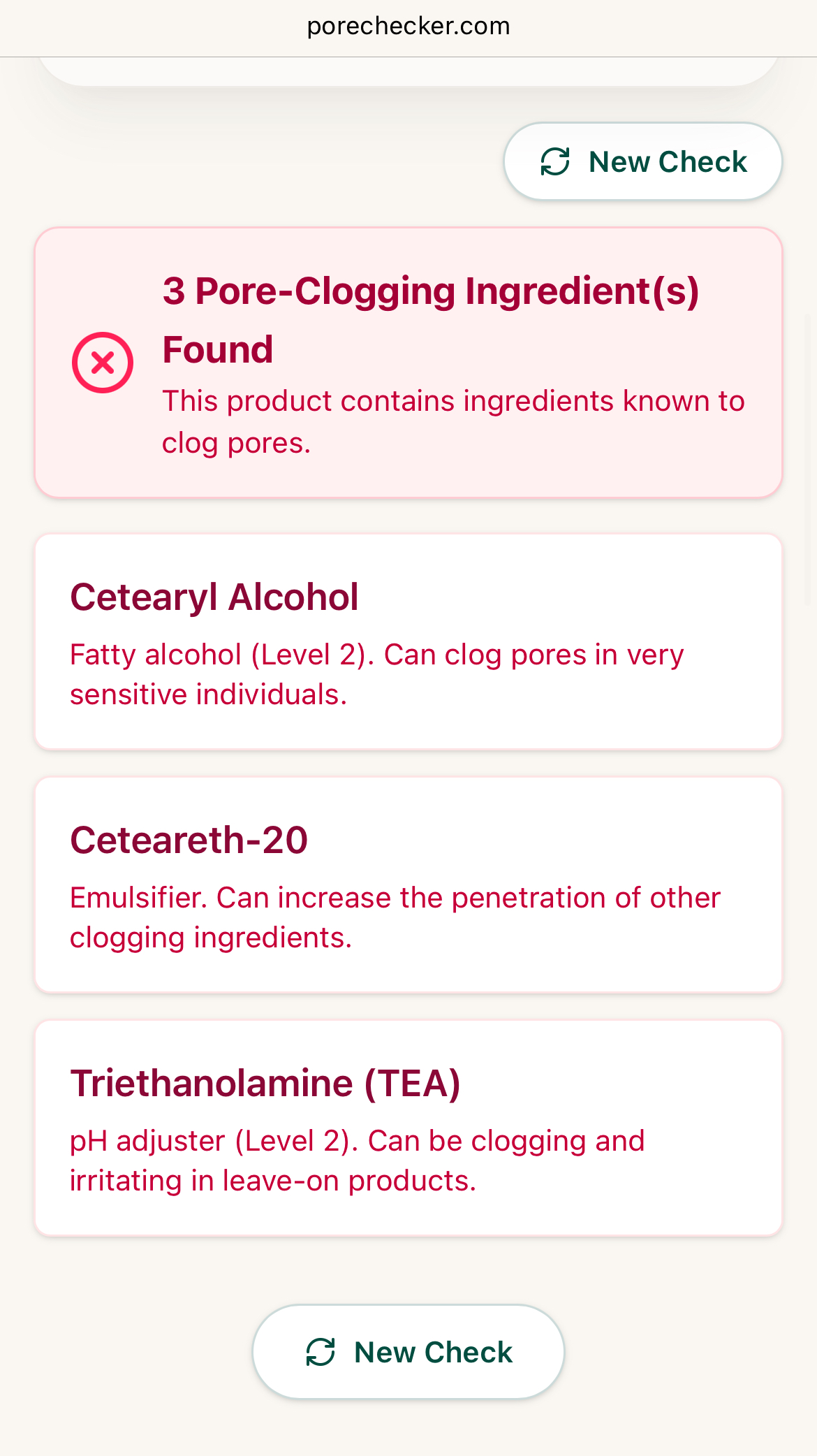
Step 3: Clear Results for Clearer Skin
You get an immediate breakdown. If any red-flag ingredients are found, we highlight them and explain why they might be problematic for your pores.
Does this product fit my skin's needs?
Check Your Products Now