Unlocking Radiance: Unveiling Para Que Sirve el Serum Facial & Maximizing Your Glow
Discover para que sirve el serum facial for radiant skin! Expert tips on choosing the right serum, its benefits, and how to maximize results. Avoid pore-cloggers.
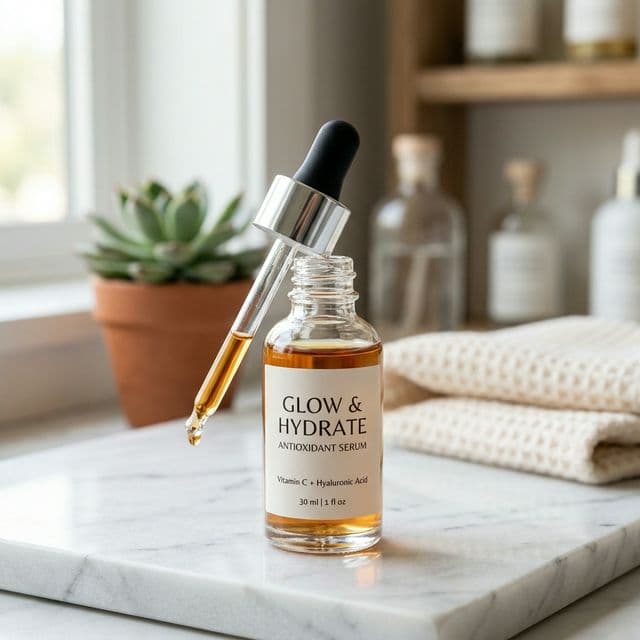
The world of skincare can feel overwhelming, a maze of products promising miracles. One step often highlighted is the use of facial serums. But what exactly is a serum, and, more importantly, *para que sirve el serum facial* (what is the facial serum for)? This article dives deep, offering science-backed insights into the benefits, uses, and how to choose the right serum to achieve your skincare goals. We’ll focus on how to achieve radiant skin using non-comedogenic ingredients, which are critical for preventing clogged pores and breakouts.
Choosing the right products is a vital component of any skincare journey. We'll explore the various types of serums available, from hydrating hyaluronic acid formulations to potent antioxidant serums featuring Vitamin C. Understanding the specific benefits each serum provides is key to creating an effective routine tailored to your skin's needs. Remember, the goal is always a healthy, radiant complexion, and that journey starts with informed choices.
The Multifaceted Benefits: Unpacking "Para Que Sirve el Serum Facial"
At its core, a facial serum is a concentrated skincare product designed to deliver active ingredients directly to the skin. Unlike moisturizers, which primarily focus on hydration, serums are formulated to address specific concerns. The question *para que sirve el serum facial* isn't a simple one-size-fits-all answer; the benefits are as varied as the ingredients themselves.
Hydration & Moisture Boost
Many serums, particularly those containing hyaluronic acid, excel at drawing moisture into the skin. This leads to a plumper, more hydrated appearance, reducing the visibility of fine lines and wrinkles. Remember, keeping your skin well-hydrated is crucial for overall skin health and function. Look for ingredients like glycerin and ceramides to support your skin's natural barrier.
Targeted Treatment: Addressing Specific Concerns
Serums are formulated to target a wide range of concerns. Antioxidant serums, often containing Vitamin C, can help to neutralize free radicals, protecting the skin from environmental damage. Retinol serums work to accelerate cell turnover, helping to diminish the appearance of wrinkles and improve skin texture. Serums with niacinamide can help reduce inflammation and minimize the appearance of pores.
Enhanced Absorption & Efficacy
The lightweight texture of serums allows for enhanced absorption of active ingredients. This means the beneficial components can penetrate deeper into the skin layers, delivering more significant results compared to heavier creams and lotions. Always apply your serum to clean, dry skin to maximize absorption.
Choosing the Right Serum for Your Skin
Selecting the ideal serum requires understanding your skin type and concerns. A dry or dehydrated skin will benefit immensely from a hydrating serum rich in hyaluronic acid. If you're tackling uneven skin tone or sun damage, a Vitamin C serum could be your new best friend. For those battling signs of aging, incorporating a retinol serum into your evening routine is often recommended. If you have sensitive skin, always patch-test new products and opt for gentle formulas free of harsh fragrances and dyes.
Decoding Ingredients: Avoiding Hidden Pore-Cloggers
One of the most crucial steps in serum selection is to review the ingredients list. Certain ingredients, especially oils and heavy emollients, can clog pores, leading to breakouts. Commonly found pore-cloggers include coconut oil, shea butter, and certain forms of mineral oil. Even some seemingly innocuous ingredients, like certain thickeners and emulsifiers, can be problematic for acne-prone skin. Always opt for non-comedogenic formulas to prevent pore blockages.
Application Techniques & Timing
Apply your serum to clean, dry skin after cleansing and before moisturizing. A few drops are usually sufficient. Gently pat the serum into your skin using your fingertips, allowing it to absorb fully before proceeding with the next step in your routine. Remember to consider timing; retinol serums are best used at night due to their sensitivity to sunlight, while antioxidant serums are often incorporated into your morning routine for protection against environmental aggressors.
Don't Let Your Products Ruin Your Progress
Now that you've discovered the benefits of serums and how to choose the right one for your skin, it’s essential to remember that even the best serum can be rendered ineffective or even harmful if paired with other products containing pore-clogging ingredients. The key is to examine the entire ingredient list of all your skincare products, not just your serum, and be mindful of what you're putting on your skin. That's why being diligent about avoiding comedogenic ingredients is so important. Luckily, there are resources available that can help you quickly assess the safety of your products.
Step 1: Upload Your Product Image
Simply snap a photo of the ingredient list on the back of any bottle, jar, or box. No typing required.

Step 2: Instant AI Ingredient Analysis
Our advanced AI scans the image, performs OCR (Optical Character Recognition), and matches every ingredient against our curated database of comedogenic substances.

Step 3: Clear Results for Clearer Skin
You get an immediate breakdown. If any red-flag ingredients are found, we highlight them and explain why they might be problematic for your pores.
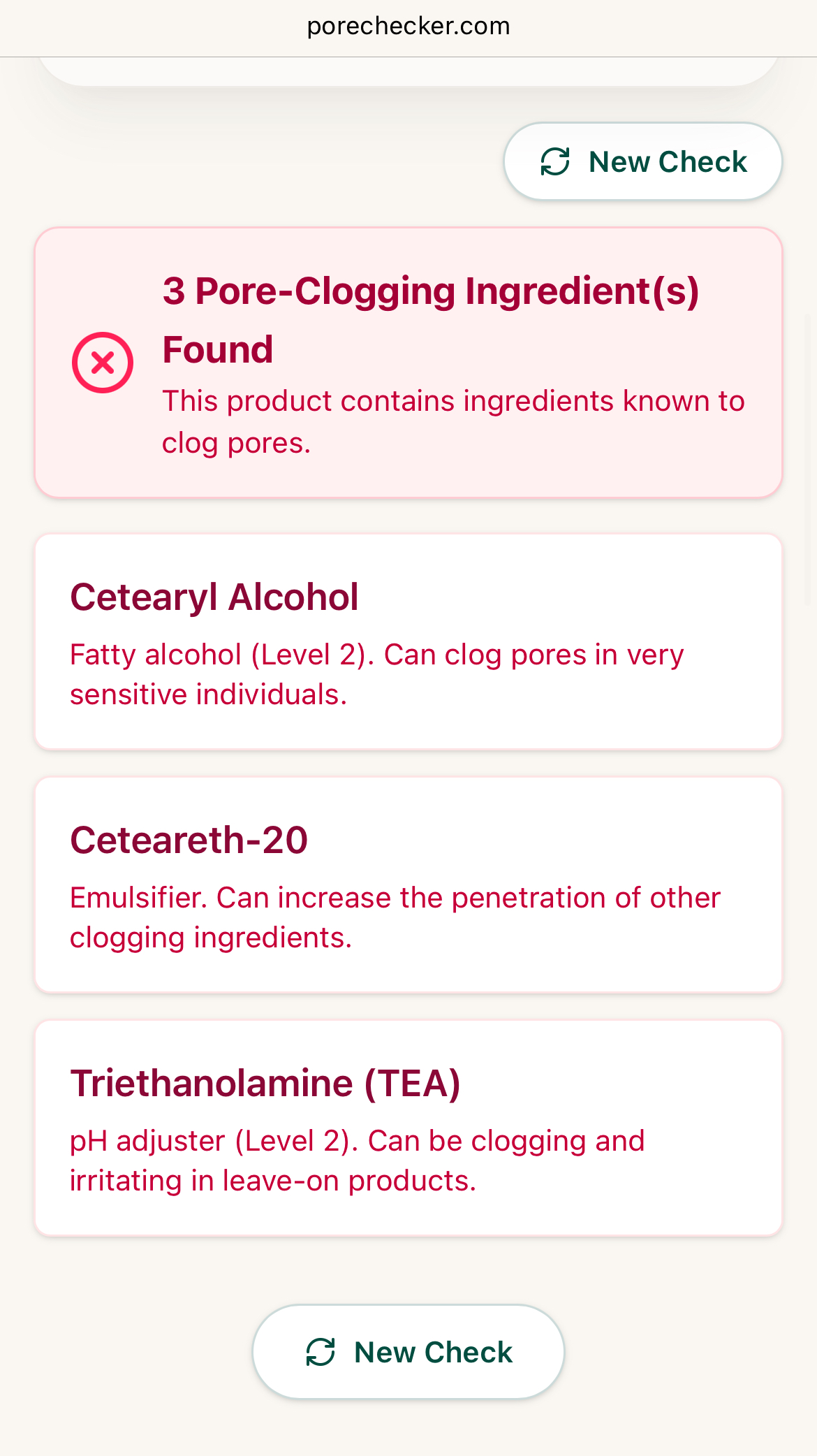
Does this product fit my skin's needs?
Check Your Products Now