Unlocking Radiant Skin: How to Use Vitamin C Serum on Face at Night
Discover how to use vitamin C serum on your face at night for optimal results. Learn application techniques, and crucial skincare tips for a radiant complexion.
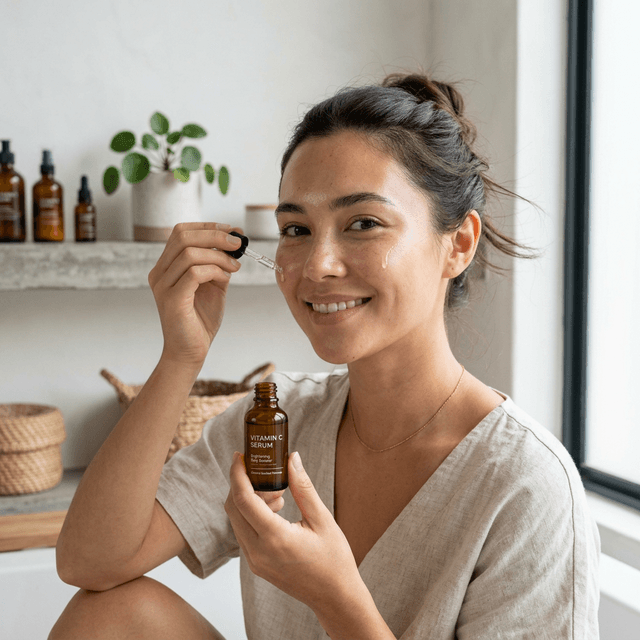
The pursuit of healthy, glowing skin often leads us to potent ingredients, and vitamin C serum is a star player. Its antioxidant properties make it a favorite for brightening, protecting against environmental damage, and promoting collagen production. While many integrate vitamin C into their morning routines, the evening offers a unique opportunity to harness its power. Let's delve into the science and the best practices for incorporating vitamin C serum into your nighttime skincare regimen, with a focus on non-comedogenic care.
Understanding how and when to apply this powerhouse ingredient is key to unlocking its full potential. The evening application presents a chance for the vitamin C to work its magic while your skin is in repair mode, free from the day's stressors. We'll explore the ideal routine, potential interactions, and essential considerations to ensure you're maximizing the benefits of vitamin C without inadvertently causing irritation or breakouts.
A crucial component of any effective skincare routine is choosing products that won't clog pores. "Non-comedogenic" means a product is formulated to avoid blocking pores, reducing the likelihood of breakouts. Pay close attention to this, especially if you have acne-prone skin. Ingredients like mineral oil, certain silicones, and some heavy emollients can be culprits. Opting for non-comedogenic formulations helps you reap the benefits of vitamin C while minimizing the risk of unwanted blemishes.
The Science Behind Nighttime Vitamin C Application
During the night, our skin undergoes a natural repair process. Cellular turnover increases, and the skin works to regenerate itself. Applying vitamin C serum at night leverages this process. Vitamin C is a powerful antioxidant that helps neutralize free radicals that can damage skin cells. At night, with reduced exposure to sunlight, the serum can focus on repairing and rejuvenating without the constant barrage of environmental stressors.
Maximizing Absorption
For optimal absorption, it's essential to prep the skin properly. After cleansing, apply the serum to clean, dry skin. The absence of other products at this stage allows the vitamin C to penetrate effectively. Avoid layering too many products at once, as this can dilute the serum's potency and hinder its absorption. The serum should be applied before heavier moisturizers, allowing it to work directly on the skin's surface.
The Application Technique
Dispense a few drops of vitamin C serum onto your fingertips. Gently pat the serum onto your face and neck, avoiding the eye area. Allow the serum to absorb fully before applying any other products. If you experience any irritation, consider starting with a lower concentration of vitamin C or applying it less frequently, like every other night. Always pay attention to how your skin responds.
Building Your Evening Skincare Routine
A well-structured nighttime routine supports the effectiveness of your vitamin C serum. It begins with a gentle cleanser to remove makeup, dirt, and oil. Follow with a toner, if you use one, that helps balance the skin's pH. After the vitamin C serum has absorbed, you can layer on a hydrating moisturizer to lock in moisture and further support the skin's barrier function. Always consider the non-comedogenic status of each product.
Product Compatibility
While vitamin C plays well with many ingredients, it can sometimes interact with others. Avoid using vitamin C serum simultaneously with benzoyl peroxide, as it can oxidize the vitamin C and render it less effective. Retinoids can also cause irritation when used with vitamin C, so it's often best to alternate their use, using vitamin C in the morning and retinoids at night. Always patch test new products to gauge your skin's tolerance.
Choosing the Right Vitamin C Serum
The form of vitamin C used in the serum matters. Look for serums containing L-ascorbic acid, the most potent form, typically in a concentration of 10-20%. Be aware of the serum's formulation; a good serum will be packaged in an opaque, airtight container to protect the vitamin C from light and air, which can degrade its effectiveness. Check the expiration date and store it properly in a cool, dark place to maintain its potency.
Don't Let Your Products Ruin Your Progress
We've talked about the right timing, the proper techniques, and even the best formulations to get the most out of your vitamin C serum at night. But all of this effort can be undone if you're not also mindful of the other products you're using. Many skincare products contain hidden pore-cloggers, ingredients that, while seemingly harmless, can lead to breakouts and dull your complexion, negating all the work you've done to boost your glow. Checking the ingredients list of everything you apply, from your cleanser to your moisturizer, is crucial to ensuring your routine is truly working for you. A product checker tool can be a powerful ally in identifying potential pore-clogging offenders, allowing you to build a skincare regimen that is not only effective but also customized to your specific skin needs.
Step 1: Upload Your Product Image
Simply snap a photo of the ingredient list on the back of any bottle, jar, or box. No typing required.

Step 2: Instant AI Ingredient Analysis
Our advanced AI scans the image, performs OCR (Optical Character Recognition), and matches every ingredient against our curated database of comedogenic substances.

Step 3: Clear Results for Clearer Skin
You get an immediate breakdown. If any red-flag ingredients are found, we highlight them and explain why they might be problematic for your pores.
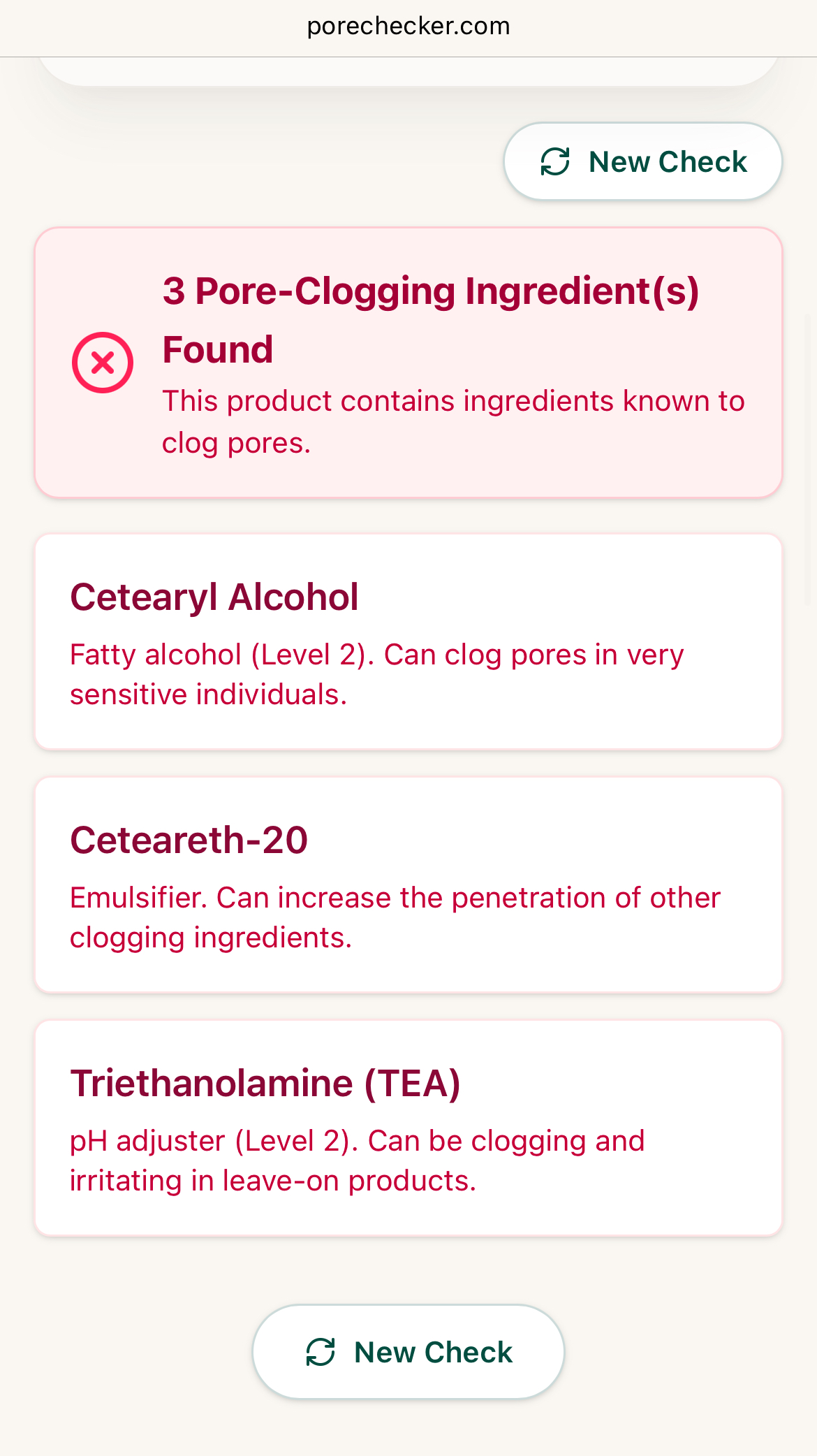
Does this product fit my skin's needs?
Check Your Products Now