Unlocking Radiant Skin: The Right Way How To Apply Serum On Face
Learn the best way how to apply serum on face for maximum absorption and results. Discover expert tips for radiant, healthy skin. Avoid common mistakes!

As a dermatologist, I'm often asked about the best skincare practices. One of the most common questions revolves around serums: What are they, and how do you use them? Serums are potent, concentrated formulas designed to target specific skin concerns, from fine lines to hyperpigmentation. Understanding how to apply serum on face correctly is crucial to unlock their full potential and achieve the glowing complexion you desire.
This guide will walk you through the proper techniques, emphasizing the importance of non-comedogenic ingredients. Choosing the right products and applying them correctly is a cornerstone of effective skincare. We'll explore the step-by-step process, debunk common myths, and highlight crucial factors for maximizing serum effectiveness. Remember, healthy, radiant skin starts with a foundation of informed care, with a keen eye for pore-clogging offenders.
The Serum Spectrum: What's Right For You?
Before diving into application, let's briefly touch on serum selection. Serums come in various formulations, each targeting different needs. Hyaluronic acid serums provide intense hydration, while Vitamin C serums offer antioxidant protection and brighten skin. Retinol serums address fine lines and wrinkles. Understanding your skin type and concerns is the first step in choosing the right serum. Always patch-test new products to check for sensitivity, and remember that less is often more, particularly when starting a new routine. When in doubt, consult a dermatologist for personalized recommendations.
Common Serum Ingredients and Their Benefits
Knowing your ingredients helps you navigate the crowded skincare market. Here’s a quick rundown of some key players:
- Hyaluronic Acid: A humectant that draws moisture into the skin, plumping and hydrating.
- Vitamin C: An antioxidant that brightens, protects against environmental damage, and boosts collagen production.
- Retinol: A derivative of Vitamin A that promotes cell turnover, reducing wrinkles and acne. Start slowly to avoid irritation.
- Niacinamide: Reduces inflammation, minimizes pores, and improves skin barrier function.
Step-by-Step: How to Apply Serum On Face Effectively
The order of application matters. Following these steps ensures your serum is absorbed effectively and works its magic. Remember, consistency is key; incorporating serum into your daily routine can yield visible improvements over time.
Step 1: Cleanse Your Skin
Begin with a gentle cleanser suitable for your skin type. Removing dirt, oil, and makeup allows the serum to penetrate more effectively. Ensure your skin is damp, as this aids absorption.
Step 2: Tone (Optional)
If you use a toner, apply it after cleansing. This helps balance the skin's pH, prepping it for the serum. Allow the toner to absorb before moving on.
Step 3: Apply the Serum
Dispense a small amount of serum (usually a pea-sized amount or a few drops) onto your fingertips. Gently pat the serum onto your face, neck, and décolletage, avoiding harsh rubbing. Start with the areas of greatest concern and spread outwards.
Step 4: Wait for Absorption
Allow the serum to absorb for a minute or two before applying the next product. This gives the serum time to fully penetrate the skin.
Step 5: Moisturize
Follow the serum with a moisturizer appropriate for your skin type. Moisturizers create a barrier that helps lock in the serum and provides additional hydration. During the day, always finish with a broad-spectrum sunscreen with an SPF of 30 or higher.
Avoiding Common Mistakes
Even with the best intentions, it's easy to fall into skincare traps. Here are some common pitfalls and how to avoid them:
Applying Too Much Serum
More isn't always better. Overusing serum can lead to irritation and waste product. Stick to the recommended amount.
Rubbing Instead of Patting
Aggressive rubbing can pull and irritate the skin. Gentle patting helps with absorption and minimizes irritation.
Ignoring the Neck and Décolletage
These areas are often neglected but show the signs of aging. Extend your serum application to these areas for comprehensive care.
Using the Wrong Products Together
Certain ingredients don’t mix well. For example, avoid using Vitamin C with benzoyl peroxide, as it can oxidize the Vitamin C. Research product compatibility, or consult a dermatologist.
Don't Let Your Products Ruin Your Progress
Now that you know the best way how to apply serum on face, remember that the products themselves are critical to success. Even with perfect application, a serum packed with pore-clogging ingredients can undermine all your efforts, leading to breakouts and frustrating results. Ingredients like coconut oil, isopropyl myristate, and certain silicones are notorious for clogging pores. This is why it’s essential to be a savvy consumer and regularly check the ingredient lists of all your skincare products.
Step 1: Upload Your Product Image
Simply snap a photo of the ingredient list on the back of any bottle, jar, or box. No typing required.

Step 2: Instant AI Ingredient Analysis
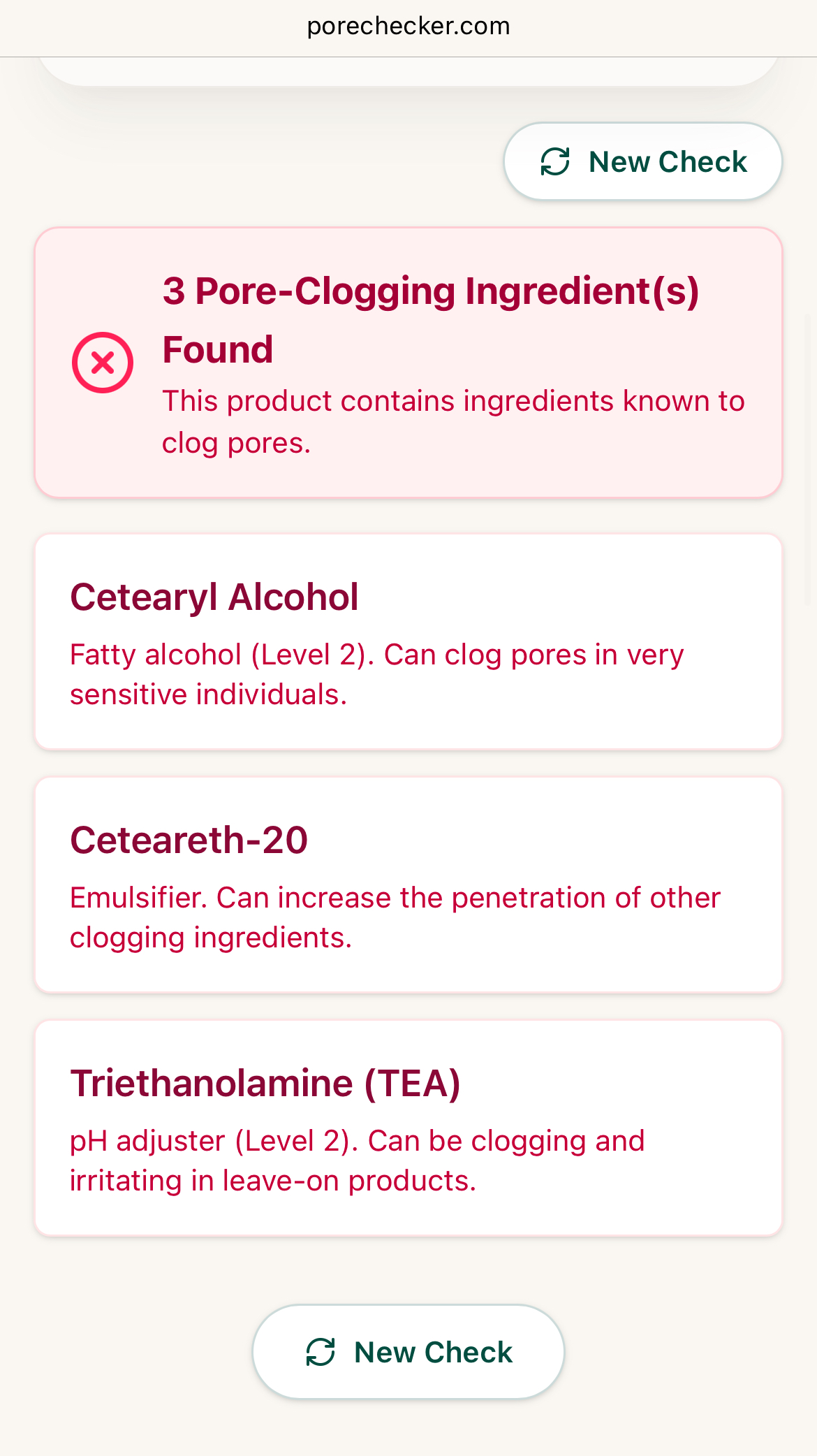
Our advanced AI scans the image, performs OCR (Optical Character Recognition), and matches every ingredient against our curated database of comedogenic substances.

Step 3: Clear Results for Clearer Skin
You get an immediate breakdown. If any red-flag ingredients are found, we highlight them and explain why they might be problematic for your pores.
Does this product fit my skin's needs?
Check Your Products Now