Unlocking Smooth Skin: How to Reduce Pores on Face and Achieve a Flawless Complexion
Learn how to reduce pores on face with expert skincare tips. Discover effective treatments, identify pore-clogging culprits, and achieve a smoother complexion.

The quest for smooth, flawless skin often leads us down the path of tackling enlarged pores. While pore size is largely determined by genetics, and they don't "open and close" in the way many believe, their appearance can certainly be minimized. The key lies in understanding the factors that contribute to their prominence and adopting a skincare routine that addresses them effectively. This journey focuses on how to reduce pores on face, helping you achieve a complexion that feels and looks its best.
A crucial first step is to prioritize non-comedogenic products. These are specifically formulated to avoid clogging pores, which can exacerbate their appearance. Think of your skin as a delicate ecosystem; the products you use should nourish and support it, not introduce irritants or congestion. Consistency and patience are your allies, as visible results take time and diligence.
Understanding the Root Causes of Enlarged Pores
Before we dive into solutions, let's explore why pores appear more prominent. Several factors contribute to this. Excess sebum production, often influenced by genetics, hormones, and environmental factors, can stretch pores. Loss of collagen and elastin, which naturally happens with age, can also cause the skin around pores to sag, making them look larger. Sun damage accelerates this process, further impacting skin texture. Understanding these causes allows us to target our efforts more effectively.
Sebum and the Skin's Oil Balance
One of the primary culprits behind enlarged pores is excess sebum production. When the skin produces too much oil, it mixes with dead skin cells and other debris, clogging pores. This trapped mixture expands the pore, making it more visible. Regular, gentle exfoliation is key to managing this, removing the build-up that contributes to the problem. Products containing ingredients like salicylic acid can be particularly effective because they penetrate pores to dissolve oil and debris.
The Role of Collagen and Skin Elasticity
As we age, our skin's production of collagen and elastin decreases. These proteins provide structural support and elasticity. Loss of these leads to the skin around the pores losing firmness, causing pores to appear larger. The good news is that you can stimulate collagen production. Ingredients like retinoids can boost collagen synthesis and improve skin texture, reducing pore visibility. Protecting your skin from sun damage is also critical, as UV rays break down collagen.
Effective Strategies: How to Reduce Pores on Face
Cleansing and Exfoliation: Your Daily Routine
A consistent and well-rounded skincare routine is vital for minimizing pore appearance. Start with a gentle, non-comedogenic cleanser to remove impurities without stripping the skin of its natural oils. Follow this with exfoliation, either physical (scrubs with fine particles) or chemical (AHAs/BHAs). Exfoliation removes dead skin cells, preventing them from mixing with sebum and clogging pores. Be mindful not to over-exfoliate, as this can lead to irritation and inflammation, which can worsen pore appearance.
Targeted Treatments: Serums and Masks
Incorporate serums and masks into your routine. Serums containing ingredients like niacinamide can help regulate oil production and minimize pore size. Retinoids, as mentioned earlier, can stimulate collagen production. Clay masks, used once or twice a week, can absorb excess oil and purify pores. Look for products designed for your specific skin type and always introduce new products gradually to assess how your skin reacts.
Sun Protection and Lifestyle Adjustments
Daily sunscreen application is non-negotiable. Sun damage accelerates collagen breakdown, which makes pores appear larger. Choose a broad-spectrum sunscreen with an SPF of 30 or higher and apply it every morning, even on cloudy days. Beyond skincare, maintaining a healthy lifestyle, including a balanced diet and adequate hydration, supports overall skin health and can indirectly improve the appearance of pores.
Hidden Pore Cloggers to Watch Out For
Beyond the obvious culprits, several ingredients commonly found in skincare products can contribute to clogged pores. These "hidden" pore-cloggers are often overlooked. Some oils, even natural ones, can be comedogenic, meaning they can block pores. Similarly, certain thickeners, emulsifiers, and fragrances can cause issues. Always read the ingredient list carefully, and look for products labeled "non-comedogenic."
Common Ingredients to Avoid
Some ingredients known to be potentially comedogenic include coconut oil, cocoa butter, and certain synthetic fragrances. Look out for ingredients like isopropyl myristate and sodium lauryl sulfate, as they can also contribute to pore blockages. Be cautious about products that contain a high concentration of any single oil or emollient, especially if you have oily or acne-prone skin. It's often a matter of trial and error to identify what your skin tolerates.
The Importance of Patch Testing
Before fully incorporating a new product into your routine, always perform a patch test. Apply a small amount to a discreet area, such as behind your ear or on your inner arm, and observe for any adverse reactions, such as redness, irritation, or breakouts, over 24-48 hours. This simple step can save you from a major skincare mishap.
Don't Let Your Products Ruin Your Progress
Achieving the smooth, pore-minimized skin you desire requires diligence not only in your routine but also in the products you choose. Even the most effective treatments can be sabotaged by hidden pore-clogging ingredients. Carefully examining the ingredient lists of your skincare products is crucial to avoid those silent pore-clogging culprits. This is where it becomes helpful to verify the ingredients in your chosen products using a reliable and easily accessible online tool that identifies potential pore-clogging ingredients.
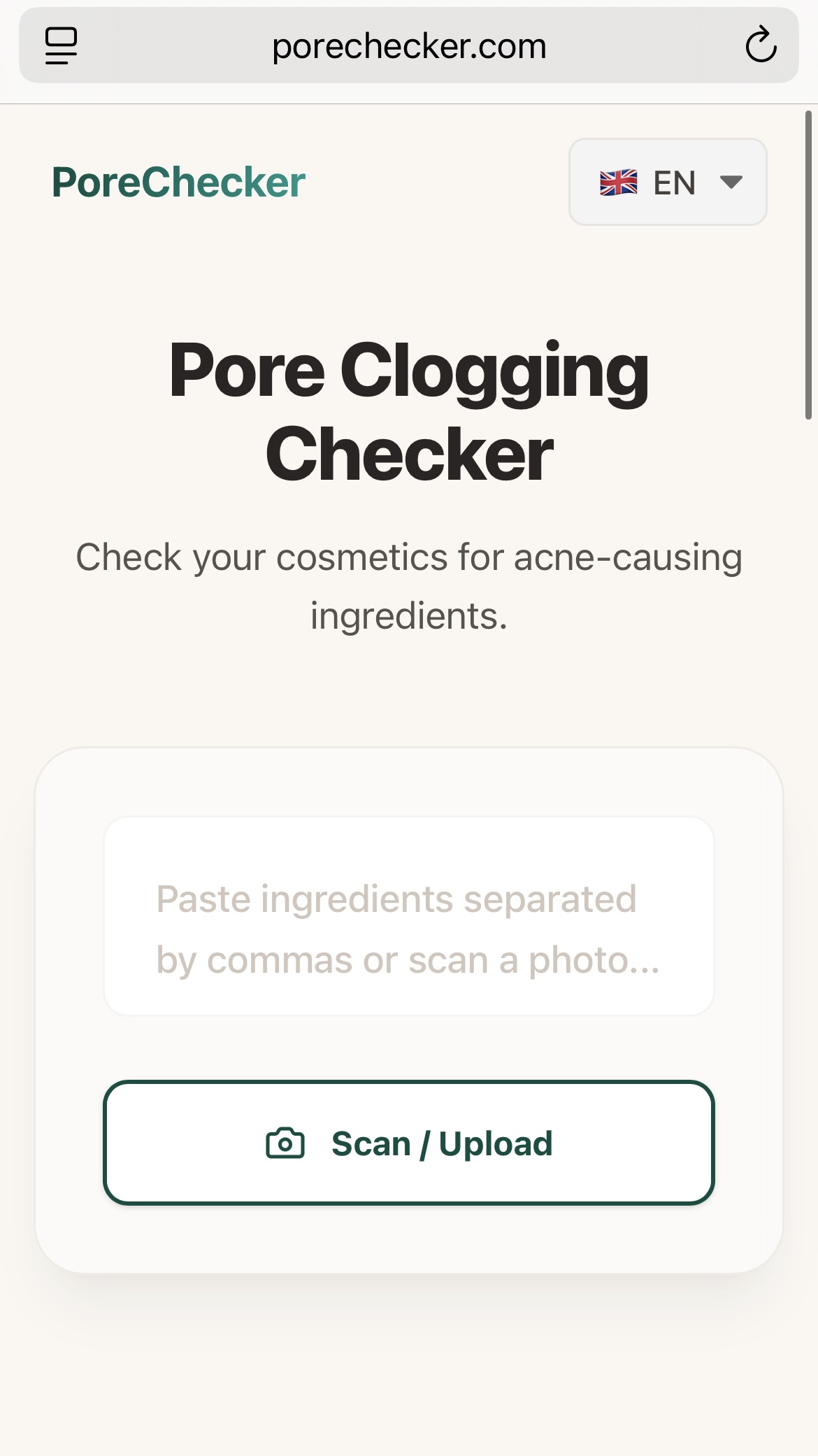
Step 1: Upload Your Product Image
Simply snap a photo of the ingredient list on the back of any bottle, jar, or box. No typing required.
Step 2: Instant AI Ingredient Analysis
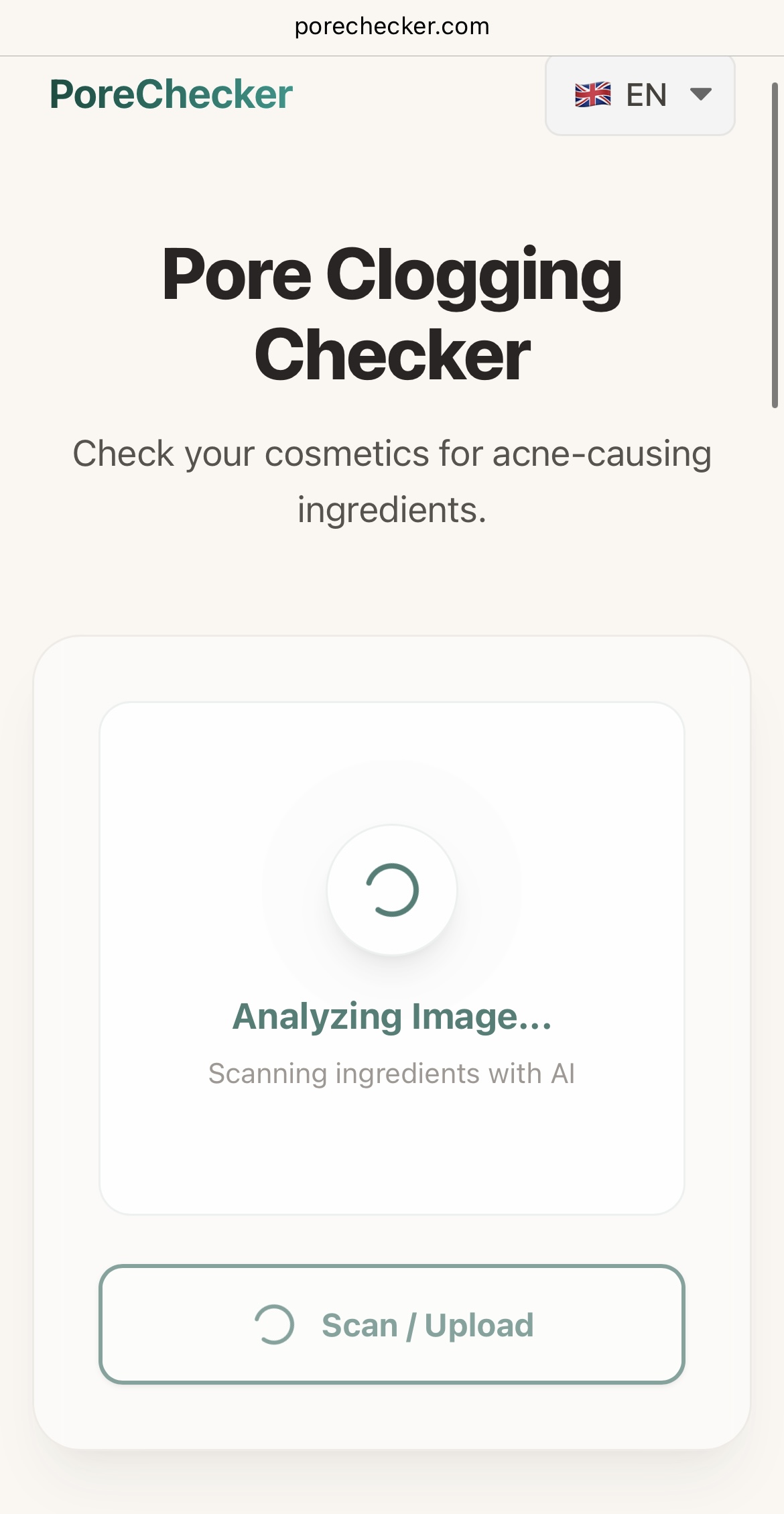
Our advanced AI scans the image, performs OCR (Optical Character Recognition), and matches every ingredient against our curated database of comedogenic substances.
Step 3: Clear Results for Clearer Skin
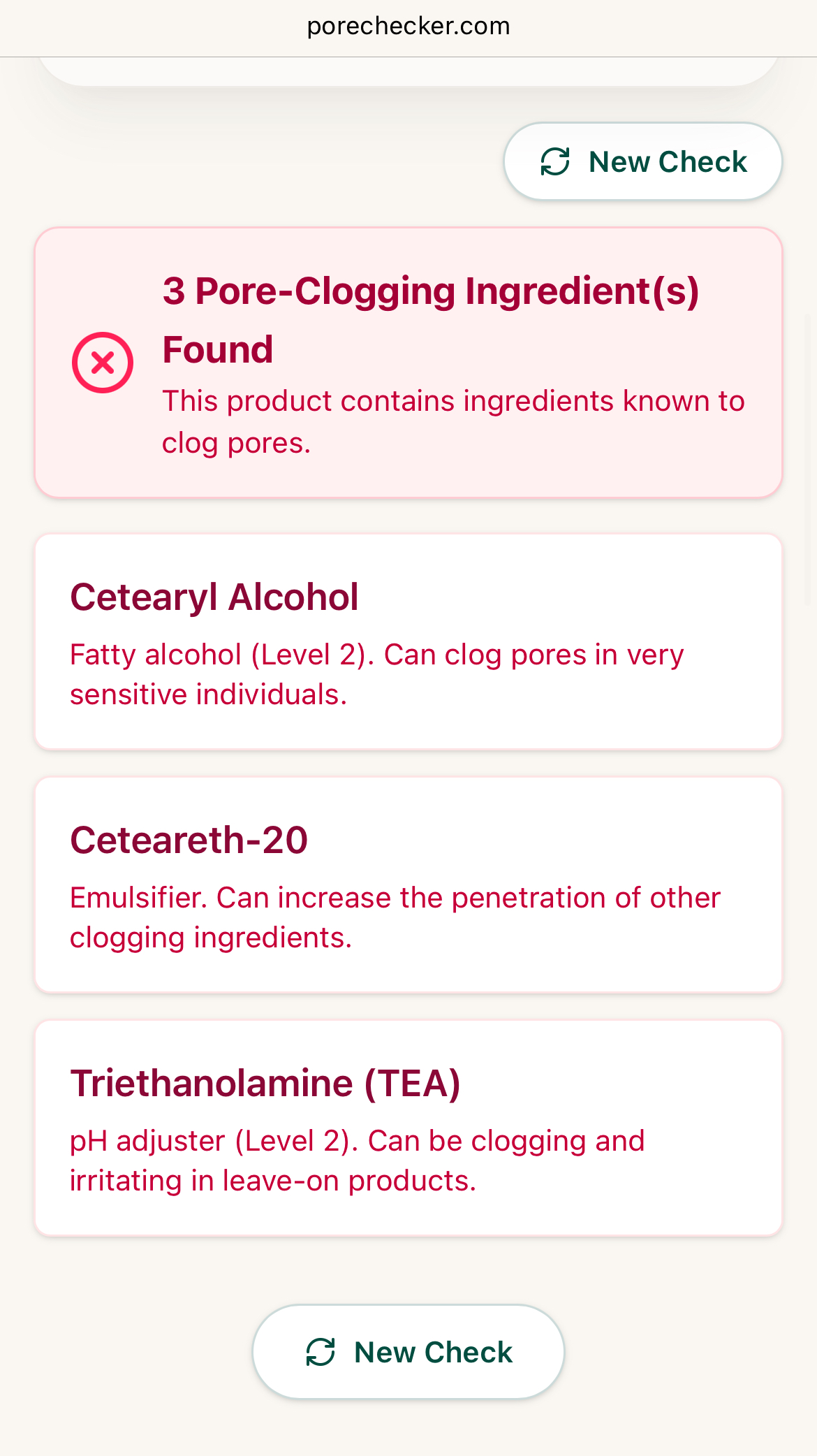
You get an immediate breakdown. If any red-flag ingredients are found, we highlight them and explain why they might be problematic for your pores.
Does this product fit my skin's needs?
Check Your Products Now