Unraveling Acne: Does Glycolic Acid Help With Acne?
Discover if glycolic acid is effective for acne. Learn how it works & if it suits your skin. Expert advice on skincare routines & avoiding pore-clogging ingredients.
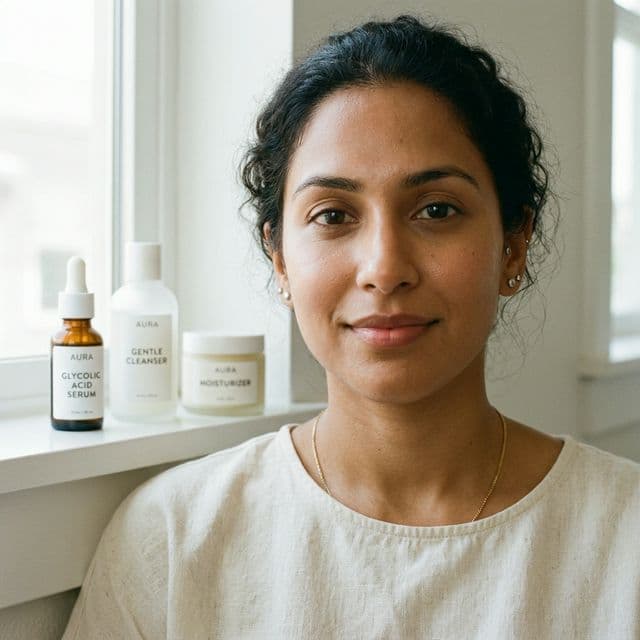
Acne. It's a battle many of us face, a frustrating skin condition that can significantly impact confidence. From the occasional blemish to persistent breakouts, the search for effective treatments is often relentless. Understanding the science behind these treatments is the key to navigating the complex world of skincare, and when we ask "does glycolic acid help with acne?", we're on the right track towards that understanding. It’s also important to remember that true acne solutions often hinge on non-comedogenic practices, meaning you have to find products that won't clog your pores, as that can be as detrimental as not treating your skin at all.
This article will dissect the role of glycolic acid in acne treatment, exploring its mechanisms, benefits, and how to integrate it safely into your routine. We will also address the potential side effects and, importantly, what types of acne it’s most suitable for. Knowledge is power when it comes to skincare, and our goal is to empower you with the information you need to make informed choices for your skin's health. We aim to clarify, so that you can create your own best skincare practices.
Glycolic Acid: The Acne Fighter's Ally?
Glycolic acid, an alpha-hydroxy acid (AHA) derived from sugarcane, is renowned in dermatology for its exfoliating properties. It works by gently dissolving the bonds that hold dead skin cells together, allowing them to slough off more easily. This process, known as exfoliation, is crucial in the fight against acne because it helps to unclog pores, reduce inflammation, and improve skin texture. But how exactly does this translate into action when we're trying to figure out "does glycolic acid help with acne?"
How Glycolic Acid Works on Acne
The beauty of glycolic acid lies in its multi-faceted approach to acne treatment. Its exfoliating action prevents the buildup of dead skin cells and sebum within pores, which is a primary cause of comedones (blackheads and whiteheads). Additionally, glycolic acid possesses anti-inflammatory properties that can reduce the redness and swelling associated with acne lesions. Over time, it can also stimulate collagen production, leading to improved skin texture and a reduction in acne scars.
Types of Acne That Benefit Most
Glycolic acid is particularly effective for mild to moderate acne, including comedonal acne (blackheads and whiteheads) and some inflammatory acne (papules and pustules). It's also beneficial for improving skin texture and reducing post-inflammatory hyperpigmentation (PIH), the dark spots that often remain after acne heals. However, for severe, cystic acne, glycolic acid may not be sufficient on its own, and a more comprehensive treatment plan, often involving prescription medications, is necessary.
Integrating Glycolic Acid into Your Routine
Incorporating glycolic acid into your skincare regimen requires a careful approach to avoid irritation. Start slowly, perhaps using a product containing a low concentration of glycolic acid (e.g., 5-10%) once or twice a week. Gradually increase the frequency as your skin tolerates it. Always follow with a broad-spectrum sunscreen during the day, as AHAs can increase your skin's sensitivity to the sun. Consistency and patience are key when using glycolic acid; it may take several weeks or even months to see significant results.
Important Considerations
Not everyone's skin will respond the same way to glycolic acid. Some individuals may experience initial irritation, redness, or peeling. If this occurs, reduce the frequency of use or discontinue use and consult with a dermatologist. It's also important to avoid using multiple exfoliating products simultaneously, as this can over-exfoliate your skin and compromise its barrier function. If you have sensitive skin or other underlying skin conditions, seek the advice of a dermatologist before incorporating glycolic acid into your routine.
Don't Let Your Products Ruin Your Progress
While glycolic acid can work wonders in addressing acne, its effectiveness can be easily undermined by other products you're using. Many skincare products, even those marketed as "acne-fighting," contain pore-clogging ingredients that can exacerbate breakouts and negate the benefits of glycolic acid. Ingredients such as certain oils, silicones, and thick emollients are common culprits. Therefore, understanding ingredient lists and what might be lurking in your current routine is crucial to ensuring you are actually giving your skin the best chance to improve. It's time to evaluate the products you're using. Are they truly working with you, or against you?
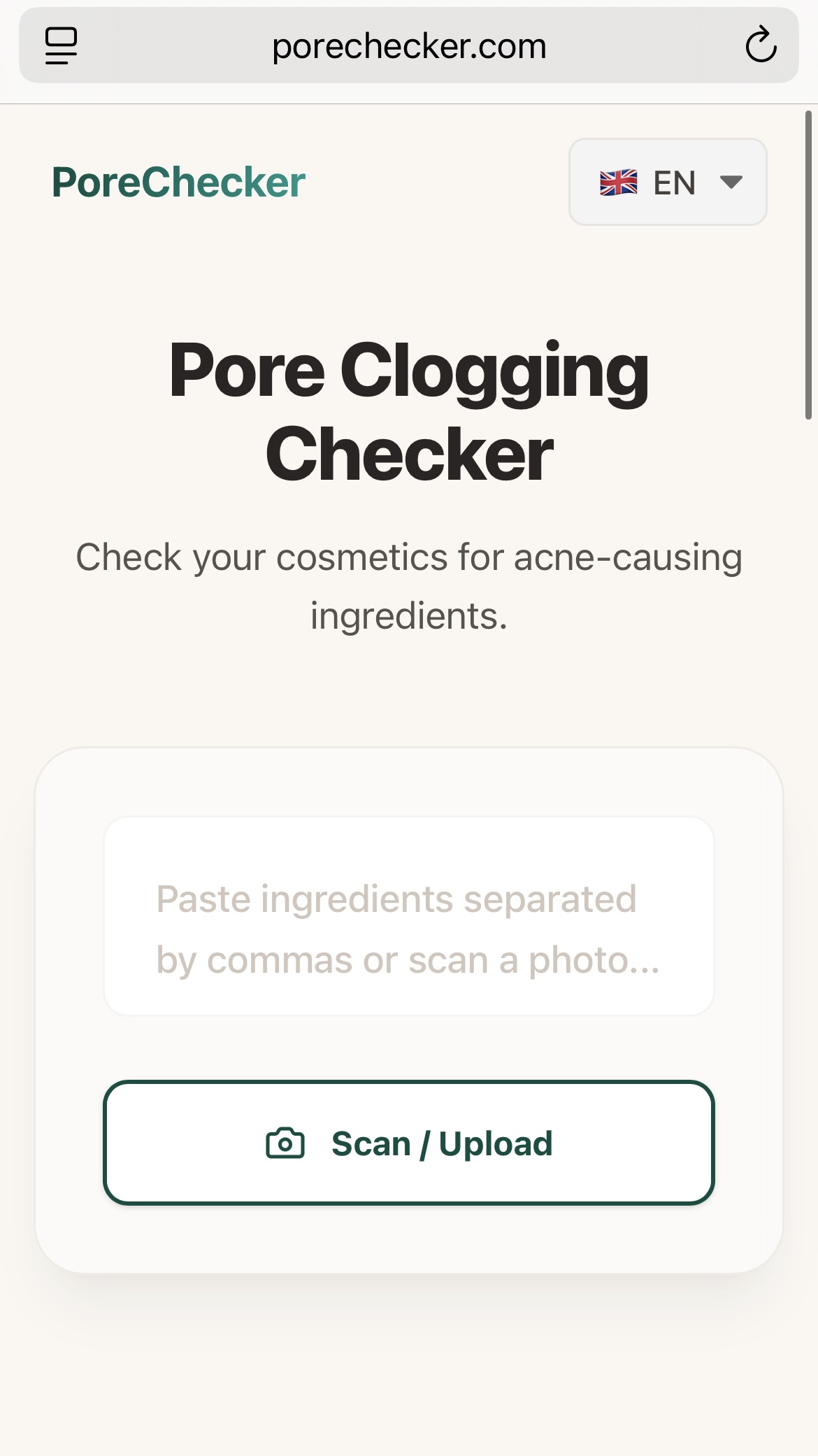
Step 1: Upload Your Product Image
Simply snap a photo of the ingredient list on the back of any bottle, jar, or box. No typing required.
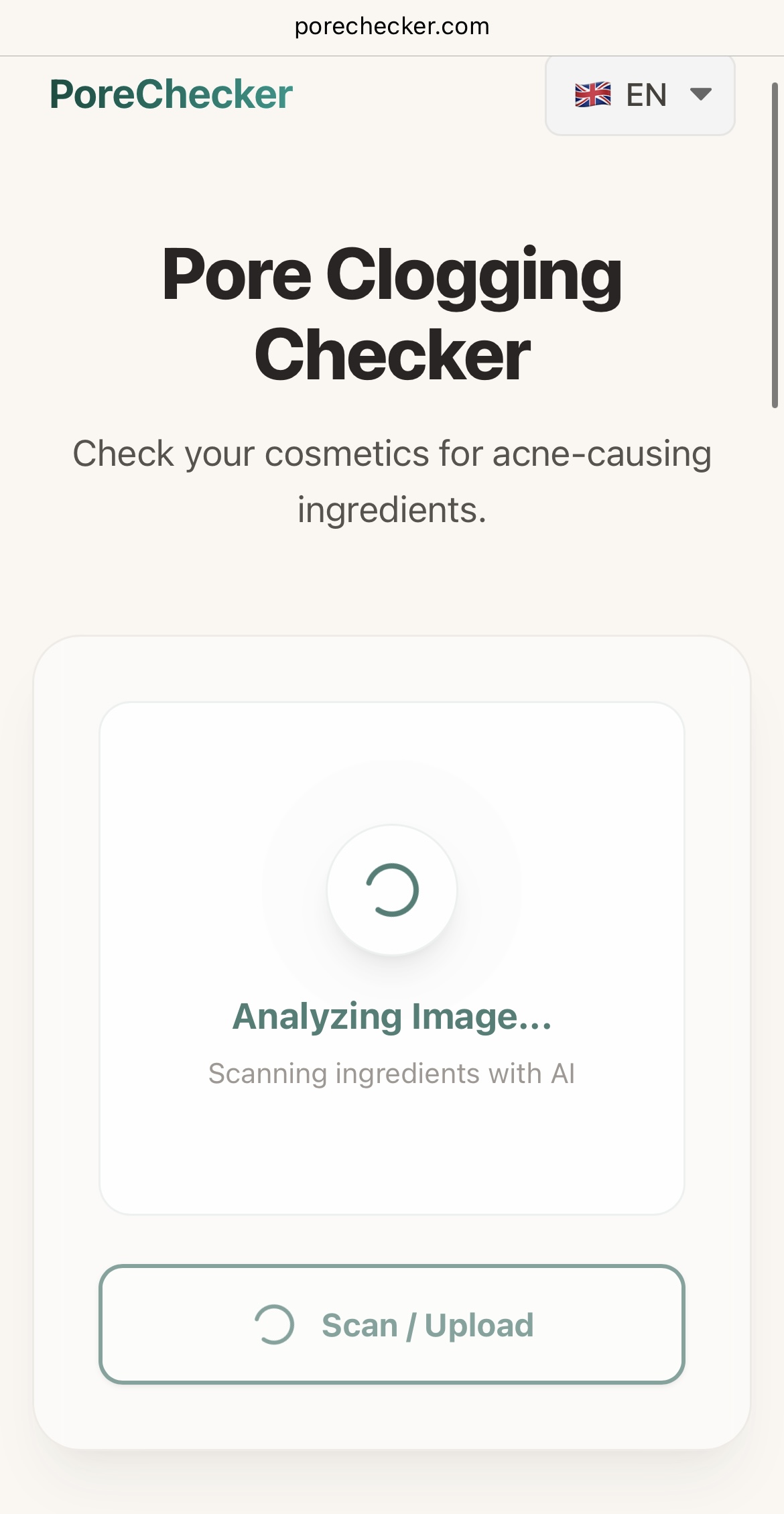
Step 2: Instant AI Ingredient Analysis
Our advanced AI scans the image, performs OCR (Optical Character Recognition), and matches every ingredient against our curated database of comedogenic substances.
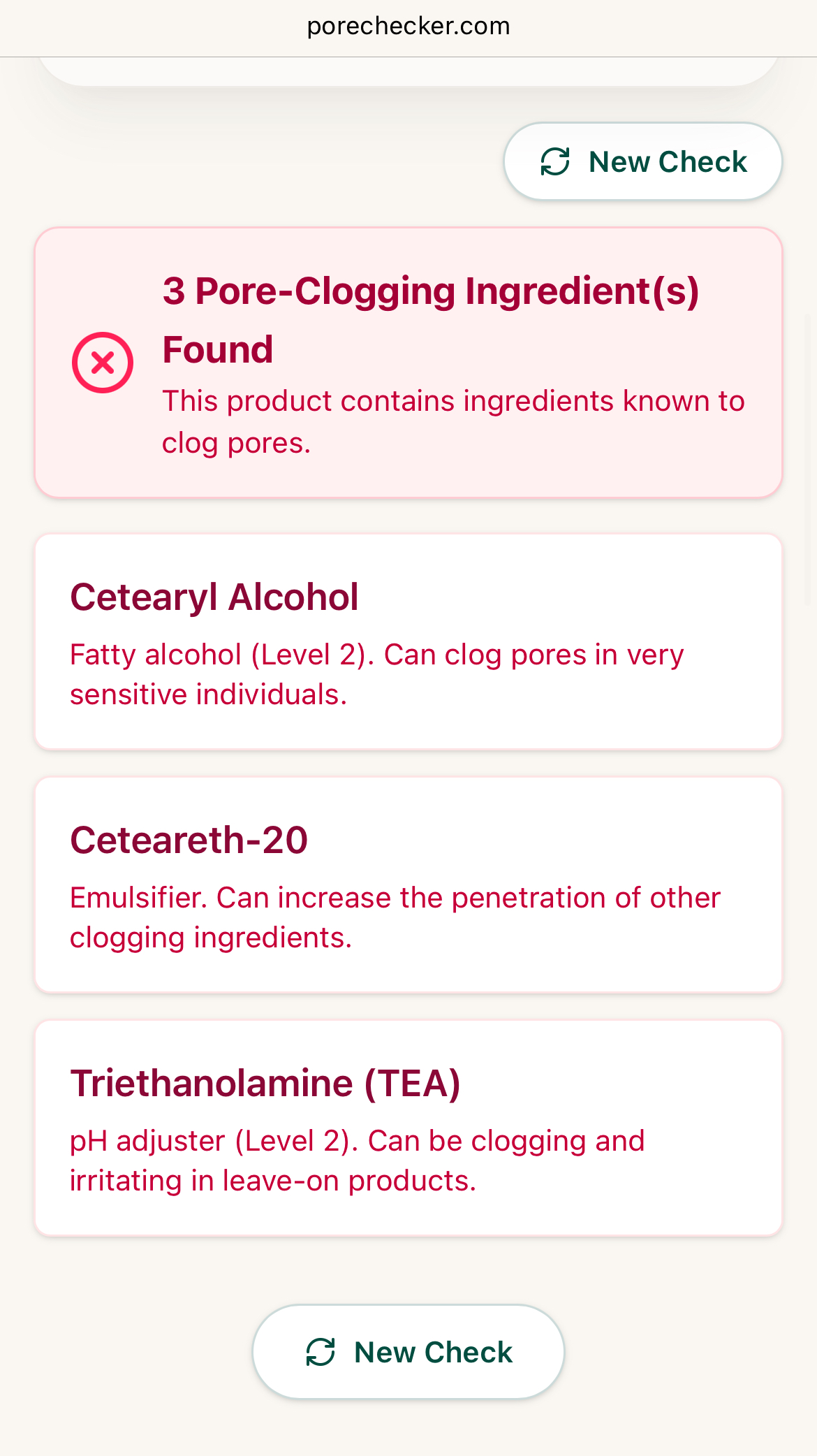
Step 3: Clear Results for Clearer Skin
You get an immediate breakdown. If any red-flag ingredients are found, we highlight them and explain why they might be problematic for your pores.
Does this product fit my skin's needs?
Check Your Products Now