Unveiling Radiance: How to Get Rid of Acne Marks and Achieve Smooth Skin
Struggling with acne scars? Learn effective strategies and expert-backed skincare routines to reduce acne marks and reveal a smoother complexion.
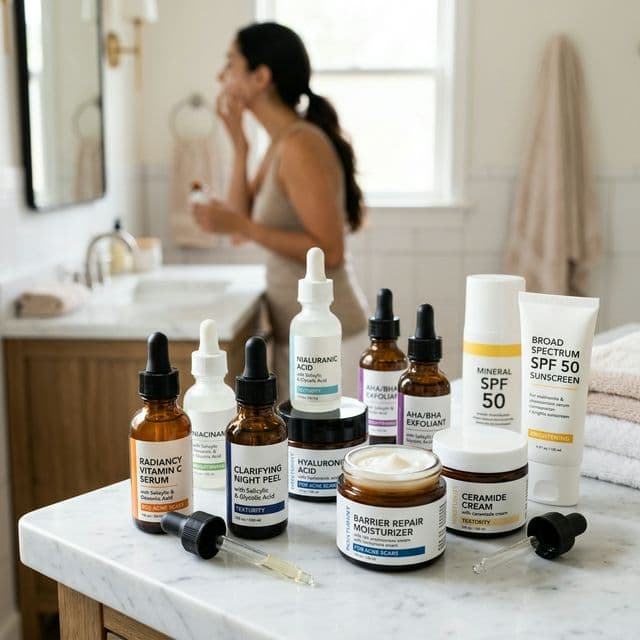
The aftermath of a breakout can be as frustrating as the acne itself. Those lingering red or dark marks, often referred to as post-inflammatory hyperpigmentation (PIH) or acne scars, can significantly impact your confidence. The good news? These marks are treatable. Understanding the root causes and implementing a targeted skincare approach is key to achieving a clearer, more even skin tone. This journey requires patience, consistency, and a keen understanding of what works best for your skin.
Before diving into treatments, it's crucial to prioritize a non-comedogenic skincare routine. This means choosing products specifically formulated not to clog pores. Ingredients like heavy oils, certain alcohols, and fragrances can exacerbate acne and potentially worsen the appearance of marks. A gentle, consistent approach is always the best foundation for addressing existing marks and preventing new ones from forming. Remember, a healthy skin barrier is your best defense.
Understanding Acne Marks: Types and Causes
Acne marks aren't a one-size-fits-all phenomenon. They manifest differently depending on your skin type, the severity of the acne, and how you care for your skin. Recognizing the type of mark you have is the first step toward effective treatment. Common types include:
Post-Inflammatory Hyperpigmentation (PIH)
This is the most common type, appearing as flat, discolored spots or patches that are usually brown, red, or purple. PIH is essentially the skin's response to inflammation caused by acne. It occurs when the skin produces excess melanin, the pigment responsible for skin color, in response to an injury or inflammation.
Acne Scars (Atrophic or Hypertrophic)
These are permanent textural changes in the skin. Atrophic scars appear as indentations or depressions, while hypertrophic scars are raised. The formation of these scars involves damage to the collagen in the skin during the healing process.
The Causes Behind Acne Marks
Several factors contribute to the formation of acne marks:
- Picking or squeezing pimples: This often worsens inflammation and can increase the risk of PIH and scarring.
- Severe acne: Deeper, more inflamed acne lesions are more likely to leave behind marks.
- Delayed or inadequate treatment: Failing to address acne promptly can prolong inflammation and increase the chances of marks.
- Sun exposure: UV rays can darken PIH and make it more noticeable.
Effective Strategies to Reduce Acne Marks
Treating acne marks requires a multi-pronged approach, often combining at-home skincare with professional treatments. It's important to remember that consistency and patience are critical, as results may take several weeks or months to become visible.
At-Home Skincare for Acne Marks
Several over-the-counter (OTC) ingredients can effectively target acne marks. These work by exfoliating the skin, reducing inflammation, and promoting cell turnover. Consider incorporating the following into your routine:
- Retinoids: Derived from vitamin A, retinoids increase cell turnover, reduce inflammation, and stimulate collagen production. Start with a low concentration and gradually increase as tolerated.
- Alpha Hydroxy Acids (AHAs): Such as glycolic and lactic acids, AHAs exfoliate the skin's surface, helping to fade PIH.
- Beta Hydroxy Acids (BHAs): Salicylic acid is a BHA that penetrates pores to exfoliate and reduce inflammation.
- Vitamin C: An antioxidant that can help brighten the skin and reduce PIH.
- Sunscreen: Crucial for protecting the skin from further damage and preventing PIH from darkening. Use a broad-spectrum sunscreen with an SPF of 30 or higher daily.
Professional Treatments for Acne Marks
For more stubborn marks and scars, professional treatments can offer more significant results:
- Chemical peels: Performed by a dermatologist, chemical peels use stronger acids to exfoliate the skin and reduce the appearance of PIH and mild scarring.
- Microneedling: This procedure uses tiny needles to create micro-injuries in the skin, stimulating collagen production and improving texture.
- Laser treatments: Various laser treatments can target PIH, reduce redness, and improve the appearance of scars. Types of lasers used include fractional lasers, IPL (Intense Pulsed Light), and vascular lasers.
- Dermal fillers: For atrophic scars, fillers can be injected to plump up the skin and reduce the appearance of indentations.
Don't Let Your Products Ruin Your Progress
You've diligently researched ingredients, carefully crafted your routine, and dedicated time and resources to tackling your acne marks, but all that effort can be undone by one seemingly innocuous product. Many skincare products, even those marketed for sensitive skin, contain ingredients that can clog pores, leading to new breakouts and potentially worsening existing acne marks. The key to staying ahead of this issue is to become a savvy consumer, able to decipher product labels and identify potential pore-cloggers before they even touch your skin. This is where tools that analyze the ingredients of your products come in handy, helping you make informed decisions and maintain a clear, healthy complexion.
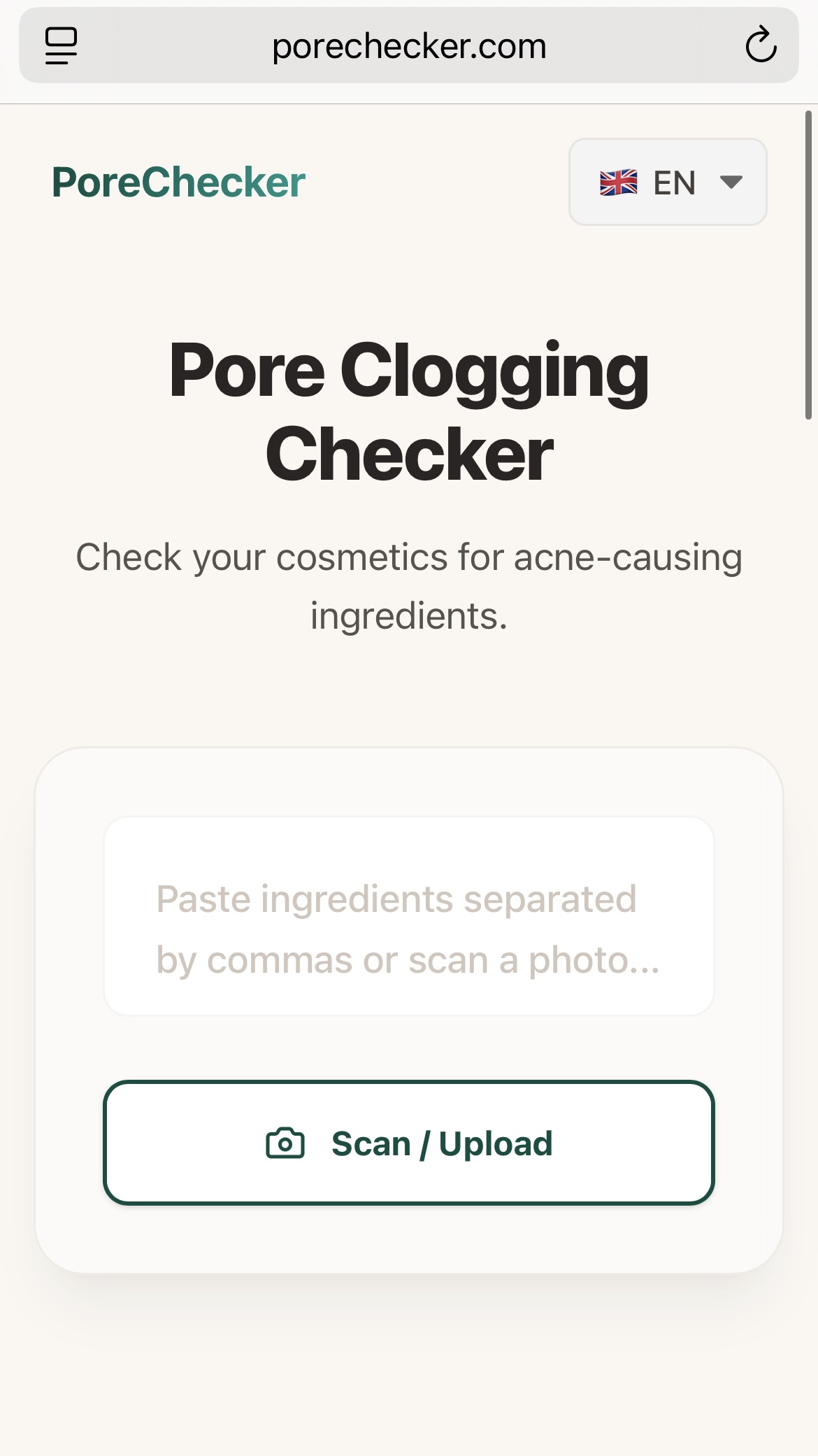
Step 1: Upload Your Product Image
Simply snap a photo of the ingredient list on the back of any bottle, jar, or box. No typing required.
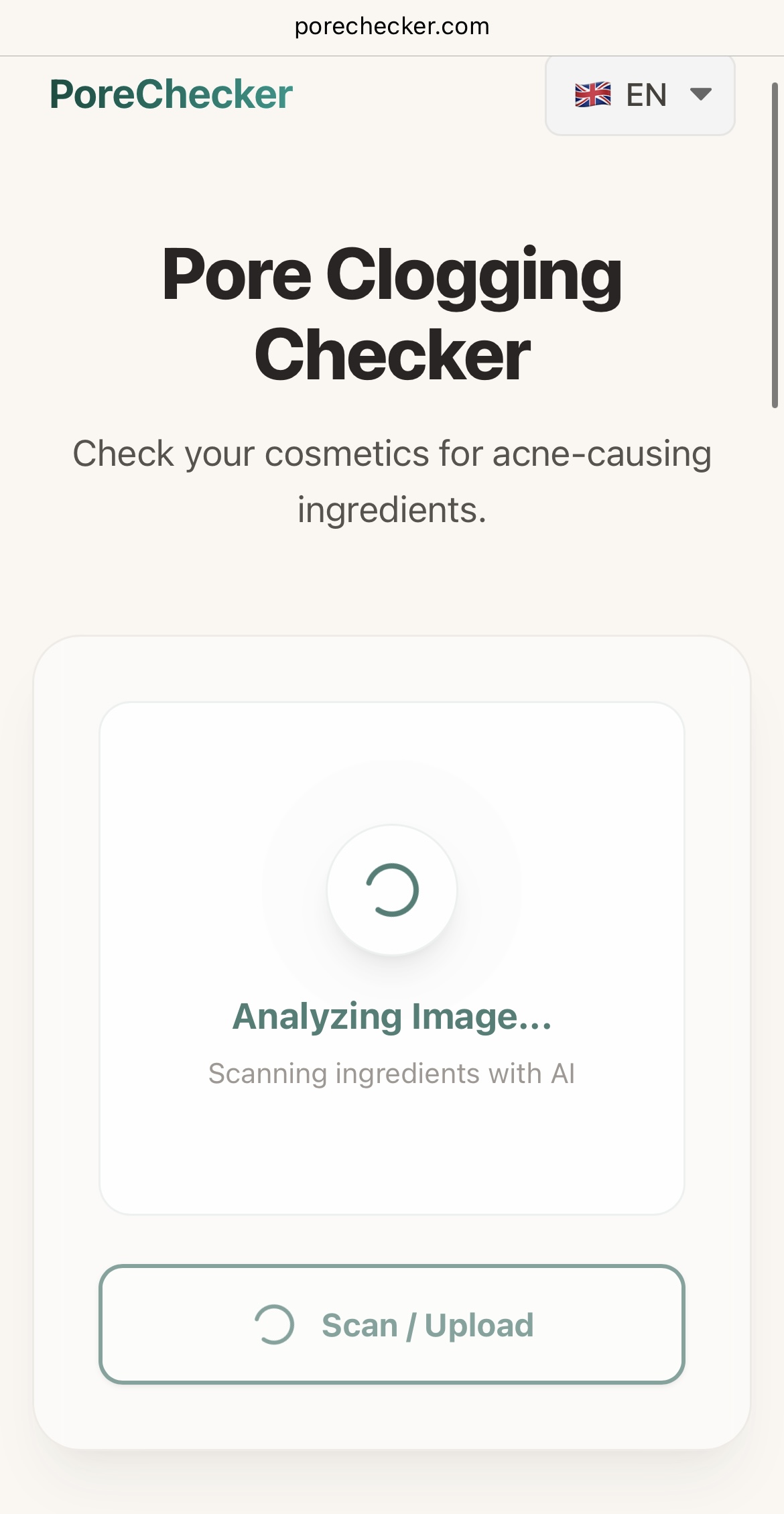
Step 2: Instant AI Ingredient Analysis
Our advanced AI scans the image, performs OCR (Optical Character Recognition), and matches every ingredient against our curated database of comedogenic substances.
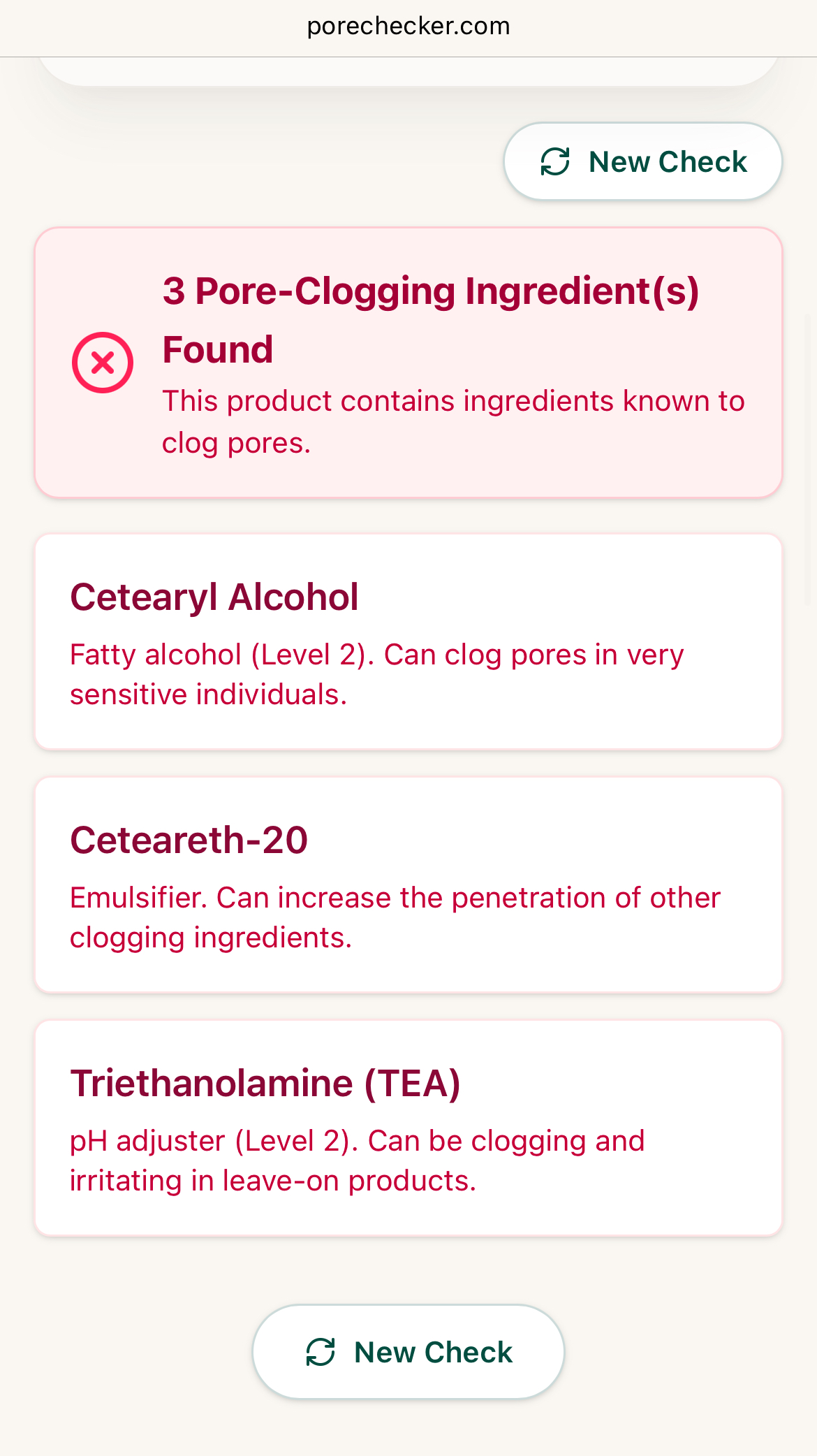
Step 3: Clear Results for Clearer Skin
You get an immediate breakdown. If any red-flag ingredients are found, we highlight them and explain why they might be problematic for your pores.
Does this product fit my skin's needs?
Check Your Products Now