Unveiling Radiance: What Helps With Acne Scars & Regaining Your Skin's Glow
Discover effective treatments and skincare strategies. Learn what helps with acne scars, from professional options to at-home care. Reclaim your skin's health.
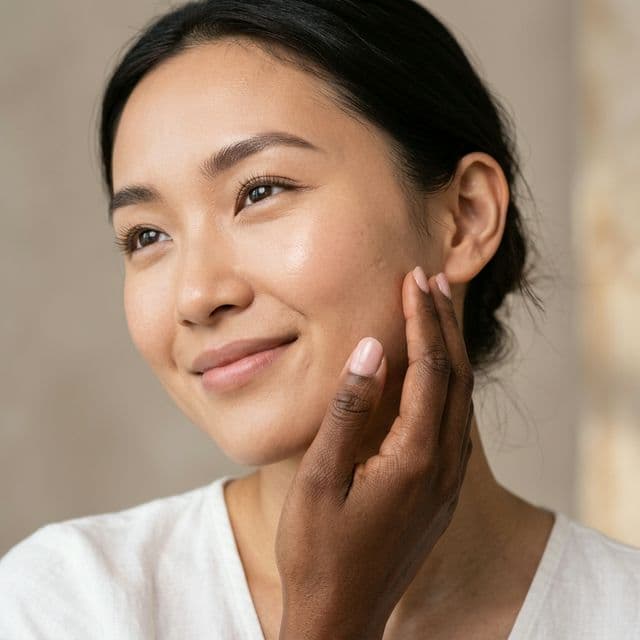
The aftermath of acne, those lingering reminders on our skin, can be a source of frustration. Understanding what helps with acne scars is not just about aesthetics; it's about restoring confidence and promoting overall skin health. The journey to clear skin is multifaceted, and it requires a targeted approach that considers both the type of scars and the underlying causes. Central to this process is embracing a non-comedogenic skincare routine – one that is designed to minimize the risk of future breakouts and allow your skin to heal effectively. This means carefully selecting products that won’t clog pores or exacerbate inflammation.
We'll explore various strategies, from professional treatments to diligent at-home care, designed to fade those marks and revitalize your complexion. Remember that patience and consistency are your allies. The best results come from a consistent, well-structured approach tailored to your specific needs. This article is your guide to understanding the options available, empowering you to make informed decisions and take proactive steps toward achieving your skin goals.
Before we delve in, remember that consulting a dermatologist is always the best first step. They can accurately assess your scar type and recommend the most effective treatment plan, taking into account your skin type and concerns.
Understanding Acne Scars: Types and Causes
Not all acne scars are created equal. Different types of acne scars require different approaches. Knowing the specific type of scar you have is crucial for determining the most effective treatment pathway. Acne scars are generally categorized into two main groups: atrophic and hypertrophic.
Atrophic Scars
These are the most common type and appear as depressions or indentations in the skin. They are often caused by a loss of collagen during the healing process. There are several subtypes:
- Ice Pick Scars: These are narrow, sharply defined scars that resemble ice pick punctures. They are typically deep and narrow.
- Boxcar Scars: These are wider, box-like depressions with sharp edges. They can be shallow or deep.
- Rolling Scars: These create a wave-like appearance on the skin, appearing as shallow depressions with sloping edges.
Hypertrophic and Keloid Scars
These scars are raised above the surface of the skin. They are caused by an overproduction of collagen during the healing process. Hypertrophic scars are usually confined to the original acne site, while keloid scars can extend beyond it.
The formation of acne scars is influenced by several factors, including the severity of acne, the duration of inflammation, genetics, and the individual's skin type. Picking or squeezing acne can significantly worsen scarring.
Effective Treatments: What Helps With Acne Scars
A wide array of treatments, both professional and at-home, are available. The best approach often involves a combination of these methods, tailored to the specific type and severity of your scars.
Professional Treatments
- Chemical Peels: These involve applying a chemical solution to the skin to exfoliate and stimulate collagen production, which can improve the appearance of atrophic scars.
- Microneedling: This procedure uses tiny needles to create micro-injuries in the skin, which triggers collagen production and helps to smooth out scars.
- Laser Resurfacing: This involves using lasers to remove damaged skin layers and stimulate collagen production, reducing the appearance of scars. Options include ablative and non-ablative lasers.
- Dermal Fillers: These are injected into atrophic scars to plump them up and reduce their depth.
- Subcision: This involves breaking up scar tissue beneath the skin’s surface to release the tethering that causes depressions.
- Steroid Injections: These can be used to reduce the size and inflammation of hypertrophic and keloid scars.
At-Home Skincare Strategies
- Retinoids: These vitamin A derivatives can increase cell turnover, stimulate collagen production, and improve the appearance of scars. (Always consult a dermatologist before starting use.)
- Alpha Hydroxy Acids (AHAs) and Beta Hydroxy Acids (BHAs): These exfoliants can help to remove dead skin cells, improve skin texture, and promote a smoother complexion.
- Vitamin C Serums: These can help to brighten the skin, reduce hyperpigmentation, and promote collagen production.
- Sun Protection: Protecting your skin from the sun is essential to prevent further damage and hyperpigmentation. Use a broad-spectrum sunscreen daily.
Hidden Pore-Cloggers: Avoiding the Culprits
Preventing new breakouts is crucial for minimizing the risk of new scars and allowing existing ones to heal. Many products contain ingredients that can clog pores, leading to inflammation and new acne lesions. Common offenders include certain oils, heavy emollients, and comedogenic ingredients like coconut oil, mineral oil, and some silicone-based compounds. Additionally, fragrances and dyes can irritate the skin, leading to inflammation.
Carefully reading ingredient lists and choosing non-comedogenic products is essential. Opt for oil-free, non-greasy formulations. Look for products labeled "non-comedogenic," but also be aware that this isn't a guarantee. The best way to be sure is to check the ingredients of your products and cross-reference them with a database that lists pore-clogging ingredients. Being informed and proactive is the key to maintaining a clear and healthy complexion. Understanding what helps with acne scars is only half the battle; preventing future breakouts is the other.
Don't Let Your Products Ruin Your Progress
You've invested time and effort in understanding what helps with acne scars, from professional treatments to incorporating effective skincare ingredients into your routine. However, all that hard work can be undermined by the products you use daily. Even seemingly innocuous cleansers, moisturizers, and makeup can contain hidden ingredients that trigger breakouts and hinder your skin's healing process. These pore-clogging ingredients can lead to new inflammation and potentially new scars. Thankfully, there are tools available to check your products, ensuring your skincare regimen is supporting, not sabotaging, your goals.
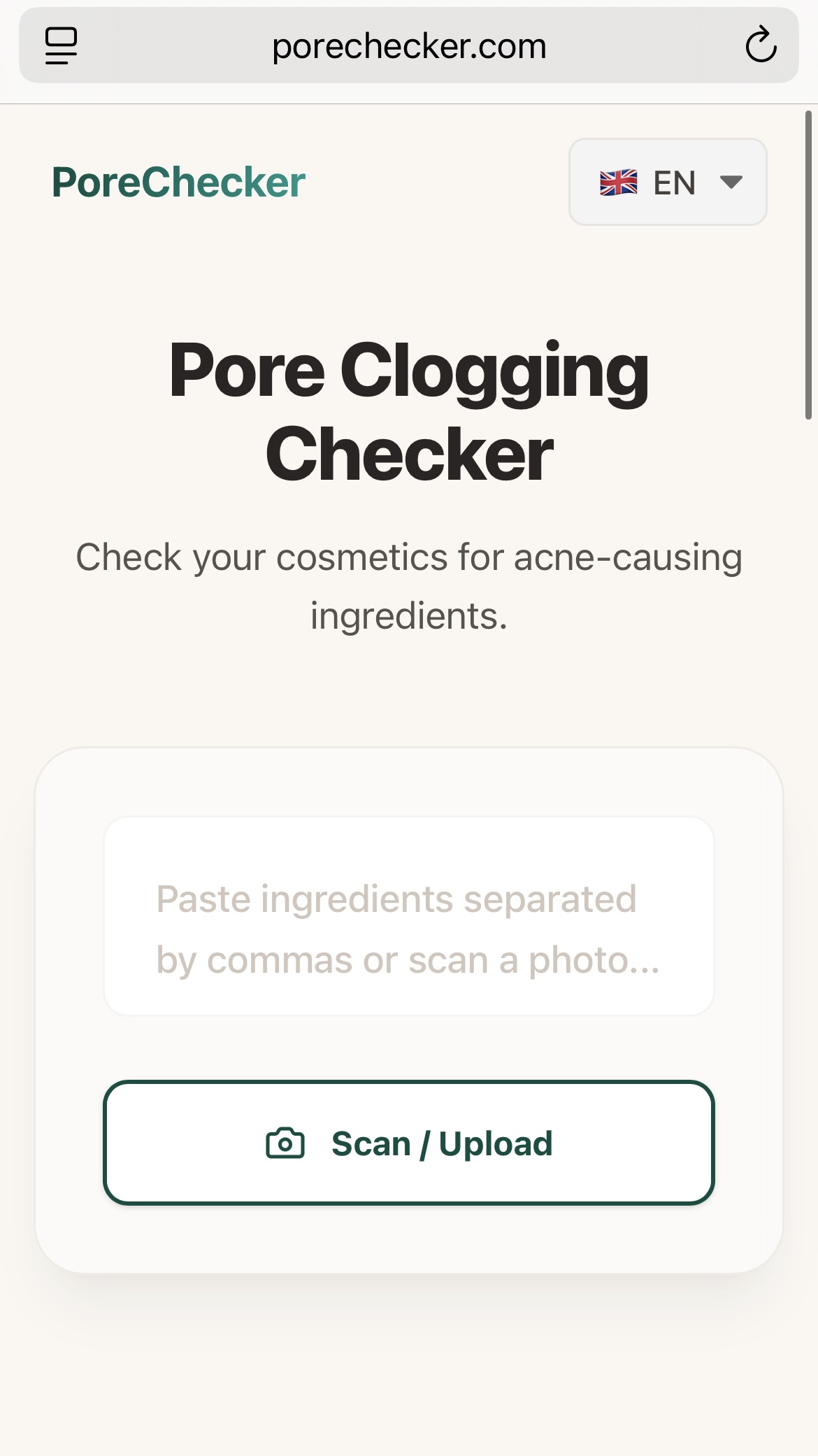
Step 1: Upload Your Product Image
Simply snap a photo of the ingredient list on the back of any bottle, jar, or box. No typing required.
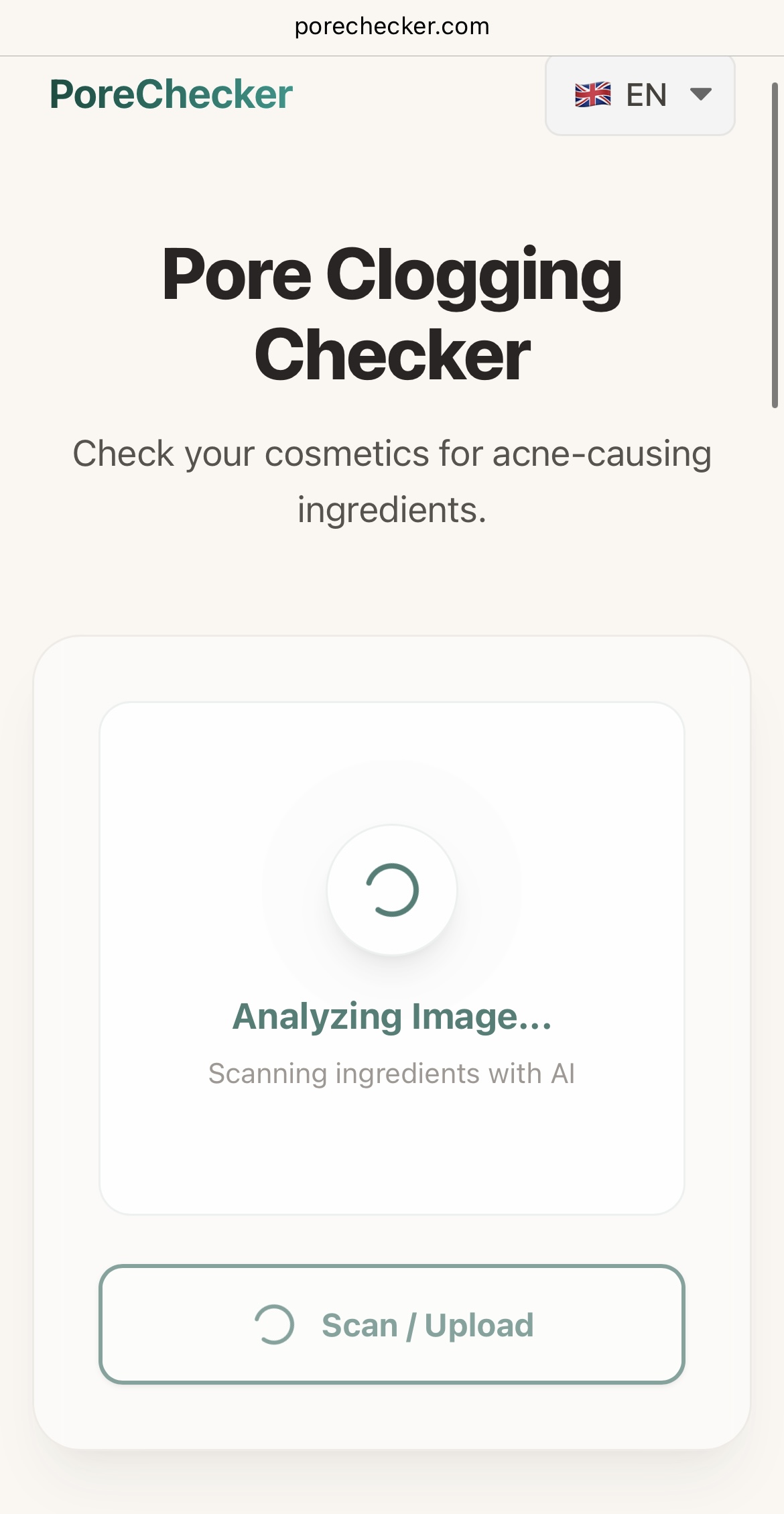
Step 2: Instant AI Ingredient Analysis
Our advanced AI scans the image, performs OCR (Optical Character Recognition), and matches every ingredient against our curated database of comedogenic substances.
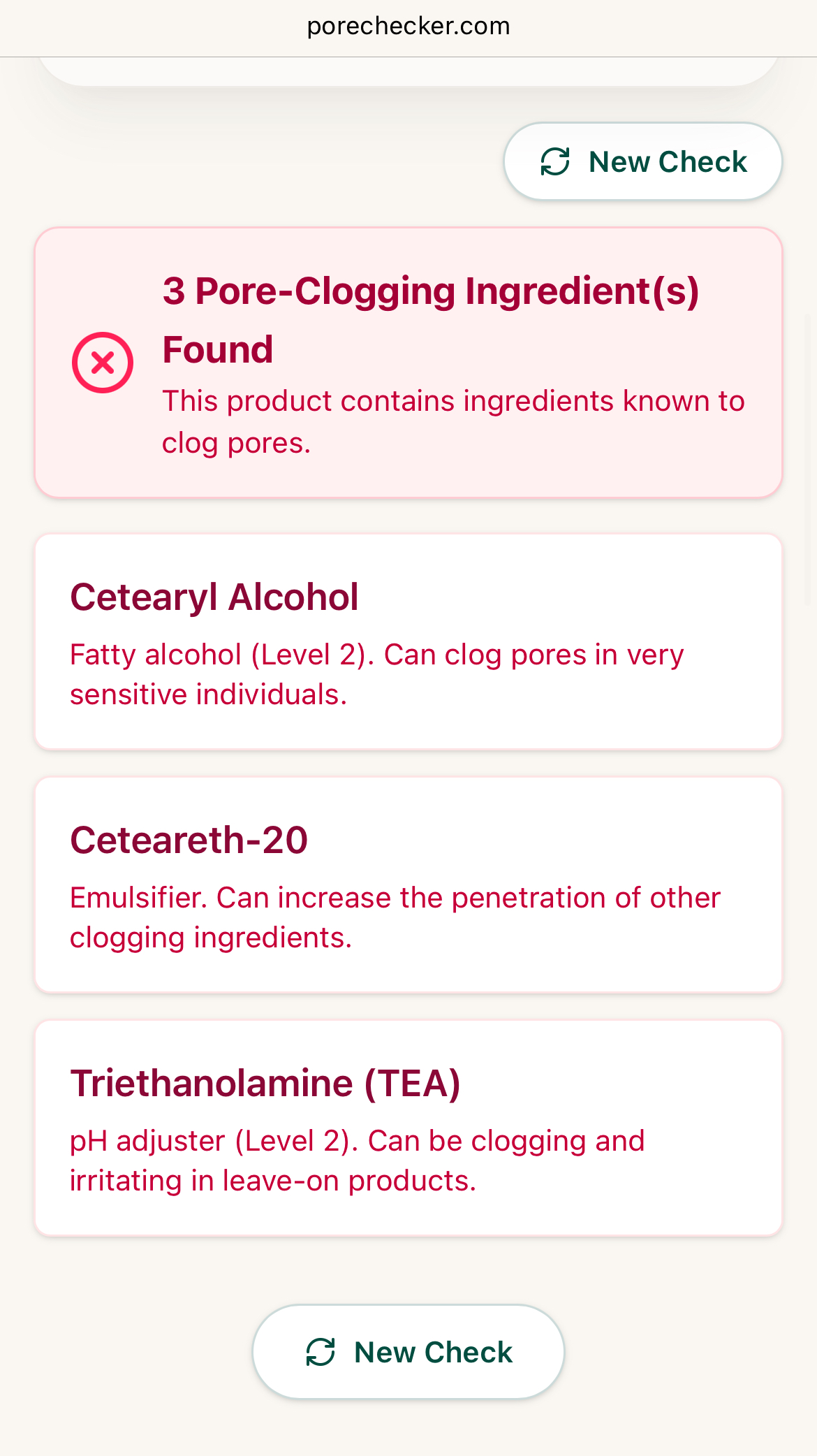
Step 3: Clear Results for Clearer Skin
You get an immediate breakdown. If any red-flag ingredients are found, we highlight them and explain why they might be problematic for your pores.
Does this product fit my skin's needs?
Check Your Products Now