Unveiling the Best: Which Vitamin C Serum Is Best for Your Skin?
Discover the best Vitamin C serum for your skin! Expert advice on choosing the right product for glowing, healthy skin. Learn more!
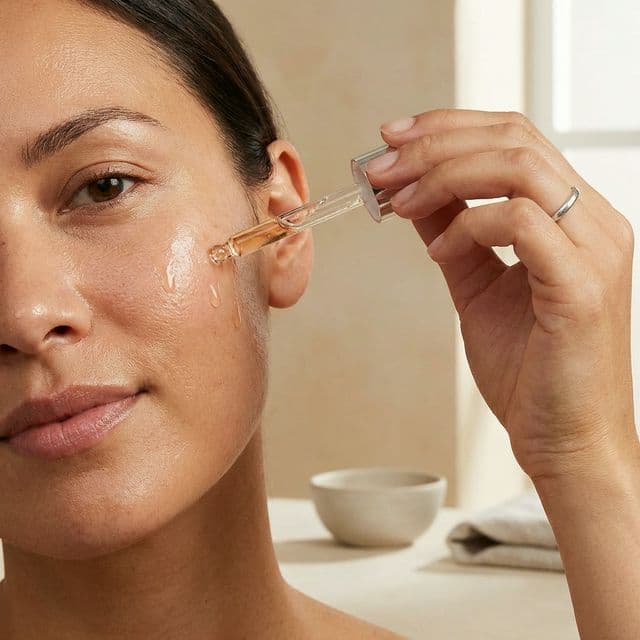
The quest for radiant, healthy skin often leads us down the path of skincare ingredients, and vitamin C stands out as a true champion. Its antioxidant properties fight free radicals, brighten complexion, and contribute to collagen production. But with so many options available, the question remains: which vitamin C serum is best for *your* skin? This isn't a one-size-fits-all situation. Factors like skin type, sensitivity, and formulation matter. Moreover, many individuals unknowingly sabotage their progress by using products that contain hidden pore-cloggers, which can negate the benefits of even the best vitamin C serum. That's why understanding ingredient lists is so vital.
As a dermatologist, I've seen firsthand how the right vitamin C serum, incorporated thoughtfully into a skincare routine, can transform skin. Conversely, I’ve also witnessed the frustration that comes with choosing the wrong product, leading to disappointment and even breakouts. This guide will help you navigate the world of vitamin C serums, considering various formulations, concentrations, and additional ingredients, all while emphasizing the importance of non-comedogenic practices.
This journey should be about empowerment, not overwhelm. Let's find the best vitamin C serum for you.
Understanding Vitamin C and Its Forms
Vitamin C, or ascorbic acid, is a potent antioxidant. However, it’s also notoriously unstable. That's why the *form* of vitamin C in your serum is crucial. Different forms offer varying levels of stability, absorption, and efficacy. Some of the most common include:
L-Ascorbic Acid
This is the purest and most researched form of vitamin C. It's potent but can be irritating, especially at higher concentrations (above 15%). It's also the most unstable, so proper packaging (dark glass bottle) is crucial. If you're new to vitamin C, start with a lower concentration (8-10%) and gradually increase as tolerated.
Ascorbyl Palmitate
A fat-soluble derivative, it's gentler than L-Ascorbic Acid but may not be as effective in the long run. It can be a good option for sensitive skin or those looking for a less irritating form.
Sodium Ascorbyl Phosphate
This is another stable derivative that converts to ascorbic acid upon contact with the skin. It tends to be less irritating than L-Ascorbic Acid and offers antioxidant benefits.
Tetrahexyldecyl Ascorbate
A lipid-soluble form, it's known for its good absorption and stability. It's often favored for its ability to penetrate deeper into the skin and provide antioxidant protection. This form is often a good choice for those with dry skin.
Finding the Right Serum for Your Skin Type
The best vitamin C serum isn't just about the vitamin C itself; it's also about how it complements your individual skin needs. Consider these factors:
Oily or Acne-Prone Skin
Look for lightweight, oil-free formulations. Serums with L-Ascorbic Acid may be suitable, but pay close attention to the other ingredients. Avoid serums with high concentrations of oils that could exacerbate breakouts. Also, look for added ingredients like Ferulic Acid, which can stabilize Vitamin C and amplify its effects.
Dry Skin
Embrace formulations with hydrating ingredients. Tetrahexyldecyl Ascorbate, which is lipid-soluble, can be a great option. Look for serums with hyaluronic acid, glycerin, or ceramides to provide added moisture. Remember to use a moisturizer after applying the serum.
Sensitive Skin
Start with a lower concentration (5-10%) of L-Ascorbic Acid, or opt for a gentler derivative like Sodium Ascorbyl Phosphate or Ascorbyl Palmitate. Perform a patch test before applying the serum to your entire face. Avoid serums with potential irritants, such as alcohol or strong fragrances.
Combination Skin
Choose a serum that caters to both oily and dry areas. You might need to experiment with different formulations to find the right balance. Look for hydrating, yet non-comedogenic ingredients.
Beyond Vitamin C: The Supporting Cast
While vitamin C is the star, the supporting ingredients can significantly impact a serum's effectiveness and overall suitability. Some ingredients to look for include:
Vitamin E
Vitamin E works synergistically with vitamin C, boosting its antioxidant power and protecting the skin from environmental damage.
Ferulic Acid
Ferulic acid stabilizes vitamin C, enhances its antioxidant properties, and can protect the skin from sun damage. This ingredient is particularly beneficial for those living in sunny climates.
Hyaluronic Acid
This humectant attracts and retains moisture, making it ideal for dry skin types. It adds hydration and plumps the skin, enhancing the overall effect of the vitamin C serum.
Niacinamide
Niacinamide can improve skin barrier function, reduce inflammation, and help regulate oil production. It is a beneficial ingredient for most skin types.
Application and Storage: Maximizing Results
Even the best vitamin C serum won't work if used incorrectly. Here are some tips:
Application
Apply your vitamin C serum in the morning after cleansing and before your moisturizer and sunscreen. A few drops are typically sufficient. Allow the serum to absorb for a few minutes before applying the next product.
Storage
Vitamin C serums are sensitive to light and air. Store your serum in a cool, dark place, away from direct sunlight. Make sure the bottle is tightly sealed after each use. If the serum changes color (e.g., turns yellow or brown), it has likely oxidized and lost its effectiveness; it’s time to replace it.
Sun Protection
Vitamin C can make your skin more sensitive to the sun, so it's critical to wear sunscreen daily, even on cloudy days. Choose a broad-spectrum sunscreen with an SPF of 30 or higher.
Don't Let Your Products Ruin Your Progress
Choosing the right vitamin C serum is a crucial step towards achieving your skincare goals, but it's only one piece of the puzzle. The ingredients in your *other* skincare products can significantly impact your results. Many seemingly innocuous ingredients can clog pores, leading to breakouts and counteracting the benefits of your carefully selected vitamin C serum. Understanding the ingredients in your cleanser, moisturizer, and other products is paramount. That's why taking the time to review the ingredient lists of all the products you're using is a good practice.
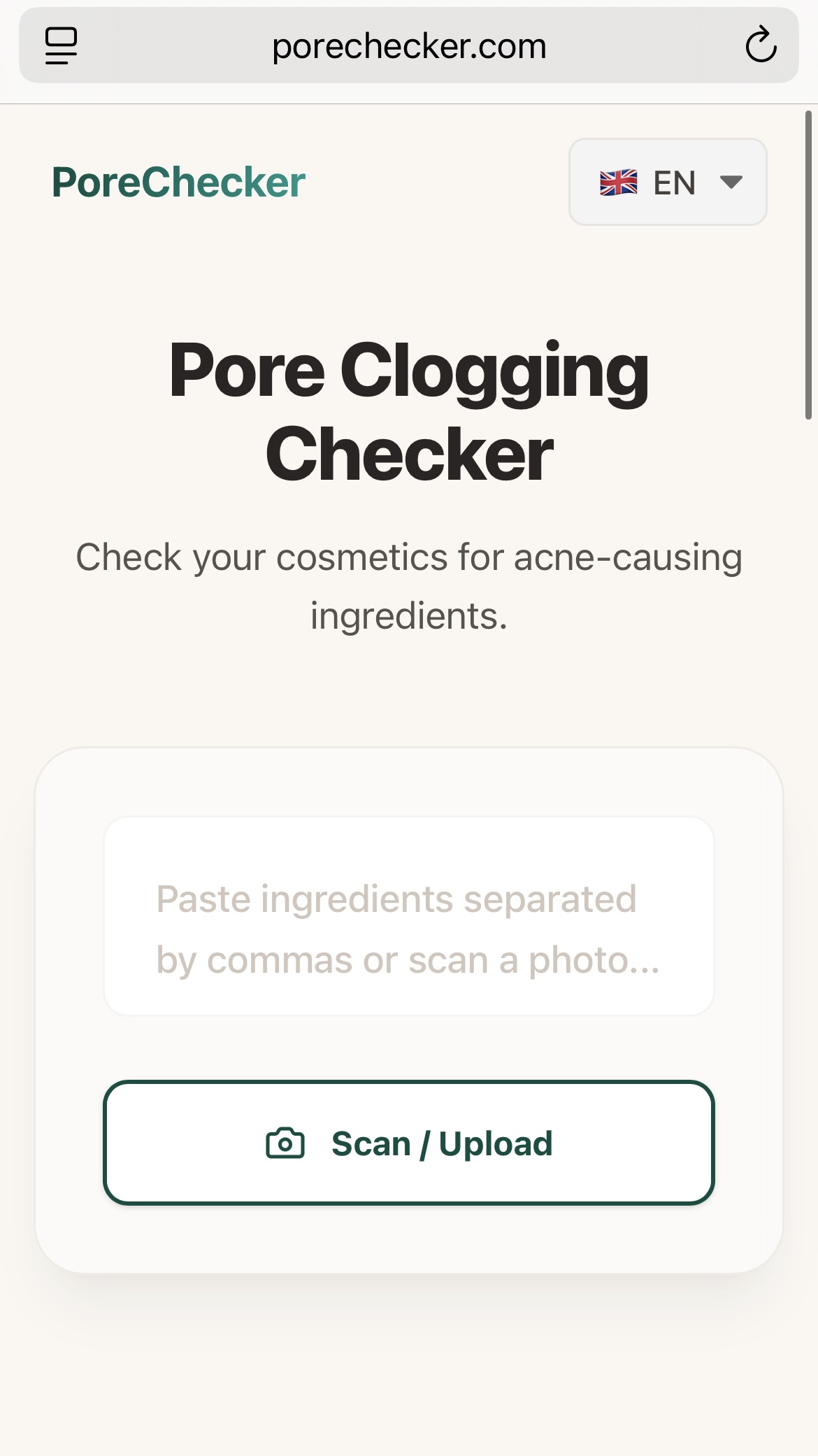
Step 1: Upload Your Product Image
Simply snap a photo of the ingredient list on the back of any bottle, jar, or box. No typing required.
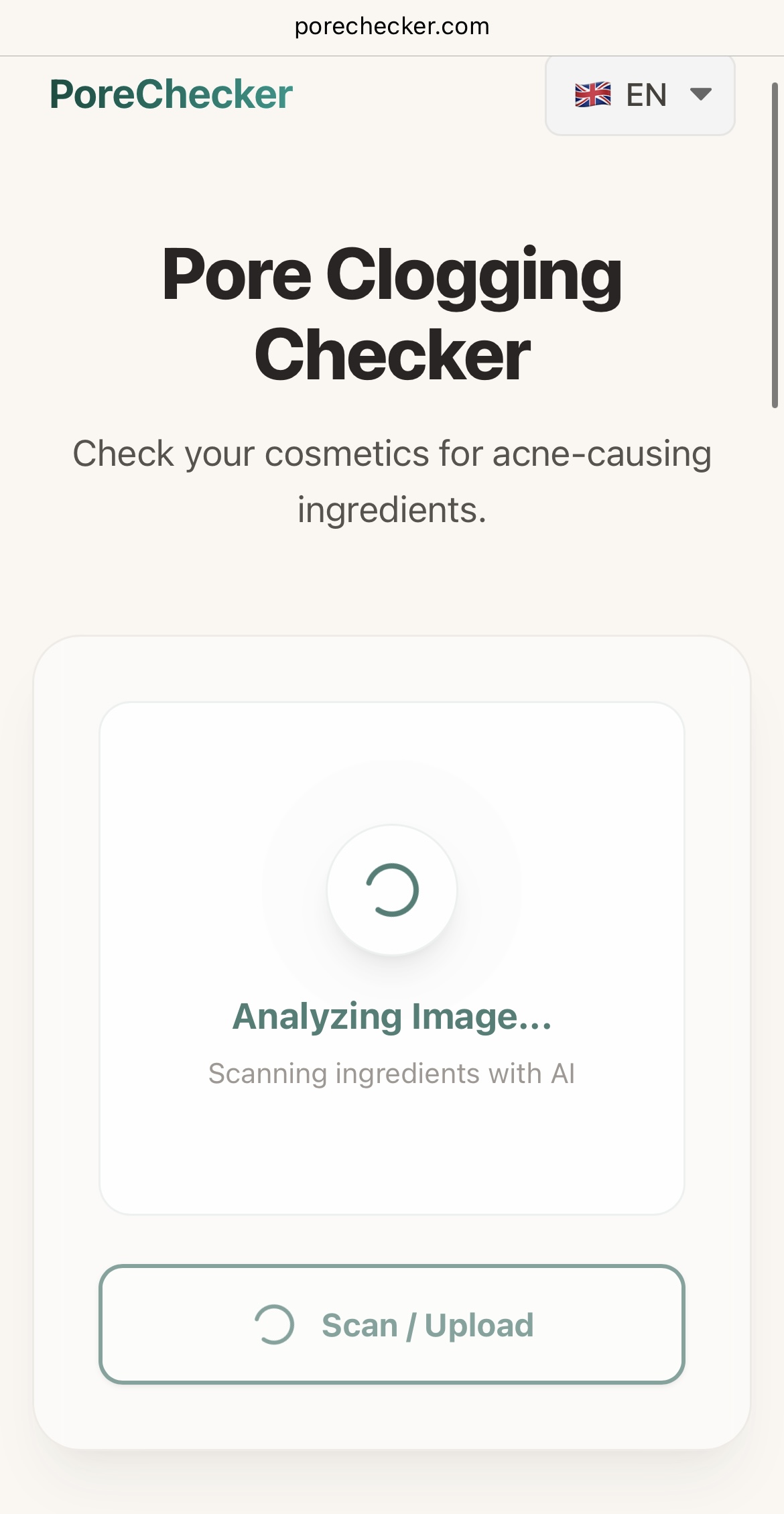
Step 2: Instant AI Ingredient Analysis
Our advanced AI scans the image, performs OCR (Optical Character Recognition), and matches every ingredient against our curated database of comedogenic substances.
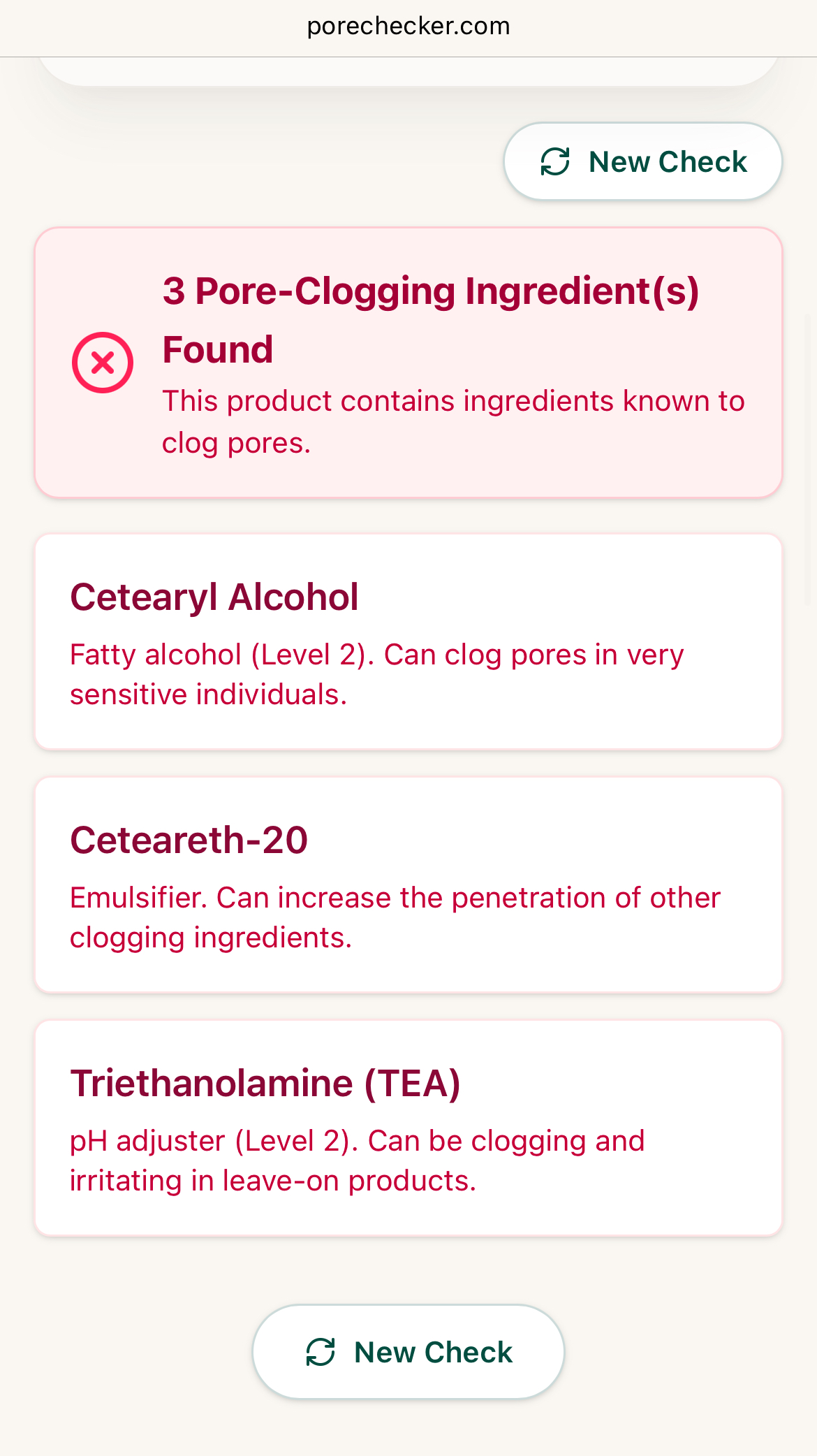
Step 3: Clear Results for Clearer Skin
You get an immediate breakdown. If any red-flag ingredients are found, we highlight them and explain why they might be problematic for your pores.
Does this product fit my skin's needs?
Check Your Products Now