Unveiling the Timeline: How Long Does Spironolactone Take to Work for Acne?
Wondering how long spironolactone takes to clear your acne? This article explores the timeline, effectiveness, and non-comedogenic skincare to support your journey.
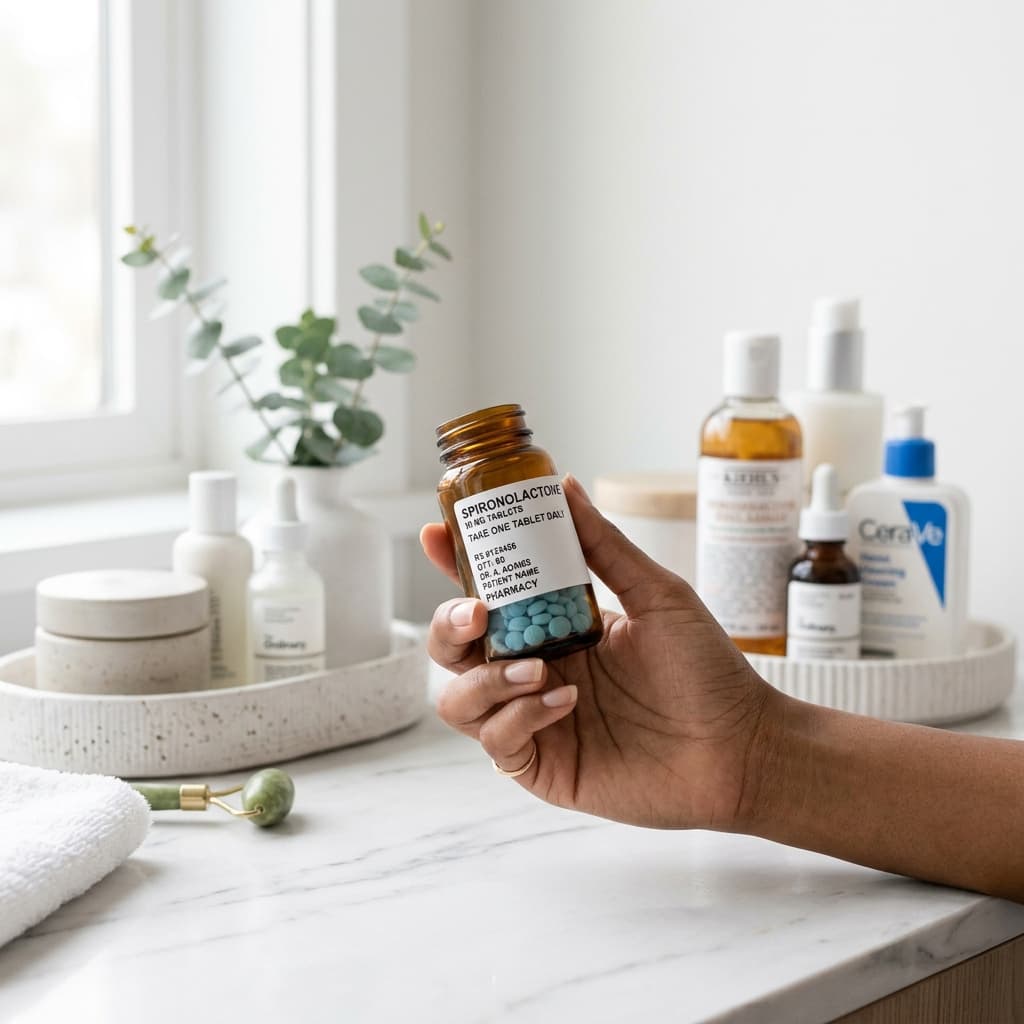
The path to clear skin is rarely a straight line. For those struggling with acne, the journey often involves trying various treatments, each with its own set of expectations and timelines. One such treatment, increasingly popular and effective, is spironolactone. This medication, typically used to manage blood pressure, has shown remarkable results in combating hormonal acne. If you're considering or already using spironolactone, understanding how long it takes to work is crucial for managing your expectations and staying committed to your skincare routine.
Before diving into the specifics of spironolactone's timeline, it's essential to emphasize the importance of a holistic approach. While medication targets the internal causes of acne, your external skincare routine plays a vital role. This includes using non-comedogenic products – those specifically formulated to avoid clogging pores. Look for cleansers, moisturizers, and sunscreens that are oil-free and labeled as "non-comedogenic." Consider consulting with a dermatologist or skincare expert to help you determine your skin type and recommend products. This holistic approach significantly supports the medication's effectiveness.
The quest for clear skin involves patience and consistency. Let's delve into the specifics of how long spironolactone takes to work for acne.
Understanding Spironolactone and Acne
Spironolactone's efficacy against acne stems from its ability to block androgen receptors. Androgens, such as testosterone, can stimulate sebum production, leading to clogged pores and breakouts. By interfering with this process, spironolactone reduces the oil production, thus decreasing acne. It's often prescribed for hormonal acne, which typically manifests as breakouts along the jawline, chin, and lower face. However, as with any medication, individual results vary.
Key Factors Influencing the Timeline
Several factors influence how quickly you see results. These include the severity of your acne, your individual metabolism, and, importantly, your adherence to the prescribed dosage. Consistency is critical: missing doses or adjusting the medication without your doctor's guidance can hinder progress. Moreover, the initial stage might involve a "purge" where existing acne flares up. Don't be discouraged; this is often a sign the medication is working, as it brings underlying impurities to the surface.
The Expected Timeline
Typically, you may begin to see some improvements within the first 4-8 weeks of consistent use. However, achieving significant, noticeable results often takes longer – sometimes up to 3-6 months. Your doctor will monitor your progress and adjust the dosage if necessary. It's essential to communicate openly with your dermatologist, reporting any side effects or concerns. Remember, this is a marathon, not a sprint. Be patient and trust the process.
Supporting Your Skin During Treatment
While spironolactone works internally, your skincare routine plays a crucial role in supporting its effects. Stick to a gentle, non-comedogenic cleanser to avoid stripping your skin of essential oils. A lightweight, oil-free moisturizer helps maintain hydration without exacerbating breakouts. Incorporate a broad-spectrum sunscreen with an SPF of 30 or higher to protect your skin from sun damage, which can worsen inflammation and hyperpigmentation. Consider incorporating ingredients like salicylic acid or benzoyl peroxide (used with caution and advice from your doctor) to tackle existing acne.
Hidden Pore-Cloggers to Watch Out For
Beyond the obvious ingredients, many seemingly harmless products contain pore-clogging culprits. Watch out for ingredients like coconut oil, shea butter, and isopropyl myristate, which are commonly found in moisturizers and makeup. Furthermore, certain fragrance components and essential oils can irritate the skin and contribute to breakouts. Always check the ingredient list carefully, and if in doubt, consult with your dermatologist. Be especially careful of hair products, as these can easily transfer onto your face.
Don't Let Your Products Ruin Your Progress
Achieving clear skin with spironolactone is an investment of time, effort, and patience. As you diligently follow your treatment plan, the products you use every day can either support or undermine your progress. Even the most effective medication can be hampered by hidden pore-clogging ingredients lurking in your cleanser, moisturizer, or even makeup. Carefully reviewing the ingredients in all of your skincare and cosmetic products is vital to ensure they align with your clear-skin goals. Fortunately, resources are available to help you identify these potentially problematic ingredients and make informed choices to keep your skin on track.
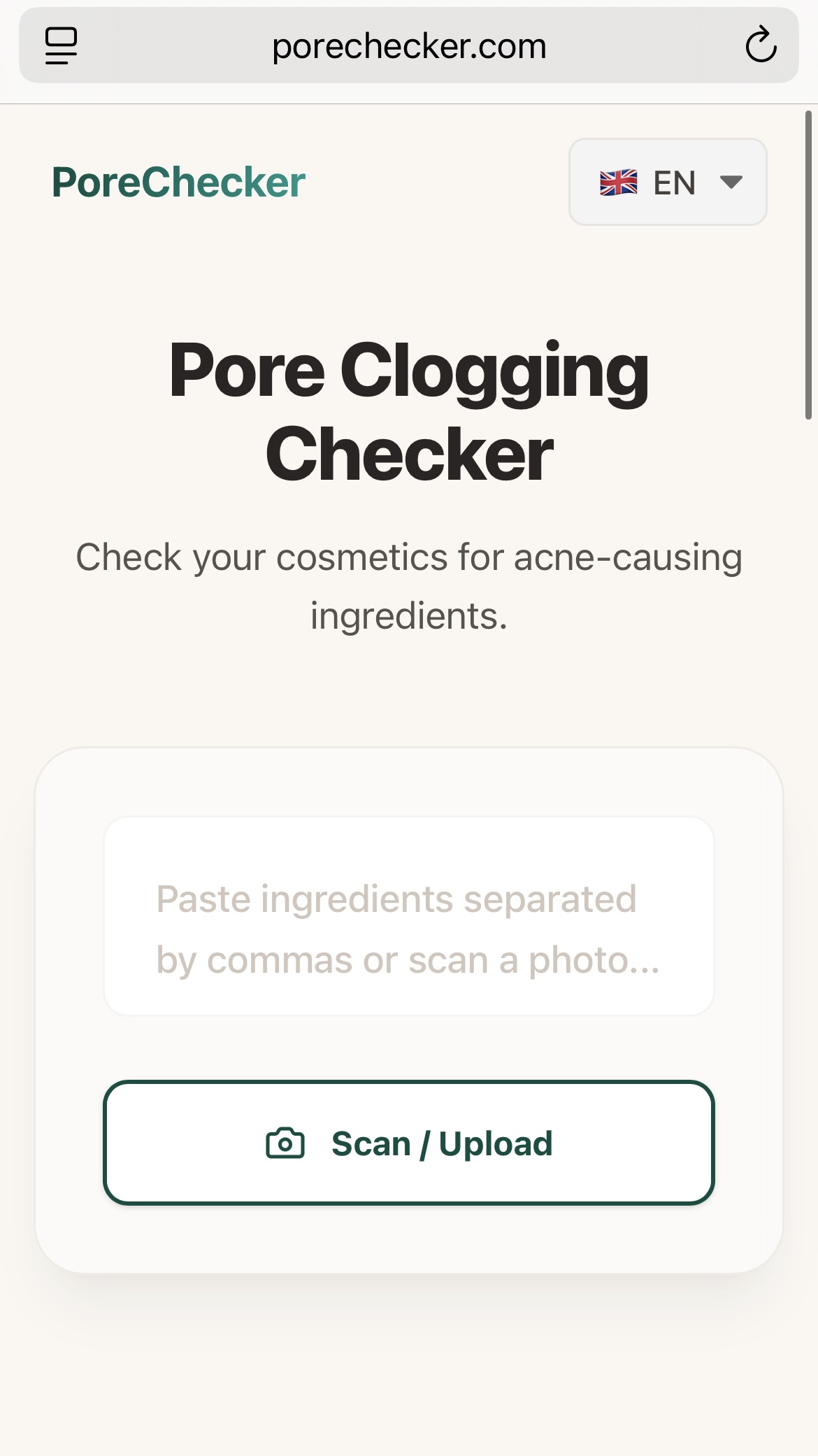
Step 1: Upload Your Product Image
Simply snap a photo of the ingredient list on the back of any bottle, jar, or box. No typing required.
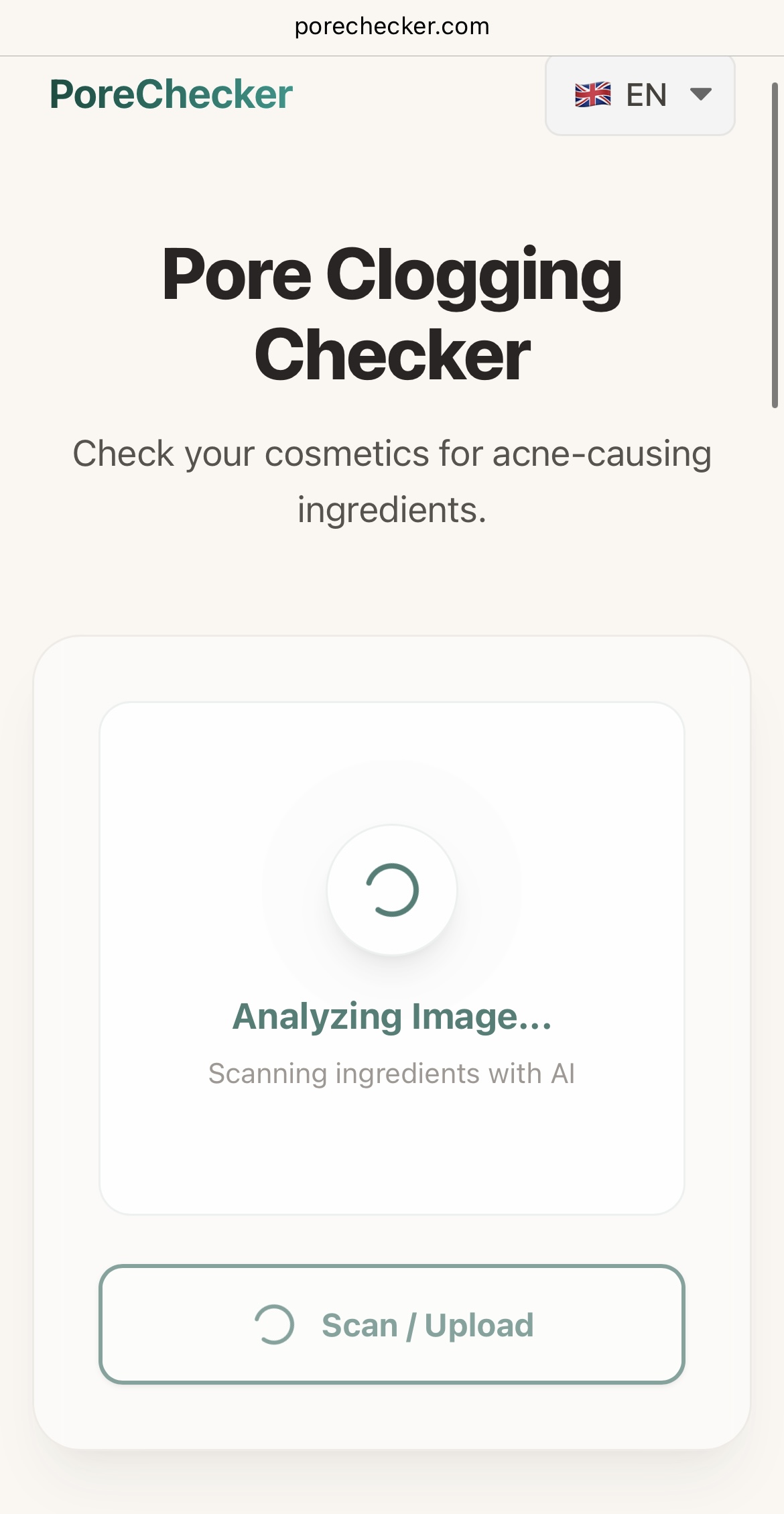
Step 2: Instant AI Ingredient Analysis
Our advanced AI scans the image, performs OCR (Optical Character Recognition), and matches every ingredient against our curated database of comedogenic substances.
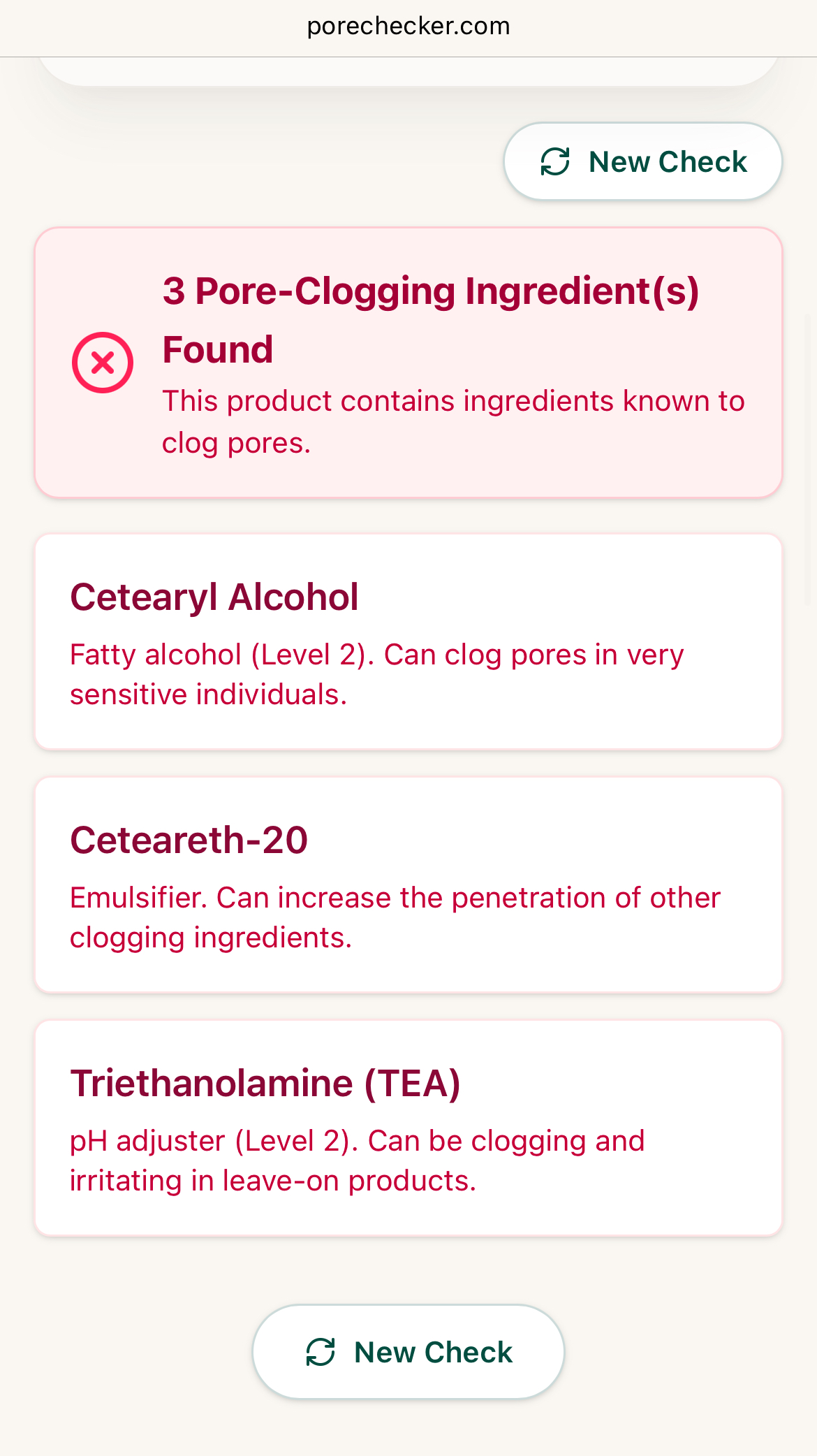
Step 3: Clear Results for Clearer Skin
You get an immediate breakdown. If any red-flag ingredients are found, we highlight them and explain why they might be problematic for your pores.
Does this product fit my skin's needs?
Check Your Products Now