Unveiling the Truth: Does Niacinamide Help With Acne Scars?
Discover if niacinamide can fade acne scars. Expert advice on how this skincare ingredient works, its effectiveness, and how to maximize results.
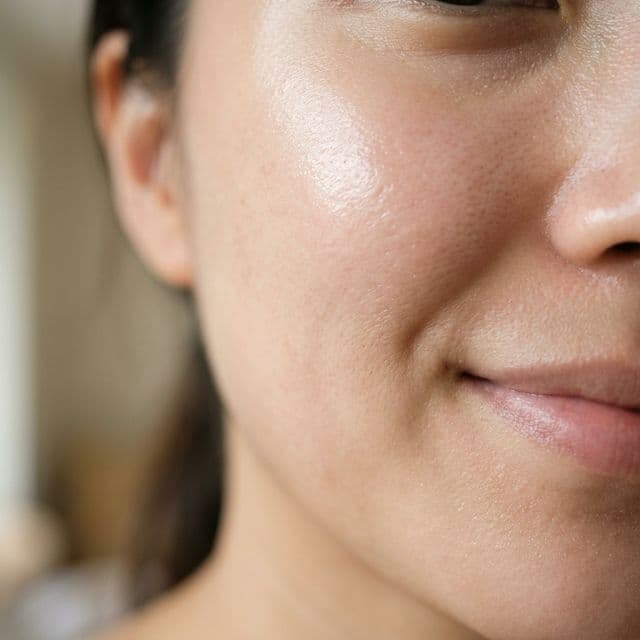
Acne scars can be a frustrating reminder of past breakouts, impacting both our skin's appearance and our self-esteem. Many skincare ingredients promise to diminish these marks, but navigating the options can feel overwhelming. Among the contenders, niacinamide has garnered significant attention. But does niacinamide help with acne scars? As a dermatologist and skincare scientist, I aim to provide clarity, grounded in scientific evidence and practical advice, to help you make informed decisions about your skincare journey.
Before diving into niacinamide, it's crucial to remember that a non-comedogenic skincare routine is your foundation. This means choosing products specifically formulated not to clog pores. Ingredients like heavy oils, certain silicones, and synthetic waxes can exacerbate acne and potentially worsen scarring. Prioritizing gentle cleansers, lightweight moisturizers, and sun protection is paramount, setting the stage for any scar-reducing treatments to be effective.
Understanding Acne Scars
Acne scars aren't a single entity. They manifest in various forms, each requiring a tailored approach. Broadly, there are two main categories: atrophic scars (depressed scars), and hypertrophic or keloid scars (raised scars). Within the atrophic category, you'll find ice pick scars (narrow, deep depressions), boxcar scars (wider, box-like depressions), and rolling scars (undulating depressions). Understanding the type of scars you have is the first step in creating a suitable treatment plan.
The Role of Inflammation
The severity of acne scarring is often directly linked to the inflammation caused by acne. The more inflamed the breakout, the greater the risk of scar formation. Picking or squeezing pimples also intensifies inflammation and can worsen scarring. Addressing acne promptly and correctly is therefore crucial in preventing scars.
Niacinamide: A Scar-Fighting Ally?
Niacinamide, a form of vitamin B3, boasts a range of benefits that make it a promising ingredient for scar treatment. It works through several mechanisms. Firstly, it has anti-inflammatory properties, which can calm active acne and potentially reduce the risk of new scars forming. Secondly, niacinamide can stimulate collagen production, which is essential for repairing the skin and filling in atrophic scars.
Collagen Synthesis and Skin Repair
The increased collagen production induced by niacinamide aids in remodeling the skin's structure. This can lead to a gradual improvement in the appearance of depressed scars. Over time, niacinamide can help smooth the skin's surface, making scars less noticeable. However, it's important to have realistic expectations; niacinamide is generally most effective for mild to moderate scarring, and improvements typically occur over several weeks or months of consistent use.
Other Benefits of Niacinamide
Beyond scar treatment, niacinamide offers additional advantages. It can reduce hyperpigmentation, even out skin tone, and improve skin elasticity. Its antioxidant properties protect the skin from environmental damage, contributing to overall skin health. For those struggling with both acne and the aftermath of scars, niacinamide provides a multifaceted approach.
Maximizing Niacinamide's Effectiveness
To achieve optimal results, consistency is key. Incorporate a niacinamide serum or cream into your daily skincare routine. Start with a lower concentration (2-5%) and gradually increase if your skin tolerates it well. Always pair it with sunscreen, as niacinamide may increase skin's sensitivity to the sun. Be patient; visible improvements may take time to appear.
Pairing with Other Ingredients
Niacinamide often works well in combination with other skincare ingredients. It can be used with hyaluronic acid for hydration, and some formulations combine it with Vitamin C for enhanced antioxidant benefits and brightening effects. However, it's wise to avoid using it at the same time as some high-strength acids, especially if you have sensitive skin. It's best to consult with a dermatologist if you're unsure about combining ingredients.
Don't Let Your Products Ruin Your Progress
While niacinamide can significantly contribute to fading acne scars, its effectiveness can be undermined by other products in your routine. Many seemingly innocuous skincare items contain pore-clogging ingredients that can lead to new breakouts and, subsequently, new scars. To protect your skin and ensure you're getting the most out of your niacinamide treatment, it's critical to scrutinize every product you use. Ingredients like certain comedogenic oils and heavy emollients can negate the benefits of your scar-fading efforts. A careful review of product formulations can help you identify and eliminate potential irritants and pore-cloggers, allowing your skin to heal and thrive.
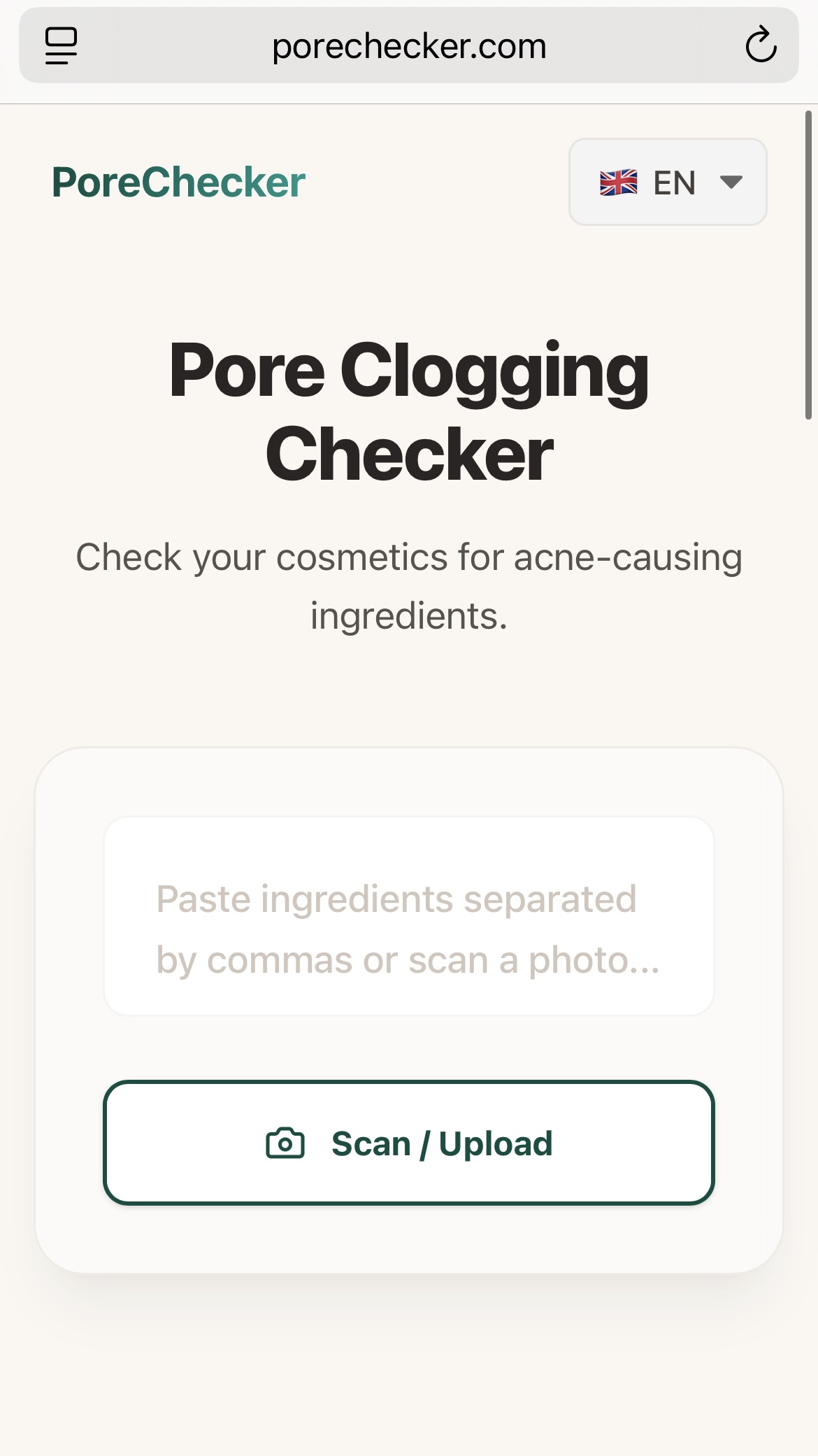
Step 1: Upload Your Product Image
Simply snap a photo of the ingredient list on the back of any bottle, jar, or box. No typing required.
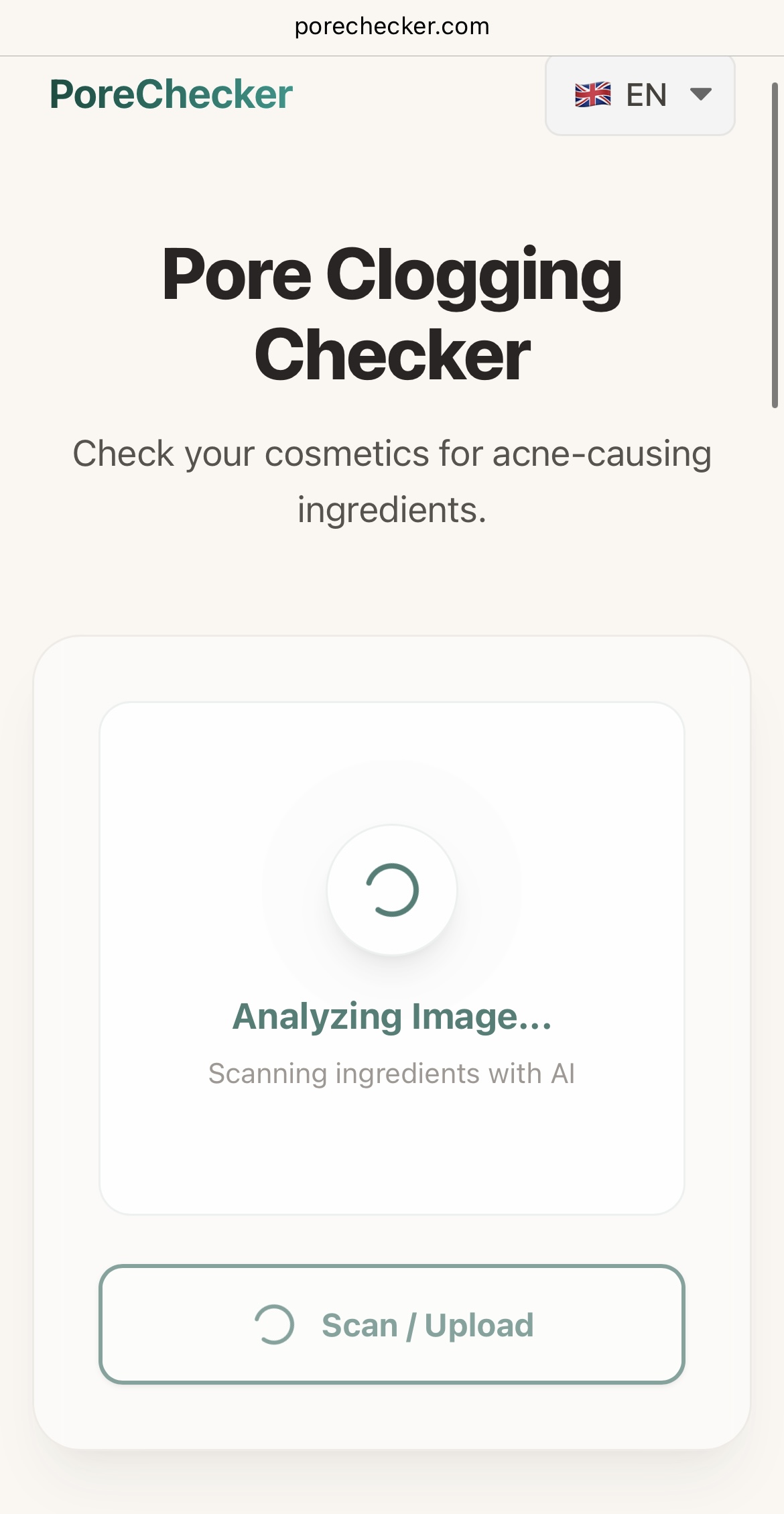
Step 2: Instant AI Ingredient Analysis
Our advanced AI scans the image, performs OCR (Optical Character Recognition), and matches every ingredient against our curated database of comedogenic substances.
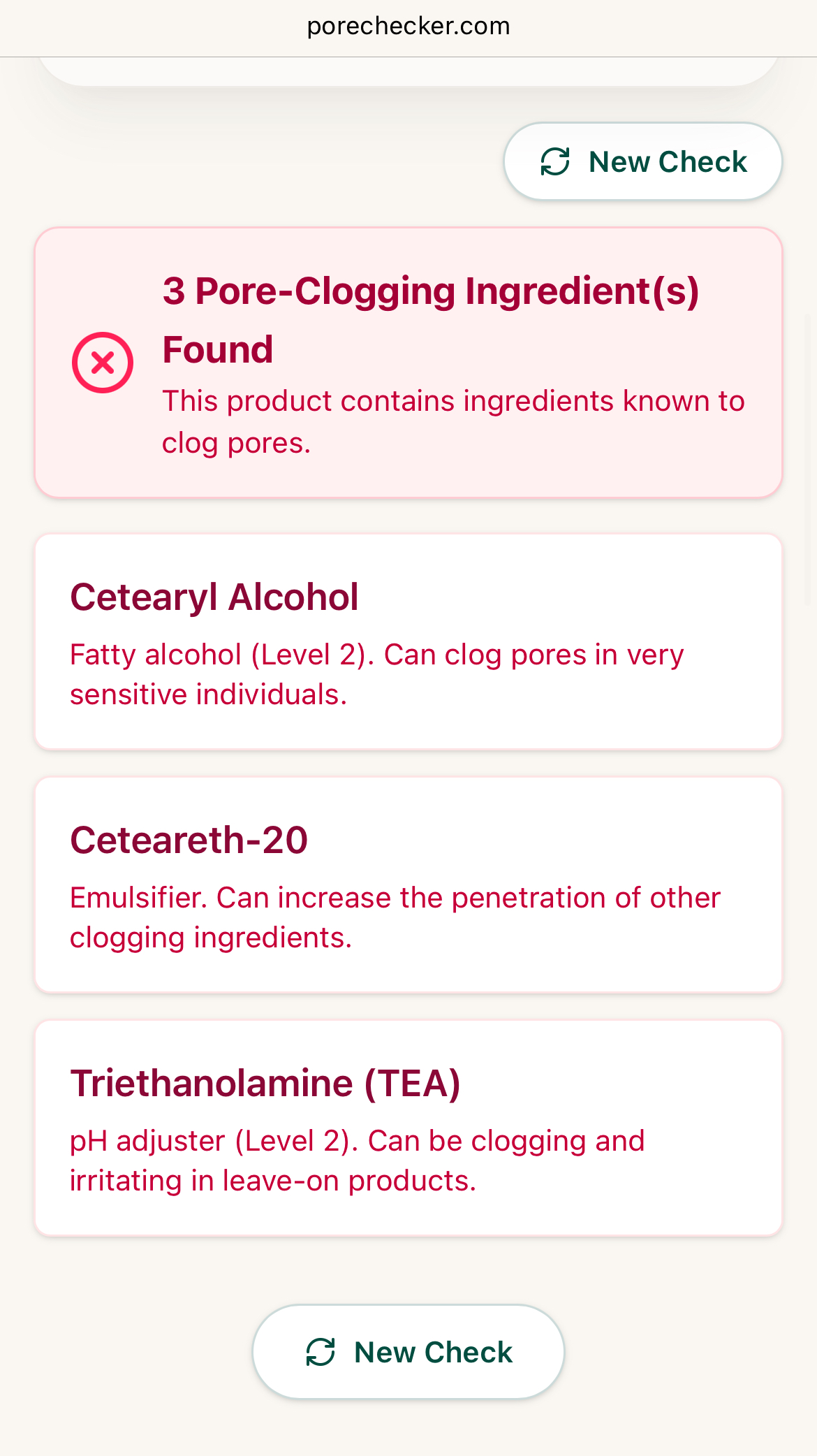
Step 3: Clear Results for Clearer Skin
You get an immediate breakdown. If any red-flag ingredients are found, we highlight them and explain why they might be problematic for your pores.
Does this product fit my skin's needs?
Check Your Products Now